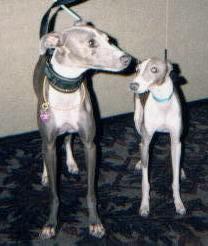
Greyhound
Temperament
About the Greyhound
The Greyhound is one of the oldest selectively bred dog types in recorded history, with depictions of slender, long-legged sighthounds appearing in Egyptian tomb art dating back to roughly 2900 BCE and in ancient Greek pottery. While the breed's precise geographic origin remains debated among cynologists, it was in Britain that the Greyhound was refined into the animal recognized today. By the time of the Saxon period, the Greyhound was deeply embedded in British culture and law — King Canute's Forest Laws of 1014 explicitly prohibited commoners from keeping Greyhounds within ten miles of royal forests unless the dogs had been deliberately lamed, a telling indicator of just how effective these animals were as hunters. The breed's name likely derives from the Old English 'grighund,' though its exact etymology is disputed.
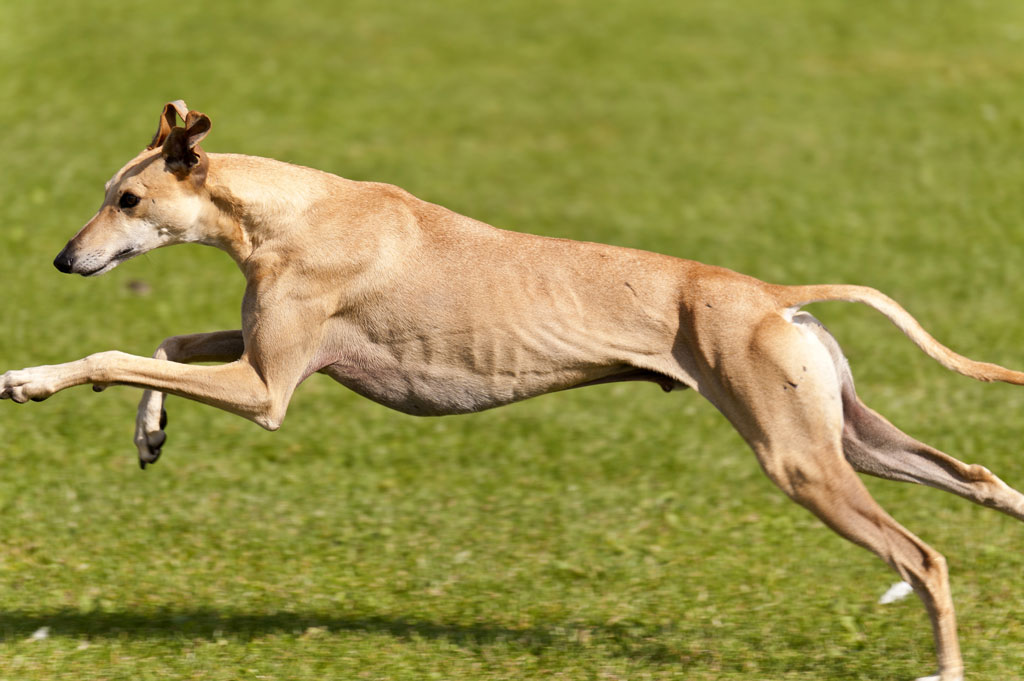
For centuries, Greyhounds were exclusively the property of the nobility, used to course hare, deer, and fox across open terrain. They hunt entirely by sight and speed rather than scent — a trait that sets them fundamentally apart from scenthounds like the Bloodhound or Beagle. This reliance on vision, combined with a flexible, double-suspension gallop that allows all four feet to leave the ground twice per stride cycle, produces speeds verified in racing contexts at up to 45 mph. That makes the Greyhound the fastest domestic dog breed and, behind only the cheetah, one of the fastest land animals on Earth.
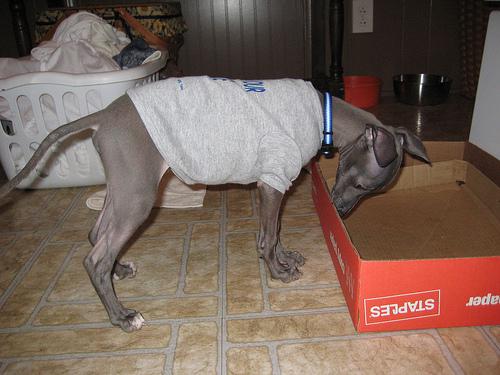
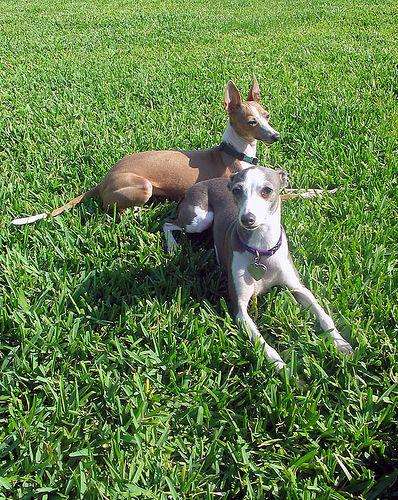
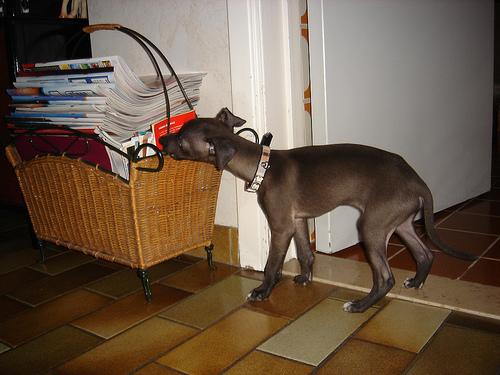
The breed is distinct from closely related sighthounds in specific ways. The Italian Greyhound, recognized as a separate breed by the AKC since 1886, is a true toy breed weighing under 15 pounds and was developed as a companion animal rather than a coursing dog. The Whippet occupies a middle ground in size and was developed in 19th-century England from Greyhound crosses. The Saluki and Borzoi share ancestry and function but were developed independently in the Middle East and Russia, respectively, and carry notably different structural proportions.
The American Kennel Club officially recognized the Greyhound in 1885, making it one of the AKC's earliest registered breeds. It is placed in the Hound Group. The Greyhound Club of America, founded in 1907, serves as the AKC parent club and maintains the breed standard. Despite its ancient pedigree and worldwide name recognition, the Greyhound ranks 118th out of 205 AKC-recognized breeds in popularity — a reflection not of the breed's quality as a companion but of how few people purchase from breeders versus adopting retired racing dogs through the extensive rescue infrastructure that exists for this breed.
At a Glance
Quick Facts
- Breed Group:
- Hound
- Bred For:
- Coursing hares
- Origin:
- Great Britain
- Life Span:
- 10 - 13 years
- Weight:
- 50 - 70 lbs
- Height:
- 27 - 30 in
💰 Greyhound Cost Guide
Food · Vet · Grooming · Insurance · Full breakdown
Frequently Asked Questions
What is the temperament of a Greyhound?
Greyhounds are known to be affectionate, gentle, intelligent, quiet, even tempered, curious, friendly, loyal, sweet, loving, playful, brave. This combination of traits makes them excellent companions for families with children. Their temperament is influenced by both genetics and proper socialization from an early age.
How much exercise does a Greyhound need?
Greyhounds have low energy levels and require minimal daily exercise, typically 15-30 minutes of gentle activity.
How often should I groom my Greyhound?
Greyhounds require intensive grooming with daily brushing and regular professional grooming sessions.
How do I train a Greyhound?
Greyhounds are highly trainable and typically respond well to positive reinforcement methods.
Are Greyhounds good with children?
Greyhounds are excellent with children. Their natural patience, gentle nature, and resilience make them outstanding family dogs. They typically form strong bonds with children and tend to be forgiving of the occasional accidental rough handling that can occur with younger kids. Remember that proper socialization and teaching children appropriate interaction with dogs are always important, regardless of breed.
What makes the Greyhound unique compared to other dog breeds?
The Greyhound stands out from other breeds due to its impressive stature and presence, rich heritage from Great Britain, specialized abilities for coursing hares. This unique combination of characteristics makes them special among dog breeds and appeals to owners who appreciate these distinct qualities. Understanding these traits helps provide appropriate care tailored to their specific needs.
What should I know before getting a Greyhound?
Before bringing a Greyhound into your home, potential owners should consider: They have relatively low exercise needs (2/5), making them suitable for less active households. Their coat requires significant maintenance (4/5) with regular grooming sessions. They typically excel in family environments with children (5/5 child-friendliness). They're typically highly trainable (4/5) and eager to learn. Their large size requires adequate living space. They may be prone to breed-specific health issues including Bloat (GDV), Osteosarcoma, Heart Disease (Arrhythmia), Anesthesia Sensitivity, Hypothyroidism, Alabama Rot (Cutaneous and Renal Glomerular Vasculopathy). Additionally, researching reputable breeders or rescue organizations is essential for finding a healthy, well-socialized Greyhound. Understanding these factors will help ensure a good match between the breed and your lifestyle, leading to a happy relationship for both you and your dog.
What were Greyhounds originally bred for?
Greyhounds were originally bred for coursing hares. As part of the Hound group, they share characteristics with other breeds developed for similar purposes. Understanding your Greyhound's breeding heritage helps explain many of their natural behaviors and instincts, which can be channeled appropriately through training and enrichment activities. Even though modern Greyhounds are primarily companions, these inherent traits remain part of their genetic makeup.
How long do Greyhounds typically live?
The average lifespan of a Greyhound is 10 - 13 years. With proper care including quality nutrition, regular veterinary check-ups, appropriate exercise, and preventative healthcare, some Greyhounds may live beyond this range. Genetics, environment, and healthcare all play important roles in determining longevity.
Are Greyhounds good apartment dogs?
Yes, Greyhounds adapt well to apartment living despite their size and speed reputation. They are low-energy indoors, spending the majority of their time sleeping — often 16 to 18 hours per day. Two to three daily walks and occasional opportunities to sprint in a securely fenced area meet their exercise needs. Their quiet temperament and low tendency to bark also make them well-suited to close-quarters living, provided they get regular outdoor time and mental stimulation.
Can Greyhounds be off-leash?
Greyhounds should not be trusted off-leash in unfenced areas. Their prey drive is strong and activates quickly, and their speed means they can cover enormous distances in seconds once they are in pursuit of a visual stimulus. Even a well-trained Greyhound with a reliable recall in controlled settings can override that training when a squirrel or rabbit triggers full chase mode. Securely fenced dog parks, enclosed lure coursing fields, and private fenced yards are appropriate venues for off-leash exercise.
Do Greyhounds get along with cats?
It depends on the individual dog. Many Greyhounds have a high prey drive toward small animals including cats, while others can coexist peacefully after a careful, structured introduction. Reputable Greyhound rescue organizations conduct formal cat tests before placement and categorize dogs as cat-safe, cat-trainable, or not appropriate for homes with small animals. If you have cats, work with a rescue organization that performs this screening rather than assuming any Greyhound will automatically adjust.
Why are Greyhounds so sensitive to anesthesia?
Greyhounds have very low body fat relative to their lean muscle mass, which affects how they metabolize certain anesthetic drugs — particularly barbiturates like thiopental, which are fat-soluble. Without adequate fat stores to absorb the drug, it remains active in the bloodstream much longer than expected, resulting in dangerously prolonged recoveries. Veterinarians experienced with sighthounds use alternative protocols, typically propofol for induction and isoflurane gas for maintenance. Owners must inform every veterinarian — including emergency vets — of this sensitivity before any procedure requiring sedation or anesthesia.
Additional Characteristics
Care Requirements
They have a low to moderate energy level and need regular but not extensive exercise.
They have high grooming needs requiring frequent brushing and regular professional grooming.
Highly trainable — quick to learn and eager to please
They are excellent with children and often form strong bonds with them.
Greyhound
Complete Breed Guide
About the Greyhound
The Greyhound is a hound breed known for its exceptional speed and athleticism, with origins that date back thousands of years, likely tracing back to ancient Egypt. Standing between 27 to 30 inches tall and weighing 50 to 70 pounds, they possess a slender, aerodynamic build with long legs and a narrow head. Greyhounds are primarily used in racing and hunting due to their speed, but they are also recognized for their gentle and affectionate temperament, making them excellent companions in a home setting. Their quiet and even-tempered nature allows them to adapt well to various living environments.
Greyhounds are known for being affectionate, gentle, intelligent, quiet, even tempered, and curious, friendly, loyal. As a low-key and calm breed, they are highly responsive to training and thrive with regular mental and physical activity. They are excellent with children of all ages and friendly with other dogs, making them a popular choice for families and experienced dog owners alike.
Caring for a Greyhound means committing to regular grooming (brushing several times a week), regular daily walks, and positive-reinforcement training. Their gentle, social nature makes them a wonderful addition to active families.
At a Glance
Quick Facts
- Breed Group:
- Hound
- Bred For:
- Coursing hares
- Origin:
- Great Britain
- Life Span:
- 10 - 13 years
- Weight:
- 50 - 70 lbs
- Height:
- 27 - 30 in
Temperament
Free Greyhound Health Guide
Greyhounds can be prone to Bloat (GDV) and other conditions. Get our owner's health checklist and monthly vet tips — free.
- ✓Greyhound-specific health warning signs
- ✓Vet visit checklist & cost tracker
- ✓Monthly breed health newsletter
Finding similar breeds...
How We Find Similar Breeds
We analyze breed characteristics including temperament, size, appearance, and care needs to identify the most similar dog breeds. This helps you discover alternatives that might be a good match for your lifestyle and preferences.
Adopt a Greyhound
Filter to show only purebred Greyhounds (excludes mixed breeds and crosses)
Find Dogs Near You
Enter your location to discover adoptable pets nearby
How to Adopt a Greyhound
Follow these steps to ensure a smooth and responsible adoption process. Remember that adopting a dog is a lifelong commitment.
Research the Breed
Learn everything you can about Greyhounds, including their temperament, exercise needs, grooming requirements, and potential health issues.
Find Reputable Sources
Look for adoptable dogs through shelters, rescue organizations, or responsible breeders. Avoid puppy mills and online scams.
Apply for Adoption
Complete an adoption application with your chosen organization. Be prepared to provide references and possibly go through a home visit.
Meet Your Potential Pet
Schedule a meeting with the dog to assess compatibility with you, your family, and any existing pets.
Prepare Your Home
Gather necessary supplies and dog-proof your home before bringing your new pet home.
1Essential Supplies
Food and water bowls, high-quality dog food, collar with ID tag, leash, bed, crate, toys, treats, grooming supplies, and cleaning products for accidents.
2Create a Safe Space
Designate an area where your dog can retreat when feeling overwhelmed. This could be a crate with comfortable bedding or a quiet corner with their bed.
3Remove Hazards
Secure or remove toxic plants, chemicals, small objects that could be swallowed, and foods that are harmful to dogs. Use baby gates if needed to restrict access to certain areas.
4Find a Veterinarian
Research and choose a veterinarian before bringing your dog home, and schedule an initial check-up shortly after adoption.
What is the dog's background and history?
Understanding a dog's past can help you anticipate potential behavior issues and provide appropriate support.
Has the dog been spayed/neutered and vaccinated?
This information is important for planning future veterinary care and understanding any immediate medical needs.
What is the dog's energy level and exercise needs?
Greyhounds typically need regular exercise to stay healthy and happy. Ask about specific exercise requirements.
Has the dog been socialized with other animals and people?
This helps you understand how the dog might interact with your family, friends, and other pets.
Are there any known behavioral or health issues?
Knowing about existing issues helps you prepare for any special care or training needs.
Special Considerations for Greyhounds
- Greyhounds may have specific health concerns that require regular monitoring.
- Consider how the typical Greyhound temperament aligns with your lifestyle.
- Research the grooming needs of Greyhounds to ensure you can commit to the required maintenance.
- Understand the exercise requirements of Greyhounds to keep them healthy and prevent behavior problems.
- Learn about proper training methods that work well with Greyhounds.
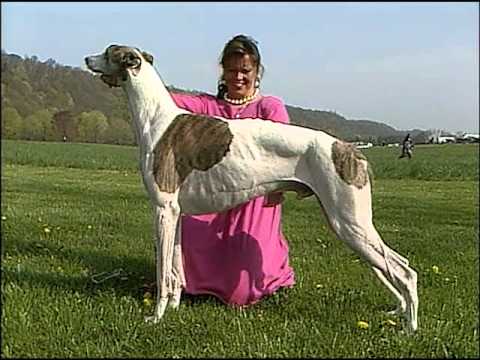 Greyhound — Official AKC Breed VideoAmerican Kennel Club
Watch the official AKC video covering temperament, history, traits, and care.
Watch on YouTube →Product Recommendations for Greyhounds
See all →Vet-reviewed picks for food, insurance, crates, brushes, treats, and toys — matched to this breed.
Compare Greyhound with Similar Breeds
See how the Greyhound stacks up against other breeds side by side.