
Griffon Bruxellois
Temperament
About the Griffon Bruxellois
The Griffon Bruxellois — known in English-speaking countries as the Brussels Griffon — is a small but structurally complex toy breed with origins rooted in the working stables of nineteenth-century Brussels. Early versions of the breed descended from a rough-coated Belgian street dog called the Smousje, a ratting dog kept by cab drivers to control vermin in horse stables. Over decades of selective crossing with imported breeds — most notably the Pug, the King Charles Spaniel, and possibly the Affenpinscher — Belgian breeders gradually transformed this utilitarian ratter into a refined companion dog with the breed's now-iconic flattened face, prominent chin, and soulful, almost human expression.
The breed gained enormous visibility when Queen Marie Henriette of Belgium became a devoted fancier in the late 1800s. Her patronage directly accelerated the breed's popularity both within Belgium and across Europe, and exports to England and the United States began in earnest around the 1890s. The American Kennel Club officially recognized the Brussels Griffon in 1910, placing it in the Toy Group where it has remained ever since. The breed is governed in the United States by the American Brussels Griffon Association, which maintains the breed standard and promotes responsible breeding practices.
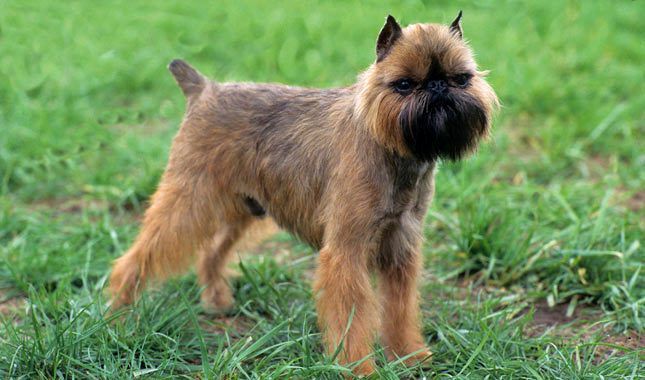
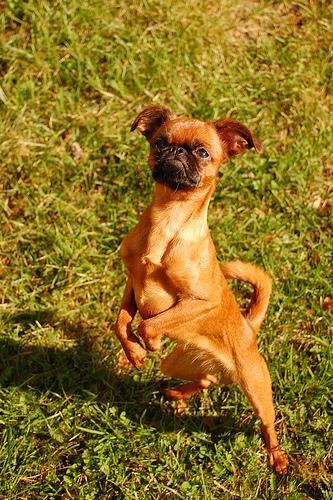
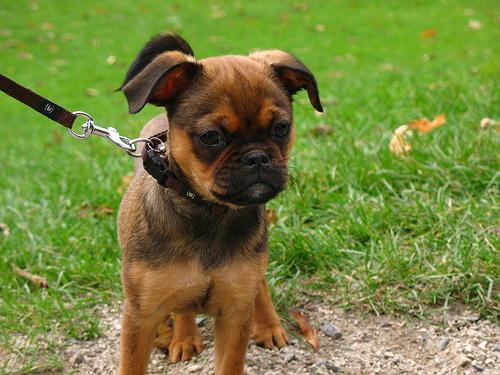
What makes the Griffon Bruxellois genuinely distinct from many companion breeds is the fact that it technically encompasses three varieties recognized under different standards depending on the country. The Griffon Bruxellois is the rough-coated red variety; the Griffon Belge shares the rough coat but comes in black, black and tan, or mixed colors; and the Petit Brabançon carries the same body type and color range but with a smooth coat — a direct inheritance from the Pug crosses in the breed's development. In the United States and under FCI standards, these three are often treated as varieties of a single breed rather than separate breeds, though the AKC standard focuses primarily on the rough-coated type.
The breed's face — broad, rounded skull, extremely short nose, and wide-set eyes framed by a wiry beard — is the trait most people recognize instantly, partly due to the breed's brief but memorable appearance in the 1997 film As Good as It Gets, which triggered a notable surge in popularity and breeding demand in the late 1990s. Today the breed sits in the middle range of AKC registration popularity, never becoming a mass-market dog, which has helped preserve a relatively tight-knit community of dedicated breeders who take the breed's specific structural and genetic challenges seriously.
At a Glance
Quick Facts
- Breed Group:
- Toy
- Bred For:
- Hunt and kill vermin in stables
- Origin:
- Belgium
- Life Span:
- 10 - 15 years
- Weight:
- 12 lbs
- Height:
- 9 - 11 in
💰 Griffon Bruxellois Cost Guide
Food · Vet · Grooming · Insurance · Full breakdown
Frequently Asked Questions
What is the temperament of a Griffon Bruxellois?
Griffon Bruxelloiss are known to be alert, companionable, watchful. This combination of traits makes them excellent watchdogs and devoted family protectors. Their temperament is influenced by both genetics and proper socialization from an early age.
How much exercise does a Griffon Bruxellois need?
Griffon Bruxelloiss are high-energy dogs requiring 60+ minutes of vigorous daily exercise and mental stimulation.
How often should I groom my Griffon Bruxellois?
Griffon Bruxelloiss require intensive grooming with daily brushing and regular professional grooming sessions.
How do I train a Griffon Bruxellois?
Griffon Bruxelloiss are highly trainable and typically respond well to positive reinforcement methods.
Are Griffon Bruxelloiss good with children?
Griffon Bruxelloiss are generally not recommended with children. They generally prefer calm, predictable environments and may become stressed by the unpredictable movements and loud sounds typical of young children. Households with older, respectful children may be more suitable. Remember that proper socialization and teaching children appropriate interaction with dogs are always important, regardless of breed.
What makes the Griffon Bruxellois unique compared to other dog breeds?
The Griffon Bruxellois stands out from other breeds due to its rich heritage from Belgium, exceptional hunting abilities. This unique combination of characteristics makes them special among dog breeds and appeals to owners who appreciate these distinct qualities. Understanding these traits helps provide appropriate care tailored to their specific needs.
What should I know before getting a Griffon Bruxellois?
Before bringing a Griffon Bruxellois into your home, potential owners should consider: They have high exercise requirements (5/5) and need an active owner. Their coat requires significant maintenance (4/5) with regular grooming sessions. They may not be ideal for families with young children (2/5 child-friendliness). They're typically highly trainable (5/5) and eager to learn. They may be prone to breed-specific health issues including Brachycephalic Syndrome, Syringomyelia, Patellar Luxation, Progressive Retinal Atrophy, Hip Dysplasia. Additionally, researching reputable breeders or rescue organizations is essential for finding a healthy, well-socialized Griffon Bruxellois. Understanding these factors will help ensure a good match between the breed and your lifestyle, leading to a happy relationship for both you and your dog.
What were Griffon Bruxelloiss originally bred for?
Griffon Bruxelloiss were originally bred for hunt and kill vermin in stables. This hunting background explains their natural prey drive, scenting abilities, and often high energy levels. As part of the Toy group, they share characteristics with other breeds developed for similar purposes. Understanding your Griffon Bruxellois's breeding heritage helps explain many of their natural behaviors and instincts, which can be channeled appropriately through training and enrichment activities. Even though modern Griffon Bruxelloiss are primarily companions, these inherent traits remain part of their genetic makeup.
How long do Griffon Bruxelloiss typically live?
The average lifespan of a Griffon Bruxellois is 10 - 15 years. With proper care including quality nutrition, regular veterinary check-ups, appropriate exercise, and preventative healthcare, some Griffon Bruxelloiss may live beyond this range. Genetics, environment, and healthcare all play important roles in determining longevity.
Are Brussels Griffons good apartment dogs?
Yes, Brussels Griffons adapt well to apartment living. They are small, have moderate exercise needs, and do not require a yard. A daily walk of twenty to thirty minutes plus indoor play is typically sufficient for an adult Griffon. However, their brachycephalic structure means they should not be exercised vigorously in hot or humid weather, and owners in warm climates need to be especially careful about overheating. They also tend to form extremely strong bonds with their owners, which means long hours alone in an apartment can cause anxiety. This breed does best when someone is home for a significant portion of the day.
Do Brussels Griffons bark a lot?
Brussels Griffons are alert dogs that will reliably notify their owners of unusual sounds or strangers, and some individuals are genuinely vocal. That said, they are not considered excessive or compulsive barkers as a rule — they are more watchful than yappy. The degree of barking varies by individual temperament and, more importantly, by how the behavior is managed from puppyhood. Dogs that receive attention or comfort in response to barking learn quickly that barking produces results. Consistent training that rewards quiet behavior and does not inadvertently reinforce alarm barking produces much quieter adult dogs.
How serious is syringomyelia in Brussels Griffons?
Syringomyelia is one of the most significant health concerns in the Brussels Griffon and should not be minimized. It results from Chiari-like Malformation, a condition in which the skull is too small for the brain, which can cause fluid-filled cavities to form along the spinal cord. Affected dogs may scratch repeatedly at the neck or shoulder, vocalize in apparent pain, or show progressive neurological symptoms. Severity ranges from subclinical cases detected only on MRI to dogs with serious pain and disability. Not every Griffon develops the condition, but the breed's rounded skull structure creates meaningful risk. MRI is the only reliable way to screen for it, and buyers should prioritize breeders who MRI test their breeding stock.
What is the difference between a Brussels Griffon and a Petit Brabançon?
The Petit Brabançon is a smooth-coated variety of the same breed that in many countries — including Belgium under FCI standards — is considered distinct from the rough-coated Griffon Bruxellois. The smooth coat is a direct result of Pug ancestry introduced during the breed's development in the nineteenth century. Both varieties share identical structure, temperament, and health profiles; the only meaningful difference is coat type and its associated grooming requirements. In the United States, the AKC recognizes both coat types under the single name Brussels Griffon, while FCI countries distinguish between the rough-coated Griffon Bruxellois, the rough-coated Griffon Belge, and the smooth-coated Petit Brabançon as three separate breeds.
Additional Characteristics
Care Requirements
They are extremely energetic dogs requiring extensive daily exercise, activities, and mental stimulation.
They have high grooming needs requiring frequent brushing and regular professional grooming.
Highly trainable — quick to learn and eager to please
They can be suitable with older, respectful children but may not be ideal for young children.
Griffon Bruxellois
Complete Breed Guide
About the Griffon Bruxellois
The Griffon Bruxellois is a small toy breed that originated in Belgium, known for its distinctive appearance featuring a short muzzle, round head, and a wiry coat. Weighing between 8 to 12 pounds and standing 9 to 11 inches tall, this breed is characterized by its self-important demeanor and alert nature. Primarily bred as a companion dog, the Griffon Bruxellois is watchful and affectionate, making it a devoted pet that thrives on human interaction. With a lifespan of 10 to 15 years, they require regular grooming and socialization to maintain their friendly disposition.
Griffon Bruxelloiss are known for being alert, companionable, watchful. As a high-energy breed, they are highly responsive to training and thrive with regular mental and physical activity. They are better suited to households without young children and friendly with other dogs, making them a popular choice for families and experienced dog owners alike.
Caring for a Griffon Bruxellois means committing to regular grooming (brushing several times a week), intense daily exercise, and firm, consistent training. They do best in structured environments with experienced dog owners.
At a Glance
Quick Facts
- Breed Group:
- Toy
- Bred For:
- Hunt and kill vermin in stables
- Origin:
- Belgium
- Life Span:
- 10 - 15 years
- Weight:
- 12 lbs
- Height:
- 9 - 11 in
Temperament
Free Griffon Bruxellois Health Guide
Griffon Bruxelloiss can be prone to Brachycephalic Syndrome and other conditions. Get our owner's health checklist and monthly vet tips — free.
- ✓Griffon Bruxellois-specific health warning signs
- ✓Vet visit checklist & cost tracker
- ✓Monthly breed health newsletter
Finding similar breeds...
How We Find Similar Breeds
We analyze breed characteristics including temperament, size, appearance, and care needs to identify the most similar dog breeds. This helps you discover alternatives that might be a good match for your lifestyle and preferences.
Explore Related Breeds & Guides
Adopt a Griffon Bruxellois
Filter to show only purebred Griffon Bruxelloiss (excludes mixed breeds and crosses)
Find Dogs Near You
Enter your location to discover adoptable pets nearby
How to Adopt a Griffon Bruxellois
Follow these steps to ensure a smooth and responsible adoption process. Remember that adopting a dog is a lifelong commitment.
Research the Breed
Learn everything you can about Griffon Bruxelloiss, including their temperament, exercise needs, grooming requirements, and potential health issues.
Find Reputable Sources
Look for adoptable dogs through shelters, rescue organizations, or responsible breeders. Avoid puppy mills and online scams.
Apply for Adoption
Complete an adoption application with your chosen organization. Be prepared to provide references and possibly go through a home visit.
Meet Your Potential Pet
Schedule a meeting with the dog to assess compatibility with you, your family, and any existing pets.
Prepare Your Home
Gather necessary supplies and dog-proof your home before bringing your new pet home.
1Essential Supplies
Food and water bowls, high-quality dog food, collar with ID tag, leash, bed, crate, toys, treats, grooming supplies, and cleaning products for accidents.
2Create a Safe Space
Designate an area where your dog can retreat when feeling overwhelmed. This could be a crate with comfortable bedding or a quiet corner with their bed.
3Remove Hazards
Secure or remove toxic plants, chemicals, small objects that could be swallowed, and foods that are harmful to dogs. Use baby gates if needed to restrict access to certain areas.
4Find a Veterinarian
Research and choose a veterinarian before bringing your dog home, and schedule an initial check-up shortly after adoption.
What is the dog's background and history?
Understanding a dog's past can help you anticipate potential behavior issues and provide appropriate support.
Has the dog been spayed/neutered and vaccinated?
This information is important for planning future veterinary care and understanding any immediate medical needs.
What is the dog's energy level and exercise needs?
Griffon Bruxelloiss typically need regular exercise to stay healthy and happy. Ask about specific exercise requirements.
Has the dog been socialized with other animals and people?
This helps you understand how the dog might interact with your family, friends, and other pets.
Are there any known behavioral or health issues?
Knowing about existing issues helps you prepare for any special care or training needs.
Special Considerations for Griffon Bruxelloiss
- Griffon Bruxelloiss may have specific health concerns that require regular monitoring.
- Consider how the typical Griffon Bruxellois temperament aligns with your lifestyle.
- Research the grooming needs of Griffon Bruxelloiss to ensure you can commit to the required maintenance.
- Understand the exercise requirements of Griffon Bruxelloiss to keep them healthy and prevent behavior problems.
- Learn about proper training methods that work well with Griffon Bruxelloiss.
Product Recommendations for Griffon Bruxelloiss
See all →Vet-reviewed picks for food, insurance, crates, brushes, treats, and toys — matched to this breed.
Compare Griffon Bruxellois with Similar Breeds
See how the Griffon Bruxellois stacks up against other breeds side by side.