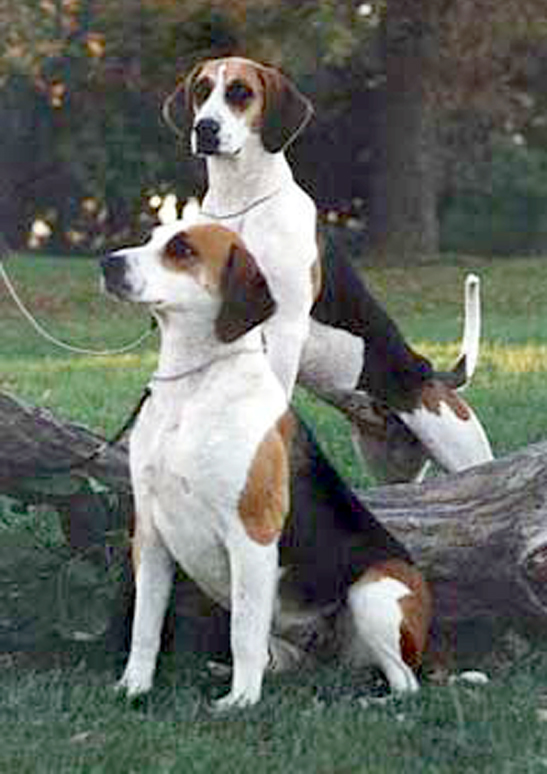
Harrier
Temperament
About the Harrier
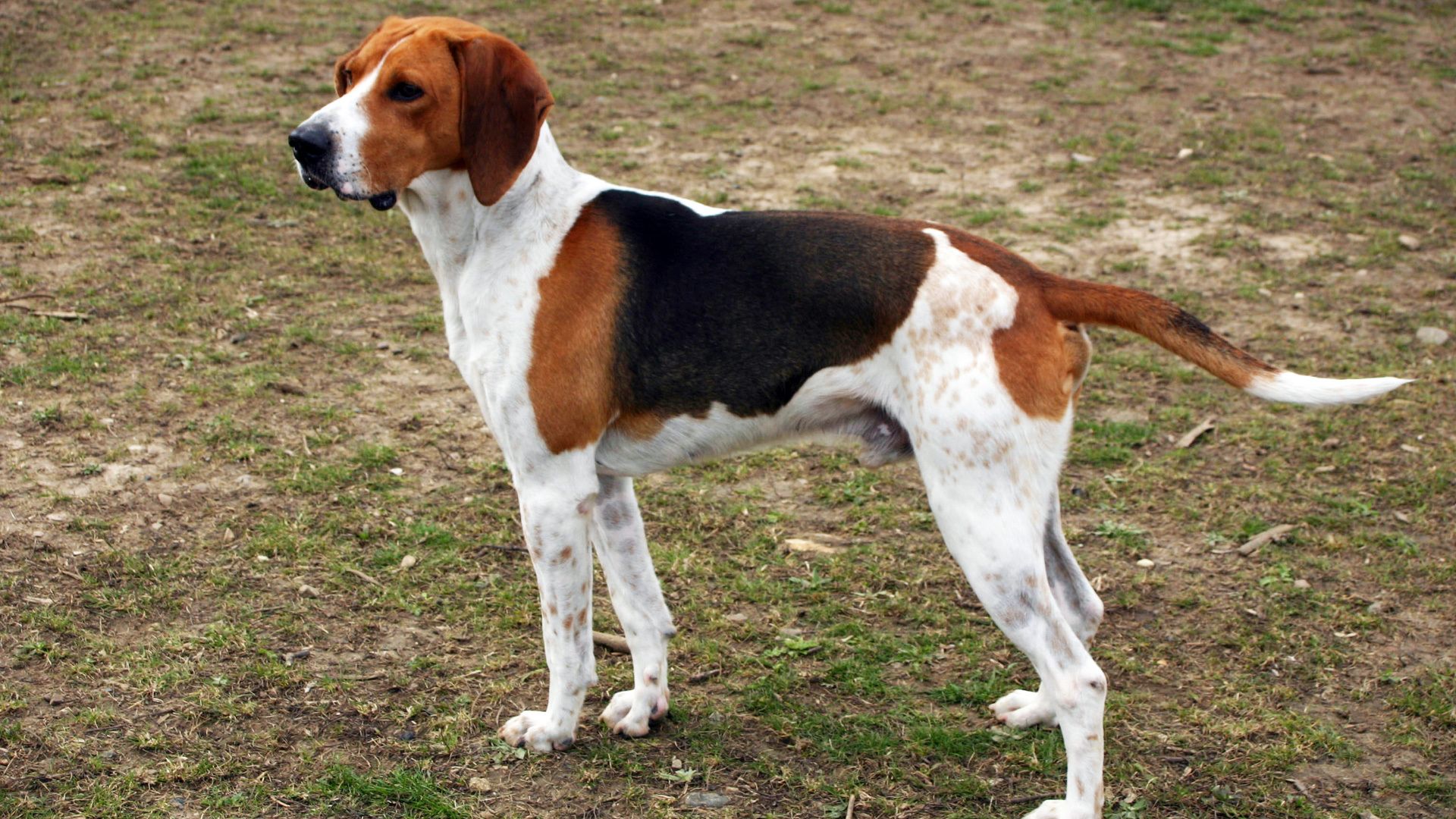
The Harrier is one of England's oldest scent hounds, with a history that becomes murky precisely because the word 'Harrier' derives from the Norman term simply meaning 'dog' or 'hound,' making early documentary records difficult to untangle. What historians can confirm is that organized packs of Harriers were being maintained in England well before the 16th century, with the Penistone pack — established by Sir Elias de Midhope in 1260 — often cited as the first recorded pack. The breed was purpose-built to hunt hare on foot, designed specifically so that hunters on foot, rather than horseback, could keep pace during the chase. This distinction shaped everything about the Harrier's construction: substantial enough to cover rough terrain for hours, yet compact enough not to outrun its handlers.
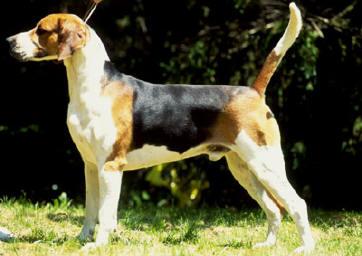
The Harrier sits squarely between its two most famous relatives — the Beagle and the English Foxhound — though it is neither a scaled-up Beagle nor a scaled-down Foxhound, despite frequent comparisons. Genetically and historically, the Harrier shares significant ancestry with the English Foxhound, and Sir Elias de Midhope is often credited with selectively breeding down from Foxhound stock to arrive at a hound better suited to hare hunting. The result is a dog that carries the Foxhound's athleticism and nose but in a more manageable frame, typically standing 19 to 21 inches at the shoulder and weighing between 40 and 60 pounds.
Harriers arrived in Colonial America during the 18th century, brought over by settlers who valued their hunting utility. Despite this long American history, the breed has never achieved mainstream popularity on this side of the Atlantic. The American Kennel Club officially recognized the Harrier in 1885, just one year after the AKC's founding, but the breed has remained stubbornly rare. As of recent AKC rankings, the Harrier sits at approximately 183rd out of 205 recognized breeds — a reflection not of any failing in the dog itself, but of the sharp decline in foot hunting culture and the rise of more fashionable companion breeds.
The Harrier Club of America serves as the breed's national parent club and works to maintain breed standards and promote responsible breeding practices. Because the breed is so rare in the United States, finding a reputable breeder often requires patience and a willingness to be placed on a waiting list. This rarity, while frustrating for prospective owners, has helped keep the Harrier's gene pool relatively protected from the commercialization that plagues more popular breeds.
At a Glance
Quick Facts
- Breed Group:
- Hound
- Bred For:
- Hunting hares by trailing them
- Origin:
- United Kingdom
- Life Span:
- 12 - 15 years
- Weight:
- 40 - 60 lbs
- Height:
- 18 - 22 in
💰 Harrier Cost Guide
Food · Vet · Grooming · Insurance · Full breakdown
Frequently Asked Questions
What is the temperament of a Harrier?
Harriers are known to be outgoing, friendly, cheerful, sweet-tempered, tolerant, active, affectionate, curious, playful, dignified, brave, gentle, independent. This combination of traits makes them excellent companions for families with children. Their temperament is influenced by both genetics and proper socialization from an early age.
How much exercise does a Harrier need?
Harriers are high-energy dogs requiring 60+ minutes of vigorous daily exercise and mental stimulation.
How often should I groom my Harrier?
Harriers require minimal grooming with weekly brushing and occasional baths.
How do I train a Harrier?
Harriers are highly trainable and typically respond well to positive reinforcement methods.
Are Harriers good with children?
Harriers are excellent with children. Their natural patience, gentle nature, and resilience make them outstanding family dogs. They typically form strong bonds with children and tend to be forgiving of the occasional accidental rough handling that can occur with younger kids. Remember that proper socialization and teaching children appropriate interaction with dogs are always important, regardless of breed.
What makes the Harrier unique compared to other dog breeds?
The Harrier stands out from other breeds due to its dignified appearance and bearing, rich heritage from United Kingdom, exceptional hunting abilities. This unique combination of characteristics makes them special among dog breeds and appeals to owners who appreciate these distinct qualities. Understanding these traits helps provide appropriate care tailored to their specific needs.
What should I know before getting a Harrier?
Before bringing a Harrier into your home, potential owners should consider: They have high exercise requirements (4/5) and need an active owner. Their coat is relatively low-maintenance (2/5). They typically excel in family environments with children (5/5 child-friendliness). They're typically highly trainable (4/5) and eager to learn. They may be prone to breed-specific health issues including Hip Dysplasia, Epilepsy, Ear Infections, Eye Conditions. Additionally, researching reputable breeders or rescue organizations is essential for finding a healthy, well-socialized Harrier. Understanding these factors will help ensure a good match between the breed and your lifestyle, leading to a happy relationship for both you and your dog.
What were Harriers originally bred for?
Harriers were originally bred for hunting hares by trailing them. This hunting background explains their natural prey drive, scenting abilities, and often high energy levels. As part of the Hound group, they share characteristics with other breeds developed for similar purposes. Understanding your Harrier's breeding heritage helps explain many of their natural behaviors and instincts, which can be channeled appropriately through training and enrichment activities. Even though modern Harriers are primarily companions, these inherent traits remain part of their genetic makeup.
How long do Harriers typically live?
The average lifespan of a Harrier is 12 - 15 years. With proper care including quality nutrition, regular veterinary check-ups, appropriate exercise, and preventative healthcare, some Harriers may live beyond this range. Genetics, environment, and healthcare all play important roles in determining longevity.
Are Harrier dogs good family pets?
Harriers can be excellent family dogs, but they are better suited to active families than sedentary ones. The breed is naturally cheerful, tolerant, and affectionate with children, and their pack-oriented history means they typically get along well with other dogs. However, their high energy level and strong prey drive mean they need consistent daily exercise — at minimum 60 to 90 minutes — and a securely fenced yard. Families who can meet those needs will find the Harrier to be a friendly, entertaining, and loyal companion. Families looking for a low-key lap dog should look elsewhere.
How much exercise does a Harrier need every day?
Harriers are working hounds bred for endurance, and their exercise needs reflect that history. Most Harriers need at least one to two hours of vigorous exercise daily, and that exercise should be more than a casual neighborhood walk. Running, hiking, fetch in a large enclosed space, or scent-based activities like tracking and nose work are all appropriate outlets. A Harrier that does not get sufficient physical and mental exercise will channel that energy into destructive behaviors — excessive vocalization, chewing, or finding creative ways to escape. Off-leash exercise should only occur in fully fenced areas, as their scent drive overrides recall reliably.
Is a Harrier hard to train?
Harriers are intelligent dogs that are capable of learning a great deal, but their training requires patience and an understanding of hound instincts. The breed's independent thinking — an asset in the hunting field — means they don't respond to commands with the reflexive compliance of a herding or sporting breed. Harsh corrections tend to cause shutdown rather than improvement. The most effective training approach uses high-value food rewards, short and engaging sessions, and consistent positive reinforcement. Recall training should be reinforced constantly but never fully trusted off-leash in open areas. First-time dog owners can successfully train a Harrier, but working with a trainer experienced in hound breeds is strongly recommended.
How rare is the Harrier dog breed?
The Harrier is genuinely rare in the United States. The AKC ranks it at approximately 183rd out of 205 recognized breeds, which means far fewer Harriers are registered annually than virtually any other recognized breed. This rarity is largely a product of the breed's specialized hunting history — demand for foot-hunting hounds has declined sharply since the breed's 19th century heyday. In practical terms, this means finding a reputable Harrier breeder may require joining a waiting list, and finding a Harrier through rescue is equally challenging since they often enter the shelter system misidentified as oversized Beagles. Contacting the Harrier Club of America is the most reliable starting point for either path.
Additional Characteristics
Care Requirements
They are high-energy dogs that need significant daily exercise and mental stimulation.
They need regular but basic grooming such as weekly brushing.
Highly trainable — quick to learn and eager to please
They are excellent with children and often form strong bonds with them.
Harrier
Complete Breed Guide
About the Harrier
The Harrier is a medium-sized hound breed that originated in the United Kingdom, primarily developed for hunting hares. They typically weigh between 40 to 60 pounds and stand 18 to 22 inches tall, characterized by a muscular build, long ears, and a short, dense coat. Known for their outgoing and friendly temperament, Harriers are active and playful, making them excellent companions for families and individuals who enjoy outdoor activities. Their independent nature and strong hunting instincts also make them skilled scent hounds.
Harriers are known for being outgoing, friendly, cheerful, sweet-tempered, tolerant, and active, affectionate, curious. As a high-energy breed, they are highly responsive to training and thrive with regular mental and physical activity. They are excellent with children of all ages and friendly with other dogs, making them a popular choice for families and experienced dog owners alike.
Caring for a Harrier means committing to minimal grooming — a quick brush once a week is usually enough, vigorous daily exercise, and consistent training from an early age. Their gentle, social nature makes them a wonderful addition to active families.
At a Glance
Quick Facts
- Breed Group:
- Hound
- Bred For:
- Hunting hares by trailing them
- Origin:
- United Kingdom
- Life Span:
- 12 - 15 years
- Weight:
- 40 - 60 lbs
- Height:
- 18 - 22 in
Temperament
Free Harrier Health Guide
Harriers can be prone to Hip Dysplasia and other conditions. Get our owner's health checklist and monthly vet tips — free.
- ✓Harrier-specific health warning signs
- ✓Vet visit checklist & cost tracker
- ✓Monthly breed health newsletter
Finding similar breeds...
How We Find Similar Breeds
We analyze breed characteristics including temperament, size, appearance, and care needs to identify the most similar dog breeds. This helps you discover alternatives that might be a good match for your lifestyle and preferences.
Adopt a Harrier
Filter to show only purebred Harriers (excludes mixed breeds and crosses)
Find Dogs Near You
Enter your location to discover adoptable pets nearby
How to Adopt a Harrier
Follow these steps to ensure a smooth and responsible adoption process. Remember that adopting a dog is a lifelong commitment.
Research the Breed
Learn everything you can about Harriers, including their temperament, exercise needs, grooming requirements, and potential health issues.
Find Reputable Sources
Look for adoptable dogs through shelters, rescue organizations, or responsible breeders. Avoid puppy mills and online scams.
Apply for Adoption
Complete an adoption application with your chosen organization. Be prepared to provide references and possibly go through a home visit.
Meet Your Potential Pet
Schedule a meeting with the dog to assess compatibility with you, your family, and any existing pets.
Prepare Your Home
Gather necessary supplies and dog-proof your home before bringing your new pet home.
1Essential Supplies
Food and water bowls, high-quality dog food, collar with ID tag, leash, bed, crate, toys, treats, grooming supplies, and cleaning products for accidents.
2Create a Safe Space
Designate an area where your dog can retreat when feeling overwhelmed. This could be a crate with comfortable bedding or a quiet corner with their bed.
3Remove Hazards
Secure or remove toxic plants, chemicals, small objects that could be swallowed, and foods that are harmful to dogs. Use baby gates if needed to restrict access to certain areas.
4Find a Veterinarian
Research and choose a veterinarian before bringing your dog home, and schedule an initial check-up shortly after adoption.
What is the dog's background and history?
Understanding a dog's past can help you anticipate potential behavior issues and provide appropriate support.
Has the dog been spayed/neutered and vaccinated?
This information is important for planning future veterinary care and understanding any immediate medical needs.
What is the dog's energy level and exercise needs?
Harriers typically need regular exercise to stay healthy and happy. Ask about specific exercise requirements.
Has the dog been socialized with other animals and people?
This helps you understand how the dog might interact with your family, friends, and other pets.
Are there any known behavioral or health issues?
Knowing about existing issues helps you prepare for any special care or training needs.
Special Considerations for Harriers
- Harriers may have specific health concerns that require regular monitoring.
- Consider how the typical Harrier temperament aligns with your lifestyle.
- Research the grooming needs of Harriers to ensure you can commit to the required maintenance.
- Understand the exercise requirements of Harriers to keep them healthy and prevent behavior problems.
- Learn about proper training methods that work well with Harriers.
Product Recommendations for Harriers
See all →Vet-reviewed picks for food, insurance, crates, brushes, treats, and toys — matched to this breed.
Compare Harrier with Similar Breeds
See how the Harrier stacks up against other breeds side by side.