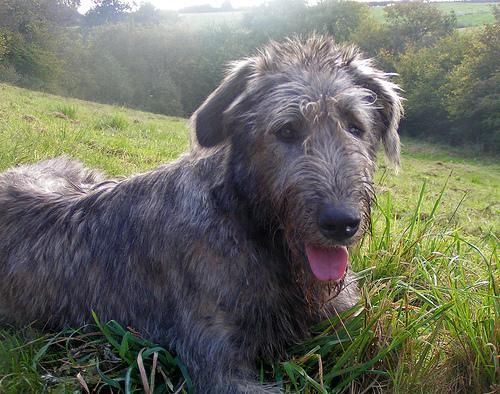
Irish Wolfhound
Temperament
About the Irish Wolfhound
The Irish Wolfhound — Cú Faoil in Irish — is one of the oldest and most historically documented dog breeds in existence. The first written record of the breed appears in a letter from the Roman consul Quintus Aurelius Symmachus in 391 AD, who described receiving seven Irish hounds as a gift and noted that all of Rome marveled at them. For centuries, these dogs were the exclusive property of Irish kings and nobles — the number of hounds a man could own was legally tied to his rank, and they were frequently exchanged as diplomatic gifts between rulers across Europe. Their working purpose was formidable: they were used to hunt Irish elk, wild boar, and ultimately the Irish wolf, which they helped drive to extinction in Ireland by the late 1700s.
With their primary quarry gone, the breed itself fell into steep decline throughout the 18th and early 19th centuries. By the 1860s, the Irish Wolfhound was nearly extinct. The breed owes its survival almost entirely to Captain George Augustus Graham, a Scottish officer who began a systematic restoration program around 1869. Graham crossed the remnant Irish Wolfhound stock with Scottish Deerhounds, Great Danes, and reportedly some Borzoi to rebuild the breed's size and constitution. He founded the Irish Wolfhound Club in 1885, and the breed standard established under his direction remains the foundation for what we recognize today.
The American Kennel Club recognized the Irish Wolfhound in 1897, placing it in the Hound Group. The Irish Wolfhound Club of America, founded in 1927, serves as the AKC parent club and maintains breed standards, health initiatives, and rescue coordination in the United States. In Ireland, the breed carries ceremonial national significance — since 1902, an Irish Wolfhound has served as the official regimental mascot of the Irish Guards of the British Army.
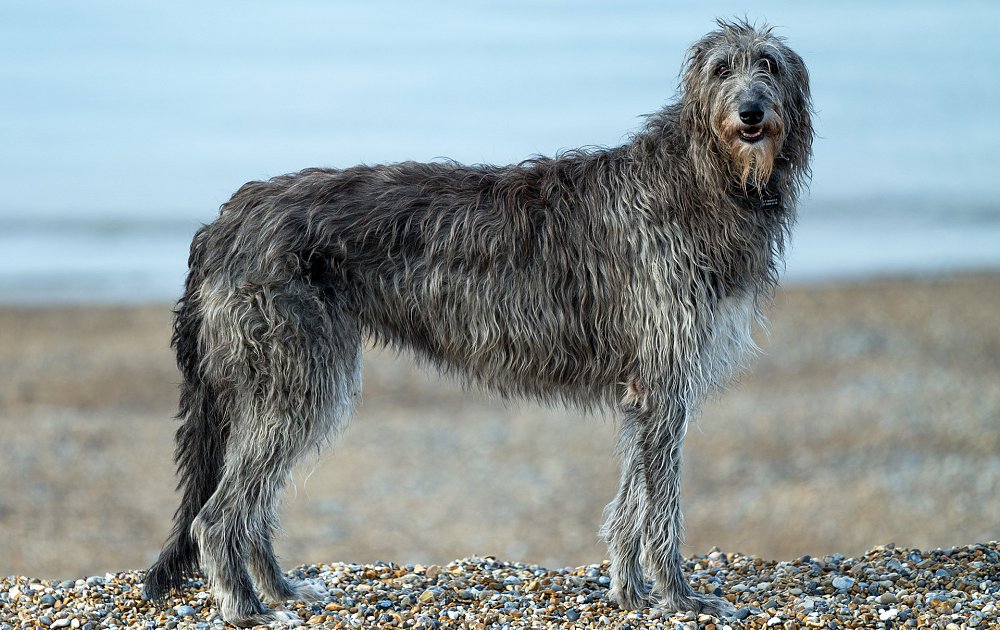
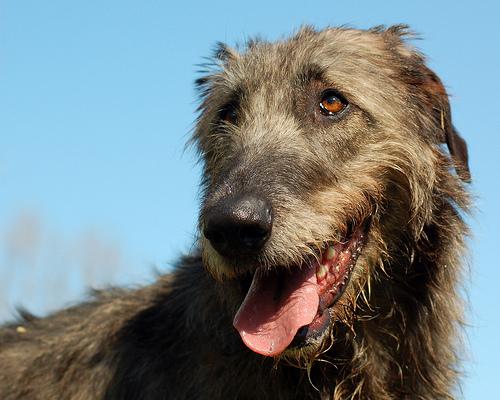
What distinguishes the Irish Wolfhound from related sighthound breeds is the combination of sheer size and temperament. The Scottish Deerhound, one of its closest relatives, shares the rough wiry coat and lean frame, but the Wolfhound is substantially larger and more heavily muscled. Greyhounds are faster but markedly smaller and more high-strung. The Irish Wolfhound stands a minimum of 32 inches at the shoulder for males and carries between 120 and 180 pounds on a large-boned, muscular frame that projects both power and quiet authority. Despite being the tallest AKC-recognized breed, the Irish Wolfhound is defined not by aggression or intensity but by a remarkable gentleness that has made the phrase "gentle giant" feel almost custom-built for this dog.
At a Glance
Quick Facts
- Breed Group:
- Hound
- Bred For:
- Coursing wolves, elk
- Origin:
- Ireland
- Life Span:
- 6 - 8 years
- Weight:
- 105 - 180 lbs
- Height:
- 30 - 35 in
💰 Irish Wolfhound Cost Guide
Food · Vet · Grooming · Insurance · Full breakdown
Frequently Asked Questions
What is the temperament of a Irish Wolfhound?
Irish Wolfhounds are known to be sweet-tempered, loyal, dignified, patient, thoughtful, generous, affectionate, curious, friendly, playful, protective, gentle. This combination of traits makes them excellent companions for families with children. Their temperament is influenced by both genetics and proper socialization from an early age.
How much exercise does a Irish Wolfhound need?
Irish Wolfhounds are high-energy dogs requiring 60+ minutes of vigorous daily exercise and mental stimulation.
How often should I groom my Irish Wolfhound?
Irish Wolfhounds need moderate grooming including brushing 2-3 times weekly and regular maintenance.
How do I train a Irish Wolfhound?
Irish Wolfhounds have moderate trainability and benefit from consistent, positive training approaches.
Are Irish Wolfhounds good with children?
Irish Wolfhounds are excellent with children. Their natural patience, gentle nature, and resilience make them outstanding family dogs. They typically form strong bonds with children and tend to be forgiving of the occasional accidental rough handling that can occur with younger kids. Remember that proper socialization and teaching children appropriate interaction with dogs are always important, regardless of breed.
What makes the Irish Wolfhound unique compared to other dog breeds?
The Irish Wolfhound stands out from other breeds due to its impressive stature and presence, dignified appearance and bearing, rich heritage from Ireland, specialized abilities for coursing wolves, elk. This unique combination of characteristics makes them special among dog breeds and appeals to owners who appreciate these distinct qualities. Understanding these traits helps provide appropriate care tailored to their specific needs.
What should I know before getting a Irish Wolfhound?
Before bringing a Irish Wolfhound into your home, potential owners should consider: They have high exercise requirements (4/5) and need an active owner. They typically excel in family environments with children (5/5 child-friendliness). Their large size requires adequate living space. They may be prone to breed-specific health issues including Dilated Cardiomyopathy, Osteosarcoma, Bloat (GDV), Pneumocystis Pneumonia, Hip Dysplasia, Progressive Retinal Atrophy. Additionally, researching reputable breeders or rescue organizations is essential for finding a healthy, well-socialized Irish Wolfhound. Understanding these factors will help ensure a good match between the breed and your lifestyle, leading to a happy relationship for both you and your dog.
What were Irish Wolfhounds originally bred for?
Irish Wolfhounds were originally bred for coursing wolves, elk. As part of the Hound group, they share characteristics with other breeds developed for similar purposes. Understanding your Irish Wolfhound's breeding heritage helps explain many of their natural behaviors and instincts, which can be channeled appropriately through training and enrichment activities. Even though modern Irish Wolfhounds are primarily companions, these inherent traits remain part of their genetic makeup.
How long do Irish Wolfhounds typically live?
The average lifespan of a Irish Wolfhound is 6 - 8 years. With proper care including quality nutrition, regular veterinary check-ups, appropriate exercise, and preventative healthcare, some Irish Wolfhounds may live beyond this range. Genetics, environment, and healthcare all play important roles in determining longevity.
How long do Irish Wolfhounds live and why is their lifespan so short?
Irish Wolfhounds have an average lifespan of 6 to 8 years, which is among the shortest of any recognized breed. The abbreviated lifespan is primarily driven by the breed's high rates of dilated cardiomyopathy and osteosarcoma — two conditions that are both common and difficult to treat successfully. Dilated cardiomyopathy progressively weakens the heart muscle and is the leading cause of death in the breed, with many dogs diagnosed between ages four and seven. Osteosarcoma, an aggressive bone cancer, strikes Wolfhounds at a higher rate than most breeds due in part to their large skeletal mass. Giant breeds as a group tend to have shorter lifespans than smaller breeds, but the Irish Wolfhound's specific disease burden compresses their lifespan further than size alone would predict. Proactive cardiac screening and early cancer detection can improve quality of life and in some cases extend it modestly, but owners should enter the relationship with clear-eyed awareness that a decade with this dog is an exceptional outcome, not an expectation.
Are Irish Wolfhounds good with children and other pets?
Irish Wolfhounds are generally excellent with children — they are patient, gentle, and not prone to snapping or guarding behavior. However, their size creates a practical safety concern with very young children. A Wolfhound that is simply walking through a room or expressing excitement by leaning can knock over a toddler without any intent to harm. Supervision with children under six is essential, and teaching both the dog and the child how to interact safely is the owner's responsibility. With older children who understand how to respect a dog's space, Wolfhounds tend to be devoted and tolerant companions. With other dogs, most Wolfhounds are social and non-confrontational — they were historically used in packs and generally coexist well with other large dogs. Small animals, including cats, rabbits, and small dogs, require careful introduction and ongoing caution. The breed's sighthound instinct to chase fast-moving small animals is real, and while many individual Wolfhounds live peacefully with cats they were raised with, the combination of a new small animal and an adult Wolfhound's prey drive should never be taken for granted.
How much exercise does an Irish Wolfhound need daily?
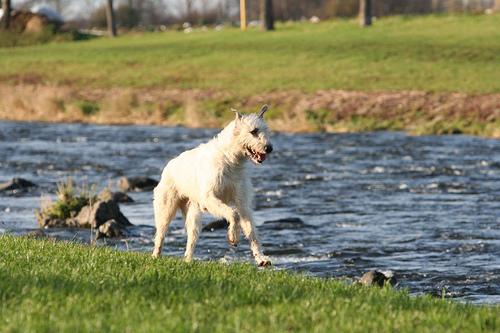
Despite their imposing size, Irish Wolfhounds have a moderate energy level and do not require the intense daily exercise of herding or working breeds. Two 30-minute walks per day, combined with access to a large securely fenced yard for free movement, is adequate for most adults. The breed is a sprinter rather than an endurance athlete — they can reach speeds exceeding 30 miles per hour in short bursts, but they are not built for sustained jogging at the pace of a human runner over long distances. Puppies have specific exercise restrictions: high-impact activity, sustained running, and jumping should all be limited until growth plates close, which in a giant breed like the Irish Wolfhound does not fully occur until around 18 to 24 months. Over-exercising a Wolfhound puppy contributes to joint damage and developmental bone problems. A fenced yard is strongly recommended because off-leash recall in open areas is unreliable due to the breed's sighthound chase instinct — once a Wolfhound locks onto something moving at a distance, verbal commands often fail to register.
What should I look for in an Irish Wolfhound breeder?
A responsible Irish Wolfhound breeder will be affiliated with the Irish Wolfhound Club of America and will perform specific health testing on both parents before breeding — not just a general vet checkup, but an echocardiogram performed by a board-certified veterinary cardiologist to screen for dilated cardiomyopathy, OFA hip evaluations, and a CAER eye exam. Ask to see documentation of these results, not just verbal assurances. The breeder should have a CHIC number on file for their breeding dogs through the Orthopedic Foundation for Animals, which confirms minimum health testing requirements were met. Ask about the cause of death in their previous litters' dogs as they aged — a breeder who tracks this and answers honestly is demonstrating the kind of long-term commitment the breed requires. Be cautious of breeders who have puppies always available, who advertise on general pet marketplace sites without health testing documentation, or who are unwilling to let you visit and meet the dam in person. Expect a wait — responsible litters from health-tested parents are planned carefully and may have waitlists of six months to a year.
Additional Characteristics
Care Requirements
They are high-energy dogs that need significant daily exercise and mental stimulation.
They need moderate grooming, including regular brushing and occasional professional care.
Moderately trainable with consistent methods
They are excellent with children and often form strong bonds with them.
Irish Wolfhound
Complete Breed Guide
About the Irish Wolfhound
The Irish Wolfhound is one of the tallest dog breeds, originally bred in Ireland for hunting wolves and other large game. Males typically stand between 32 to 35 inches at the shoulder and weigh between 140 to 180 pounds, while females are slightly smaller. Known for their sweet temperament and loyalty, these gentle giants are affectionate and protective, making them excellent family companions. Despite their size, they are known to be patient and playful, thriving on companionship and exercise. The breed has a lifespan of 6 to 8 years.
Irish Wolfhounds are known for being sweet-tempered, loyal, dignified, patient, thoughtful, and generous, affectionate, curious. As a high-energy breed, they are moderately trainable and thrive with regular mental and physical activity. They are excellent with children of all ages and friendly with other dogs, making them a popular choice for families and experienced dog owners alike.
Caring for a Irish Wolfhound means committing to moderate grooming every week or two, vigorous daily exercise, and consistent training from an early age. Their gentle, social nature makes them a wonderful addition to active families.
At a Glance
Quick Facts
- Breed Group:
- Hound
- Bred For:
- Coursing wolves, elk
- Origin:
- Ireland
- Life Span:
- 6 - 8 years
- Weight:
- 105 - 180 lbs
- Height:
- 30 - 35 in
Temperament
Free Irish Wolfhound Health Guide
Irish Wolfhounds can be prone to Dilated Cardiomyopathy and other conditions. Get our owner's health checklist and monthly vet tips — free.
- ✓Irish Wolfhound-specific health warning signs
- ✓Vet visit checklist & cost tracker
- ✓Monthly breed health newsletter
Finding similar breeds...
How We Find Similar Breeds
We analyze breed characteristics including temperament, size, appearance, and care needs to identify the most similar dog breeds. This helps you discover alternatives that might be a good match for your lifestyle and preferences.
Explore Related Breeds & Guides
Adopt a Irish Wolfhound
Filter to show only purebred Irish Wolfhounds (excludes mixed breeds and crosses)
Find Dogs Near You
Enter your location to discover adoptable pets nearby
How to Adopt a Irish Wolfhound
Follow these steps to ensure a smooth and responsible adoption process. Remember that adopting a dog is a lifelong commitment.
Research the Breed
Learn everything you can about Irish Wolfhounds, including their temperament, exercise needs, grooming requirements, and potential health issues.
Find Reputable Sources
Look for adoptable dogs through shelters, rescue organizations, or responsible breeders. Avoid puppy mills and online scams.
Apply for Adoption
Complete an adoption application with your chosen organization. Be prepared to provide references and possibly go through a home visit.
Meet Your Potential Pet
Schedule a meeting with the dog to assess compatibility with you, your family, and any existing pets.
Prepare Your Home
Gather necessary supplies and dog-proof your home before bringing your new pet home.
1Essential Supplies
Food and water bowls, high-quality dog food, collar with ID tag, leash, bed, crate, toys, treats, grooming supplies, and cleaning products for accidents.
2Create a Safe Space
Designate an area where your dog can retreat when feeling overwhelmed. This could be a crate with comfortable bedding or a quiet corner with their bed.
3Remove Hazards
Secure or remove toxic plants, chemicals, small objects that could be swallowed, and foods that are harmful to dogs. Use baby gates if needed to restrict access to certain areas.
4Find a Veterinarian
Research and choose a veterinarian before bringing your dog home, and schedule an initial check-up shortly after adoption.
What is the dog's background and history?
Understanding a dog's past can help you anticipate potential behavior issues and provide appropriate support.
Has the dog been spayed/neutered and vaccinated?
This information is important for planning future veterinary care and understanding any immediate medical needs.
What is the dog's energy level and exercise needs?
Irish Wolfhounds typically need regular exercise to stay healthy and happy. Ask about specific exercise requirements.
Has the dog been socialized with other animals and people?
This helps you understand how the dog might interact with your family, friends, and other pets.
Are there any known behavioral or health issues?
Knowing about existing issues helps you prepare for any special care or training needs.
Special Considerations for Irish Wolfhounds
- Irish Wolfhounds may have specific health concerns that require regular monitoring.
- Consider how the typical Irish Wolfhound temperament aligns with your lifestyle.
- Research the grooming needs of Irish Wolfhounds to ensure you can commit to the required maintenance.
- Understand the exercise requirements of Irish Wolfhounds to keep them healthy and prevent behavior problems.
- Learn about proper training methods that work well with Irish Wolfhounds.
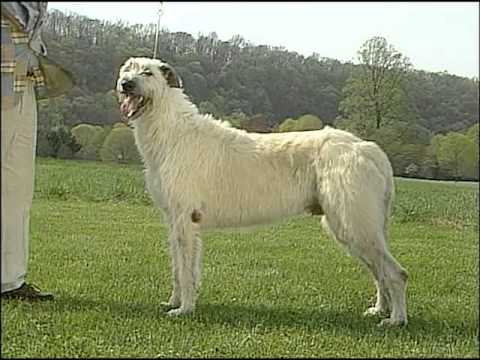 Irish Wolfhound — Official AKC Breed VideoAmerican Kennel Club
Watch the official AKC video covering temperament, history, traits, and care.
Watch on YouTube →Product Recommendations for Irish Wolfhounds
See all →Vet-reviewed picks for food, insurance, crates, brushes, treats, and toys — matched to this breed.
Compare Irish Wolfhound with Similar Breeds
See how the Irish Wolfhound stacks up against other breeds side by side.