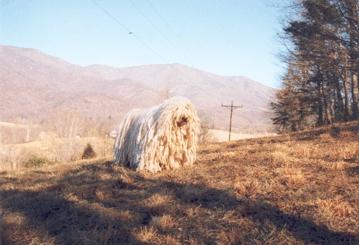
Komondor
Temperament
About the Komondor
The Komondor is one of the oldest and most visually striking livestock guardian breeds in existence, with roots stretching back to the Cumans — a nomadic Turkic people who migrated into Hungary during the 12th and 13th centuries, bringing their large, white herding dogs with them. The earliest known written record of the breed appears in a Hungarian codex dated 1544, though the dogs themselves almost certainly predate that documentation by centuries. These animals were purpose-built for a single, demanding job: guarding flocks of sheep and cattle on the vast Hungarian plains against wolves, bears, and human thieves — without human direction. That independent decision-making mandate is not incidental to the Komondor's character; it is the entire foundation of it.
Hungary has declared the Komondor a national treasure, and the breed is legally protected from modification. The Komondor Club of America, founded in 1967, serves as the official AKC parent club for the breed in the United States. The AKC recognized the Komondor in 1937, placing it in the Working Group, where it remains today. Despite that long recognition history, the breed ranks 186th out of 205 AKC-recognized breeds in popularity — a reflection of how genuinely demanding this dog is to own, not of any deficiency in the breed itself.
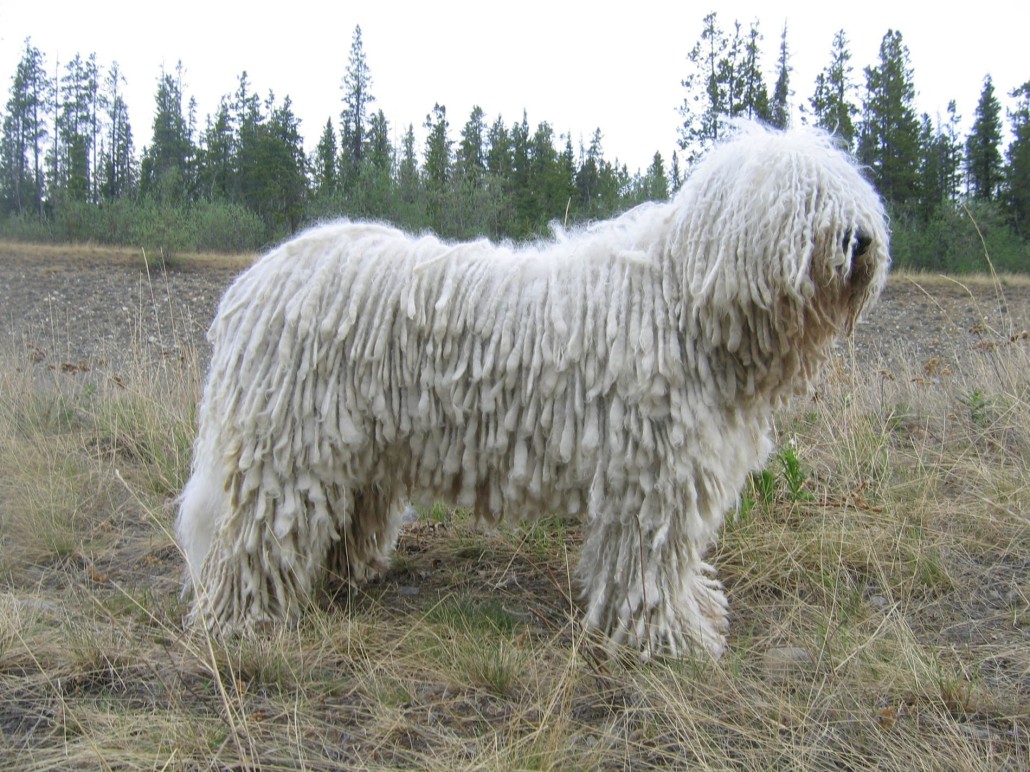
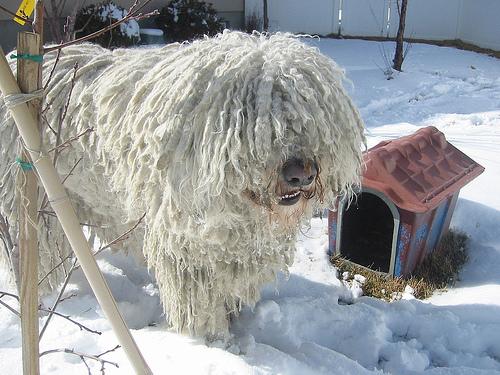
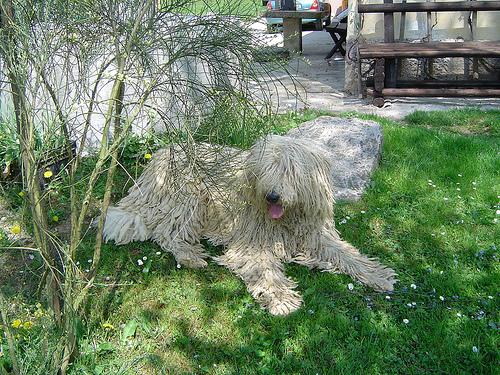
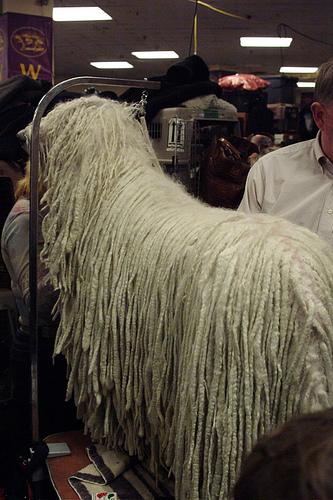
What separates the Komondor from other white livestock guardian breeds — the Anatolian Shepherd, the Great Pyrenees, the Kangal — is primarily the coat. No other working breed develops the dense, natural cords that define the Komondor's appearance. Puppies are born with a soft, fluffy white coat that begins corking and corded naturally between nine months and two years of age. The cords serve a functional purpose: they insulate against extreme cold, shed water, and historically provided physical protection against predator bites. A fully corded adult Komondor carries a coat that can weigh as much as 15 pounds on its own.
The plural form of Komondor in Hungarian is Komondorok — a distinction enthusiasts and breed clubs take seriously. In structure, the Komondor is a large, heavily muscled dog, with males standing a minimum of 27.5 inches at the withers and weighing over 100 pounds. Females are only slightly smaller. The breed's expression is calm and watchful rather than hyperactive, and even in repose there is a sense of latent power and readiness. This is not a dog that was developed as a companion animal and later adapted for working roles — it was built from the ground up as a serious working guardian, and every aspect of its anatomy and temperament reflects that original purpose.
At a Glance
Quick Facts
- Breed Group:
- Working
- Bred For:
- Sheep guardian
- Origin:
- Hungary
- Life Span:
- 10 - 12 years
- Weight:
- 80 - 100 lbs
- Height:
- 25.5 - 27.5 in
💰 Komondor Cost Guide
Food · Vet · Grooming · Insurance · Full breakdown
Frequently Asked Questions
What is the temperament of a Komondor?
Komondors are known to be steady, fearless, affectionate, independent, gentle, calm. This combination of traits makes them wonderful companions for most households. Their temperament is influenced by both genetics and proper socialization from an early age.
How much exercise does a Komondor need?
Komondors are high-energy dogs requiring 60+ minutes of vigorous daily exercise and mental stimulation.
How often should I groom my Komondor?
Komondors need moderate grooming including brushing 2-3 times weekly and regular maintenance.
How do I train a Komondor?
Komondors are highly trainable and typically respond well to positive reinforcement methods.
Are Komondors good with children?
Komondors are moderately good with children. They can adapt well to family life when properly socialized with children. Teaching children to respect the dog's boundaries and supervising interactions will help ensure a positive relationship. Remember that proper socialization and teaching children appropriate interaction with dogs are always important, regardless of breed.
What makes the Komondor unique compared to other dog breeds?
The Komondor stands out from other breeds due to its rich heritage from Hungary, natural protective instincts. This unique combination of characteristics makes them special among dog breeds and appeals to owners who appreciate these distinct qualities. Understanding these traits helps provide appropriate care tailored to their specific needs.
What should I know before getting a Komondor?
Before bringing a Komondor into your home, potential owners should consider: They have high exercise requirements (4/5) and need an active owner. They're typically highly trainable (5/5) and eager to learn. Their large size requires adequate living space. They may be prone to breed-specific health issues including Hip Dysplasia, Bloat (GDV), Cataracts, Skin Conditions. Additionally, researching reputable breeders or rescue organizations is essential for finding a healthy, well-socialized Komondor. Understanding these factors will help ensure a good match between the breed and your lifestyle, leading to a happy relationship for both you and your dog.
What were Komondors originally bred for?
Komondors were originally bred for sheep guardian. This protective background explains their naturally alert, territorial nature and sometimes reserved attitude toward strangers. As part of the Working group, they share characteristics with other breeds developed for similar purposes. Understanding your Komondor's breeding heritage helps explain many of their natural behaviors and instincts, which can be channeled appropriately through training and enrichment activities. Even though modern Komondors are primarily companions, these inherent traits remain part of their genetic makeup.
How long do Komondors typically live?
The average lifespan of a Komondor is 10 - 12 years. With proper care including quality nutrition, regular veterinary check-ups, appropriate exercise, and preventative healthcare, some Komondors may live beyond this range. Genetics, environment, and healthcare all play important roles in determining longevity.
How long does it take for a Komondor's coat to fully cord?
A Komondor is born with a soft, fluffy white puppy coat that begins transitioning into cords between nine months and two years of age. The corking process starts naturally, but owners must actively separate the developing cords by hand to prevent large mats from forming. Full, well-defined cords reaching mature length typically develop by three to four years of age. A completely corded adult coat can weigh up to 15 pounds on its own and takes 24 to 48 hours to dry thoroughly after bathing.
Are Komondors good family dogs with children?
Komondorok that are properly socialized from puppyhood can be affectionate and gentle with the children in their household, often treating them as part of the flock they are instinctively wired to protect. However, their guardian instincts mean they may be suspicious of children's friends or unfamiliar kids entering the home. They are large, powerful dogs that can knock over small children unintentionally. This is not a breed that tolerates roughhousing well, and all interactions with young children should be supervised. They are best suited to families with older, calmer children rather than toddlers.
Do Komondors get along with other dogs?
Komondorok have strong territorial instincts and can be assertive or aggressive toward unfamiliar dogs, particularly dogs of the same sex. Dogs raised together from puppyhood and properly socialized can coexist, but introductions to new dogs should be done carefully and on neutral ground. This breed is not typically a good candidate for dog parks or off-leash environments with unknown dogs. Their instinct is to patrol and guard a defined territory, and an unfamiliar dog entering that space is often treated as an intruder rather than a potential companion.
How much exercise does a Komondor need every day?
The Komondor is a moderate-energy breed by adult standards — not a dog that needs hours of intense daily exercise, but also not one that thrives as a purely sedentary house dog. Daily walks totaling 45 minutes to an hour, plus access to a securely fenced yard for independent movement, generally meets an adult Komondor's physical needs. Puppies and adolescents are more active and playful, but high-impact repetitive exercise should be limited during the growth phase to protect developing joints. Mental engagement — having a defined territory to patrol and responsibility to fulfill — matters as much to this breed as pure physical activity.
Additional Characteristics
Care Requirements
They are high-energy dogs that need significant daily exercise and mental stimulation.
They need moderate grooming, including regular brushing and occasional professional care.
Highly trainable — quick to learn and eager to please
They are moderately good with children, especially when properly socialized.
Komondor
Complete Breed Guide
About the Komondor
The Komondor is a large, powerful dog breed originating from Hungary, historically used for guarding livestock in harsh environments. Weighing between 80 to 100 pounds and standing 25.5 to 27.5 inches tall, they are distinguished by their long, corded coat that provides protection against the elements and predators. Known for their steady and fearless temperament, Komondors are affectionate with their families but can be independent and aloof with strangers, making them effective guardians. Their lifespan ranges from 10 to 12 years.
Komondors are known for being steady, fearless, affectionate, independent, gentle, and calm. As a high-energy breed, they are highly responsive to training and thrive with regular mental and physical activity. They are generally good with children and friendly with other dogs, making them a popular choice for families and experienced dog owners alike.
Caring for a Komondor means committing to moderate grooming every week or two, vigorous daily exercise, and consistent training from an early age. With the right environment and socialization, they make loyal and loving companions.
At a Glance
Quick Facts
- Breed Group:
- Working
- Bred For:
- Sheep guardian
- Origin:
- Hungary
- Life Span:
- 10 - 12 years
- Weight:
- 80 - 100 lbs
- Height:
- 25.5 - 27.5 in
Temperament
Free Komondor Health Guide
Komondors can be prone to Hip Dysplasia and other conditions. Get our owner's health checklist and monthly vet tips — free.
- ✓Komondor-specific health warning signs
- ✓Vet visit checklist & cost tracker
- ✓Monthly breed health newsletter
Finding similar breeds...
How We Find Similar Breeds
We analyze breed characteristics including temperament, size, appearance, and care needs to identify the most similar dog breeds. This helps you discover alternatives that might be a good match for your lifestyle and preferences.
Explore Related Breeds & Guides
Adopt a Komondor
Filter to show only purebred Komondors (excludes mixed breeds and crosses)
Find Dogs Near You
Enter your location to discover adoptable pets nearby
How to Adopt a Komondor
Follow these steps to ensure a smooth and responsible adoption process. Remember that adopting a dog is a lifelong commitment.
Research the Breed
Learn everything you can about Komondors, including their temperament, exercise needs, grooming requirements, and potential health issues.
Find Reputable Sources
Look for adoptable dogs through shelters, rescue organizations, or responsible breeders. Avoid puppy mills and online scams.
Apply for Adoption
Complete an adoption application with your chosen organization. Be prepared to provide references and possibly go through a home visit.
Meet Your Potential Pet
Schedule a meeting with the dog to assess compatibility with you, your family, and any existing pets.
Prepare Your Home
Gather necessary supplies and dog-proof your home before bringing your new pet home.
1Essential Supplies
Food and water bowls, high-quality dog food, collar with ID tag, leash, bed, crate, toys, treats, grooming supplies, and cleaning products for accidents.
2Create a Safe Space
Designate an area where your dog can retreat when feeling overwhelmed. This could be a crate with comfortable bedding or a quiet corner with their bed.
3Remove Hazards
Secure or remove toxic plants, chemicals, small objects that could be swallowed, and foods that are harmful to dogs. Use baby gates if needed to restrict access to certain areas.
4Find a Veterinarian
Research and choose a veterinarian before bringing your dog home, and schedule an initial check-up shortly after adoption.
What is the dog's background and history?
Understanding a dog's past can help you anticipate potential behavior issues and provide appropriate support.
Has the dog been spayed/neutered and vaccinated?
This information is important for planning future veterinary care and understanding any immediate medical needs.
What is the dog's energy level and exercise needs?
Komondors typically need regular exercise to stay healthy and happy. Ask about specific exercise requirements.
Has the dog been socialized with other animals and people?
This helps you understand how the dog might interact with your family, friends, and other pets.
Are there any known behavioral or health issues?
Knowing about existing issues helps you prepare for any special care or training needs.
Special Considerations for Komondors
- Komondors may have specific health concerns that require regular monitoring.
- Consider how the typical Komondor temperament aligns with your lifestyle.
- Research the grooming needs of Komondors to ensure you can commit to the required maintenance.
- Understand the exercise requirements of Komondors to keep them healthy and prevent behavior problems.
- Learn about proper training methods that work well with Komondors.
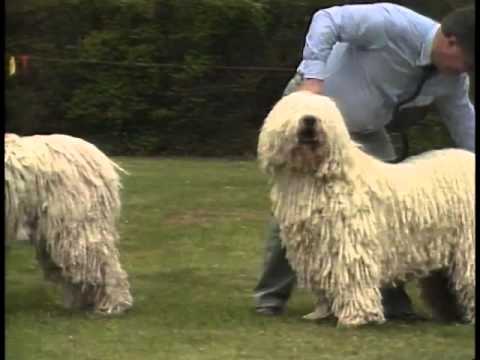 Komondor — Official AKC Breed VideoAmerican Kennel Club
Watch the official AKC video covering temperament, history, traits, and care.
Watch on YouTube →Product Recommendations for Komondors
See all →Vet-reviewed picks for food, insurance, crates, brushes, treats, and toys — matched to this breed.
Compare Komondor with Similar Breeds
See how the Komondor stacks up against other breeds side by side.