

Kooikerhondje
Temperament
About the Kooikerhondje
The Kooikerhondje — pronounced COY-ker-HUND-che — is a small Dutch spaniel with a working history that stretches back to at least the 16th century. The name translates literally as 'little decoy-keeper's dog,' and that title is not decorative. These dogs were purpose-bred to work alongside Dutch hunters in a hunting system called an eendenkooi, a network of curved, netted canals radiating from a central pond. The Kooiker would trot back and forth along the water's edge, its white-tipped tail flagging in the air, drawing curious ducks deeper into the narrowing tunnel traps. Hunters would then either harvest the birds or band them for migration research — a practice that continued in the Netherlands well into the 20th century.
The breed appears with striking frequency in Dutch Golden Age paintings, most famously in works by Jan Steen and in a portrait believed to depict Pompey, the Kooiker credited with saving the life of William of Orange by alerting him to approaching Spanish assassins in the late 1600s. Despite this rich history, the breed came perilously close to extinction during World War II. Dutch baroness Baroness van Hardenbroek van Ammerstol is directly credited with saving the Kooikerhondje from disappearing entirely. Beginning in the late 1930s, she commissioned a deliberate search across the Netherlands to locate surviving specimens. A dog named Tommy, found by a local breeder named Cora Bowles, is widely regarded as the founding dog of the modern reconstructed breed. The Nederlandse Kooikerhondje Club was established in 1966, and the Dutch Kennel Club (Raad van Beheer) gave the breed official recognition in 1971.
The Kooikerhondje arrived in the United States in the 1990s and was placed in the AKC's Foundation Stock Service in 2004. It was officially recognized by the American Kennel Club and placed in the Sporting Group in 2018, making it one of the more recently recognized AKC breeds. The national breed club in the United States is the Nederlandse Kooikerhondje Club of America (NKCA), which maintains breed standards and health registries.
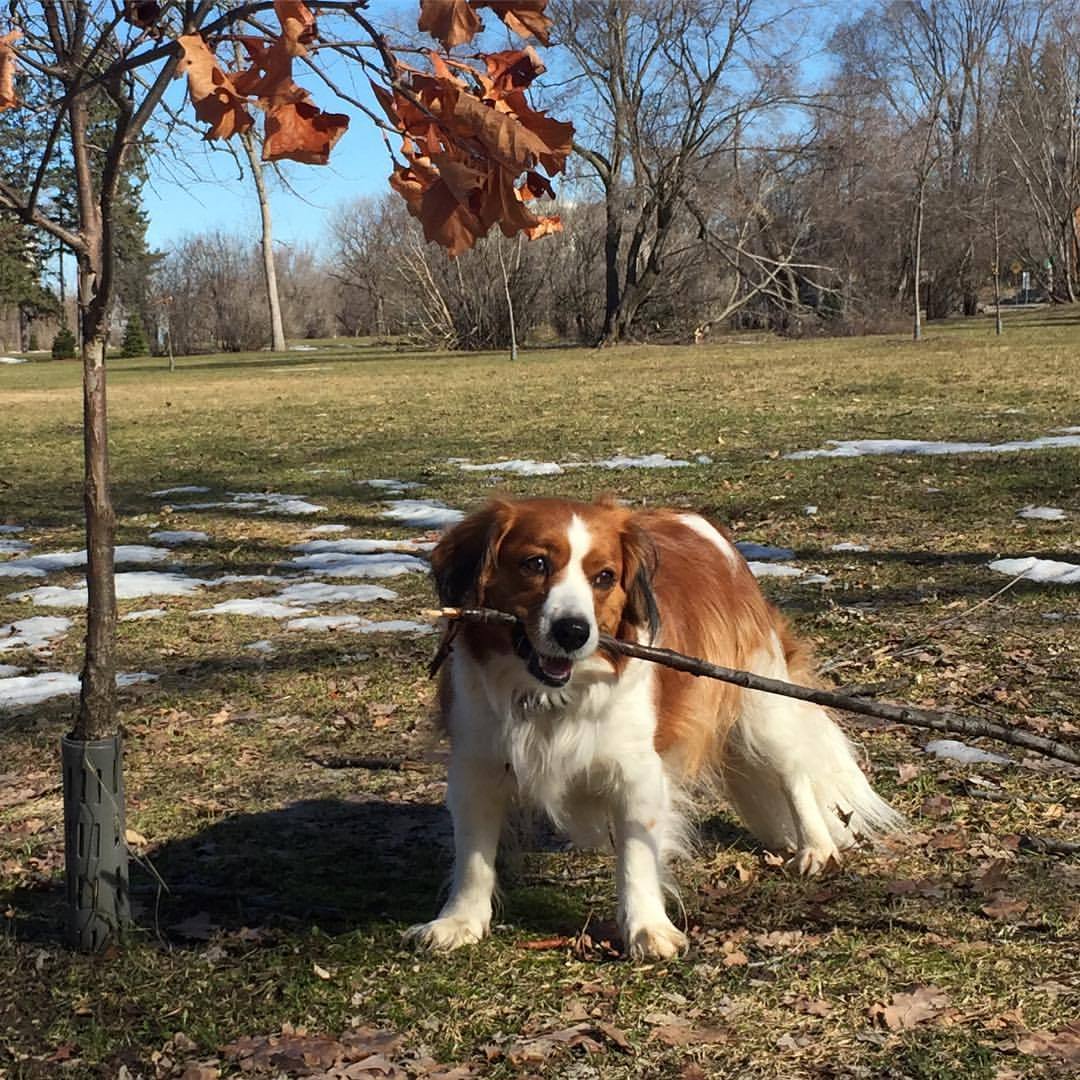
The breed is frequently compared to the Nova Scotia Duck Tolling Retriever, and genetic evidence supports a close ancestral relationship — the Toller's tolling behavior mirrors the Kooiker's decoy work almost exactly. However, the Kooiker is considerably smaller, more refined in build, and carries the distinctive black-tipped ear feathering — often called 'earrings' — that is a hallmark of the breed and determined entirely by genetics. No other spaniel-type breed shares this feature, and it remains one of the most visually distinctive characteristics in the sporting dog world.
At a Glance
Quick Facts
- Breed Group:
- Sporting
- Bred For:
- Luring ducks into traps - "tolling"
- Origin:
- Netherlands
- Life Span:
- 12 - 15 years
- Weight:
- 20 - 30 lbs
- Height:
- 14 - 16 in
💰 Kooikerhondje Cost Guide
Food · Vet · Grooming · Insurance · Full breakdown
Frequently Asked Questions
What is the temperament of a Kooikerhondje?
Kooikerhondjes are known to be benevolent, agile, alert, intelligent, active, territorial. This combination of traits makes them excellent watchdogs and devoted family protectors. Their temperament is influenced by both genetics and proper socialization from an early age.
How much exercise does a Kooikerhondje need?
Kooikerhondjes are high-energy dogs requiring 60+ minutes of vigorous daily exercise and mental stimulation.
How often should I groom my Kooikerhondje?
Kooikerhondjes require minimal grooming with weekly brushing and occasional baths.
How do I train a Kooikerhondje?
Kooikerhondjes are highly trainable and typically respond well to positive reinforcement methods.
Are Kooikerhondjes good with children?
Kooikerhondjes are generally not recommended with children. They generally prefer calm, predictable environments and may become stressed by the unpredictable movements and loud sounds typical of young children. Households with older, respectful children may be more suitable. Remember that proper socialization and teaching children appropriate interaction with dogs are always important, regardless of breed.
What makes the Kooikerhondje unique compared to other dog breeds?
The Kooikerhondje stands out from other breeds due to its rich heritage from Netherlands, specialized abilities for luring ducks into traps - "tolling". This unique combination of characteristics makes them special among dog breeds and appeals to owners who appreciate these distinct qualities. Understanding these traits helps provide appropriate care tailored to their specific needs.
What should I know before getting a Kooikerhondje?
Before bringing a Kooikerhondje into your home, potential owners should consider: They have high exercise requirements (4/5) and need an active owner. Their coat is relatively low-maintenance (2/5). They may not be ideal for families with young children (2/5 child-friendliness). They're typically highly trainable (4/5) and eager to learn. They may be prone to breed-specific health issues including Von Willebrand's Disease, Hereditary Necrotizing Myelopathy (HNM), Patellar Luxation, Polymyositis. Additionally, researching reputable breeders or rescue organizations is essential for finding a healthy, well-socialized Kooikerhondje. Understanding these factors will help ensure a good match between the breed and your lifestyle, leading to a happy relationship for both you and your dog.
What were Kooikerhondjes originally bred for?
Kooikerhondjes were originally bred for luring ducks into traps - "tolling". As part of the Sporting group, they share characteristics with other breeds developed for similar purposes. Understanding your Kooikerhondje's breeding heritage helps explain many of their natural behaviors and instincts, which can be channeled appropriately through training and enrichment activities. Even though modern Kooikerhondjes are primarily companions, these inherent traits remain part of their genetic makeup.
How long do Kooikerhondjes typically live?
The average lifespan of a Kooikerhondje is 12 - 15 years. With proper care including quality nutrition, regular veterinary check-ups, appropriate exercise, and preventative healthcare, some Kooikerhondjes may live beyond this range. Genetics, environment, and healthcare all play important roles in determining longevity.
Is the Kooikerhondje a good family dog?
The Kooikerhondje can be an excellent family dog, but it is selective rather than universally friendly. The breed tends to bond closely with its immediate family while remaining reserved or cautious around strangers, including unfamiliar children. With children it knows and has been raised with, the Kooiker is typically gentle and playful. However, its sensitivity means it does not tolerate rough handling well, and homes with very young children who have not yet learned to respect a dog's boundaries are not ideal. Early socialization is essential — a Kooiker that is properly socialized during puppyhood and raised with consistent household rules will integrate into family life smoothly. One that misses early socialization exposure may become anxious or avoidant in busy home environments.
What is Hereditary Necrotizing Myelopathy in Kooikerhondjes?
Hereditary Necrotizing Myelopathy, or HNM, is a fatal progressive disease of the spinal cord that is essentially unique to the Kooikerhondje breed. It is caused by a recessive genetic mutation, meaning a dog must inherit two copies of the defective gene — one from each parent — to be affected. Dogs that carry only one copy are healthy but can pass the gene to offspring. HNM typically appears between 12 and 24 months of age, beginning as hind limb weakness and progressing to full paralysis. There is no treatment and no recovery. Utrecht University in the Netherlands developed a DNA test that allows breeders to identify clear, carrier, and affected dogs before breeding. Responsible breeders test all breeding animals and will never produce a carrier-to-carrier pairing, which carries a 25% chance of producing affected puppies. Always ask to see HNM DNA test results for both parents before purchasing a Kooikerhondje puppy.
Are Kooikerhondjes rare in the United States?
Yes, the Kooikerhondje remains genuinely rare in the United States. The AKC only recognized the breed in 2018, and the total population of registered Kooikers in North America is small compared to most AKC sporting breeds. The Nederlandse Kooikerhondje Club of America lists a limited number of approved breeders, and wait lists for puppies from health-tested litters are common — often running six months to a year or more. This rarity has some advantages: the breed has not experienced the quality dilution that comes with mass popularity, and most breeders are genuinely invested in preserving the breed's working ability and health. However, rarity also means that rescue availability is very limited, finding a local veterinarian familiar with the breed's specific health concerns can require some searching, and pricing reflects the limited supply of responsibly bred puppies.
Additional Characteristics
Care Requirements
They are high-energy dogs that need significant daily exercise and mental stimulation.
They need regular but basic grooming such as weekly brushing.
Highly trainable — quick to learn and eager to please
They can be suitable with older, respectful children but may not be ideal for young children.
Kooikerhondje
Complete Breed Guide
About the Kooikerhondje
The Kooikerhondje is a small, agile breed originating from the Netherlands, historically used as a duck decoy dog in the 16th century. Weighing between 20 to 30 pounds and standing 14 to 16 inches tall, they feature a distinctive orange and white coat with long, feathery ears. Known for their benevolent and intelligent temperament, Kooikerhondjes are active and alert, making them excellent companions and versatile working dogs.
Kooikerhondjes are known for being benevolent, agile, alert, intelligent, active, and territorial. As a high-energy breed, they are highly responsive to training and thrive with regular mental and physical activity. They are better suited to households without young children and friendly with other dogs, making them a popular choice for families and experienced dog owners alike.
Caring for a Kooikerhondje means committing to minimal grooming — a quick brush once a week is usually enough, vigorous daily exercise, and consistent training from an early age. They do best in structured environments with experienced dog owners.
At a Glance
Quick Facts
- Breed Group:
- Sporting
- Bred For:
- Luring ducks into traps - "tolling"
- Origin:
- Netherlands
- Life Span:
- 12 - 15 years
- Weight:
- 20 - 30 lbs
- Height:
- 14 - 16 in
Temperament
Free Kooikerhondje Health Guide
Kooikerhondjes can be prone to Von Willebrand's Disease and other conditions. Get our owner's health checklist and monthly vet tips — free.
- ✓Kooikerhondje-specific health warning signs
- ✓Vet visit checklist & cost tracker
- ✓Monthly breed health newsletter
Finding similar breeds...
How We Find Similar Breeds
We analyze breed characteristics including temperament, size, appearance, and care needs to identify the most similar dog breeds. This helps you discover alternatives that might be a good match for your lifestyle and preferences.
Adopt a Kooikerhondje
Filter to show only purebred Kooikerhondjes (excludes mixed breeds and crosses)
Find Dogs Near You
Enter your location to discover adoptable pets nearby
How to Adopt a Kooikerhondje
Follow these steps to ensure a smooth and responsible adoption process. Remember that adopting a dog is a lifelong commitment.
Research the Breed
Learn everything you can about Kooikerhondjes, including their temperament, exercise needs, grooming requirements, and potential health issues.
Find Reputable Sources
Look for adoptable dogs through shelters, rescue organizations, or responsible breeders. Avoid puppy mills and online scams.
Apply for Adoption
Complete an adoption application with your chosen organization. Be prepared to provide references and possibly go through a home visit.
Meet Your Potential Pet
Schedule a meeting with the dog to assess compatibility with you, your family, and any existing pets.
Prepare Your Home
Gather necessary supplies and dog-proof your home before bringing your new pet home.
1Essential Supplies
Food and water bowls, high-quality dog food, collar with ID tag, leash, bed, crate, toys, treats, grooming supplies, and cleaning products for accidents.
2Create a Safe Space
Designate an area where your dog can retreat when feeling overwhelmed. This could be a crate with comfortable bedding or a quiet corner with their bed.
3Remove Hazards
Secure or remove toxic plants, chemicals, small objects that could be swallowed, and foods that are harmful to dogs. Use baby gates if needed to restrict access to certain areas.
4Find a Veterinarian
Research and choose a veterinarian before bringing your dog home, and schedule an initial check-up shortly after adoption.
What is the dog's background and history?
Understanding a dog's past can help you anticipate potential behavior issues and provide appropriate support.
Has the dog been spayed/neutered and vaccinated?
This information is important for planning future veterinary care and understanding any immediate medical needs.
What is the dog's energy level and exercise needs?
Kooikerhondjes typically need regular exercise to stay healthy and happy. Ask about specific exercise requirements.
Has the dog been socialized with other animals and people?
This helps you understand how the dog might interact with your family, friends, and other pets.
Are there any known behavioral or health issues?
Knowing about existing issues helps you prepare for any special care or training needs.
Special Considerations for Kooikerhondjes
- Kooikerhondjes may have specific health concerns that require regular monitoring.
- Consider how the typical Kooikerhondje temperament aligns with your lifestyle.
- Research the grooming needs of Kooikerhondjes to ensure you can commit to the required maintenance.
- Understand the exercise requirements of Kooikerhondjes to keep them healthy and prevent behavior problems.
- Learn about proper training methods that work well with Kooikerhondjes.
Product Recommendations for Kooikerhondjes
See all →Vet-reviewed picks for food, insurance, crates, brushes, treats, and toys — matched to this breed.
Compare Kooikerhondje with Similar Breeds
See how the Kooikerhondje stacks up against other breeds side by side.