


Labrador Retriever
Temperament
About the Labrador Retriever
The Labrador Retriever's origins have little to do with the Labrador region its name suggests. The breed descends from the St. John's water dog, a working retriever developed by fishermen in Newfoundland, Canada, during the 1700s. These compact, hardworking dogs were bred to haul nets, retrieve escaped fish, and work in icy Atlantic waters — demands that shaped the breed's dense double coat, rudder-like otter tail, and powerful swimming ability. The St. John's water dog was distinct from its larger cousin, the Newfoundland, being more agile and driven in the water rather than built for draft work on land.
The breed's formal development happened in Britain. In the 1830s, the 10th Earl of Home and his nephews — the 5th Duke of Buccleuch and Lord John Scott — imported St. John's water dogs from Newfoundland for use as gun dogs. Simultaneously, the 2nd Earl of Malmesbury was breeding these dogs specifically for waterfowling on his estate. It was the 3rd Earl of Malmesbury, the 6th Duke of Buccleuch, and the 12th Earl of Home who worked together in the 1880s to formally consolidate the breed. Two dogs — Buccleuch Avon and Buccleuch Ned — gifted by Malmesbury to Buccleuch, are considered founding ancestors of every modern Labrador Retriever alive today.
The Kennel Club in the United Kingdom recognized the Labrador Retriever as a distinct breed in 1903. The American Kennel Club followed with official recognition in 1917, placing the breed in the Sporting Group. The Labrador Retriever Club, Inc., founded in 1931, remains the AKC parent club for the breed in the United States and sets the breed standard that governs conformation competition, responsible breeding, and health initiatives.
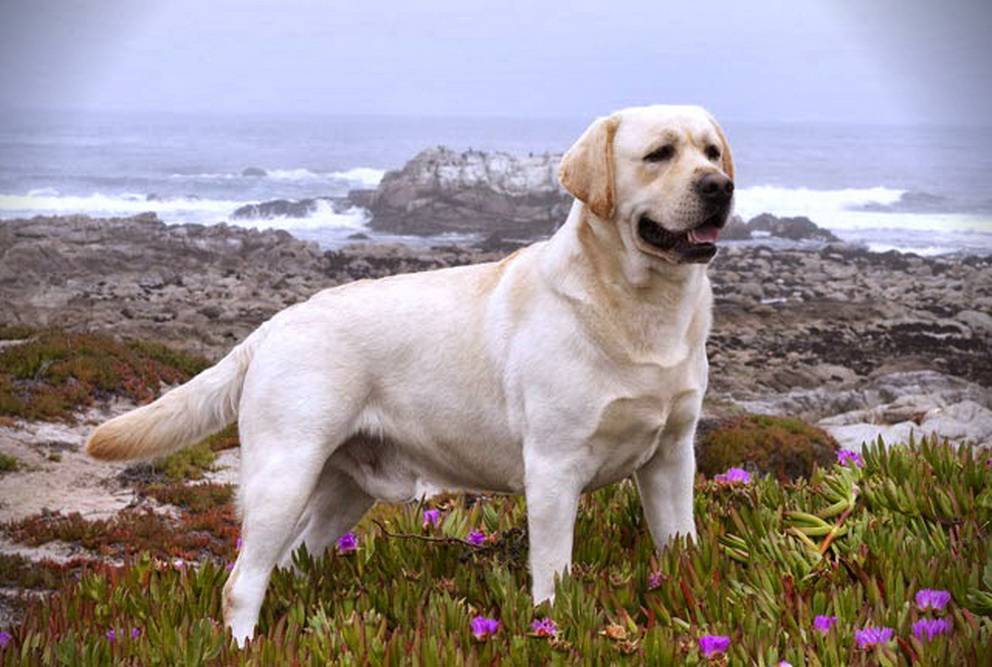
What makes the Labrador distinct from related retrievers comes down to structure and working style. The Golden Retriever shares the Lab's versatility and trainability but carries a longer, feathered coat better suited to upland game work. The Chesapeake Bay Retriever, another cold-water retriever, has a harsher personality profile and a more protective, independent temperament compared to the Lab's famously open and sociable nature. The Lab's short, dense, water-resistant double coat, broad skull, wide nose, and thick otter tail are breed-defining physical traits — not incidental features.
The breed has ranked among the AKC's most registered breeds for decades, sitting at number two as of recent rankings. That popularity, while a testament to the breed's genuine qualities, has also created a market saturated with poorly bred Labs, making knowledge of the breed's history and standards more important than ever for prospective owners.
At a Glance
Quick Facts
- Breed Group:
- Sporting
- Bred For:
- Water retrieving
- Origin:
- Canada
- Life Span:
- 10 - 13 years
- Weight:
- 55 - 80 lbs
- Height:
- 21.5 - 24.5 in
💰 Labrador Retriever Cost Guide
Food · Vet · Grooming · Insurance · Full breakdown
Frequently Asked Questions
What is the temperament of a Labrador Retriever?
Labrador Retrievers are known to be kind, outgoing, agile, gentle, intelligent, trusting, even tempered, affectionate, playful, friendly, loyal, independent. This combination of traits makes them excellent companions for families with children. Their temperament is influenced by both genetics and proper socialization from an early age.
How much exercise does a Labrador Retriever need?
Labrador Retrievers are high-energy dogs requiring 60+ minutes of vigorous daily exercise and mental stimulation.
How often should I groom my Labrador Retriever?
Labrador Retrievers require intensive grooming with daily brushing and regular professional grooming sessions.
How do I train a Labrador Retriever?
Labrador Retrievers are highly trainable and typically respond well to positive reinforcement methods.
Are Labrador Retrievers good with children?
Labrador Retrievers are excellent with children. Their natural patience, gentle nature, and resilience make them outstanding family dogs. They typically form strong bonds with children and tend to be forgiving of the occasional accidental rough handling that can occur with younger kids. Remember that proper socialization and teaching children appropriate interaction with dogs are always important, regardless of breed.
What makes the Labrador Retriever unique compared to other dog breeds?
The Labrador Retriever stands out from other breeds due to its rich heritage from Canada, specialized abilities for water retrieving. This unique combination of characteristics makes them special among dog breeds and appeals to owners who appreciate these distinct qualities. Understanding these traits helps provide appropriate care tailored to their specific needs.
What should I know before getting a Labrador Retriever?
Before bringing a Labrador Retriever into your home, potential owners should consider: They have high exercise requirements (4/5) and need an active owner. Their coat requires significant maintenance (4/5) with regular grooming sessions. They typically excel in family environments with children (5/5 child-friendliness). They're typically highly trainable (4/5) and eager to learn. Their large size requires adequate living space. They may be prone to breed-specific health issues including Hip Dysplasia, Elbow Dysplasia, Exercise-Induced Collapse (EIC), Progressive Retinal Atrophy, Obesity (extremely prone), Centronuclear Myopathy, Hereditary Nasal Parakeratosis. Additionally, researching reputable breeders or rescue organizations is essential for finding a healthy, well-socialized Labrador Retriever. Understanding these factors will help ensure a good match between the breed and your lifestyle, leading to a happy relationship for both you and your dog.
What were Labrador Retrievers originally bred for?
Labrador Retrievers were originally bred for water retrieving. As part of the Sporting group, they share characteristics with other breeds developed for similar purposes. Understanding your Labrador Retriever's breeding heritage helps explain many of their natural behaviors and instincts, which can be channeled appropriately through training and enrichment activities. Even though modern Labrador Retrievers are primarily companions, these inherent traits remain part of their genetic makeup.
How long do Labrador Retrievers typically live?
The average lifespan of a Labrador Retriever is 10 - 13 years. With proper care including quality nutrition, regular veterinary check-ups, appropriate exercise, and preventative healthcare, some Labrador Retrievers may live beyond this range. Genetics, environment, and healthcare all play important roles in determining longevity.
How long do Labrador Retrievers live on average?
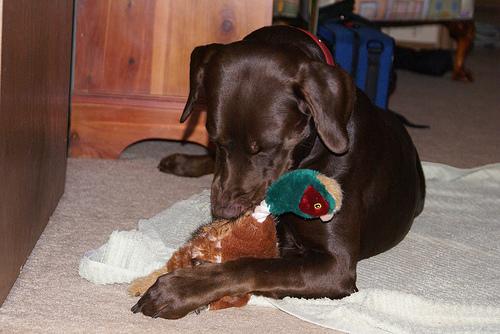
Labrador Retrievers typically live between 10 and 13 years, with 11 to 12 years being the most common range for well-cared-for dogs. Chocolate Labs have historically shown slightly shorter median lifespans in some studies — a 2018 study published in Canine Genetics and Epidemiology found the median age at death for chocolate Labs was 10.7 years compared to 12.1 years for black and yellow Labs. Researchers attributed part of this difference to coat-color-linked genes affecting skin and ear health rather than lifespan directly, though the connection is still studied. Weight management is one of the most meaningful factors owners can control — Labs with a healthy body condition score consistently live longer than overweight counterparts.
Do Labrador Retrievers shed a lot?
Yes — Labradors are significant year-round shedders, and most owners are surprised by the volume if they haven't owned a double-coated breed before. The Lab's short, dense double coat consists of a soft, insulating undercoat beneath a harder, water-resistant outer coat. Shedding is moderate throughout the year but intensifies dramatically during the two seasonal coat blows in spring and fall, when the undercoat releases in large quantities. Weekly brushing with an undercoat rake or shedding blade reduces the amount of hair deposited on furniture and clothing but does not eliminate it. There is no such thing as a non-shedding Labrador — any breeder claiming to sell 'low-shed' or 'hypoallergenic' Labs is misrepresenting the breed.
Are Labrador Retrievers good with kids?
Labrador Retrievers have a well-earned reputation as family dogs, but that reputation requires some context. Adult Labs with proper socialization and training are genuinely patient, gentle, and tolerant with children of all ages. The real challenge is the Lab puppy and adolescent phase, which lasts until roughly two to three years of age. Young Labs are large, strong, and enthusiastically physical — they jump, mouth, and can easily knock over toddlers or small children without any aggressive intent whatsoever. Supervision during the puppy phase is essential, and teaching children how to interact appropriately with a dog is just as important as training the dog itself. A mature, well-socialized Lab is one of the most reliably child-friendly dogs in the sporting group.
What is Exercise-Induced Collapse in Labrador Retrievers?
Exercise-Induced Collapse, commonly abbreviated EIC, is a genetic condition found predominantly in Labrador Retrievers in which intense or prolonged exercise triggers a sudden and dramatic loss of muscle control. Affected dogs typically show signs after five to twenty minutes of strenuous activity — hind limb weakness progressing to full collapse, with the dog remaining conscious and alert throughout. Recovery usually occurs within thirty minutes of rest. EIC is caused by a recessive mutation in the DNM1 gene, and a dog must inherit two copies of the mutation (one from each parent) to be clinically affected. Carriers — dogs with one copy — do not show symptoms. DNA testing identifies clear, carrier, and affected dogs, and responsible breeders test all breeding stock to avoid producing affected puppies. EIC does not typically shorten a dog's life if exercise intensity is managed appropriately.
Additional Characteristics
Care Requirements
They are high-energy dogs that need significant daily exercise and mental stimulation.
They have high grooming needs requiring frequent brushing and regular professional grooming.
Highly trainable — quick to learn and eager to please
They are excellent with children and often form strong bonds with them.
Labrador Retriever
Complete Breed Guide
About the Labrador Retriever
The Labrador Retriever originated in Canada, initially bred as a fishing and hunting companion for retrieving game from water. This breed typically weighs between 55 to 80 pounds and stands 21.5 to 24.5 inches tall, featuring a short, dense coat that is water-resistant. Known for their kind and outgoing temperament, Labradors are intelligent and agile, making them excellent working dogs in roles such as service, therapy, and search-and-rescue, as well as beloved family pets due to their affectionate and playful nature. Their lifespan ranges from 10 to 13 years.
Labrador Retrievers are known for being kind, outgoing, agile, gentle, intelligent, and trusting, even tempered, affectionate. As a high-energy breed, they are highly responsive to training and thrive with regular mental and physical activity. They are excellent with children of all ages and friendly with other dogs, making them a popular choice for families and experienced dog owners alike.
Caring for a Labrador Retriever means committing to regular grooming (brushing several times a week), vigorous daily exercise, and consistent training from an early age. Their gentle, social nature makes them a wonderful addition to active families.
At a Glance
Quick Facts
- Breed Group:
- Sporting
- Bred For:
- Water retrieving
- Origin:
- Canada
- Life Span:
- 10 - 13 years
- Weight:
- 55 - 80 lbs
- Height:
- 21.5 - 24.5 in
Temperament
Free Labrador Retriever Health Guide
Labrador Retrievers can be prone to Hip Dysplasia and other conditions. Get our owner's health checklist and monthly vet tips — free.
- ✓Labrador Retriever-specific health warning signs
- ✓Vet visit checklist & cost tracker
- ✓Monthly breed health newsletter
Finding similar breeds...
How We Find Similar Breeds
We analyze breed characteristics including temperament, size, appearance, and care needs to identify the most similar dog breeds. This helps you discover alternatives that might be a good match for your lifestyle and preferences.
Explore Related Breeds & Guides
Adopt a Labrador Retriever
Filter to show only purebred Labrador Retrievers (excludes mixed breeds and crosses)
Find Dogs Near You
Enter your location to discover adoptable pets nearby
How to Adopt a Labrador Retriever
Follow these steps to ensure a smooth and responsible adoption process. Remember that adopting a dog is a lifelong commitment.
Research the Breed
Learn everything you can about Labrador Retrievers, including their temperament, exercise needs, grooming requirements, and potential health issues.
Find Reputable Sources
Look for adoptable dogs through shelters, rescue organizations, or responsible breeders. Avoid puppy mills and online scams.
Apply for Adoption
Complete an adoption application with your chosen organization. Be prepared to provide references and possibly go through a home visit.
Meet Your Potential Pet
Schedule a meeting with the dog to assess compatibility with you, your family, and any existing pets.
Prepare Your Home
Gather necessary supplies and dog-proof your home before bringing your new pet home.
1Essential Supplies
Food and water bowls, high-quality dog food, collar with ID tag, leash, bed, crate, toys, treats, grooming supplies, and cleaning products for accidents.
2Create a Safe Space
Designate an area where your dog can retreat when feeling overwhelmed. This could be a crate with comfortable bedding or a quiet corner with their bed.
3Remove Hazards
Secure or remove toxic plants, chemicals, small objects that could be swallowed, and foods that are harmful to dogs. Use baby gates if needed to restrict access to certain areas.
4Find a Veterinarian
Research and choose a veterinarian before bringing your dog home, and schedule an initial check-up shortly after adoption.
What is the dog's background and history?
Understanding a dog's past can help you anticipate potential behavior issues and provide appropriate support.
Has the dog been spayed/neutered and vaccinated?
This information is important for planning future veterinary care and understanding any immediate medical needs.
What is the dog's energy level and exercise needs?
Labrador Retrievers typically need regular exercise to stay healthy and happy. Ask about specific exercise requirements.
Has the dog been socialized with other animals and people?
This helps you understand how the dog might interact with your family, friends, and other pets.
Are there any known behavioral or health issues?
Knowing about existing issues helps you prepare for any special care or training needs.
Special Considerations for Labrador Retrievers
- Labrador Retrievers may have specific health concerns that require regular monitoring.
- Consider how the typical Labrador Retriever temperament aligns with your lifestyle.
- Research the grooming needs of Labrador Retrievers to ensure you can commit to the required maintenance.
- Understand the exercise requirements of Labrador Retrievers to keep them healthy and prevent behavior problems.
- Learn about proper training methods that work well with Labrador Retrievers.
 Labrador Retriever — Official AKC Breed VideoAmerican Kennel Club
Watch the official AKC video covering temperament, history, traits, and care.
Watch on YouTube →Product Recommendations for Labrador Retrievers
See all →Vet-reviewed picks for food, insurance, crates, brushes, treats, and toys — matched to this breed.
Compare Labrador Retriever with Similar Breeds
See how the Labrador Retriever stacks up against other breeds side by side.