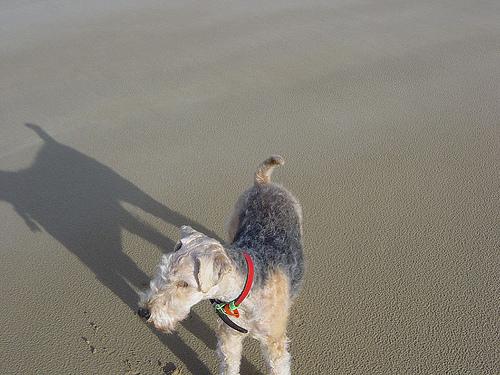




Lakeland Terrier
Temperament
About the Lakeland Terrier
The Lakeland Terrier traces its roots to the rugged fells and rocky hillsides of England's Lake District, where farmers in Cumberland, Westmorland, and surrounding counties needed a working terrier capable of more than simply going to ground after a fox. Unlike the Wire Fox Terrier, which was traditionally carried on horseback to the hunt, the Lakeland was expected to run with the hounds across miles of uneven, rocky terrain, pursue quarry into tight earthen or rock crevices, and dispatch animals that were often as large as the dog itself. Foxes in this region weren't merely a nuisance — they actively predated newborn lambs during the lambing season, making control a genuine economic necessity for farming families.
The breed likely developed from crosses between several British working terriers, including the Old English Black and Tan Terrier, the Bedlington Terrier, and possibly the Border Collie-like fell dogs of the region. For much of the 18th and 19th centuries, it went by several names reflecting its geographic origins: the Cumberland Terrier, the Fell Terrier, the Patterdale Terrier, the Westmorland Terrier, and the Colored Working Terrier. It wasn't until 1921 that the Lakeland Terrier Club was formally founded in England, standardizing the breed under its current name. The American Kennel Club recognized the Lakeland Terrier in 1934, placing it in the Terrier Group.
What distinguishes the Lakeland from its close relative the Welsh Terrier — a breed with which it is frequently confused — is primarily structure and coat texture. The Lakeland is slightly narrower in the chest and longer in the leg relative to its body, adaptations that allowed it to navigate the narrow rock fissures common to the Lake District landscape that a broader-chested dog simply could not enter. The hard, dense, wiry outer coat and softer undercoat provided insulation against cold, wet conditions that would challenge softer-coated breeds.
Despite a rich working history, the Lakeland Terrier is now considered a vulnerable native breed by The Kennel Club in the United Kingdom, a designation applied when annual registrations fall below 300. In the United States, the AKC ranked the breed 156th out of 205 registered breeds based on 2024 puppy registrations — a figure that reflects low but stable interest from dedicated fanciers. The Lakeland Terrier Club of America remains the AKC parent club and serves as the primary registry for breed standards, health initiatives, and breeder referrals in North America. The breed's relative rarity means prospective owners often wait months for a puppy from a reputable source.
At a Glance
Quick Facts
- Breed Group:
- Terrier
- Bred For:
- Fox hunting in fell country
- Origin:
- England
- Life Span:
- 12 - 15 years
- Weight:
- 15 - 17 lbs
- Height:
- 13 - 15 in
💰 Lakeland Terrier Cost Guide
Food · Vet · Grooming · Insurance · Full breakdown
Frequently Asked Questions
What is the temperament of a Lakeland Terrier?
Lakeland Terriers are known to be friendly, bold, confident, alert, intelligent, independent, courageous, loyal, playful, spirited. This combination of traits makes them excellent companions for families with children. Their temperament is influenced by both genetics and proper socialization from an early age.
How much exercise does a Lakeland Terrier need?
Lakeland Terriers are high-energy dogs requiring 60+ minutes of vigorous daily exercise and mental stimulation.
How often should I groom my Lakeland Terrier?
Lakeland Terriers require intensive grooming with daily brushing and regular professional grooming sessions.
How do I train a Lakeland Terrier?
Lakeland Terriers have moderate trainability and benefit from consistent, positive training approaches.
Are Lakeland Terriers good with children?
Lakeland Terriers are excellent with children. Their natural patience, gentle nature, and resilience make them outstanding family dogs. They typically form strong bonds with children and tend to be forgiving of the occasional accidental rough handling that can occur with younger kids. Remember that proper socialization and teaching children appropriate interaction with dogs are always important, regardless of breed.
What makes the Lakeland Terrier unique compared to other dog breeds?
The Lakeland Terrier stands out from other breeds due to its rich heritage from England, exceptional hunting abilities. This unique combination of characteristics makes them special among dog breeds and appeals to owners who appreciate these distinct qualities. Understanding these traits helps provide appropriate care tailored to their specific needs.
What should I know before getting a Lakeland Terrier?
Before bringing a Lakeland Terrier into your home, potential owners should consider: They have high exercise requirements (4/5) and need an active owner. Their coat requires significant maintenance (4/5) with regular grooming sessions. They typically excel in family environments with children (4/5 child-friendliness). They may be prone to breed-specific health issues including Lens Luxation, Legg-Perthes Disease, Distichiasis, Skin Conditions. Additionally, researching reputable breeders or rescue organizations is essential for finding a healthy, well-socialized Lakeland Terrier. Understanding these factors will help ensure a good match between the breed and your lifestyle, leading to a happy relationship for both you and your dog.
What were Lakeland Terriers originally bred for?
Lakeland Terriers were originally bred for fox hunting in fell country. This hunting background explains their natural prey drive, scenting abilities, and often high energy levels. As part of the Terrier group, they share characteristics with other breeds developed for similar purposes. Understanding your Lakeland Terrier's breeding heritage helps explain many of their natural behaviors and instincts, which can be channeled appropriately through training and enrichment activities. Even though modern Lakeland Terriers are primarily companions, these inherent traits remain part of their genetic makeup.
How long do Lakeland Terriers typically live?
The average lifespan of a Lakeland Terrier is 12 - 15 years. With proper care including quality nutrition, regular veterinary check-ups, appropriate exercise, and preventative healthcare, some Lakeland Terriers may live beyond this range. Genetics, environment, and healthcare all play important roles in determining longevity.
Are Lakeland Terriers good with other dogs?
Lakeland Terriers can be aggressive toward other dogs, particularly dogs of the same sex and unfamiliar dogs encountered outside the home. This tendency is rooted in the breed's history of hunting prey that was often larger than itself — it is a genuinely bold, combative breed when provoked. With thorough socialization beginning in puppyhood and consistent management, many Lakelands coexist peacefully with other household dogs. However, off-leash dog parks and unsupervised multi-dog interactions are not a good fit for most Lakelands. Introducing a Lakeland to an existing household dog should be done carefully and slowly, with attention to resource guarding around food and toys.
Do Lakeland Terriers shed a lot?
Lakeland Terriers are considered a low-shedding breed. Their wiry double coat does not shed seasonally the way smooth or single-coated breeds do. However, low-shedding does not mean no-maintenance — the correct Lakeland coat requires regular hand-stripping to remove dead outer coat and maintain proper texture. Dogs that are clipped rather than stripped still shed minimally, but the coat gradually loses its hard, weather-resistant quality and may become softer and more prone to matting over time. For allergy sufferers, the Lakeland is often better tolerated than heavy shedding breeds, though no dog is truly hypoallergenic.
What is the difference between a Lakeland Terrier and a Welsh Terrier?
The Lakeland Terrier and Welsh Terrier are frequently confused because both are wiry-coated working terriers of similar size with tan-and-black or tan-and-grizzle coloring. The key structural difference is that the Lakeland is slightly narrower in the chest and longer in the leg relative to its body length — proportions that evolved specifically to allow the dog to navigate the narrow rock crevices of the Lake District. The Welsh Terrier is somewhat broader and more rectangular in profile. In terms of temperament, both breeds share typical terrier independence and prey drive, though many breed fanciers describe the Lakeland as slightly more animated and outgoing. The Welsh Terrier is also more commonly bred and registered, making it easier to find from reputable breeders in the United States.
Additional Characteristics
Care Requirements
They are high-energy dogs that need significant daily exercise and mental stimulation.
They have high grooming needs requiring frequent brushing and regular professional grooming.
Moderately trainable with consistent methods
They are generally very good with children and tend to be patient and tolerant.
Lakeland Terrier
Complete Breed Guide
About the Lakeland Terrier
The Lakeland Terrier is a small, sturdy working terrier that originated in the Lake District of northern England, where it was bred to hunt foxes that preyed on sheep flocks in the rugged fell country. Standing about 14.5 inches tall and weighing around 17 pounds, the breed carries itself with a confident, square silhouette and a dense, wiry double coat that comes in a variety of colors including wheaten, red, grizzle, blue, and black-and-tan. Lakelands are bold, friendly, and self-confident — terrier-tough but warm with family. Their lifespan is typically 12 to 15 years.
Lakeland Terriers are known for being friendly, bold, confident, alert, intelligent, and independent, courageous, loyal. As a high-energy breed, they are moderately trainable and thrive with regular mental and physical activity. They are excellent with children of all ages and sociable with other dogs when properly introduced, making them a popular choice for families and experienced dog owners alike.
Caring for a Lakeland Terrier means committing to regular grooming (brushing several times a week), vigorous daily exercise, and consistent training from an early age. Their gentle, social nature makes them a wonderful addition to active families.
At a Glance
Quick Facts
- Breed Group:
- Terrier
- Bred For:
- Fox hunting in fell country
- Origin:
- England
- Life Span:
- 12 - 15 years
- Weight:
- 15 - 17 lbs
- Height:
- 13 - 15 in
Temperament
Free Lakeland Terrier Health Guide
Lakeland Terriers can be prone to Lens Luxation and other conditions. Get our owner's health checklist and monthly vet tips — free.
- ✓Lakeland Terrier-specific health warning signs
- ✓Vet visit checklist & cost tracker
- ✓Monthly breed health newsletter
Finding similar breeds...
How We Find Similar Breeds
We analyze breed characteristics including temperament, size, appearance, and care needs to identify the most similar dog breeds. This helps you discover alternatives that might be a good match for your lifestyle and preferences.
Explore Related Breeds & Guides
Adopt a Lakeland Terrier
Filter to show only purebred Lakeland Terriers (excludes mixed breeds and crosses)
Find Dogs Near You
Enter your location to discover adoptable pets nearby
How to Adopt a Lakeland Terrier
Follow these steps to ensure a smooth and responsible adoption process. Remember that adopting a dog is a lifelong commitment.
Research the Breed
Learn everything you can about Lakeland Terriers, including their temperament, exercise needs, grooming requirements, and potential health issues.
Find Reputable Sources
Look for adoptable dogs through shelters, rescue organizations, or responsible breeders. Avoid puppy mills and online scams.
Apply for Adoption
Complete an adoption application with your chosen organization. Be prepared to provide references and possibly go through a home visit.
Meet Your Potential Pet
Schedule a meeting with the dog to assess compatibility with you, your family, and any existing pets.
Prepare Your Home
Gather necessary supplies and dog-proof your home before bringing your new pet home.
1Essential Supplies
Food and water bowls, high-quality dog food, collar with ID tag, leash, bed, crate, toys, treats, grooming supplies, and cleaning products for accidents.
2Create a Safe Space
Designate an area where your dog can retreat when feeling overwhelmed. This could be a crate with comfortable bedding or a quiet corner with their bed.
3Remove Hazards
Secure or remove toxic plants, chemicals, small objects that could be swallowed, and foods that are harmful to dogs. Use baby gates if needed to restrict access to certain areas.
4Find a Veterinarian
Research and choose a veterinarian before bringing your dog home, and schedule an initial check-up shortly after adoption.
What is the dog's background and history?
Understanding a dog's past can help you anticipate potential behavior issues and provide appropriate support.
Has the dog been spayed/neutered and vaccinated?
This information is important for planning future veterinary care and understanding any immediate medical needs.
What is the dog's energy level and exercise needs?
Lakeland Terriers typically need regular exercise to stay healthy and happy. Ask about specific exercise requirements.
Has the dog been socialized with other animals and people?
This helps you understand how the dog might interact with your family, friends, and other pets.
Are there any known behavioral or health issues?
Knowing about existing issues helps you prepare for any special care or training needs.
Special Considerations for Lakeland Terriers
- Lakeland Terriers may have specific health concerns that require regular monitoring.
- Consider how the typical Lakeland Terrier temperament aligns with your lifestyle.
- Research the grooming needs of Lakeland Terriers to ensure you can commit to the required maintenance.
- Understand the exercise requirements of Lakeland Terriers to keep them healthy and prevent behavior problems.
- Learn about proper training methods that work well with Lakeland Terriers.
Product Recommendations for Lakeland Terriers
See all →Vet-reviewed picks for food, insurance, crates, brushes, treats, and toys — matched to this breed.
Compare Lakeland Terrier with Similar Breeds
See how the Lakeland Terrier stacks up against other breeds side by side.