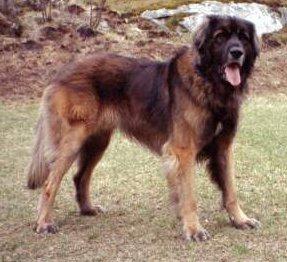
Leonberger
Temperament
About the Leonberger
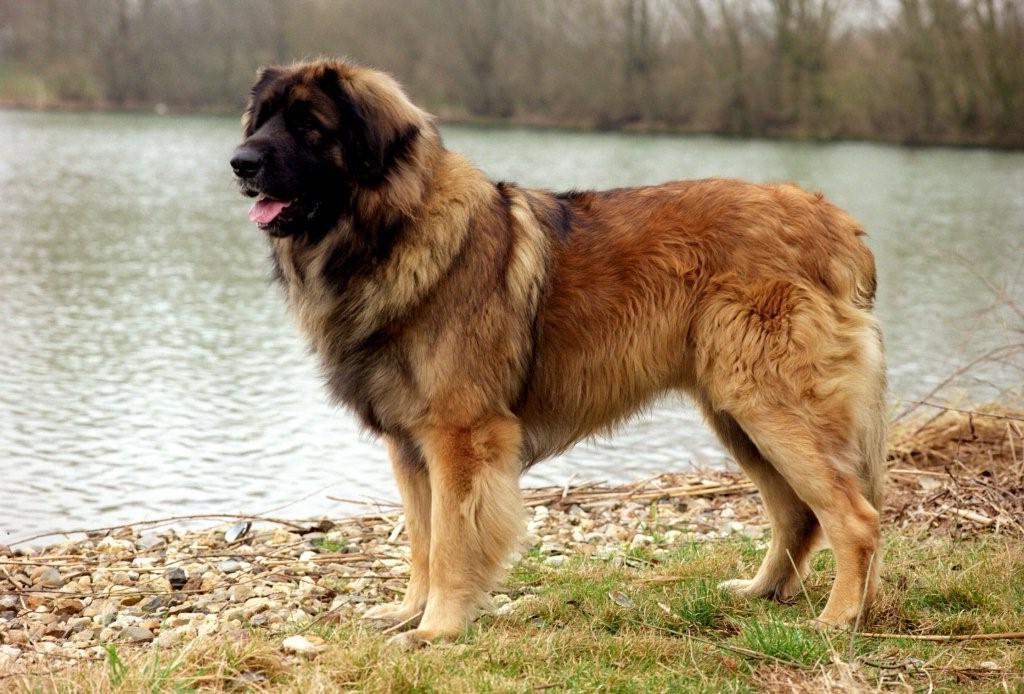
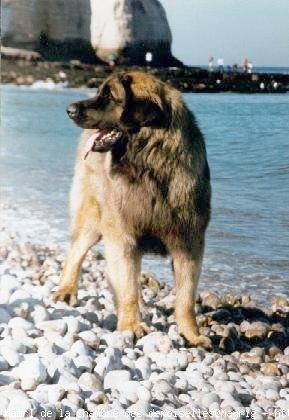
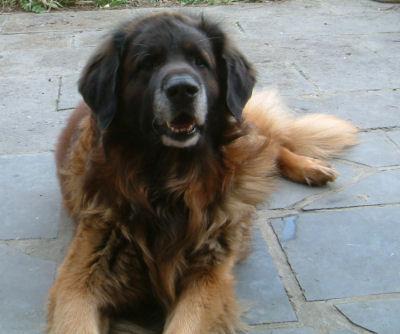
The Leonberger's origin story begins with one man's deliberate ambition. Heinrich Essig, a politician and dog trader in Leonberg, Baden-Württemberg, Germany, spent decades in the mid-1800s crossing Landseer Newfoundlands, longhaired Saint Bernards, and Great Pyrenees with the stated goal of producing a dog that resembled the lion on Leonberg's town coat of arms. By 1846, Essig was presenting the breed publicly, and the dogs quickly found favor among European royalty and nobility — documented owners included Empress Elisabeth of Austria, Napoleon III, and the Prince of Wales. Whether Essig's breeding program was as tidy as he claimed remains debated by historians, but the physical result — a massive, maned, golden-to-mahogany dog with a black mask — was undeniably distinct and commanding.
The breed nearly ceased to exist twice in the twentieth century. World War I devastated Leonberger populations across Europe, with only a handful of dogs surviving by 1919. Dedicated German breeders, particularly Albert Kull and others working through the newly formed clubs of the early 1920s, rebuilt the breed from those few remaining animals. World War II struck again, reducing numbers catastrophically a second time. The modern Leonberger traces its lineage through those narrow post-war reconstruction efforts, which is worth understanding when considering the breed's genetic diversity today.
The breed is governed internationally by the Federation Cynologique Internationale (FCI), which recognizes it under Group 2. In the United States, the Leonberger Club of America (LCA), founded in 1985, serves as the official parent club. The American Kennel Club granted the Leonberger full recognition in 2010, placing it in the Working Group, where it currently ranks around 99th in popularity out of 205 recognized breeds — uncommon enough that encountering one remains a genuine event for most dog people.
What distinguishes the Leonberger from its foundation breeds is not simply size or coat, but a particular quality of presence. Newfoundlands tend toward a softer, more plodding temperament; Saint Bernards carry more stubbornness and drool; Great Pyrenees retain strong independent livestock guardian instincts that make them notoriously difficult to recall off-leash. The Leonberger synthesizes these bloodlines into something more versatile — calmer than an excited Saint Bernard, more trainable than a Pyrenees, more alert than a Newfoundland. They were purpose-built as dual-purpose working companions, and that dual nature — capable yet gentle, imposing yet family-oriented — remains the breed's defining characteristic today.
At a Glance
Quick Facts
- Breed Group:
- Working
- Bred For:
- Guardian, appearance.
- Origin:
- Germany
- Life Span:
- 6 - 8 years
- Weight:
- 120 - 170 lbs
- Height:
- 25.5 - 31.5 in
💰 Leonberger Cost Guide
Food · Vet · Grooming · Insurance · Full breakdown
Frequently Asked Questions
What is the temperament of a Leonberger?
Leonbergers are known to be obedient, fearless, loyal, companionable, adaptable, loving, quiet, independent, gentle, friendly, playful, affectionate. This combination of traits makes them excellent companions for families with children. Their temperament is influenced by both genetics and proper socialization from an early age.
How much exercise does a Leonberger need?
Leonbergers are high-energy dogs requiring 60+ minutes of vigorous daily exercise and mental stimulation.
How often should I groom my Leonberger?
Leonbergers need moderate grooming including brushing 2-3 times weekly and regular maintenance.
How do I train a Leonberger?
Leonbergers are highly trainable and typically respond well to positive reinforcement methods.
Are Leonbergers good with children?
Leonbergers are excellent with children. Their natural patience, gentle nature, and resilience make them outstanding family dogs. They typically form strong bonds with children and tend to be forgiving of the occasional accidental rough handling that can occur with younger kids. Remember that proper socialization and teaching children appropriate interaction with dogs are always important, regardless of breed.
What makes the Leonberger unique compared to other dog breeds?
The Leonberger stands out from other breeds due to its impressive stature and presence, rich heritage from Germany, natural protective instincts. This unique combination of characteristics makes them special among dog breeds and appeals to owners who appreciate these distinct qualities. Understanding these traits helps provide appropriate care tailored to their specific needs.
What should I know before getting a Leonberger?
Before bringing a Leonberger into your home, potential owners should consider: They have high exercise requirements (4/5) and need an active owner. They typically excel in family environments with children (5/5 child-friendliness). They're typically highly trainable (4/5) and eager to learn. Their large size requires adequate living space. They may be prone to breed-specific health issues including Hip Dysplasia, Leonberger Polyneuropathy (LEMP), Osteosarcoma, Bloat (GDV), Heart Disease (Dilated Cardiomyopathy), Cataracts. Additionally, researching reputable breeders or rescue organizations is essential for finding a healthy, well-socialized Leonberger. Understanding these factors will help ensure a good match between the breed and your lifestyle, leading to a happy relationship for both you and your dog.
What were Leonbergers originally bred for?
Leonbergers were originally bred for guardian, appearance.. This protective background explains their naturally alert, territorial nature and sometimes reserved attitude toward strangers. As part of the Working group, they share characteristics with other breeds developed for similar purposes. Understanding your Leonberger's breeding heritage helps explain many of their natural behaviors and instincts, which can be channeled appropriately through training and enrichment activities. Even though modern Leonbergers are primarily companions, these inherent traits remain part of their genetic makeup.
How long do Leonbergers typically live?
The average lifespan of a Leonberger is 6 - 8 years. With proper care including quality nutrition, regular veterinary check-ups, appropriate exercise, and preventative healthcare, some Leonbergers may live beyond this range. Genetics, environment, and healthcare all play important roles in determining longevity.
How long do Leonbergers live?
Leonbergers have one of the shorter lifespans among large dog breeds, with most living between 6 and 8 years, and the AKC citing a median closer to 7 years. This abbreviated lifespan is driven largely by the breed's susceptibility to osteosarcoma, dilated cardiomyopathy, and the neurological condition Leonberger Polyneuropathy (LEMP). Owners should be aware of this before committing to the breed, and should ensure their puppy comes from parents who have been health-tested for the known genetic conditions that contribute to early mortality.
Are Leonbergers good family dogs?
Leonbergers are genuinely excellent family dogs when their needs are properly met — they are patient, affectionate, and notably gentle with children, which reflects the breed's original purpose as a family companion. However, their size alone warrants supervision around small children; an enthusiastic Leonberger can knock over a toddler without any aggressive intent whatsoever. They bond strongly with all family members rather than attaching to a single person, and they tolerate the noise and activity of family life well. The breed requires significant daily exercise, consistent grooming, and a properly fenced yard — families unable to provide these reliably will struggle.
What is Leonberger Polyneuropathy (LEMP)?
Leonberger Polyneuropathy, often called LEMP or LPN, is a progressive neurological disease unique to the Leonberger breed that damages the peripheral nervous system. Affected dogs typically show early signs including exercise intolerance, a distinctive scuffing or dragging of the hind feet, and a change in bark quality. The condition worsens over time and can lead to full paralysis. Two causative genetic mutations — LPN1 and LPN2 — have been identified, and DNA tests for both are commercially available. Responsible breeders test all breeding dogs and should provide documentation of results; buyers should specifically request LPN panel results before purchasing a puppy.
Do Leonbergers shed a lot?
Leonbergers shed heavily year-round and blow their undercoat dramatically twice per year during seasonal shedding periods. The breed's thick double coat — which can be two to three inches long on the body with an even fuller mane around the neck and chest — requires daily brushing to prevent matting, particularly in the areas behind the ears, under the elbows, and in the leg feathering where tangles develop fastest. Without consistent grooming, the coat mats down to the skin and must be professionally detangled or shaved out. Anyone with allergies to dog hair or an aversion to significant shedding should seriously reconsider the breed before committing.
Additional Characteristics
Care Requirements
They are high-energy dogs that need significant daily exercise and mental stimulation.
They need moderate grooming, including regular brushing and occasional professional care.
Highly trainable — quick to learn and eager to please
They are excellent with children and often form strong bonds with them.
Leonberger
Complete Breed Guide
About the Leonberger
The Leonberger is a large working dog breed that originated in Germany in the 19th century, primarily bred as a companion and a farm dog. They typically weigh between 120 to 170 pounds and stand 25.5 to 31.5 inches tall, featuring a distinctive lion-like mane and a water-resistant double coat. Known for their obedient and loyal temperament, Leonbergers are gentle with children and make excellent family pets, while also being adaptable to various living situations.
Leonbergers are known for being obedient, fearless, loyal, companionable, adaptable, and loving, quiet, independent. As a high-energy breed, they are highly responsive to training and thrive with regular mental and physical activity. They are excellent with children of all ages and friendly with other dogs, making them a popular choice for families and experienced dog owners alike.
Caring for a Leonberger means committing to moderate grooming every week or two, vigorous daily exercise, and consistent training from an early age. Their gentle, social nature makes them a wonderful addition to active families.
At a Glance
Quick Facts
- Breed Group:
- Working
- Bred For:
- Guardian, appearance.
- Origin:
- Germany
- Life Span:
- 6 - 8 years
- Weight:
- 120 - 170 lbs
- Height:
- 25.5 - 31.5 in
Temperament
Free Leonberger Health Guide
Leonbergers can be prone to Hip Dysplasia and other conditions. Get our owner's health checklist and monthly vet tips — free.
- ✓Leonberger-specific health warning signs
- ✓Vet visit checklist & cost tracker
- ✓Monthly breed health newsletter
Finding similar breeds...
How We Find Similar Breeds
We analyze breed characteristics including temperament, size, appearance, and care needs to identify the most similar dog breeds. This helps you discover alternatives that might be a good match for your lifestyle and preferences.
Explore Related Breeds & Guides
Adopt a Leonberger
Filter to show only purebred Leonbergers (excludes mixed breeds and crosses)
Find Dogs Near You
Enter your location to discover adoptable pets nearby
How to Adopt a Leonberger
Follow these steps to ensure a smooth and responsible adoption process. Remember that adopting a dog is a lifelong commitment.
Research the Breed
Learn everything you can about Leonbergers, including their temperament, exercise needs, grooming requirements, and potential health issues.
Find Reputable Sources
Look for adoptable dogs through shelters, rescue organizations, or responsible breeders. Avoid puppy mills and online scams.
Apply for Adoption
Complete an adoption application with your chosen organization. Be prepared to provide references and possibly go through a home visit.
Meet Your Potential Pet
Schedule a meeting with the dog to assess compatibility with you, your family, and any existing pets.
Prepare Your Home
Gather necessary supplies and dog-proof your home before bringing your new pet home.
1Essential Supplies
Food and water bowls, high-quality dog food, collar with ID tag, leash, bed, crate, toys, treats, grooming supplies, and cleaning products for accidents.
2Create a Safe Space
Designate an area where your dog can retreat when feeling overwhelmed. This could be a crate with comfortable bedding or a quiet corner with their bed.
3Remove Hazards
Secure or remove toxic plants, chemicals, small objects that could be swallowed, and foods that are harmful to dogs. Use baby gates if needed to restrict access to certain areas.
4Find a Veterinarian
Research and choose a veterinarian before bringing your dog home, and schedule an initial check-up shortly after adoption.
What is the dog's background and history?
Understanding a dog's past can help you anticipate potential behavior issues and provide appropriate support.
Has the dog been spayed/neutered and vaccinated?
This information is important for planning future veterinary care and understanding any immediate medical needs.
What is the dog's energy level and exercise needs?
Leonbergers typically need regular exercise to stay healthy and happy. Ask about specific exercise requirements.
Has the dog been socialized with other animals and people?
This helps you understand how the dog might interact with your family, friends, and other pets.
Are there any known behavioral or health issues?
Knowing about existing issues helps you prepare for any special care or training needs.
Special Considerations for Leonbergers
- Leonbergers may have specific health concerns that require regular monitoring.
- Consider how the typical Leonberger temperament aligns with your lifestyle.
- Research the grooming needs of Leonbergers to ensure you can commit to the required maintenance.
- Understand the exercise requirements of Leonbergers to keep them healthy and prevent behavior problems.
- Learn about proper training methods that work well with Leonbergers.
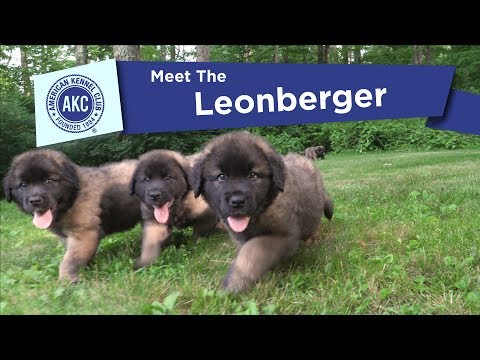 Leonberger — Official AKC Breed VideoAmerican Kennel Club
Watch the official AKC video covering temperament, history, traits, and care.
Watch on YouTube →Product Recommendations for Leonbergers
See all →Vet-reviewed picks for food, insurance, crates, brushes, treats, and toys — matched to this breed.
Compare Leonberger with Similar Breeds
See how the Leonberger stacks up against other breeds side by side.