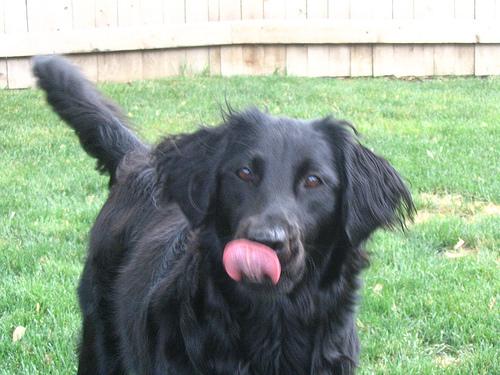
Nova Scotia Duck Tolling Retriever
Temperament
About the Nova Scotia Duck Tolling Retriever
The Nova Scotia Duck Tolling Retriever traces its origins to Yarmouth County, in southwestern Nova Scotia, Canada, where hunters in the early 19th century began selectively breeding a working dog capable of performing a very specific and unusual task. Early hunters had observed that foxes playing along riverbanks would attract the curiosity of ducks, drawing the birds closer to shore. Recognizing the hunting advantage this presented, breeders in the Little River district began developing a dog that could mimic this behavior — prancing, fetching, and frolicking near the water's edge while its hunter remained hidden. The ducks, mesmerized by the movement, would swim toward the spectacle. Once within range, the hunter would rise, flush the birds, and the dog would then pivot into its secondary role as a retriever. The word "toll" comes from a Middle English term meaning to lure or entice, and this dual-purpose function defines the breed unlike any other retriever in existence.
The early foundation stock is believed to have included crosses between working retriever types, spaniels, and possibly setter or farm collie blood, though precise records from the Little River district are incomplete. The breed was formally recognized in Canada by the Canadian Kennel Club in 1945, decades before it gained widespread attention elsewhere. The Nova Scotia Duck Tolling Retriever Club of Canada was established to maintain breed standards and health initiatives, and the breed eventually crossed into American competition when the American Kennel Club granted full recognition in 2003, placing it in the Sporting Group. The AKC currently ranks the Toller 69th in popularity out of 205 recognized breeds — a respectable position for a breed that remained largely obscure outside Atlantic Canada until the late 20th century.
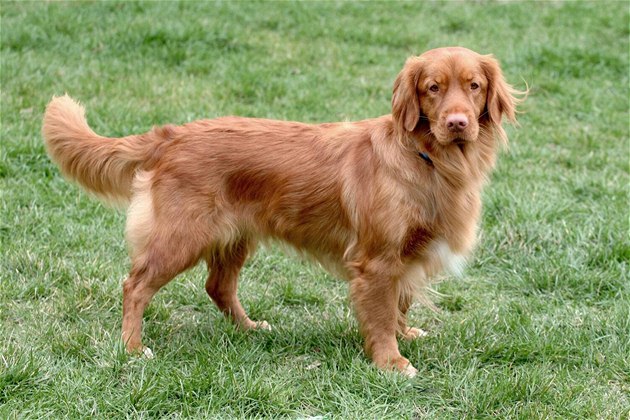
What separates the Toller from its retriever cousins — the Labrador, Golden, Chesapeake Bay, and Flat-Coated Retrievers — is not just its smaller stature, topping out at 35 to 50 pounds and standing 17 to 21 inches at the shoulder, but its entire behavioral profile. It is the only retriever bred specifically to lure rather than simply mark and retrieve. The coat is a rich copper-red to golden red, always accompanied by at least some white marking, most characteristically a white-tipped tail that the dog carries in an animated, high arc during the tolling sequence. The coat is water-repellent with a dense undercoat, built for cold maritime conditions. Mistaken regularly for a small Golden Retriever, the Toller is a distinctly different animal in purpose, drive, and temperament — a working specialist wearing a beautiful coat.
At a Glance
Quick Facts
- Breed Group:
- Sporting
- Origin:
- Canada
- Life Span:
- 12 - 14 years
- Weight:
- 35 - 50 lbs
- Height:
- 17 - 21 in
💰 Nova Scotia Duck Tolling Retriever Cost Guide
Food · Vet · Grooming · Insurance · Full breakdown
Frequently Asked Questions
What is the temperament of a Nova Scotia Duck Tolling Retriever?
Nova Scotia Duck Tolling Retrievers are known to be outgoing, alert, patient, intelligent, loving, affectionate, friendly, playful, curious, gentle, independent, brave. This combination of traits makes them excellent companions for families with children. Their temperament is influenced by both genetics and proper socialization from an early age.
How much exercise does a Nova Scotia Duck Tolling Retriever need?
Nova Scotia Duck Tolling Retrievers are high-energy dogs requiring 60+ minutes of vigorous daily exercise and mental stimulation.
How often should I groom my Nova Scotia Duck Tolling Retriever?
Nova Scotia Duck Tolling Retrievers require intensive grooming with daily brushing and regular professional grooming sessions.
How do I train a Nova Scotia Duck Tolling Retriever?
Nova Scotia Duck Tolling Retrievers have moderate trainability and benefit from consistent, positive training approaches.
Are Nova Scotia Duck Tolling Retrievers good with children?
Nova Scotia Duck Tolling Retrievers are excellent with children. Their natural patience, gentle nature, and resilience make them outstanding family dogs. They typically form strong bonds with children and tend to be forgiving of the occasional accidental rough handling that can occur with younger kids. Remember that proper socialization and teaching children appropriate interaction with dogs are always important, regardless of breed.
What makes the Nova Scotia Duck Tolling Retriever unique compared to other dog breeds?
The Nova Scotia Duck Tolling Retriever stands out from other breeds due to its rich heritage from Canada. This unique combination of characteristics makes them special among dog breeds and appeals to owners who appreciate these distinct qualities. Understanding these traits helps provide appropriate care tailored to their specific needs.
What should I know before getting a Nova Scotia Duck Tolling Retriever?
Before bringing a Nova Scotia Duck Tolling Retriever into your home, potential owners should consider: They have high exercise requirements (4/5) and need an active owner. Their coat requires significant maintenance (5/5) with regular grooming sessions. They typically excel in family environments with children (5/5 child-friendliness). They may be prone to breed-specific health issues including Hip Dysplasia, Progressive Retinal Atrophy, Addison's Disease, Collie Eye Anomaly, Autoimmune Thyroiditis, Cleft Palate. Additionally, researching reputable breeders or rescue organizations is essential for finding a healthy, well-socialized Nova Scotia Duck Tolling Retriever. Understanding these factors will help ensure a good match between the breed and your lifestyle, leading to a happy relationship for both you and your dog.
What were Nova Scotia Duck Tolling Retrievers originally bred for?
As part of the Sporting group, they share characteristics with other breeds developed for similar purposes. Understanding your Nova Scotia Duck Tolling Retriever's breeding heritage helps explain many of their natural behaviors and instincts, which can be channeled appropriately through training and enrichment activities. Even though modern Nova Scotia Duck Tolling Retrievers are primarily companions, these inherent traits remain part of their genetic makeup.
How long do Nova Scotia Duck Tolling Retrievers typically live?
The average lifespan of a Nova Scotia Duck Tolling Retriever is 12 - 14 years. With proper care including quality nutrition, regular veterinary check-ups, appropriate exercise, and preventative healthcare, some Nova Scotia Duck Tolling Retrievers may live beyond this range. Genetics, environment, and healthcare all play important roles in determining longevity.
Is a Nova Scotia Duck Tolling Retriever a good family dog?
Tollers can be excellent family dogs, but they are best suited to active families with older children rather than households with toddlers or very sedentary routines. They are affectionate and patient with children they know well, and they form strong bonds with their families. However, their energy level is high and persistent — this is a breed that needs structured daily exercise and mental stimulation, not just a backyard to roam. Families who enjoy hiking, swimming, dog sports, or outdoor activity will find a Toller to be an engaged and enthusiastic companion. Families looking for a calm, low-demand dog should consider a different breed.
Do Nova Scotia Duck Tolling Retrievers bark a lot?
Tollers are known for a distinctive and somewhat startling vocalization that owners and breed enthusiasts often call the 'Toller scream.' It is a high-pitched, intense shriek that the dog produces when excited — particularly during play, when anticipating a retrieve, or when frustrated that activity isn't happening fast enough. It is not a bark in the traditional sense and is largely unique to the breed. Outside of this excitement vocalization, Tollers are alert dogs that will notify their owners of strangers or unusual activity, making them effective watchdogs. They are not excessive nuisance barkers in a typical residential setting, but the 'Toller scream' can be jarring and is worth understanding before acquiring one.
How much exercise does a Nova Scotia Duck Tolling Retriever need every day?
A healthy adult Toller needs a minimum of 60 to 90 minutes of vigorous exercise daily, and that figure increases for dogs with high working drive. A walk around the block does not meet this breed's needs. Swimming, fetch, running, agility work, and structured play sessions are all appropriate outlets. Equally important is mental exercise — Tollers that are physically tired but cognitively under-stimulated will find ways to entertain themselves that most owners find destructive or annoying. Incorporating training sessions, puzzle feeders, or nose work into the daily routine alongside physical exercise produces a noticeably more settled dog. This is not a breed for full-time apartment living unless the owner is genuinely committed to meeting these daily demands.
What is Addison's disease and why are Tollers prone to it?
Addison's disease, or hypoadrenocorticism, is a condition where the adrenal glands fail to produce sufficient levels of cortisol and aldosterone — hormones essential to regulating stress response, blood pressure, electrolyte balance, and metabolism. In Tollers, the condition is typically immune-mediated, meaning the dog's own immune system attacks and destroys adrenal tissue. The breed has a significantly elevated rate of Addison's compared to the general dog population, and it is considered one of the most serious hereditary health concerns in the breed. Symptoms can be vague — lethargy, episodes of weakness, vomiting, and weight loss — and are often mistaken for other illnesses until a crisis occurs. Diagnosis is confirmed through an ACTH stimulation test. The condition is manageable with medication but is lifelong and requires consistent veterinary oversight. Responsible breeders track Addison's occurrences in their lines and factor this into breeding decisions.
Additional Characteristics
Care Requirements
They are high-energy dogs that need significant daily exercise and mental stimulation.
They have very high maintenance coats requiring daily brushing and regular professional grooming.
Moderately trainable with consistent methods
They are excellent with children and often form strong bonds with them.
Nova Scotia Duck Tolling Retriever
Complete Breed Guide
About the Nova Scotia Duck Tolling Retriever
The Nova Scotia Duck Tolling Retriever, originally developed in Canada, is a medium-sized sporting dog known for its exceptional hunting skills, particularly in retrieving waterfowl. Weighing between 35 to 50 pounds and standing 17 to 21 inches tall, they have a distinctive red-orange coat with white markings. This breed is characterized by its outgoing and intelligent temperament, making them not only excellent working dogs but also affectionate companions, thriving in active households where they can engage in play and exercise. Their lifespan ranges from 12 to 14 years.
Nova Scotia Duck Tolling Retrievers are known for being outgoing, alert, patient, intelligent, loving, and affectionate, friendly, playful. As a high-energy breed, they are moderately trainable and thrive with regular mental and physical activity. They are excellent with children of all ages and friendly with other dogs, making them a popular choice for families and experienced dog owners alike.
Caring for a Nova Scotia Duck Tolling Retriever means committing to regular grooming (brushing several times a week), vigorous daily exercise, and consistent training from an early age. Their gentle, social nature makes them a wonderful addition to active families.
At a Glance
Quick Facts
- Breed Group:
- Sporting
- Origin:
- Canada
- Life Span:
- 12 - 14 years
- Weight:
- 35 - 50 lbs
- Height:
- 17 - 21 in
Temperament
Free Nova Scotia Duck Tolling Retriever Health Guide
Nova Scotia Duck Tolling Retrievers can be prone to Hip Dysplasia and other conditions. Get our owner's health checklist and monthly vet tips — free.
- ✓Nova Scotia Duck Tolling Retriever-specific health warning signs
- ✓Vet visit checklist & cost tracker
- ✓Monthly breed health newsletter
Finding similar breeds...
How We Find Similar Breeds
We analyze breed characteristics including temperament, size, appearance, and care needs to identify the most similar dog breeds. This helps you discover alternatives that might be a good match for your lifestyle and preferences.
Explore Related Breeds & Guides
Adopt a Nova Scotia Duck Tolling Retriever
Filter to show only purebred Nova Scotia Duck Tolling Retrievers (excludes mixed breeds and crosses)
Find Dogs Near You
Enter your location to discover adoptable pets nearby
How to Adopt a Nova Scotia Duck Tolling Retriever
Follow these steps to ensure a smooth and responsible adoption process. Remember that adopting a dog is a lifelong commitment.
Research the Breed
Learn everything you can about Nova Scotia Duck Tolling Retrievers, including their temperament, exercise needs, grooming requirements, and potential health issues.
Find Reputable Sources
Look for adoptable dogs through shelters, rescue organizations, or responsible breeders. Avoid puppy mills and online scams.
Apply for Adoption
Complete an adoption application with your chosen organization. Be prepared to provide references and possibly go through a home visit.
Meet Your Potential Pet
Schedule a meeting with the dog to assess compatibility with you, your family, and any existing pets.
Prepare Your Home
Gather necessary supplies and dog-proof your home before bringing your new pet home.
1Essential Supplies
Food and water bowls, high-quality dog food, collar with ID tag, leash, bed, crate, toys, treats, grooming supplies, and cleaning products for accidents.
2Create a Safe Space
Designate an area where your dog can retreat when feeling overwhelmed. This could be a crate with comfortable bedding or a quiet corner with their bed.
3Remove Hazards
Secure or remove toxic plants, chemicals, small objects that could be swallowed, and foods that are harmful to dogs. Use baby gates if needed to restrict access to certain areas.
4Find a Veterinarian
Research and choose a veterinarian before bringing your dog home, and schedule an initial check-up shortly after adoption.
What is the dog's background and history?
Understanding a dog's past can help you anticipate potential behavior issues and provide appropriate support.
Has the dog been spayed/neutered and vaccinated?
This information is important for planning future veterinary care and understanding any immediate medical needs.
What is the dog's energy level and exercise needs?
Nova Scotia Duck Tolling Retrievers typically need regular exercise to stay healthy and happy. Ask about specific exercise requirements.
Has the dog been socialized with other animals and people?
This helps you understand how the dog might interact with your family, friends, and other pets.
Are there any known behavioral or health issues?
Knowing about existing issues helps you prepare for any special care or training needs.
Special Considerations for Nova Scotia Duck Tolling Retrievers
- Nova Scotia Duck Tolling Retrievers may have specific health concerns that require regular monitoring.
- Consider how the typical Nova Scotia Duck Tolling Retriever temperament aligns with your lifestyle.
- Research the grooming needs of Nova Scotia Duck Tolling Retrievers to ensure you can commit to the required maintenance.
- Understand the exercise requirements of Nova Scotia Duck Tolling Retrievers to keep them healthy and prevent behavior problems.
- Learn about proper training methods that work well with Nova Scotia Duck Tolling Retrievers.
Product Recommendations for Nova Scotia Duck Tolling Retrievers
See all →Vet-reviewed picks for food, insurance, crates, brushes, treats, and toys — matched to this breed.
Compare Nova Scotia Duck Tolling Retriever with Similar Breeds
See how the Nova Scotia Duck Tolling Retriever stacks up against other breeds side by side.