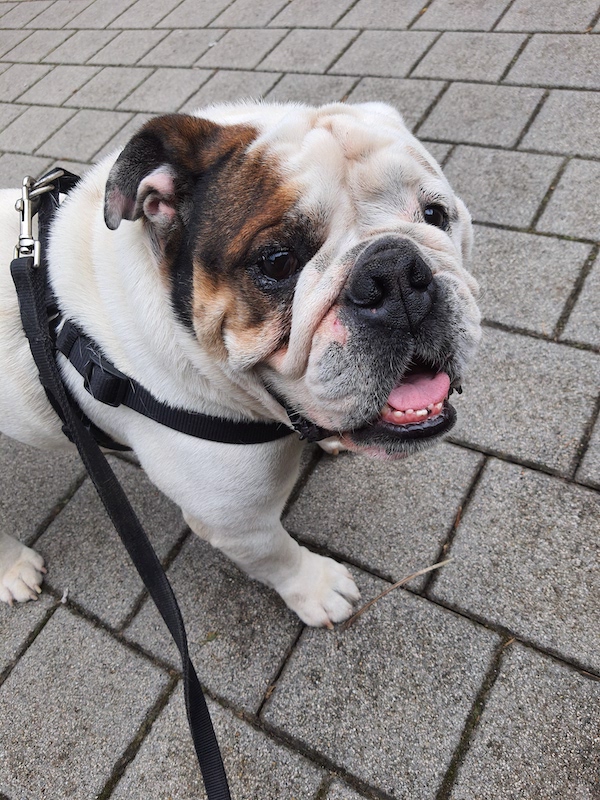
Olde English Bulldogge
Temperament
About the Olde English Bulldogge
The Olde English Bulldogge is not a revival project — it's a deliberate reconstruction. In the early 1970s, David Leavitt of Coatesville, Pennsylvania set out to recreate the athletic, working bulldogs of the 18th century, the ones that existed before generations of show-ring breeding compressed the modern English Bulldog into its current form. Leavitt wasn't working from nostalgia alone. He had a framework: a livestock line-breeding scheme developed by Nathan Fechimer, a professor in the Department of Dairy Science at Ohio State University. By applying that model to dogs, Leavitt crossed English Bulldogs with American Bulldogs, Bullmastiffs, and American Pit Bull Terriers to produce a dog that physically resembled the bulldogs of roughly 1820 — muscular, proportionate, with a functional muzzle — but with a stable, non-aggressive temperament.
The breed spent decades developing outside mainstream kennel club systems. The Canine Developmental, Health and Performance Registry, a privately held organization based in Kalamazoo, Michigan, began registering Olde English Bulldogges in the early 2000s and worked under a unique cooperative agreement with the United Kennel Club to develop breeding strategies aimed at producing dogs eligible for UKC registration. That recognition came in January 2014, when the UKC formally accepted the Olde English Bulldogge, placing it in the Guardian Dog Group. The breed is not recognized by the American Kennel Club and has no pending AKC recognition status as of this writing.
The Olde English Bulldogge is frequently confused with the standard English Bulldog, and the names are similar enough to cause persistent mix-ups. But these are distinct breeds with different structures, different health profiles, and different breed histories. The OEB was engineered to correct what selective breeding had done to the English Bulldog — U.S. researchers have specifically identified the Olde English Bulldogge as a viable outcross candidate to help rebuild the English Bulldog, a breed that genetic studies suggest is so deeply inbred it cannot recover without an infusion of outside bloodlines.
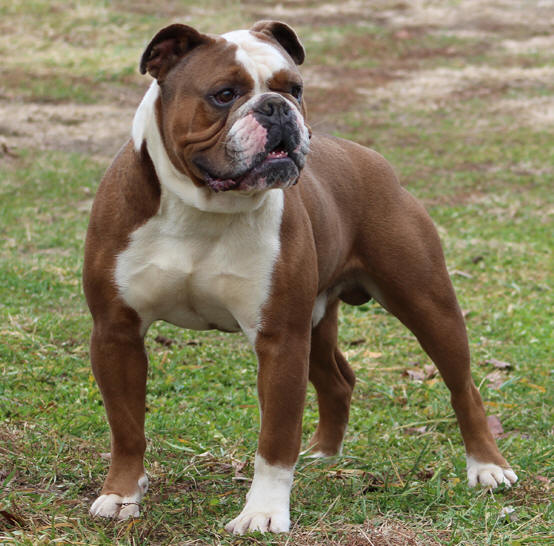
Physically, the OEB is a medium-to-large dog, typically weighing between 65 and 85 pounds with a head circumference that equals or exceeds the dog's height at the withers. The build is balanced and functional, with nothing exaggerated. This is a breed designed to move well, breathe adequately, and live into its teens — goals that shaped every decision in its development and continue to define responsible breeding today.
At a Glance
Quick Facts
- Breed Group:
- Non-Sporting
- Bred For:
- Companionship, guarding
- Origin:
- United States
- Life Span:
- 9 - 14 years
- Weight:
- 65 - 85 lbs
- Height:
- 15 - 19 in
💰 Olde English Bulldogge Cost Guide
Food · Vet · Grooming · Insurance · Full breakdown
Frequently Asked Questions
What is the temperament of a Olde English Bulldogge?
Olde English Bulldogges are known to be friendly, alert, confident, loving, courageous, strong. This combination of traits makes them wonderful companions for most households. Their temperament is influenced by both genetics and proper socialization from an early age.
How much exercise does a Olde English Bulldogge need?
Olde English Bulldogges have low energy levels and require minimal daily exercise, typically 15-30 minutes of gentle activity.
How often should I groom my Olde English Bulldogge?
Olde English Bulldogges need moderate grooming including brushing 2-3 times weekly and regular maintenance.
How do I train a Olde English Bulldogge?
Olde English Bulldogges are highly trainable and typically respond well to positive reinforcement methods.
Are Olde English Bulldogges good with children?
Olde English Bulldogges are generally not recommended with children. They generally prefer calm, predictable environments and may become stressed by the unpredictable movements and loud sounds typical of young children. Households with older, respectful children may be more suitable. Remember that proper socialization and teaching children appropriate interaction with dogs are always important, regardless of breed.
What makes the Olde English Bulldogge unique compared to other dog breeds?
The Olde English Bulldogge stands out from other breeds due to its rich heritage from United States, natural protective instincts. This unique combination of characteristics makes them special among dog breeds and appeals to owners who appreciate these distinct qualities. Understanding these traits helps provide appropriate care tailored to their specific needs.
What should I know before getting a Olde English Bulldogge?
Before bringing a Olde English Bulldogge into your home, potential owners should consider: They have relatively low exercise needs (2/5), making them suitable for less active households. They may not be ideal for families with young children (2/5 child-friendliness). They're typically highly trainable (4/5) and eager to learn. Their large size requires adequate living space. They may be prone to breed-specific health issues including Hip Dysplasia, Elbow Dysplasia, Brachycephalic Syndrome, Bloat (GDV), Skin Fold Dermatitis. Additionally, researching reputable breeders or rescue organizations is essential for finding a healthy, well-socialized Olde English Bulldogge. Understanding these factors will help ensure a good match between the breed and your lifestyle, leading to a happy relationship for both you and your dog.
What were Olde English Bulldogges originally bred for?
Olde English Bulldogges were originally bred for companionship, guarding. This protective background explains their naturally alert, territorial nature and sometimes reserved attitude toward strangers. As part of the Non-Sporting group, they share characteristics with other breeds developed for similar purposes. Understanding your Olde English Bulldogge's breeding heritage helps explain many of their natural behaviors and instincts, which can be channeled appropriately through training and enrichment activities. Even though modern Olde English Bulldogges are primarily companions, these inherent traits remain part of their genetic makeup.
How long do Olde English Bulldogges typically live?
The average lifespan of a Olde English Bulldogge is 9 - 14 years. With proper care including quality nutrition, regular veterinary check-ups, appropriate exercise, and preventative healthcare, some Olde English Bulldogges may live beyond this range. Genetics, environment, and healthcare all play important roles in determining longevity.
Is the Olde English Bulldogge the same as an English Bulldog?
No — these are two distinct breeds with different origins, structures, and health profiles. The Olde English Bulldogge was deliberately developed in the 1970s by David Leavitt of Pennsylvania using crossbreeding with American Bulldogs, Bullmastiffs, and American Pit Bull Terriers to recreate the working bulldogs of the 18th century. The result is a more athletic, longer-muzzled dog with fewer respiratory issues than the modern English Bulldog. The OEB is recognized by the United Kennel Club; the English Bulldog is recognized by the AKC. They share a visual similarity but are not the same breed.
Can an Olde English Bulldogge handle heat and exercise?
Better than an English Bulldog, but with real limitations. The OEB's longer muzzle allows for more efficient airflow than the modern English Bulldog, which means most Olde English Bulldogges can handle moderate exercise reasonably well. However, this is still a brachycephalic breed, and individuals with more compressed facial structure can overheat quickly. Exercise should be scheduled during cooler parts of the day in summer, kept to 20–40 minute sessions, and always paired with access to water and shade. Watch for excessive panting, drooling, or reluctance to continue moving — these are early signs of heat stress in this breed.
How long do Olde English Bulldogges live?
The Olde English Bulldogge has a lifespan of approximately 9 to 14 years, which is notably longer than the modern English Bulldog's typical 8 to 10 years. This extended longevity was a stated goal of the breed's creator, David Leavitt, who wanted to move away from the health problems compressing the lifespan of the show English Bulldog. Dogs that receive appropriate health screening from their breeders, are kept at a healthy weight, and receive regular veterinary care are most likely to reach the upper range of that lifespan. Joint disease and respiratory complications are the conditions most likely to affect quality of life in older dogs of this breed.
Are Olde English Bulldogges good with kids and other pets?
Generally yes, but socialization quality matters enormously. The OEB has a naturally affectionate, loyal temperament and tends to bond closely with family members including children. Their size and enthusiasm as younger dogs means supervision is appropriate around small children — not because of aggression, but because a 75-pound dog playing enthusiastically can knock over a toddler without any bad intent. With other dogs, early socialization is critical. Dogs that are well-socialized from puppyhood typically do fine with other pets. Dogs that come from under-socialized backgrounds may show same-sex dog aggression or territorial behavior, which is manageable but requires experienced handling.
Additional Characteristics
Care Requirements
They have a low to moderate energy level and need regular but not extensive exercise.
They need moderate grooming, including regular brushing and occasional professional care.
Highly trainable — quick to learn and eager to please
They can be suitable with older, respectful children but may not be ideal for young children.
Olde English Bulldogge
Complete Breed Guide
About the Olde English Bulldogge
The Olde English Bulldogge originated in the United States as a recreation of the historical bulldog breed, aiming to produce a healthier and more athletic dog. This breed typically weighs between 65 to 85 pounds and stands 15 to 19 inches tall, featuring a muscular build, broad head, and a loose, wrinkled skin. Known for their friendly and confident temperament, Olde English Bulldogges are alert and courageous, making them excellent companions and family pets.
Olde English Bulldogges are known for being friendly, alert, confident, loving, courageous, and strong. As a low-key and calm breed, they are highly responsive to training and thrive with regular mental and physical activity. They are better suited to households without young children and friendly with other dogs, making them a popular choice for families and experienced dog owners alike.
Caring for a Olde English Bulldogge means committing to moderate grooming every week or two, regular daily walks, and positive-reinforcement training. They do best in structured environments with experienced dog owners.
At a Glance
Quick Facts
- Breed Group:
- Non-Sporting
- Bred For:
- Companionship, guarding
- Origin:
- United States
- Life Span:
- 9 - 14 years
- Weight:
- 65 - 85 lbs
- Height:
- 15 - 19 in
Temperament
Free Olde English Bulldogge Health Guide
Olde English Bulldogges can be prone to Hip Dysplasia and other conditions. Get our owner's health checklist and monthly vet tips — free.
- ✓Olde English Bulldogge-specific health warning signs
- ✓Vet visit checklist & cost tracker
- ✓Monthly breed health newsletter
Finding similar breeds...
How We Find Similar Breeds
We analyze breed characteristics including temperament, size, appearance, and care needs to identify the most similar dog breeds. This helps you discover alternatives that might be a good match for your lifestyle and preferences.
Adopt a Olde English Bulldogge
Filter to show only purebred Olde English Bulldogges (excludes mixed breeds and crosses)
Find Dogs Near You
Enter your location to discover adoptable pets nearby
How to Adopt a Olde English Bulldogge
Follow these steps to ensure a smooth and responsible adoption process. Remember that adopting a dog is a lifelong commitment.
Research the Breed
Learn everything you can about Olde English Bulldogges, including their temperament, exercise needs, grooming requirements, and potential health issues.
Find Reputable Sources
Look for adoptable dogs through shelters, rescue organizations, or responsible breeders. Avoid puppy mills and online scams.
Apply for Adoption
Complete an adoption application with your chosen organization. Be prepared to provide references and possibly go through a home visit.
Meet Your Potential Pet
Schedule a meeting with the dog to assess compatibility with you, your family, and any existing pets.
Prepare Your Home
Gather necessary supplies and dog-proof your home before bringing your new pet home.
1Essential Supplies
Food and water bowls, high-quality dog food, collar with ID tag, leash, bed, crate, toys, treats, grooming supplies, and cleaning products for accidents.
2Create a Safe Space
Designate an area where your dog can retreat when feeling overwhelmed. This could be a crate with comfortable bedding or a quiet corner with their bed.
3Remove Hazards
Secure or remove toxic plants, chemicals, small objects that could be swallowed, and foods that are harmful to dogs. Use baby gates if needed to restrict access to certain areas.
4Find a Veterinarian
Research and choose a veterinarian before bringing your dog home, and schedule an initial check-up shortly after adoption.
What is the dog's background and history?
Understanding a dog's past can help you anticipate potential behavior issues and provide appropriate support.
Has the dog been spayed/neutered and vaccinated?
This information is important for planning future veterinary care and understanding any immediate medical needs.
What is the dog's energy level and exercise needs?
Olde English Bulldogges typically need regular exercise to stay healthy and happy. Ask about specific exercise requirements.
Has the dog been socialized with other animals and people?
This helps you understand how the dog might interact with your family, friends, and other pets.
Are there any known behavioral or health issues?
Knowing about existing issues helps you prepare for any special care or training needs.
Special Considerations for Olde English Bulldogges
- Olde English Bulldogges may have specific health concerns that require regular monitoring.
- Consider how the typical Olde English Bulldogge temperament aligns with your lifestyle.
- Research the grooming needs of Olde English Bulldogges to ensure you can commit to the required maintenance.
- Understand the exercise requirements of Olde English Bulldogges to keep them healthy and prevent behavior problems.
- Learn about proper training methods that work well with Olde English Bulldogges.
Product Recommendations for Olde English Bulldogges
See all →Vet-reviewed picks for food, insurance, crates, brushes, treats, and toys — matched to this breed.
Compare Olde English Bulldogge with Similar Breeds
See how the Olde English Bulldogge stacks up against other breeds side by side.