


Pekingese
Temperament
About the Pekingese
The Pekingese is one of the oldest dog breeds in recorded history, with DNA studies confirming it among the 14 most ancient breeds recognized by the American Kennel Club. Its origins trace to the Tang Dynasty of 8th-century China, where palace eunuchs oversaw extensive breeding programs inside the Imperial court, selectively developing a dog that resembled the lion — a sacred animal in Buddhist iconography. These early dogs were called ha pa dogs and later foo dogs, and they lived lives of extraordinary privilege. Common people were required to bow to them. Theft of a Pekingese was punishable by death. The breed takes its name from Peking, the former name of Beijing, where the Forbidden City housed the Imperial palace and its famous canine residents.
The Western world's introduction to the Pekingese came abruptly and through conquest. When British and French forces looted the Old Summer Palace in Beijing during the Second Opium War in 1860, five Pekingese were discovered hiding near the body of their deceased owner, a relative of Emperor Xianfeng. British General Lord Hay claimed two of them, and a fifth was presented to Queen Victoria, who named her 'Looty.' These five dogs became the founding stock from which Western bloodlines descended. The breed was formally recognized by the AKC in 1906 and is currently governed in the United States by the Pekingese Club of America, which was founded in 1909 and remains the AKC parent club for the breed.
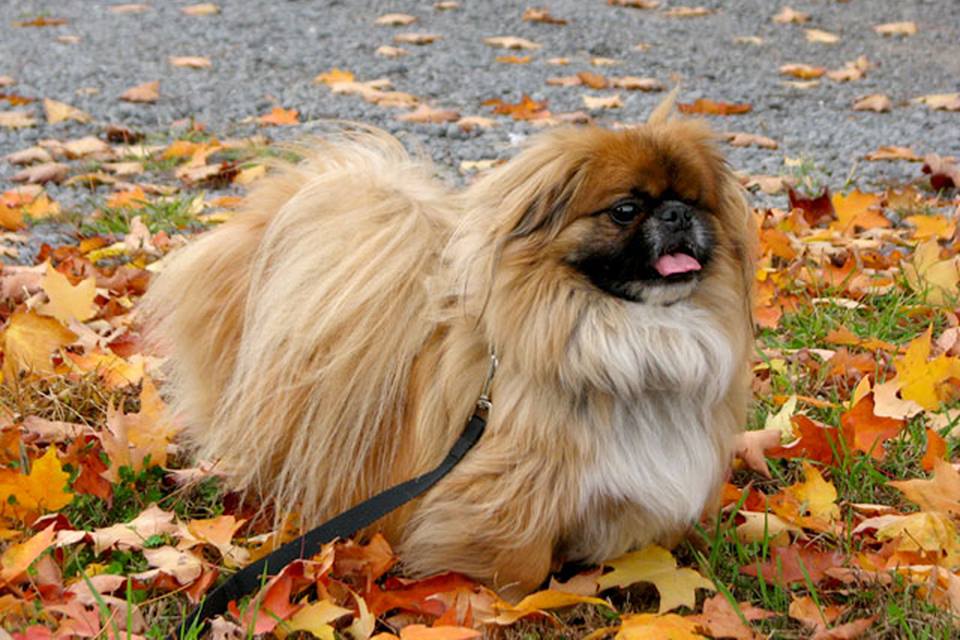
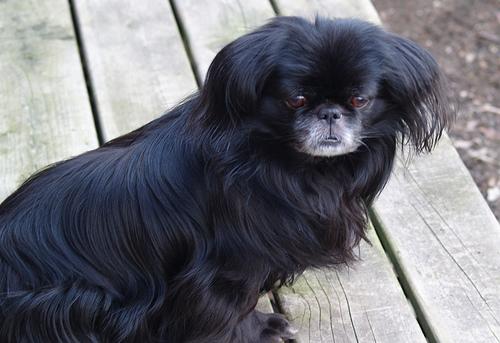
What sets the Pekingese apart from its flat-faced Chinese contemporaries — the Pug and the Shih Tzu — is not merely aesthetics but attitude and structure. The Pekingese carries a distinctive rolling gait caused by its unusually heavy, bowed front legs relative to its lighter hindquarters. Its silhouette is unmistakable: a broad, flat face with a massive mane of fur thickest around the neck and shoulders, a pear-shaped body, and a plumed tail that curls over the back. The coat comes in virtually all colors and combinations, including red, sable, black and tan, cream, and parti-color.
Unlike the Shih Tzu, which was bred in part to be approachable and sociable with strangers, the Pekingese retains a more aristocratic independence. It was never a working dog, never a herding or hunting breed, and never adapted to function outside the lap of a royal. That singular purpose — companion to emperors — shaped every behavioral and physical trait the breed carries today. The AKC currently ranks the Pekingese 87th out of 205 recognized breeds in popularity, a respectable position for a breed with such a narrow historical role.
At a Glance
Quick Facts
- Breed Group:
- Toy
- Bred For:
- Lapdog
- Origin:
- China
- Life Span:
- 14 - 18 years
- Weight:
- 14 lbs
- Height:
- 6 - 9 in
💰 Pekingese Cost Guide
Food · Vet · Grooming · Insurance · Full breakdown
Frequently Asked Questions
What is the temperament of a Pekingese?
Pekingeses are known to be good-natured, stubborn, affectionate, aggressive, intelligent, playful, friendly, protective, loyal, curious, quiet, independent. This combination of traits makes them excellent companions for families with children. Their temperament is influenced by both genetics and proper socialization from an early age.
How much exercise does a Pekingese need?
Pekingeses are high-energy dogs requiring 60+ minutes of vigorous daily exercise and mental stimulation.
How often should I groom my Pekingese?
Pekingeses need moderate grooming including brushing 2-3 times weekly and regular maintenance.
How do I train a Pekingese?
Pekingeses are highly trainable and typically respond well to positive reinforcement methods.
Are Pekingeses good with children?
Pekingeses are excellent with children. Their natural patience, gentle nature, and resilience make them outstanding family dogs. They typically form strong bonds with children and tend to be forgiving of the occasional accidental rough handling that can occur with younger kids. Remember that proper socialization and teaching children appropriate interaction with dogs are always important, regardless of breed.
What makes the Pekingese unique compared to other dog breeds?
The Pekingese stands out from other breeds due to its tiny, compact size, rich heritage from China, specialized abilities for lapdog. This unique combination of characteristics makes them special among dog breeds and appeals to owners who appreciate these distinct qualities. Understanding these traits helps provide appropriate care tailored to their specific needs.
What should I know before getting a Pekingese?
Before bringing a Pekingese into your home, potential owners should consider: They have high exercise requirements (4/5) and need an active owner. They typically excel in family environments with children (5/5 child-friendliness). They're typically highly trainable (4/5) and eager to learn. They may be prone to breed-specific health issues including Brachycephalic Obstructive Airway Syndrome, Intervertebral Disc Disease, Patellar Luxation, Eye Conditions (Corneal Ulcers), Syringomyelia, Heat Sensitivity. Additionally, researching reputable breeders or rescue organizations is essential for finding a healthy, well-socialized Pekingese. Understanding these factors will help ensure a good match between the breed and your lifestyle, leading to a happy relationship for both you and your dog.
What were Pekingeses originally bred for?
Pekingeses were originally bred for lapdog. This companion-focused breeding has resulted in their affectionate, people-oriented temperament that makes them excellent pets. As part of the Toy group, they share characteristics with other breeds developed for similar purposes. Understanding your Pekingese's breeding heritage helps explain many of their natural behaviors and instincts, which can be channeled appropriately through training and enrichment activities. Even though modern Pekingeses are primarily companions, these inherent traits remain part of their genetic makeup.
How long do Pekingeses typically live?
The average lifespan of a Pekingese is 14 - 18 years. With proper care including quality nutrition, regular veterinary check-ups, appropriate exercise, and preventative healthcare, some Pekingeses may live beyond this range. Genetics, environment, and healthcare all play important roles in determining longevity.
Are Pekingese good dogs for apartments?
Yes, the Pekingese is genuinely well-suited to apartment living. The breed has low to moderate energy levels, does not require long daily walks, and is relatively quiet compared to many toy breeds. A Pekingese is satisfied with short walks and brief indoor play sessions. The more important consideration for apartment living is the breed's heat sensitivity — apartments without reliable air conditioning are problematic during summer months. BOAS means the Pekingese cannot thermoregulate efficiently through panting like a normal dog, so a cool environment is not a luxury; it's a health requirement. With proper climate control, a Pekingese will thrive in a small space and generally adapts well to urban environments.
Do Pekingese bark a lot?
Pekingese are not considered excessive barkers by toy breed standards, but they will alert bark when strangers approach or when something in their environment seems out of order. Their watchdog instinct is genuine — these dogs were bred in imperial palaces where alerting their owners to intruders was an actual function. Most Pekingese are selective about barking rather than compulsive, meaning they are not typically the type to bark nonstop at nothing. However, a Pekingese that has been poorly socialized or that has learned barking gets it picked up or given attention can develop problem barking. Consistent training from early on, particularly around not rewarding alert barking with immediate attention, keeps this tendency manageable.
How much grooming does a Pekingese need?
The Pekingese has a long, dense double coat that requires significant grooming commitment. Daily brushing is necessary to prevent matting, particularly in the mane area around the neck and behind the ears, where the coat is thickest and most prone to tangling. Professional grooming every 6 to 8 weeks is strongly recommended to maintain coat health, trim around the eyes and sanitary areas, and manage shedding. The facial folds around the flat muzzle must be cleaned regularly — ideally daily — to prevent moisture accumulation and skin infections. Some owners choose to keep their Pekingese in a shorter 'puppy trim' to reduce the daily grooming burden, which is a completely practical choice for a pet-quality dog not shown in conformation.
Are Pekingese good with kids?
Pekingese are generally not recommended for households with very young children. The breed has an independent and sometimes imperious temperament and does not tolerate rough handling well. A Pekingese that is grabbed, chased, or startled may snap, and the breed does not typically give extensive warning before reacting. Additionally, the dog's physical structure makes it more fragile than its confident demeanor suggests — the protruding eyes are vulnerable to accidental injury, and the spine cannot tolerate the kind of rough play that sturdier breeds absorb. Pekingese can coexist well with older children who understand how to approach a dog calmly and respectfully, but as a general rule, this breed is better matched to adult-only households or families with children over 10.
Additional Characteristics
Care Requirements
They are high-energy dogs that need significant daily exercise and mental stimulation.
They need moderate grooming, including regular brushing and occasional professional care.
Highly trainable — quick to learn and eager to please
They are excellent with children and often form strong bonds with them.
Pekingese
Complete Breed Guide
About the Pekingese
The Pekingese is a toy breed that originated in China, where it was revered as a companion dog by Chinese royalty. Typically weighing around 14 pounds and standing 6 to 9 inches tall, they have a distinctive long, flowing coat and a flat face. Known for their independent and opinionated temperament, Pekingese are affectionate and loyal to their families but can be protective and stubborn, making them both playful companions and vigilant watchdogs. Their lifespan ranges from 14 to 18 years.
Pekingeses are known for being good-natured, stubborn, affectionate, aggressive, intelligent, and playful, friendly, protective. As a high-energy breed, they are highly responsive to training and thrive with regular mental and physical activity. They are excellent with children of all ages and friendly with other dogs, making them a popular choice for families and experienced dog owners alike.
Caring for a Pekingese means committing to moderate grooming every week or two, vigorous daily exercise, and consistent training from an early age. Their gentle, social nature makes them a wonderful addition to active families.
At a Glance
Quick Facts
- Breed Group:
- Toy
- Bred For:
- Lapdog
- Origin:
- China
- Life Span:
- 14 - 18 years
- Weight:
- 14 lbs
- Height:
- 6 - 9 in
Temperament
Free Pekingese Health Guide
Pekingeses can be prone to Brachycephalic Obstructive Airway Syndrome and other conditions. Get our owner's health checklist and monthly vet tips — free.
- ✓Pekingese-specific health warning signs
- ✓Vet visit checklist & cost tracker
- ✓Monthly breed health newsletter
Finding similar breeds...
How We Find Similar Breeds
We analyze breed characteristics including temperament, size, appearance, and care needs to identify the most similar dog breeds. This helps you discover alternatives that might be a good match for your lifestyle and preferences.
Explore Related Breeds & Guides
Adopt a Pekingese
Filter to show only purebred Pekingeses (excludes mixed breeds and crosses)
Find Dogs Near You
Enter your location to discover adoptable pets nearby
How to Adopt a Pekingese
Follow these steps to ensure a smooth and responsible adoption process. Remember that adopting a dog is a lifelong commitment.
Research the Breed
Learn everything you can about Pekingeses, including their temperament, exercise needs, grooming requirements, and potential health issues.
Find Reputable Sources
Look for adoptable dogs through shelters, rescue organizations, or responsible breeders. Avoid puppy mills and online scams.
Apply for Adoption
Complete an adoption application with your chosen organization. Be prepared to provide references and possibly go through a home visit.
Meet Your Potential Pet
Schedule a meeting with the dog to assess compatibility with you, your family, and any existing pets.
Prepare Your Home
Gather necessary supplies and dog-proof your home before bringing your new pet home.
1Essential Supplies
Food and water bowls, high-quality dog food, collar with ID tag, leash, bed, crate, toys, treats, grooming supplies, and cleaning products for accidents.
2Create a Safe Space
Designate an area where your dog can retreat when feeling overwhelmed. This could be a crate with comfortable bedding or a quiet corner with their bed.
3Remove Hazards
Secure or remove toxic plants, chemicals, small objects that could be swallowed, and foods that are harmful to dogs. Use baby gates if needed to restrict access to certain areas.
4Find a Veterinarian
Research and choose a veterinarian before bringing your dog home, and schedule an initial check-up shortly after adoption.
What is the dog's background and history?
Understanding a dog's past can help you anticipate potential behavior issues and provide appropriate support.
Has the dog been spayed/neutered and vaccinated?
This information is important for planning future veterinary care and understanding any immediate medical needs.
What is the dog's energy level and exercise needs?
Pekingeses typically need regular exercise to stay healthy and happy. Ask about specific exercise requirements.
Has the dog been socialized with other animals and people?
This helps you understand how the dog might interact with your family, friends, and other pets.
Are there any known behavioral or health issues?
Knowing about existing issues helps you prepare for any special care or training needs.
Special Considerations for Pekingeses
- Pekingeses may have specific health concerns that require regular monitoring.
- Consider how the typical Pekingese temperament aligns with your lifestyle.
- Research the grooming needs of Pekingeses to ensure you can commit to the required maintenance.
- Understand the exercise requirements of Pekingeses to keep them healthy and prevent behavior problems.
- Learn about proper training methods that work well with Pekingeses.
 Pekingese — Official AKC Breed VideoAmerican Kennel Club
Watch the official AKC video covering temperament, history, traits, and care.
Watch on YouTube →Product Recommendations for Pekingeses
See all →Vet-reviewed picks for food, insurance, crates, brushes, treats, and toys — matched to this breed.
Compare Pekingese with Similar Breeds
See how the Pekingese stacks up against other breeds side by side.