
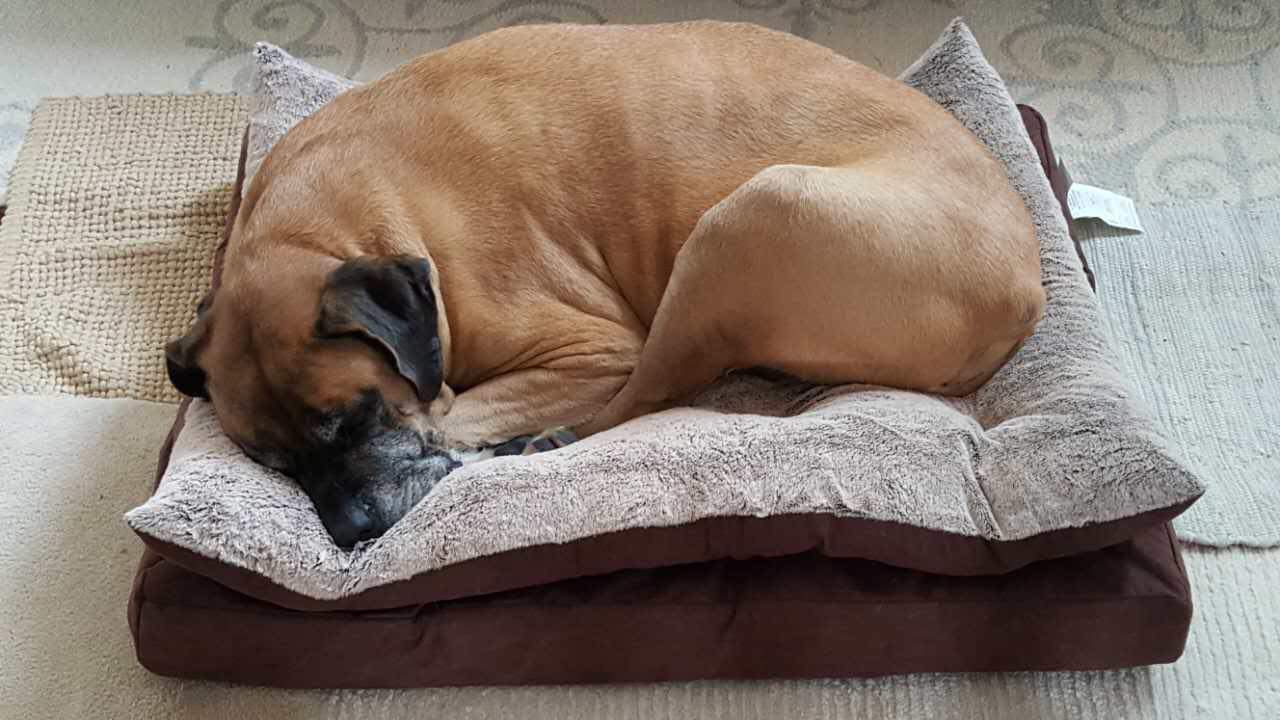

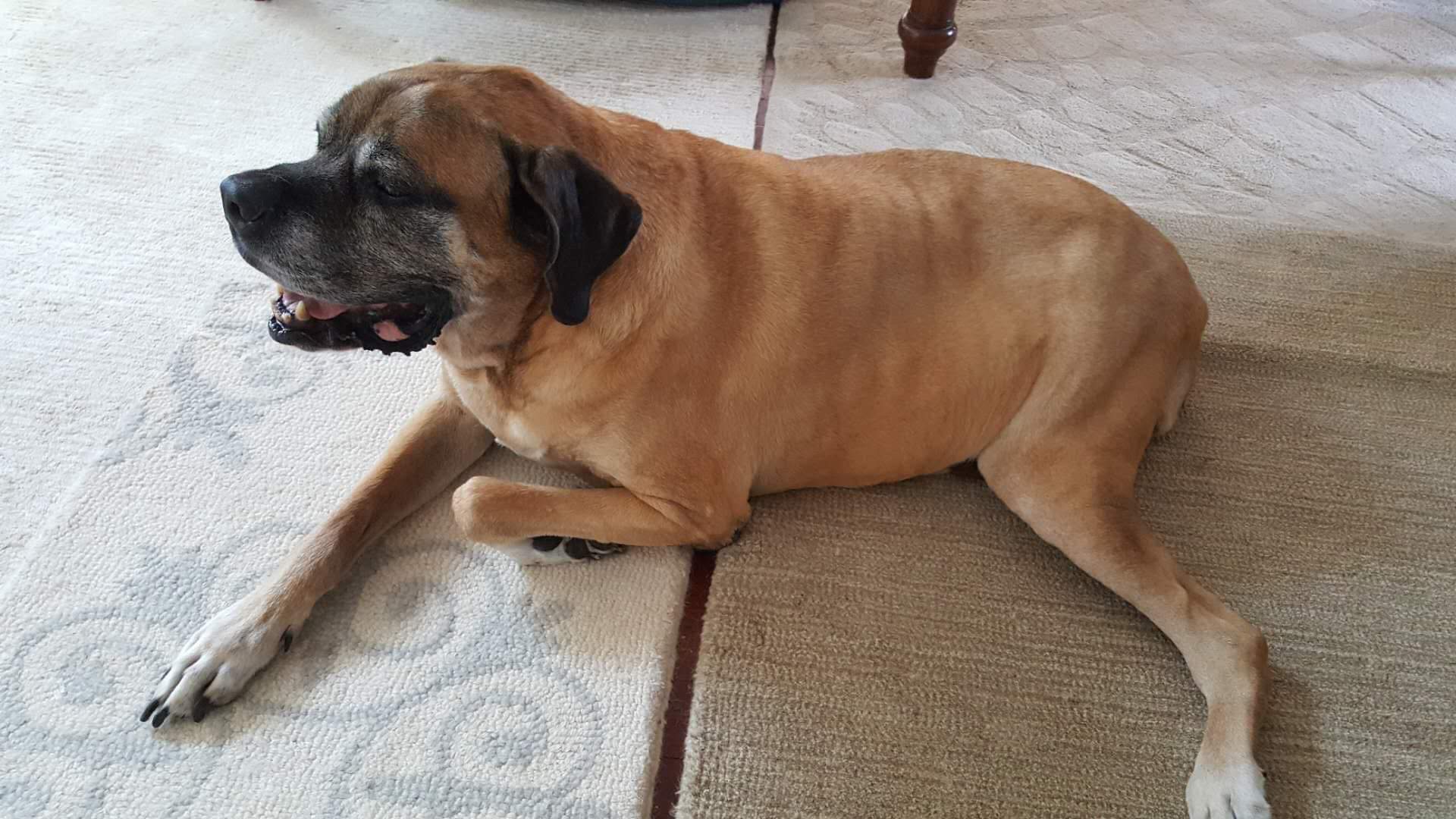

Perro de Presa Canario
Temperament
About the Perro de Presa Canario
The Perro de Presa Canario is a breed with roots that stretch back centuries on the volcanic archipelago of the Canary Islands, specifically Gran Canaria and Tenerife. Its ancestors likely arrived with Spanish settlers and their working dogs during the 15th and 16th centuries, with some researchers tracing mastiff-type dogs in the region as far back as Roman times. The breed was shaped by the demands of island life — driving and holding cattle, guarding farms, and protecting livestock from stray dogs and predators. This dual function as both herding dog and property guardian created a dog that is simultaneously controllable around livestock and formidably assertive when a threat presents itself.
By the 20th century, the breed had declined sharply. The legalization of dog fighting in Spain prior to 1936 had drawn the Presa into the pit, and cross-breeding with other fighting breeds — including the English Mastiff and the American Pit Bull Terrier — had diluted the original working type considerably. After dog fighting was outlawed, interest in maintaining a pure working strain faded further, and by the 1960s the breed was nearly extinct. Recovery efforts began in earnest in the 1970s, led by Dr. Carl Semencic, an American anthropologist and author who helped document and publicize the breed internationally, and by Spanish breeders on the islands who worked to reconstruct the original type from the remaining working dogs in Gran Canaria.
In Spain, the breed is governed by the Club Español del Presa Canario, and it received official recognition from the Real Sociedad Canina de España. The Fédération Cynologique Internationale (FCI) recognized the Perro de Presa Canario under Standard No. 346 in 2011, placing it in Group 2 with Pinschers, Schnauzers, and Molossian breeds. In the United States, the American Kennel Club has not granted full recognition to the breed; it currently holds status within the AKC's Foundation Stock Service, which is the first step in the recognition process. The United Kennel Club recognized the breed in 2003.
What separates the Presa from related molosser breeds is its combination of a working herding history alongside its guardian function — something neither the Cane Corso nor the Dogue de Bordeaux shares to the same degree. It is lower to the ground and more rectangular in body than the Mastiff, more powerfully built than the Cane Corso, and more reserved and less demonstrably aggressive than the Fila Brasileiro. The Presa's expression — wide, flat skull, dark almond-shaped eyes, and a broad muzzle — conveys calm authority rather than overt aggression, which accurately reflects the temperament the original breeders were working toward.
At a Glance
Quick Facts
- Breed Group:
- Working
- Origin:
- Spain (Canary Islands)
- Life Span:
- 10 - 12 years
- Weight:
- 88 - 110 lbs
- Height:
- 22 - 25.5 in
💰 Perro de Presa Canario Cost Guide
Food · Vet · Grooming · Insurance · Full breakdown
Frequently Asked Questions
What is the temperament of a Perro de Presa Canario?
Perro de Presa Canarios are known to be strong willed, suspicious, gentle, dominant, calm. This combination of traits makes them wonderful companions for most households. Their temperament is influenced by both genetics and proper socialization from an early age.
How much exercise does a Perro de Presa Canario need?
Perro de Presa Canarios have moderate energy levels and need 30-60 minutes of daily exercise including walks and playtime.
How often should I groom my Perro de Presa Canario?
Perro de Presa Canarios require intensive grooming with daily brushing and regular professional grooming sessions.
How do I train a Perro de Presa Canario?
Perro de Presa Canarios are highly trainable and typically respond well to positive reinforcement methods.
Are Perro de Presa Canarios good with children?
Perro de Presa Canarios are moderately good with children. They can adapt well to family life when properly socialized with children. Teaching children to respect the dog's boundaries and supervising interactions will help ensure a positive relationship. Remember that proper socialization and teaching children appropriate interaction with dogs are always important, regardless of breed.
What makes the Perro de Presa Canario unique compared to other dog breeds?
The Perro de Presa Canario stands out from other breeds due to its rich heritage from Spain (Canary Islands). This unique combination of characteristics makes them special among dog breeds and appeals to owners who appreciate these distinct qualities. Understanding these traits helps provide appropriate care tailored to their specific needs.
What should I know before getting a Perro de Presa Canario?
Before bringing a Perro de Presa Canario into your home, potential owners should consider: Their coat requires significant maintenance (4/5) with regular grooming sessions. They're typically highly trainable (5/5) and eager to learn. Their large size requires adequate living space. They may be prone to breed-specific health issues including Hip Dysplasia, Elbow Dysplasia, Heart Disease, Epilepsy, Patellar Luxation. Additionally, researching reputable breeders or rescue organizations is essential for finding a healthy, well-socialized Perro de Presa Canario. Understanding these factors will help ensure a good match between the breed and your lifestyle, leading to a happy relationship for both you and your dog.
What were Perro de Presa Canarios originally bred for?
As part of the Working group, they share characteristics with other breeds developed for similar purposes. Understanding your Perro de Presa Canario's breeding heritage helps explain many of their natural behaviors and instincts, which can be channeled appropriately through training and enrichment activities. Even though modern Perro de Presa Canarios are primarily companions, these inherent traits remain part of their genetic makeup.
How long do Perro de Presa Canarios typically live?
The average lifespan of a Perro de Presa Canario is 10 - 12 years. With proper care including quality nutrition, regular veterinary check-ups, appropriate exercise, and preventative healthcare, some Perro de Presa Canarios may live beyond this range. Genetics, environment, and healthcare all play important roles in determining longevity.
Is the Perro de Presa Canario a good family dog?
The Perro de Presa Canario can be deeply loyal and calm within its own family, but it is not a universally family-friendly breed in the way a Labrador or Golden Retriever is. With its own household members — including children it has been raised with — the Presa is typically gentle and protective. The challenges arise with the breed's natural dominance, its size, and its instinctive suspicion of people outside the family unit. Homes with very young children require careful supervision simply because of the dog's physical weight and presence. The breed does best in families where at least one adult has genuine experience managing large, dominant guardian breeds and where consistent rules are maintained by everyone in the household. Families with older children who understand how to interact with dogs are generally better suited to this breed than those with toddlers.
Are Presa Canarios dangerous?
The Presa Canario is a powerful breed with a documented history of serious incidents when poorly bred, improperly socialized, or mishandled — most notably a fatal attack in San Francisco in 2001 that brought significant national attention to the breed. That history cannot be ignored. However, the breed's temperament when properly bred and handled is described as calm and confident rather than randomly aggressive. The Presa's danger profile is not rooted in instability or unpredictability the way some breeds are; it stems from its size, its guardian instincts, and its willingness to act decisively when it perceives a threat. A Presa raised with thorough socialization, consistent training, and experienced ownership is a very different animal from one that has been neglected, abused, or bred from unstable lines. The breed is banned or restricted in several countries and some U.S. municipalities, so checking local ordinances before acquiring one is essential.
How much exercise does a Presa Canario need daily?
The Presa Canario requires moderate but consistent daily exercise — more than many people expect from a large, seemingly stoic dog. Two solid walks per day totaling 45 to 60 minutes is a reasonable baseline for an adult dog, supplemented by active play sessions or off-leash time in a securely fenced area. This is not a breed that demands two hours of running daily the way a working shepherd or sporting dog might, but it is also not a dog that will thrive in an apartment with minimal physical activity. Mental stimulation matters as much as physical exercise for this breed — a Presa that is physically tired but mentally under-stimulated can become destructive or increasingly dominant in the household. Puzzle feeders, scent work, and structured training sessions help fulfill the cognitive demands that come with a breed developed for independent decision-making work.
Do Presa Canarios get along with other dogs?
Same-sex dog aggression is a documented tendency in the Presa Canario, and it is more pronounced in males. The breed's history includes dog fighting, and while those fighting instincts are not the defining trait of a well-bred modern Presa, intolerance toward other dominant or challenging dogs — particularly of the same sex — is present in many individuals. Early socialization with other dogs improves tolerance, but it does not eliminate the underlying tendency. Multi-dog households with a Presa Canario are most successful when the other dog is of the opposite sex and has a temperament that does not challenge the Presa's dominance. Dog parks and off-leash environments with unknown dogs are genuinely risky with this breed — the Presa's reactions to perceived challenges from other dogs can escalate quickly and cause serious injury. Responsible Presa owners manage this proactively rather than hoping for the best.
Additional Characteristics
Care Requirements
They have a moderate energy level and benefit from daily walks and play sessions.
They have high grooming needs requiring frequent brushing and regular professional grooming.
Highly trainable — quick to learn and eager to please
They are moderately good with children, especially when properly socialized.
Perro de Presa Canario
Complete Breed Guide
About the Perro de Presa Canario
The Perro de Presa Canario, originating from the Canary Islands, was historically bred for working livestock and guarding property. This large and powerful breed typically weighs between 88 to 110 pounds and stands 22 to 25.5 inches tall. Known for their strong-willed and calm demeanor, they can be suspicious of strangers but are gentle with their families, making them effective guardians and loyal companions. Their lifespan ranges from 10 to 12 years.
Perro de Presa Canarios are known for being strong willed, suspicious, gentle, dominant, calm. As a moderately energetic breed, they are highly responsive to training and thrive with regular mental and physical activity. They are generally good with children and friendly with other dogs, making them a popular choice for families and experienced dog owners alike.
Caring for a Perro de Presa Canario means committing to regular grooming (brushing several times a week), regular daily walks, and positive-reinforcement training. With the right environment and socialization, they make loyal and loving companions.
At a Glance
Quick Facts
- Breed Group:
- Working
- Origin:
- Spain (Canary Islands)
- Life Span:
- 10 - 12 years
- Weight:
- 88 - 110 lbs
- Height:
- 22 - 25.5 in
Temperament
Free Perro de Presa Canario Health Guide
Perro de Presa Canarios can be prone to Hip Dysplasia and other conditions. Get our owner's health checklist and monthly vet tips — free.
- ✓Perro de Presa Canario-specific health warning signs
- ✓Vet visit checklist & cost tracker
- ✓Monthly breed health newsletter
Finding similar breeds...
How We Find Similar Breeds
We analyze breed characteristics including temperament, size, appearance, and care needs to identify the most similar dog breeds. This helps you discover alternatives that might be a good match for your lifestyle and preferences.
Explore Related Breeds & Guides
Adopt a Perro de Presa Canario
Filter to show only purebred Perro de Presa Canarios (excludes mixed breeds and crosses)
Find Dogs Near You
Enter your location to discover adoptable pets nearby
How to Adopt a Perro de Presa Canario
Follow these steps to ensure a smooth and responsible adoption process. Remember that adopting a dog is a lifelong commitment.
Research the Breed
Learn everything you can about Perro de Presa Canarios, including their temperament, exercise needs, grooming requirements, and potential health issues.
Find Reputable Sources
Look for adoptable dogs through shelters, rescue organizations, or responsible breeders. Avoid puppy mills and online scams.
Apply for Adoption
Complete an adoption application with your chosen organization. Be prepared to provide references and possibly go through a home visit.
Meet Your Potential Pet
Schedule a meeting with the dog to assess compatibility with you, your family, and any existing pets.
Prepare Your Home
Gather necessary supplies and dog-proof your home before bringing your new pet home.
1Essential Supplies
Food and water bowls, high-quality dog food, collar with ID tag, leash, bed, crate, toys, treats, grooming supplies, and cleaning products for accidents.
2Create a Safe Space
Designate an area where your dog can retreat when feeling overwhelmed. This could be a crate with comfortable bedding or a quiet corner with their bed.
3Remove Hazards
Secure or remove toxic plants, chemicals, small objects that could be swallowed, and foods that are harmful to dogs. Use baby gates if needed to restrict access to certain areas.
4Find a Veterinarian
Research and choose a veterinarian before bringing your dog home, and schedule an initial check-up shortly after adoption.
What is the dog's background and history?
Understanding a dog's past can help you anticipate potential behavior issues and provide appropriate support.
Has the dog been spayed/neutered and vaccinated?
This information is important for planning future veterinary care and understanding any immediate medical needs.
What is the dog's energy level and exercise needs?
Perro de Presa Canarios typically need regular exercise to stay healthy and happy. Ask about specific exercise requirements.
Has the dog been socialized with other animals and people?
This helps you understand how the dog might interact with your family, friends, and other pets.
Are there any known behavioral or health issues?
Knowing about existing issues helps you prepare for any special care or training needs.
Special Considerations for Perro de Presa Canarios
- Perro de Presa Canarios may have specific health concerns that require regular monitoring.
- Consider how the typical Perro de Presa Canario temperament aligns with your lifestyle.
- Research the grooming needs of Perro de Presa Canarios to ensure you can commit to the required maintenance.
- Understand the exercise requirements of Perro de Presa Canarios to keep them healthy and prevent behavior problems.
- Learn about proper training methods that work well with Perro de Presa Canarios.
Product Recommendations for Perro de Presa Canarios
See all →Vet-reviewed picks for food, insurance, crates, brushes, treats, and toys — matched to this breed.
Compare Perro de Presa Canario with Similar Breeds
See how the Perro de Presa Canario stacks up against other breeds side by side.