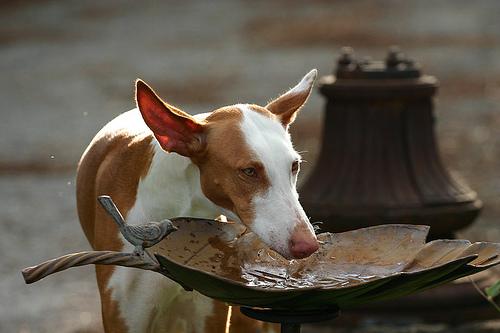
Pharaoh Hound
Temperament
About the Pharaoh Hound
The Pharaoh Hound's origin story is one of the most debated in the dog world. For decades, the breed was marketed as a direct descendant of the dogs depicted in ancient Egyptian tomb paintings and hieroglyphics dating back to 4400 BCE — lean, erect-eared hunters accompanying pharaohs into the field. That romantic narrative is difficult to fully confirm. Modern DNA analysis has complicated the picture considerably, pointing to Malta as the true cradle of the breed as we know it today rather than the banks of the Nile. What is well-documented is that the breed has been a functional hunting dog on the Maltese archipelago for centuries, used specifically to course rabbits through the island's punishing rocky terrain alongside ferrets. The Maltese name, Kelb tal-Fenek, translates plainly as "rabbit dog," and that working purpose defined everything about the breed's physical development.
The Pharaoh Hound is classified by the Fédération Cynologique Internationale in Group 5, alongside Spitz and primitive breeds, rather than in the sighthound group where many observers would instinctively place it. This distinction matters. Although the Pharaoh Hound hunts by both sight and scent — a combination that sets it apart from pure sighthounds like the Greyhound or Saluki — the FCI groups it with Mediterranean island hunting dogs that share an ancient, largely unmodified primitive type. Its closest relatives under this classification include the Cirneco dell'Etna from Sicily, the Podenco Ibicenco from Ibiza, the Podenco Canario from the Canary Islands, and the Portuguese Podengo. These breeds are strikingly similar in outline and function, all descended from the same ancient Mediterranean hunting dog lineage, but the Pharaoh Hound is the only one of these to carry strong international name recognition outside Europe.
In Malta, the Kelb tal-Fenek holds the status of national dog, a designation formalized in 1974. Internationally, the American Kennel Club officially recognized the Pharaoh Hound in 1983, placing it in the Hound Group, where it currently ranks 185th out of 205 recognized breeds in terms of registration popularity — making it genuinely rare in the United States. The Pharaoh Hound Club of America serves as the AKC parent club for the breed and is the primary resource for breed standards, health initiatives, and reputable breeder referrals in North America.
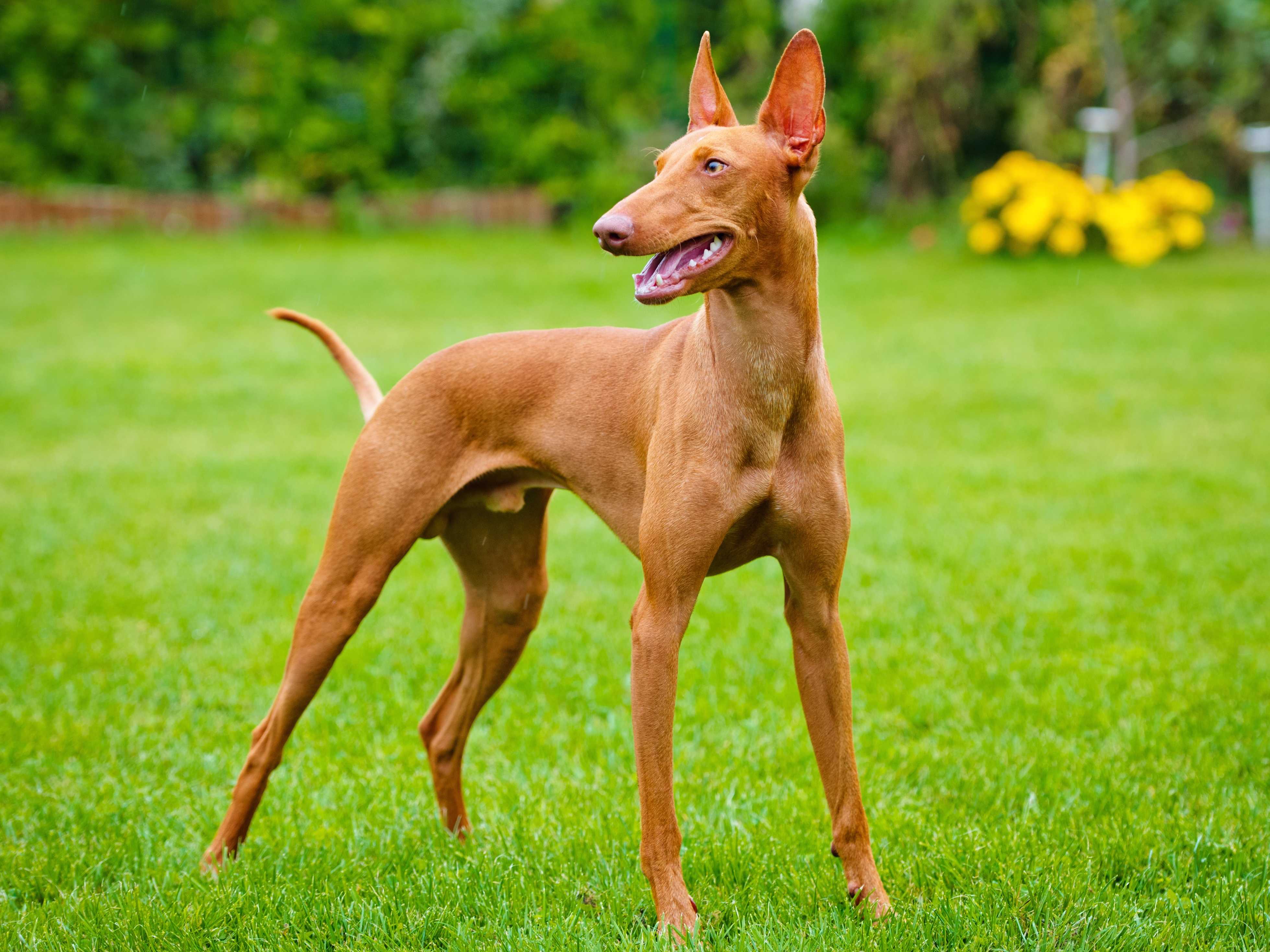
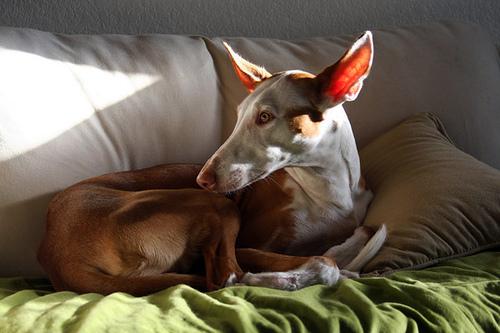
What most visibly distinguishes the Pharaoh Hound from its Mediterranean cousins is a physiological quirk no other breed possesses to the same degree: it blushes. When excited or happy, the breed's nose and ears flush a deep rose-pink due to increased blood flow visible through its thin, amber-toned skin. This is not an anecdotal observation — it is a documented, breed-specific trait that AKC breed standard descriptions explicitly mention and that has earned the Pharaoh Hound the enduring nickname "the Blushing Dog of Malta."
At a Glance
Quick Facts
- Breed Group:
- Hound
- Bred For:
- Hunting rabbits
- Origin:
- Egypt
- Life Span:
- 12 - 14 years
- Weight:
- 40 - 60 lbs
- Height:
- 21 - 25 in
💰 Pharaoh Hound Cost Guide
Food · Vet · Grooming · Insurance · Full breakdown
Frequently Asked Questions
What is the temperament of a Pharaoh Hound?
Pharaoh Hounds are known to be affectionate, sociable, playful, intelligent, active, friendly, quiet, loyal, dignified, brave. This combination of traits makes them excellent companions for families with children. Their temperament is influenced by both genetics and proper socialization from an early age.
How much exercise does a Pharaoh Hound need?
Pharaoh Hounds are high-energy dogs requiring 60+ minutes of vigorous daily exercise and mental stimulation.
How often should I groom my Pharaoh Hound?
Pharaoh Hounds require minimal grooming with weekly brushing and occasional baths.
How do I train a Pharaoh Hound?
Pharaoh Hounds are highly trainable and typically respond well to positive reinforcement methods.
Are Pharaoh Hounds good with children?
Pharaoh Hounds are excellent with children. Their natural patience, gentle nature, and resilience make them outstanding family dogs. They typically form strong bonds with children and tend to be forgiving of the occasional accidental rough handling that can occur with younger kids. Remember that proper socialization and teaching children appropriate interaction with dogs are always important, regardless of breed.
What makes the Pharaoh Hound unique compared to other dog breeds?
The Pharaoh Hound stands out from other breeds due to its dignified appearance and bearing, rich heritage from Egypt, exceptional hunting abilities. This unique combination of characteristics makes them special among dog breeds and appeals to owners who appreciate these distinct qualities. Understanding these traits helps provide appropriate care tailored to their specific needs.
What should I know before getting a Pharaoh Hound?
Before bringing a Pharaoh Hound into your home, potential owners should consider: They have high exercise requirements (4/5) and need an active owner. Their coat is relatively low-maintenance (2/5). They typically excel in family environments with children (5/5 child-friendliness). They're typically highly trainable (4/5) and eager to learn. They may be prone to breed-specific health issues including Autoimmune Conditions, Hypothyroidism, Patellar Luxation, Anesthesia Sensitivity. Additionally, researching reputable breeders or rescue organizations is essential for finding a healthy, well-socialized Pharaoh Hound. Understanding these factors will help ensure a good match between the breed and your lifestyle, leading to a happy relationship for both you and your dog.
What were Pharaoh Hounds originally bred for?
Pharaoh Hounds were originally bred for hunting rabbits. This hunting background explains their natural prey drive, scenting abilities, and often high energy levels. As part of the Hound group, they share characteristics with other breeds developed for similar purposes. Understanding your Pharaoh Hound's breeding heritage helps explain many of their natural behaviors and instincts, which can be channeled appropriately through training and enrichment activities. Even though modern Pharaoh Hounds are primarily companions, these inherent traits remain part of their genetic makeup.
How long do Pharaoh Hounds typically live?
The average lifespan of a Pharaoh Hound is 12 - 14 years. With proper care including quality nutrition, regular veterinary check-ups, appropriate exercise, and preventative healthcare, some Pharaoh Hounds may live beyond this range. Genetics, environment, and healthcare all play important roles in determining longevity.
Do Pharaoh Hounds really blush?
Yes, and it is genuinely visible. When a Pharaoh Hound becomes excited, happy, or emotionally engaged, blood flow increases to the nose and ears, causing them to flush a warm rose-pink color that stands out clearly against the breed's amber and tan coat. This happens because the breed has very thin, lightly pigmented skin with minimal subcutaneous fat — the same physical characteristics that contribute to their anesthesia sensitivity. The blushing response is documented in breed standards and is unique in its visibility among all recognized dog breeds, which is why the Pharaoh Hound carries the long-standing nickname 'the Blushing Dog of Malta.'
Are Pharaoh Hounds good with cats?
The honest answer is that it depends on the individual dog and the introduction process, but the default assumption should be caution. The Pharaoh Hound was bred specifically to chase and catch small, fast-moving animals — that prey drive is deeply ingrained and does not simply switch off in a domestic setting. Some Pharaoh Hounds coexist peacefully with cats they have been raised alongside from puppyhood, particularly when the cat holds its ground rather than fleeing. A cat that runs, however, can trigger a chase response that overrides any trained recall. Adults with unknown histories around small animals should be introduced to cats slowly, with permanent escape routes available to the cat, and should never be left unsupervised together until a long and consistent track record of calm coexistence has been established.
How much exercise does a Pharaoh Hound need daily?
Pharaoh Hounds are active, athletic dogs that need meaningful physical exercise every day — not a brief walk around the block, but genuine running. A minimum of 30 to 60 minutes of vigorous exercise daily is appropriate for an adult Pharaoh Hound in good health. Lure coursing is the breed's ideal physical outlet and directly satisfies the visual prey drive that defines the breed's working instinct. Safely fenced areas are non-negotiable for off-leash exercise — the breed's prey drive is strong enough to send them sprinting into traffic without hesitation when something triggers the chase. Pharaoh Hounds that receive adequate daily exercise settle remarkably well indoors and are not destructive or manic in the home. Under-exercised Pharaoh Hounds become anxious, vocal, and difficult to manage.
Is the Pharaoh Hound really from ancient Egypt?
The ancient Egypt origin story is compelling and has been a centerpiece of the breed's marketing for decades, but modern genetic analysis does not support it. DNA studies of the Pharaoh Hound do not show a direct genetic lineage to ancient Egyptian dogs. What the evidence does support is that the breed as it exists today developed in Malta over many centuries, likely descended from primitive Mediterranean hunting dogs that were traded and transported throughout the ancient Mediterranean world. The visual similarities to dogs depicted in Egyptian tomb art — including the famous resemblance to the jackal-headed god Anubis — are real, but they reflect a shared ancient Mediterranean hunting dog type rather than a direct unbroken lineage from pharaonic Egypt. The breed's Maltese name, Kelb tal-Fenek or 'rabbit dog,' is far more grounded in the breed's actual documented history and working purpose.
Additional Characteristics
Care Requirements
They are high-energy dogs that need significant daily exercise and mental stimulation.
They need regular but basic grooming such as weekly brushing.
Highly trainable — quick to learn and eager to please
They are excellent with children and often form strong bonds with them.
Pharaoh Hound
Complete Breed Guide
About the Pharaoh Hound
The Pharaoh Hound is an ancient breed that originated in Egypt, where it was used for hunting game due to its speed and agility. Standing 21 to 25 inches tall and weighing between 40 to 60 pounds, they are characterized by their sleek, athletic build and distinctive short coat, often with a striking tan color and white markings. Known for their affectionate and sociable nature, Pharaoh Hounds are intelligent and playful, making them excellent companions, though they can also exhibit protectiveness over food and toys. Their lifespan ranges from 12 to 14 years.
Pharaoh Hounds are known for being affectionate, sociable, playful, intelligent, active, and friendly, quiet, loyal. As a high-energy breed, they are highly responsive to training and thrive with regular mental and physical activity. They are excellent with children of all ages and friendly with other dogs, making them a popular choice for families and experienced dog owners alike.
Caring for a Pharaoh Hound means committing to minimal grooming — a quick brush once a week is usually enough, vigorous daily exercise, and consistent training from an early age. Their gentle, social nature makes them a wonderful addition to active families.
At a Glance
Quick Facts
- Breed Group:
- Hound
- Bred For:
- Hunting rabbits
- Origin:
- Egypt
- Life Span:
- 12 - 14 years
- Weight:
- 40 - 60 lbs
- Height:
- 21 - 25 in
Temperament
Free Pharaoh Hound Health Guide
Pharaoh Hounds can be prone to Autoimmune Conditions and other conditions. Get our owner's health checklist and monthly vet tips — free.
- ✓Pharaoh Hound-specific health warning signs
- ✓Vet visit checklist & cost tracker
- ✓Monthly breed health newsletter
Finding similar breeds...
How We Find Similar Breeds
We analyze breed characteristics including temperament, size, appearance, and care needs to identify the most similar dog breeds. This helps you discover alternatives that might be a good match for your lifestyle and preferences.
Adopt a Pharaoh Hound
Filter to show only purebred Pharaoh Hounds (excludes mixed breeds and crosses)
Find Dogs Near You
Enter your location to discover adoptable pets nearby
How to Adopt a Pharaoh Hound
Follow these steps to ensure a smooth and responsible adoption process. Remember that adopting a dog is a lifelong commitment.
Research the Breed
Learn everything you can about Pharaoh Hounds, including their temperament, exercise needs, grooming requirements, and potential health issues.
Find Reputable Sources
Look for adoptable dogs through shelters, rescue organizations, or responsible breeders. Avoid puppy mills and online scams.
Apply for Adoption
Complete an adoption application with your chosen organization. Be prepared to provide references and possibly go through a home visit.
Meet Your Potential Pet
Schedule a meeting with the dog to assess compatibility with you, your family, and any existing pets.
Prepare Your Home
Gather necessary supplies and dog-proof your home before bringing your new pet home.
1Essential Supplies
Food and water bowls, high-quality dog food, collar with ID tag, leash, bed, crate, toys, treats, grooming supplies, and cleaning products for accidents.
2Create a Safe Space
Designate an area where your dog can retreat when feeling overwhelmed. This could be a crate with comfortable bedding or a quiet corner with their bed.
3Remove Hazards
Secure or remove toxic plants, chemicals, small objects that could be swallowed, and foods that are harmful to dogs. Use baby gates if needed to restrict access to certain areas.
4Find a Veterinarian
Research and choose a veterinarian before bringing your dog home, and schedule an initial check-up shortly after adoption.
What is the dog's background and history?
Understanding a dog's past can help you anticipate potential behavior issues and provide appropriate support.
Has the dog been spayed/neutered and vaccinated?
This information is important for planning future veterinary care and understanding any immediate medical needs.
What is the dog's energy level and exercise needs?
Pharaoh Hounds typically need regular exercise to stay healthy and happy. Ask about specific exercise requirements.
Has the dog been socialized with other animals and people?
This helps you understand how the dog might interact with your family, friends, and other pets.
Are there any known behavioral or health issues?
Knowing about existing issues helps you prepare for any special care or training needs.
Special Considerations for Pharaoh Hounds
- Pharaoh Hounds may have specific health concerns that require regular monitoring.
- Consider how the typical Pharaoh Hound temperament aligns with your lifestyle.
- Research the grooming needs of Pharaoh Hounds to ensure you can commit to the required maintenance.
- Understand the exercise requirements of Pharaoh Hounds to keep them healthy and prevent behavior problems.
- Learn about proper training methods that work well with Pharaoh Hounds.
Product Recommendations for Pharaoh Hounds
See all →Vet-reviewed picks for food, insurance, crates, brushes, treats, and toys — matched to this breed.
Compare Pharaoh Hound with Similar Breeds
See how the Pharaoh Hound stacks up against other breeds side by side.