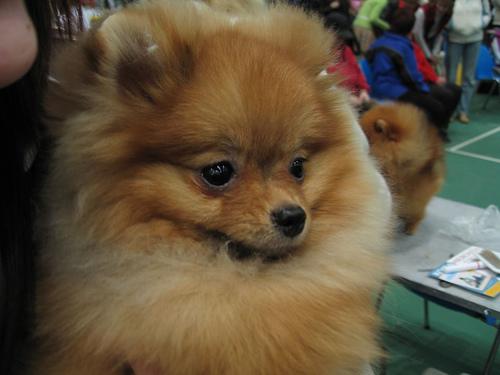
Pomeranian
Temperament
About the Pomeranian
The Pomeranian's story begins not in a lap but on a working sled, tracing its lineage to the ancient Nordic Spitz dogs that pulled loads across frozen Scandinavian terrain. Early ancestors of the modern Pom weighed around 30 pounds and were legitimate working dogs used for herding and hauling in the Pomerania region, a historical territory spanning what is now northeastern Germany and northwestern Poland. The breed takes its name from this region, though it was refined and miniaturized largely in Great Britain, not in Pomerania itself. The pivotal figure in the breed's transformation was Queen Victoria, who encountered a Pomeranian in Florence, Italy in 1888 and returned to England with a dog named Marco, reportedly a relatively small specimen for the era. Her obsession with breeding smaller and smaller Poms is directly credited with reducing the breed's average size by roughly half within a generation. By the time of the 1891 Cruft's show, Queen Victoria herself was entering Pomeranians in competition, and the spectacle of royalty exhibiting the breed sent public demand soaring.
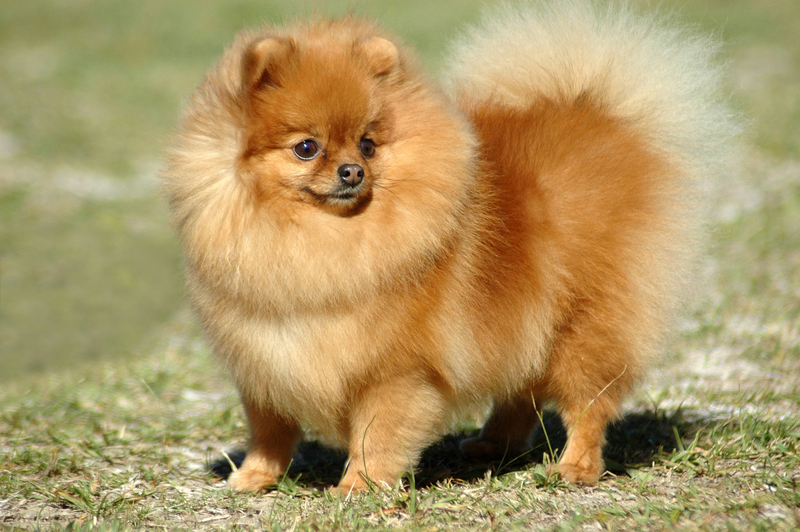
The American Kennel Club formally recognized the Pomeranian in 1888, the same year Queen Victoria had her Italian encounter, and the breed has been registered continuously ever since. Today it ranks 22nd out of 205 AKC-recognized breeds, a position it has held near consistently for years, reflecting enduring mainstream popularity. The American Pomeranian Club, founded in 1909, serves as the AKC parent club for the breed and maintains the breed standard, which calls for a compact, double-coated dog of 3 to 7 pounds with a characteristic foxy face, plumed tail carried high over the back, and a proud, almost theatrical carriage.
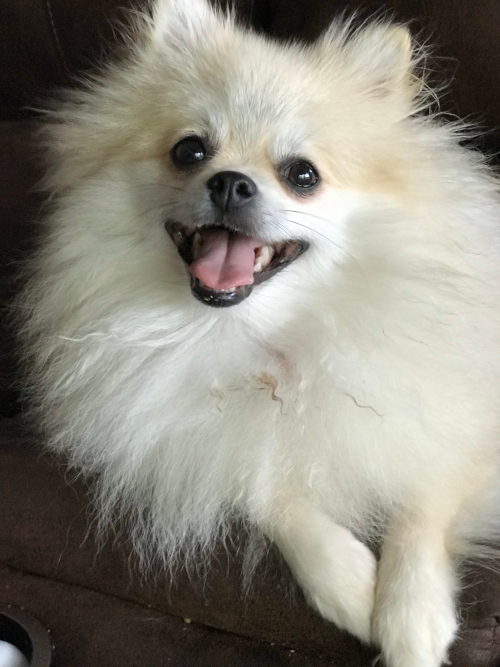
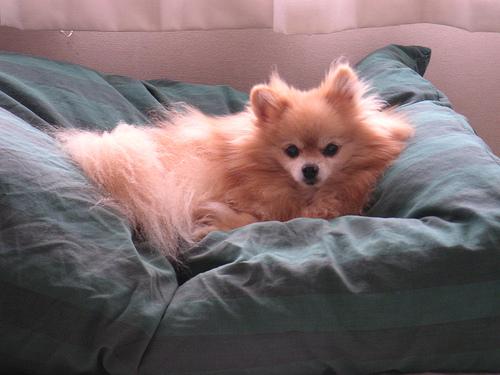
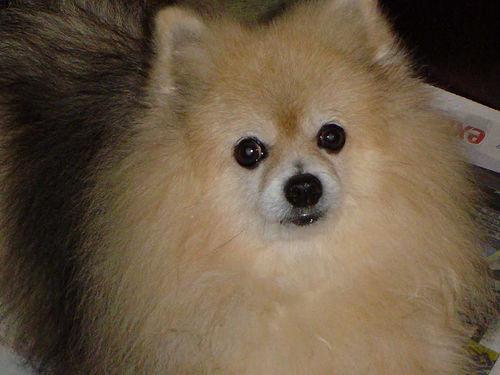
What separates the Pomeranian from its Spitz cousins — breeds like the Samoyed, Keeshond, and Finnish Spitz — is primarily scale and temperament density. The Pom carries the full behavioral package of a Nordic working dog compressed into a toy-sized body: alert, opinionated, vocal, and possessed of a confidence that routinely surprises people who expect a lap ornament. The double coat is one of the most elaborate among toy breeds, consisting of a dense, woolly undercoat and a longer, harsher outer coat that creates the breed's signature puffball silhouette. Pomeranians come in more AKC-recognized colors than almost any other breed — over two dozen, including orange, sable, black, blue, cream, and merle — making coat color one of the most variable breed characteristics in the toy group.
At a Glance
Quick Facts
- Breed Group:
- Toy
- Bred For:
- Companion
- Origin:
- Germany
- Life Span:
- 12 - 16 years
- Weight:
- 3 - 7 lbs
- Height:
- 8 - 12 in
💰 Pomeranian Cost Guide
Food · Vet · Grooming · Insurance · Full breakdown
Frequently Asked Questions
What is the temperament of a Pomeranian?
Pomeranians are known to be extroverted, friendly, sociable, playful, intelligent, active, curious, affectionate, gentle, dignified, loyal. This combination of traits makes them excellent companions for families with children. Their temperament is influenced by both genetics and proper socialization from an early age.
How much exercise does a Pomeranian need?
Pomeranians are high-energy dogs requiring 60+ minutes of vigorous daily exercise and mental stimulation.
How often should I groom my Pomeranian?
Pomeranians require minimal grooming with weekly brushing and occasional baths.
How do I train a Pomeranian?
Pomeranians have moderate trainability and benefit from consistent, positive training approaches.
Are Pomeranians good with children?
Pomeranians are excellent with children. Their natural patience, gentle nature, and resilience make them outstanding family dogs. They typically form strong bonds with children and tend to be forgiving of the occasional accidental rough handling that can occur with younger kids. Remember that proper socialization and teaching children appropriate interaction with dogs are always important, regardless of breed.
What makes the Pomeranian unique compared to other dog breeds?
The Pomeranian stands out from other breeds due to its dignified appearance and bearing, rich heritage from Germany, specialized companion qualities. This unique combination of characteristics makes them special among dog breeds and appeals to owners who appreciate these distinct qualities. Understanding these traits helps provide appropriate care tailored to their specific needs.
What should I know before getting a Pomeranian?
Before bringing a Pomeranian into your home, potential owners should consider: They have high exercise requirements (4/5) and need an active owner. Their coat is relatively low-maintenance (2/5). They typically excel in family environments with children (5/5 child-friendliness). They may be prone to breed-specific health issues including Patellar Luxation, Tracheal Collapse, Alopecia X (Black Skin Disease), Hip Dysplasia, Dental Disease, Heart Disease (Patent Ductus Arteriosus). Additionally, researching reputable breeders or rescue organizations is essential for finding a healthy, well-socialized Pomeranian. Understanding these factors will help ensure a good match between the breed and your lifestyle, leading to a happy relationship for both you and your dog.
What were Pomeranians originally bred for?
Pomeranians were originally bred for companion. This companion-focused breeding has resulted in their affectionate, people-oriented temperament that makes them excellent pets. As part of the Toy group, they share characteristics with other breeds developed for similar purposes. Understanding your Pomeranian's breeding heritage helps explain many of their natural behaviors and instincts, which can be channeled appropriately through training and enrichment activities. Even though modern Pomeranians are primarily companions, these inherent traits remain part of their genetic makeup.
How long do Pomeranians typically live?
The average lifespan of a Pomeranian is 12 - 16 years. With proper care including quality nutrition, regular veterinary check-ups, appropriate exercise, and preventative healthcare, some Pomeranians may live beyond this range. Genetics, environment, and healthcare all play important roles in determining longevity.
Do Pomeranians bark a lot?
Yes, Pomeranians are genuinely vocal dogs — this is not a stereotype. The breed descends from Nordic working dogs that were bred in part for alertness, and that alert-barking instinct is fully intact despite generations of size reduction. Poms will bark at strangers, at sounds, at other animals, and sometimes at nothing a human can identify. The behavior is manageable with consistent training that begins in puppyhood, but owners who do not actively work on bark control should expect a dog that comments loudly on its environment. Poms are not a good fit for apartment living with noise-sensitive neighbors unless the owner is committed to early, consistent bark training.
How much grooming does a Pomeranian need?
More than most toy breed owners expect. The Pomeranian double coat — a dense woolly undercoat beneath a longer, harsher outer layer — requires brushing at least three times per week to prevent matting, and daily brushing during the two major seasonal shedding periods each year. Professional grooming every four to six weeks is the practical standard for most owners, covering bathing, blow-drying, and trimming around the ears, paws, and sanitary areas. The breed does not need to be clipped short — in fact, shaving a Pomeranian's coat is strongly discouraged because it can permanently alter coat texture and is associated with triggering Alopecia X in genetically predisposed dogs. Never shave a Pom to make grooming easier.
Are Pomeranians good with kids?
Pomeranians are generally better suited to households with older children — typically kids aged 8 and up — rather than toddlers or very young children. The reason is physical, not temperamental: at 3 to 7 pounds, a Pomeranian can be seriously injured by accidental drops, rough handling, or falls that a larger dog would simply shake off. Young children who don't yet understand how to handle a fragile dog are a genuine safety risk to the Pom, not just the other way around. Poms that are well socialized are affectionate and playful with children who interact with them gently and calmly, but the breed's small size requires that all interactions with young kids be supervised closely.
What is Alopecia X in Pomeranians?
Alopecia X, sometimes called Black Skin Disease, is a coat condition that appears disproportionately in Nordic breeds, with Pomeranians among the most commonly affected. Dogs with Alopecia X experience progressive, symmetrical hair loss that typically begins at the tail and inner thighs, eventually spreading across the trunk, while the head and legs retain normal coat. The skin underneath turns a dark blue-black color. The exact cause is not fully understood, but hormonal imbalance is suspected — some affected males experience complete coat regrowth following neutering. There is no genetic test available for screening breeding dogs, no cure, and no health impact beyond the cosmetic hair loss. Affected dogs are otherwise healthy and have normal life expectancy. Breeders who have produced Alopecia X dogs should be transparent about it in their breeding history.
Additional Characteristics
Care Requirements
They are high-energy dogs that need significant daily exercise and mental stimulation.
They need regular but basic grooming such as weekly brushing.
Moderately trainable with consistent methods
They are excellent with children and often form strong bonds with them.
Pomeranian
Complete Breed Guide
About the Pomeranian
The Pomeranian is a small toy breed that descends from larger Spitz-type dogs, particularly the German Spitz. Typically weighing between 3 to 7 pounds and standing 8 to 12 inches tall, Pomeranians are characterized by their fluffy double coat, fox-like face, and lively demeanor. Known for their extroverted and sociable temperament, they are intelligent and playful companions, often excelling in obedience training and dog sports, while also making affectionate family pets. Their lifespan averages around 15 years, reflecting their robust health when properly cared for.
Pomeranians are known for being extroverted, friendly, sociable, playful, intelligent, and active, curious, affectionate. As a high-energy breed, they are moderately trainable and thrive with regular mental and physical activity. They are excellent with children of all ages and friendly with other dogs, making them a popular choice for families and experienced dog owners alike.
Caring for a Pomeranian means committing to minimal grooming — a quick brush once a week is usually enough, vigorous daily exercise, and consistent training from an early age. Their gentle, social nature makes them a wonderful addition to active families.
At a Glance
Quick Facts
- Breed Group:
- Toy
- Bred For:
- Companion
- Origin:
- Germany
- Life Span:
- 12 - 16 years
- Weight:
- 3 - 7 lbs
- Height:
- 8 - 12 in
Temperament
Free Pomeranian Health Guide
Pomeranians can be prone to Patellar Luxation and other conditions. Get our owner's health checklist and monthly vet tips — free.
- ✓Pomeranian-specific health warning signs
- ✓Vet visit checklist & cost tracker
- ✓Monthly breed health newsletter
Finding similar breeds...
How We Find Similar Breeds
We analyze breed characteristics including temperament, size, appearance, and care needs to identify the most similar dog breeds. This helps you discover alternatives that might be a good match for your lifestyle and preferences.
Explore Related Breeds & Guides
Adopt a Pomeranian
Filter to show only purebred Pomeranians (excludes mixed breeds and crosses)
Find Dogs Near You
Enter your location to discover adoptable pets nearby
How to Adopt a Pomeranian
Follow these steps to ensure a smooth and responsible adoption process. Remember that adopting a dog is a lifelong commitment.
Research the Breed
Learn everything you can about Pomeranians, including their temperament, exercise needs, grooming requirements, and potential health issues.
Find Reputable Sources
Look for adoptable dogs through shelters, rescue organizations, or responsible breeders. Avoid puppy mills and online scams.
Apply for Adoption
Complete an adoption application with your chosen organization. Be prepared to provide references and possibly go through a home visit.
Meet Your Potential Pet
Schedule a meeting with the dog to assess compatibility with you, your family, and any existing pets.
Prepare Your Home
Gather necessary supplies and dog-proof your home before bringing your new pet home.
1Essential Supplies
Food and water bowls, high-quality dog food, collar with ID tag, leash, bed, crate, toys, treats, grooming supplies, and cleaning products for accidents.
2Create a Safe Space
Designate an area where your dog can retreat when feeling overwhelmed. This could be a crate with comfortable bedding or a quiet corner with their bed.
3Remove Hazards
Secure or remove toxic plants, chemicals, small objects that could be swallowed, and foods that are harmful to dogs. Use baby gates if needed to restrict access to certain areas.
4Find a Veterinarian
Research and choose a veterinarian before bringing your dog home, and schedule an initial check-up shortly after adoption.
What is the dog's background and history?
Understanding a dog's past can help you anticipate potential behavior issues and provide appropriate support.
Has the dog been spayed/neutered and vaccinated?
This information is important for planning future veterinary care and understanding any immediate medical needs.
What is the dog's energy level and exercise needs?
Pomeranians typically need regular exercise to stay healthy and happy. Ask about specific exercise requirements.
Has the dog been socialized with other animals and people?
This helps you understand how the dog might interact with your family, friends, and other pets.
Are there any known behavioral or health issues?
Knowing about existing issues helps you prepare for any special care or training needs.
Special Considerations for Pomeranians
- Pomeranians may have specific health concerns that require regular monitoring.
- Consider how the typical Pomeranian temperament aligns with your lifestyle.
- Research the grooming needs of Pomeranians to ensure you can commit to the required maintenance.
- Understand the exercise requirements of Pomeranians to keep them healthy and prevent behavior problems.
- Learn about proper training methods that work well with Pomeranians.
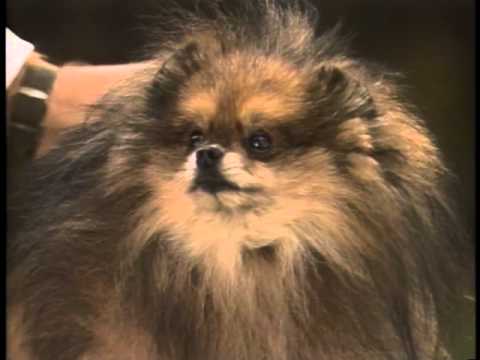 Pomeranian — Official AKC Breed VideoAmerican Kennel Club
Watch the official AKC video covering temperament, history, traits, and care.
Watch on YouTube →Product Recommendations for Pomeranians
See all →Vet-reviewed picks for food, insurance, crates, brushes, treats, and toys — matched to this breed.
Compare Pomeranian with Similar Breeds
See how the Pomeranian stacks up against other breeds side by side.