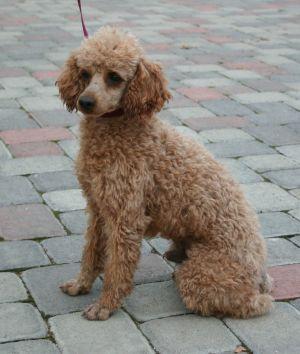
Poodle
Temperament
About the Poodle
The Poodle's origins are more complex than the breed's refined modern image suggests. Most cynologists trace the Standard Poodle's development to Germany, where the dog was called the Pudel — derived from the Low German word 'puddeln,' meaning to splash in water. The breed was purpose-built as a water retriever, designed to plunge into cold lakes and rivers to recover shot waterfowl for hunters. The distinctive clips that look purely decorative today were actually functional: hunters would shave portions of the coat to reduce drag and weight in the water while leaving hair over the joints and vital organs for warmth and protection. By the 17th century, Poodle-type dogs were well documented across Germany and France, and period paintings by artists including Rembrandt and Goya depict dogs recognizable as Poodles alongside their wealthy owners.
France embraced the breed so thoroughly that the Poodle became the national dog of France, known there as the Caniche — derived from 'canard,' the French word for duck. The Fédération Cynologique Internationale, headquartered in Thuin, Belgium, officially recognizes France as the breed's country of patronage, which is why the FCI standard is maintained by the Société Centrale Canine in France despite the breed's German working roots. This dual-nationality heritage remains a point of debate among breed historians.
The American Kennel Club recognized the Poodle in 1887, and the Poodle Club of America was founded in 1931, making it one of the older breed-specific clubs in the United States. The breed's AKC popularity peaked dramatically during the mid-20th century — Poodles held the top spot on the AKC's most-registered breed list consecutively from 1960 to 1982, a 23-year run no other breed has matched before or since. Today, the AKC classifies the Standard Poodle in the Non-Sporting Group, a somewhat awkward placement for a dog with active working origins, while the UKC places it in the Gun Dog Group, which more accurately reflects the breed's retriever heritage.
What distinguishes the Standard Poodle from the Miniature and Toy varieties is more than size. The Standard is the original form from which the smaller varieties were selectively bred down, and it retains the most pronounced working dog traits — higher prey drive, greater endurance, and a more pronounced retrieving instinct. The Standard also has a noticeably different behavioral profile than the Toy, being less prone to anxiety and more physically robust. All four size varieties — Standard, Medium, Miniature, and Toy — share the same breed standard in countries that recognize the Medium, though the AKC does not currently recognize the Medium Poodle as a separate variety.
At a Glance
Quick Facts
- Breed Group:
- Non-Sporting
- Bred For:
- Water retrieving, Companion
- Origin:
- Germany
- Life Span:
- 12 - 15 years
- Weight:
- 40 - 70 lbs
- Height:
- 15+ in
💰 Poodle Cost Guide
Food · Vet · Grooming · Insurance · Full breakdown
Frequently Asked Questions
What is the temperament of a Poodle?
Poodles are known to be intelligent, alert, active, instinctual, trainable, faithful, loyal. This combination of traits makes them excellent watchdogs and devoted family protectors. Their temperament is influenced by both genetics and proper socialization from an early age.
How much exercise does a Poodle need?
Poodles are high-energy dogs requiring 60+ minutes of vigorous daily exercise and mental stimulation.
How often should I groom my Poodle?
Poodles require intensive grooming with daily brushing and regular professional grooming sessions.
How do I train a Poodle?
Poodles are highly trainable and typically respond well to positive reinforcement methods.
Are Poodles good with children?
Poodles are excellent with children. Their natural patience, gentle nature, and resilience make them outstanding family dogs. They typically form strong bonds with children and tend to be forgiving of the occasional accidental rough handling that can occur with younger kids. Remember that proper socialization and teaching children appropriate interaction with dogs are always important, regardless of breed.
What makes the Poodle unique compared to other dog breeds?
The Poodle stands out from other breeds due to its rich heritage from Germany, specialized companion qualities. This unique combination of characteristics makes them special among dog breeds and appeals to owners who appreciate these distinct qualities. Understanding these traits helps provide appropriate care tailored to their specific needs.
What should I know before getting a Poodle?
Before bringing a Poodle into your home, potential owners should consider: They have high exercise requirements (4/5) and need an active owner. Their coat requires significant maintenance (5/5) with regular grooming sessions. They typically excel in family environments with children (5/5 child-friendliness). They're typically highly trainable (5/5) and eager to learn. Their large size requires adequate living space. They may be prone to breed-specific health issues including Hip Dysplasia, Progressive Retinal Atrophy (PRA), Addison's Disease, Sebaceous Adenitis, Gastric Dilatation-Volvulus (Bloat). Additionally, researching reputable breeders or rescue organizations is essential for finding a healthy, well-socialized Poodle. Understanding these factors will help ensure a good match between the breed and your lifestyle, leading to a happy relationship for both you and your dog.
What were Poodles originally bred for?
Poodles were originally bred for water retrieving, companion. This companion-focused breeding has resulted in their affectionate, people-oriented temperament that makes them excellent pets. As part of the Non-Sporting group, they share characteristics with other breeds developed for similar purposes. Understanding your Poodle's breeding heritage helps explain many of their natural behaviors and instincts, which can be channeled appropriately through training and enrichment activities. Even though modern Poodles are primarily companions, these inherent traits remain part of their genetic makeup.
How long do Poodles typically live?
The average lifespan of a Poodle is 12 - 15 years. With proper care including quality nutrition, regular veterinary check-ups, appropriate exercise, and preventative healthcare, some Poodles may live beyond this range. Genetics, environment, and healthcare all play important roles in determining longevity.
Are Standard Poodles good family dogs with kids?
Standard Poodles are generally excellent with children and are one of the more reliably family-friendly large breeds. Their temperament is patient, playful, and highly attuned to human social cues, which means they tend to read children's energy well and adjust accordingly. They are large enough to tolerate the physical enthusiasm of younger kids without being fragile, unlike the Toy or Miniature varieties. Early socialization is still important — a Standard Poodle raised with children from puppyhood will be more comfortable with unpredictable movement and noise than one introduced to kids as an adult. The breed's intelligence also means they can be inadvertently taught to guard resources or develop avoidance behaviors if children are allowed to interact with them without boundaries, so teaching kids respectful interaction is just as important as socializing the dog.
Do Standard Poodles shed a lot?
Standard Poodles are a low-shedding breed, which is one of the reasons they are frequently recommended for households with allergy sufferers. Their coat grows continuously rather than cycling through seasonal shedding phases the way double-coated breeds do, meaning loose hairs tend to get caught in the curls rather than depositing on furniture and clothing. However, 'low shedding' does not mean 'no maintenance.' That same coat that stays off your couch will mat severely if not brushed and professionally groomed on a regular schedule. No dog is truly hypoallergenic — the allergen most people react to is a protein in dog saliva and skin dander, not hair itself — but Standard Poodles do tend to be better tolerated by people with mild dog allergies than heavy-shedding breeds.
How much exercise does a Standard Poodle need every day?
Standard Poodles are athletic, high-energy dogs that require more physical activity than most people initially anticipate from a breed associated with dog shows. An adult Standard Poodle needs a minimum of 60 minutes of vigorous exercise per day, and many individuals do better with 90 minutes or more split across multiple sessions. Poodles that don't receive adequate physical outlet frequently develop nuisance behaviors including destructive chewing, excessive barking, and restless pacing. The breed excels at activities beyond basic walking — dock diving, agility, tracking, retrieving, and swimming all tap into their working heritage and provide efficient physical and mental discharge simultaneously. Mental stimulation through training and puzzle work should be considered a daily exercise requirement alongside physical activity, not an optional bonus.
What is Addison's Disease in Poodles and what are the symptoms?
Addison's Disease, or hypoadrenocorticism, is a failure of the adrenal glands to produce adequate levels of cortisol and aldosterone — hormones critical to stress response, electrolyte balance, and normal organ function. Standard Poodles are one of the most over-represented breeds in Addison's diagnoses, making it a condition every Poodle owner should be able to recognize. Symptoms are notoriously vague and can include intermittent lethargy, loss of appetite, vomiting, diarrhea, muscle weakness, and shaking. Because these signs wax and wane and mimic many other conditions, Addison's is frequently misdiagnosed for months before the correct diagnosis is reached. In a full-blown Addisonian crisis, a dog can collapse, become severely dehydrated, and go into shock — this is a life-threatening emergency. The definitive diagnostic test is an ACTH stimulation test. Once diagnosed, Addison's is manageable with medication, but it requires lifelong treatment and monitoring.
Additional Characteristics
Care Requirements
They are high-energy dogs that need significant daily exercise and mental stimulation.
They have very high maintenance coats requiring daily brushing and regular professional grooming.
Highly trainable — quick to learn and eager to please
They are excellent with children and often form strong bonds with them.
Poodle
Complete Breed Guide
About the Poodle
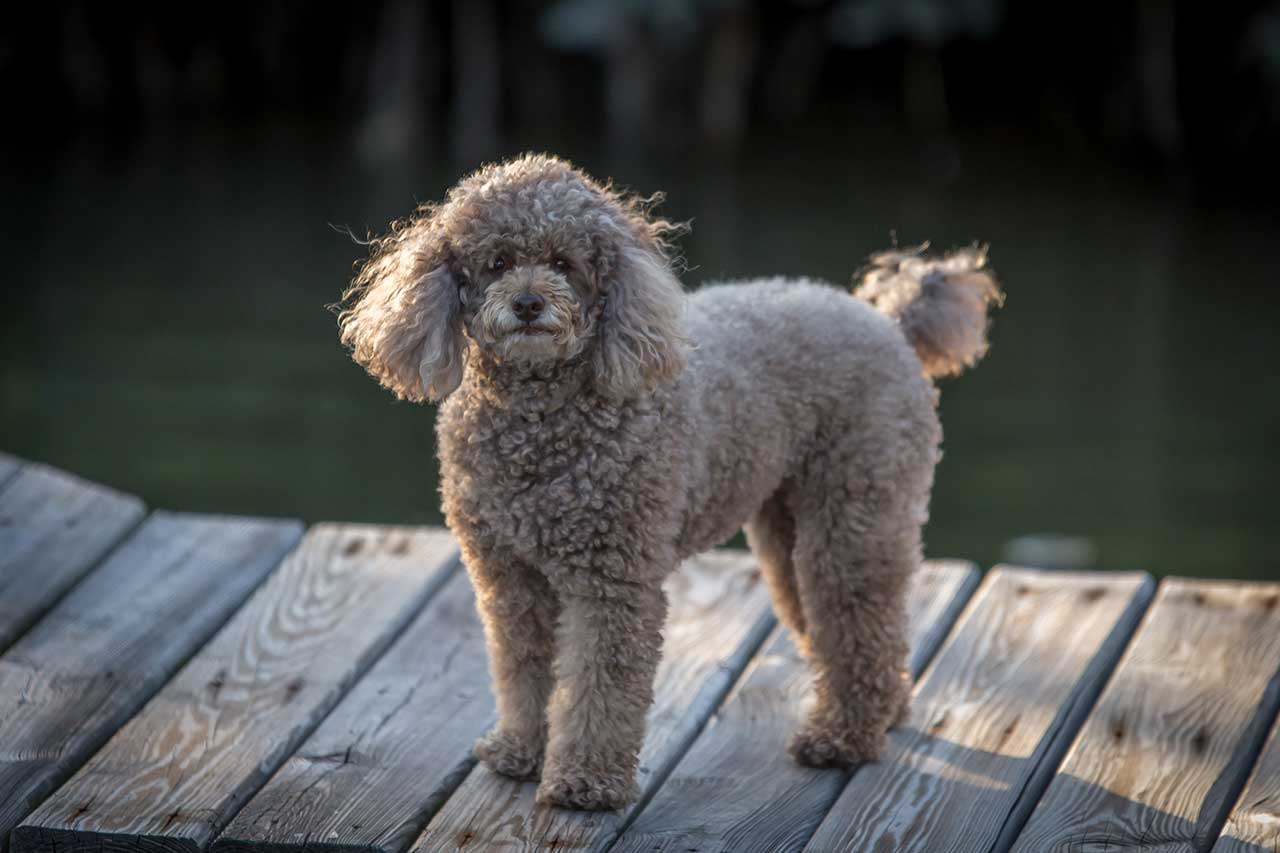
The Poodle, originally developed in Germany as a water retriever, is one of the most intelligent and versatile dog breeds in the world. The Standard Poodle stands over 15 inches tall and typically weighs between 40 to 70 pounds. Poodles are celebrated for their hypoallergenic, non-shedding coat, exceptional trainability, and elegantly athletic build. Despite their association with show-ring styling, Poodles are athletic, energetic working dogs that excel in obedience, agility, and as loving family companions. Their lifespan ranges from 12 to 15 years.
Poodles are known for being intelligent, alert, active, instinctual, trainable, and faithful, loyal. As a high-energy breed, they are highly responsive to training and thrive with regular mental and physical activity. They are excellent with children of all ages and friendly with other dogs, making them a popular choice for families and experienced dog owners alike.
Caring for a Poodle means committing to regular grooming (brushing several times a week), vigorous daily exercise, and consistent training from an early age. Their gentle, social nature makes them a wonderful addition to active families.
At a Glance
Quick Facts
- Breed Group:
- Non-Sporting
- Bred For:
- Water retrieving, Companion
- Origin:
- Germany
- Life Span:
- 12 - 15 years
- Weight:
- 40 - 70 lbs
- Height:
- 15+ in
Temperament
Free Poodle Health Guide
Poodles can be prone to Hip Dysplasia and other conditions. Get our owner's health checklist and monthly vet tips — free.
- ✓Poodle-specific health warning signs
- ✓Vet visit checklist & cost tracker
- ✓Monthly breed health newsletter
Finding similar breeds...
How We Find Similar Breeds
We analyze breed characteristics including temperament, size, appearance, and care needs to identify the most similar dog breeds. This helps you discover alternatives that might be a good match for your lifestyle and preferences.
Explore Related Breeds & Guides
Adopt a Poodle
Filter to show only purebred Poodles (excludes mixed breeds and crosses)
Find Dogs Near You
Enter your location to discover adoptable pets nearby
How to Adopt a Poodle
Follow these steps to ensure a smooth and responsible adoption process. Remember that adopting a dog is a lifelong commitment.
Research the Breed
Learn everything you can about Poodles, including their temperament, exercise needs, grooming requirements, and potential health issues.
Find Reputable Sources
Look for adoptable dogs through shelters, rescue organizations, or responsible breeders. Avoid puppy mills and online scams.
Apply for Adoption
Complete an adoption application with your chosen organization. Be prepared to provide references and possibly go through a home visit.
Meet Your Potential Pet
Schedule a meeting with the dog to assess compatibility with you, your family, and any existing pets.
Prepare Your Home
Gather necessary supplies and dog-proof your home before bringing your new pet home.
1Essential Supplies
Food and water bowls, high-quality dog food, collar with ID tag, leash, bed, crate, toys, treats, grooming supplies, and cleaning products for accidents.
2Create a Safe Space
Designate an area where your dog can retreat when feeling overwhelmed. This could be a crate with comfortable bedding or a quiet corner with their bed.
3Remove Hazards
Secure or remove toxic plants, chemicals, small objects that could be swallowed, and foods that are harmful to dogs. Use baby gates if needed to restrict access to certain areas.
4Find a Veterinarian
Research and choose a veterinarian before bringing your dog home, and schedule an initial check-up shortly after adoption.
What is the dog's background and history?
Understanding a dog's past can help you anticipate potential behavior issues and provide appropriate support.
Has the dog been spayed/neutered and vaccinated?
This information is important for planning future veterinary care and understanding any immediate medical needs.
What is the dog's energy level and exercise needs?
Poodles typically need regular exercise to stay healthy and happy. Ask about specific exercise requirements.
Has the dog been socialized with other animals and people?
This helps you understand how the dog might interact with your family, friends, and other pets.
Are there any known behavioral or health issues?
Knowing about existing issues helps you prepare for any special care or training needs.
Special Considerations for Poodles
- Poodles may have specific health concerns that require regular monitoring.
- Consider how the typical Poodle temperament aligns with your lifestyle.
- Research the grooming needs of Poodles to ensure you can commit to the required maintenance.
- Understand the exercise requirements of Poodles to keep them healthy and prevent behavior problems.
- Learn about proper training methods that work well with Poodles.
 Poodle — Official AKC Breed VideoAmerican Kennel Club
Watch the official AKC video covering temperament, history, traits, and care.
Watch on YouTube →Product Recommendations for Poodles
See all →Vet-reviewed picks for food, insurance, crates, brushes, treats, and toys — matched to this breed.
Compare Poodle with Similar Breeds
See how the Poodle stacks up against other breeds side by side.