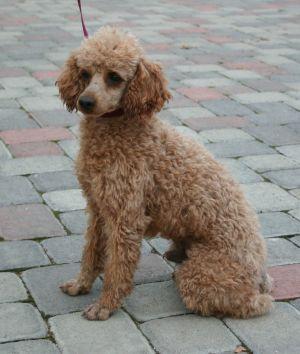
Poodle (Miniature)
Temperament
About the Poodle (Miniature)
The Miniature Poodle occupies a precise middle ground in the Poodle family — larger than the Toy but smaller than the Standard — and its history is inseparable from the broader Poodle story that begins in Germany, not France, despite the breed's strong association with French aristocracy. The German word Pudel, meaning roughly "to splash in water," gives the breed its English name, and the original Standard Poodle was purpose-built as a waterfowl retriever, with the distinctive continental clip developed to protect joints and vital organs in cold water while reducing drag. The Miniature variety was selectively bred down from the Standard, likely during the 17th and 18th centuries, as European nobility recognized that a smaller version would serve equally well as a companion and performer in traveling circus acts, where Miniature Poodles became famous for their trainability and showmanship.
The American Kennel Club recognized the Poodle as a breed in 1887, and the Poodle Club of America, founded in 1931, remains the AKC parent club for all size varieties. The AKC places the Miniature, Toy, and Standard Poodle under a single breed standard with size as the primary differentiator — the Miniature is defined as over 10 inches and 15 inches or under at the highest point of the shoulders. Internationally, the Fédération Cynologique Internationale additionally recognizes a Medium Poodle between the Miniature and Standard, a distinction the AKC does not make.
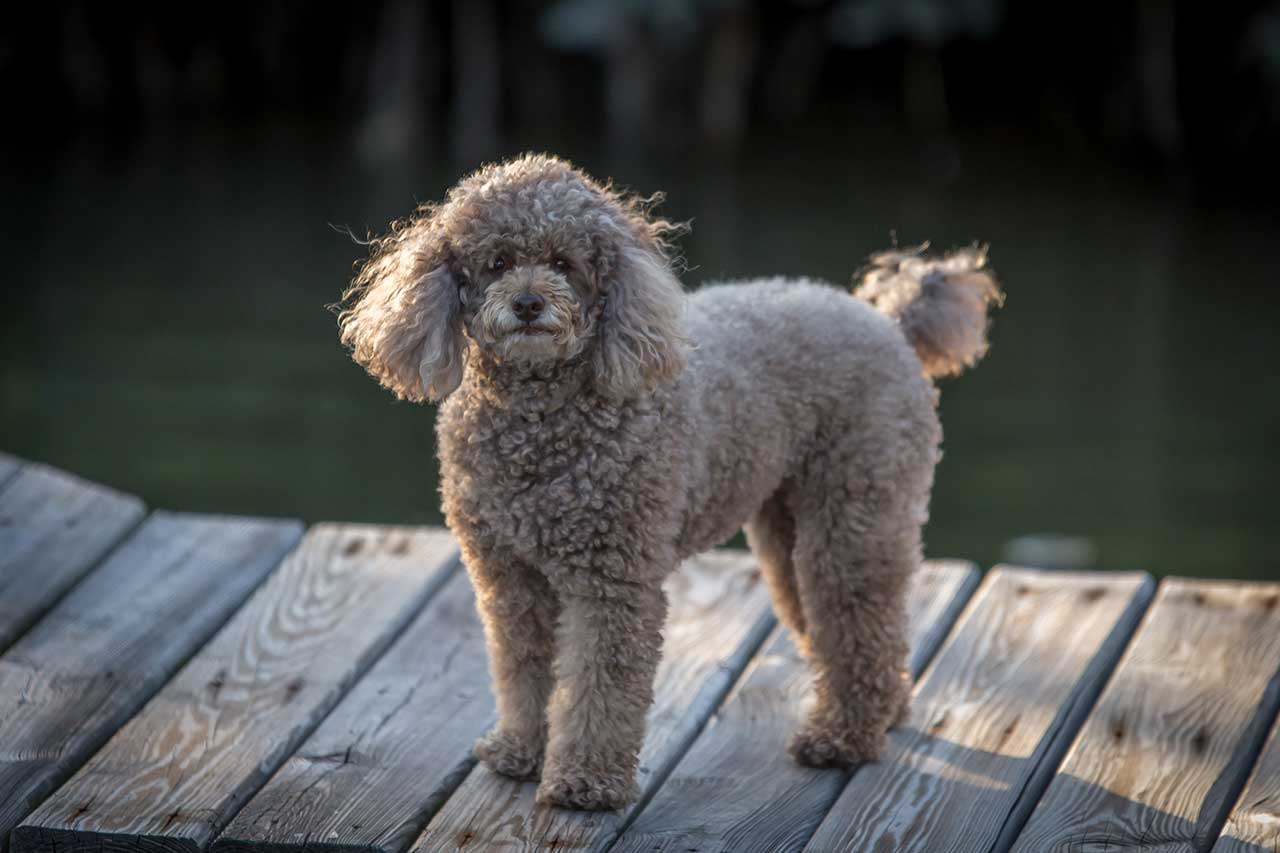
What sets the Miniature Poodle apart from both the Toy and Standard is a combination of physical durability and practical size. Unlike the Toy, the Miniature has enough structural substance to participate meaningfully in dog sports — agility, rally obedience, tracking, and hunting tests — without the orthopedic fragility that sometimes limits very small dogs. Unlike the Standard, it fits comfortably in apartment living without feeling physically confined, provided exercise needs are met. The breed's coat is single-layered, dense, and curly, which dramatically reduces shedding compared to double-coated breeds and has made the Poodle a foundational breed in the development of numerous "doodle" crosses. The Miniature Poodle consistently ranks among the top 15 most popular breeds registered with the AKC, a position it has held for decades — a testament to how effectively the breed's intelligence, adaptability, and temperament have translated across generations and living situations.
At a Glance
Quick Facts
- Breed Group:
- Non-Sporting
- Origin:
- Germany
- Life Span:
- 12 - 15 years
- Weight:
- 15 - 17 lbs
- Height:
- 11 - 15 in
💰 Poodle (Miniature) Cost Guide
Food · Vet · Grooming · Insurance · Full breakdown
Frequently Asked Questions
What is the temperament of a Poodle (Miniature)?
Poodle (Miniature)s are known to be intelligent, alert, active, faithful, trainable, playful, friendly, adaptable. This combination of traits makes them wonderful companions for most households. Their temperament is influenced by both genetics and proper socialization from an early age.
How much exercise does a Poodle (Miniature) need?
Poodle (Miniature)s have moderate energy levels and need 30-60 minutes of daily exercise including walks and playtime.
How often should I groom my Poodle (Miniature)?
Poodle (Miniature)s require intensive grooming with daily brushing and regular professional grooming sessions.
How do I train a Poodle (Miniature)?
Poodle (Miniature)s are highly trainable and typically respond well to positive reinforcement methods.
Are Poodle (Miniature)s good with children?
Poodle (Miniature)s are generally not recommended with children. They generally prefer calm, predictable environments and may become stressed by the unpredictable movements and loud sounds typical of young children. Households with older, respectful children may be more suitable. Remember that proper socialization and teaching children appropriate interaction with dogs are always important, regardless of breed.
What makes the Poodle (Miniature) unique compared to other dog breeds?
The Poodle (Miniature) stands out from other breeds due to its rich heritage from Germany. This unique combination of characteristics makes them special among dog breeds and appeals to owners who appreciate these distinct qualities. Understanding these traits helps provide appropriate care tailored to their specific needs.
What should I know before getting a Poodle (Miniature)?
Before bringing a Poodle (Miniature) into your home, potential owners should consider: Their coat requires significant maintenance (4/5) with regular grooming sessions. They may not be ideal for families with young children (2/5 child-friendliness). They're typically highly trainable (4/5) and eager to learn. They may be prone to breed-specific health issues including Patellar Luxation, Progressive Retinal Atrophy, Addison's Disease, Epilepsy, Legg-Calve-Perthes Disease, Sebaceous Adenitis. Additionally, researching reputable breeders or rescue organizations is essential for finding a healthy, well-socialized Poodle (Miniature). Understanding these factors will help ensure a good match between the breed and your lifestyle, leading to a happy relationship for both you and your dog.
What were Poodle (Miniature)s originally bred for?
As part of the Non-Sporting group, they share characteristics with other breeds developed for similar purposes. Understanding your Poodle (Miniature)'s breeding heritage helps explain many of their natural behaviors and instincts, which can be channeled appropriately through training and enrichment activities. Even though modern Poodle (Miniature)s are primarily companions, these inherent traits remain part of their genetic makeup.
How long do Poodle (Miniature)s typically live?
The average lifespan of a Poodle (Miniature) is 12 - 15 years. With proper care including quality nutrition, regular veterinary check-ups, appropriate exercise, and preventative healthcare, some Poodle (Miniature)s may live beyond this range. Genetics, environment, and healthcare all play important roles in determining longevity.
How often does a Miniature Poodle need to be groomed?
Miniature Poodles need professional grooming every four to six weeks without exception. Their single-layer curly coat grows continuously and does not shed the way double-coated breeds do, which means dead hair stays in the coat and mats form quickly — especially behind the ears, in the armpits, and around the collar. Between professional appointments, owners should brush the coat at least three to four times per week with a slicker brush and metal comb to prevent matting from developing. If a Miniature Poodle's coat is allowed to mat severely, it must be shaved down to the skin to start fresh, which is uncomfortable for the dog and distressing for owners. Grooming is not an optional cost with this breed — it is a welfare requirement.
Are Miniature Poodles good apartment dogs?
Miniature Poodles adapt well to apartment living, but only when their exercise and mental stimulation needs are genuinely met — not approximated. A Miniature Poodle needs at least 30 to 45 minutes of active exercise daily, ideally including off-leash time or structured play, plus mental engagement through training, puzzle feeders, or scent work. A dog of this intelligence left in an apartment without adequate activity will develop nuisance behaviors including excessive barking, which is a real concern in shared-wall housing. Miniature Poodles can also be alert barkers who vocalize at hallway sounds and neighbors, so early training to interrupt and redirect alarm barking is important for apartment-dwellers. With those conditions met, the breed's size, low shedding, and adaptable temperament make it one of the better breed choices for urban and apartment living.
Do Miniature Poodles have health problems?
Miniature Poodles are a relatively long-lived breed at 12 to 15 years, but they do carry several breed-specific health risks that owners should be aware of. Patellar luxation (slipping kneecap) and Legg-Calvé-Perthes disease are the primary orthopedic concerns. Progressive Retinal Atrophy, a genetic form of which affects Miniature Poodles specifically, can cause progressive vision loss and eventual blindness. Addison's disease — a serious adrenal gland disorder — occurs at higher rates in Poodles than in most other breeds and can be life-threatening if undiagnosed. Epilepsy and the skin condition sebaceous adenitis also appear in the breed. Purchasing from a breeder who performs OFA orthopedic evaluations, CAER eye certifications, and DNA testing for prcd-PRA significantly reduces (though cannot eliminate) the risk of inheriting these conditions. Pet insurance enrolled early in the dog's life is a practical financial safeguard.
Are Miniature Poodles easy to train for first-time owners?
Miniature Poodles are among the most trainable breeds available to first-time owners, but their intelligence is a double-edged quality. They learn desired behaviors quickly with consistent positive reinforcement, and they genuinely enjoy working with their people — which makes early training feel natural and rewarding. The challenge is that they learn undesired behaviors just as quickly, and they are perceptive enough to find and exploit any inconsistency in household rules. First-time owners tend to succeed best when they enroll in a positive reinforcement obedience class within the first few months of bringing a Miniature Poodle home, establishing clear communication before the dog has self-trained into habits of its own. Harsh corrections, including raised voices, are counterproductive with this breed and can cause lasting anxiety. With patient, reward-based handling and genuine consistency, a first-time owner can develop an exceptionally well-mannered Miniature Poodle.
Additional Characteristics
Care Requirements
They have a moderate energy level and benefit from daily walks and play sessions.
They have high grooming needs requiring frequent brushing and regular professional grooming.
Highly trainable — quick to learn and eager to please
They can be suitable with older, respectful children but may not be ideal for young children.
Poodle (Miniature)
Complete Breed Guide
About the Poodle (Miniature)
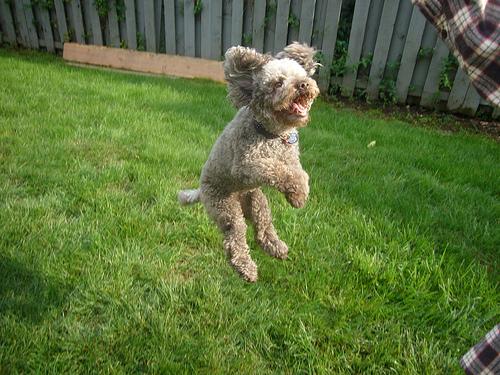
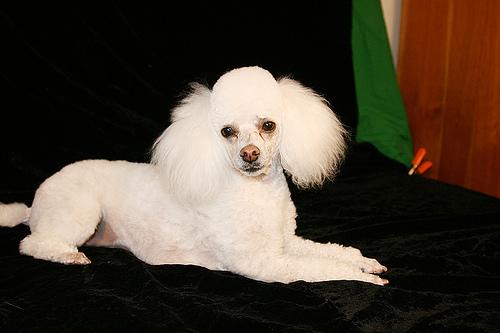
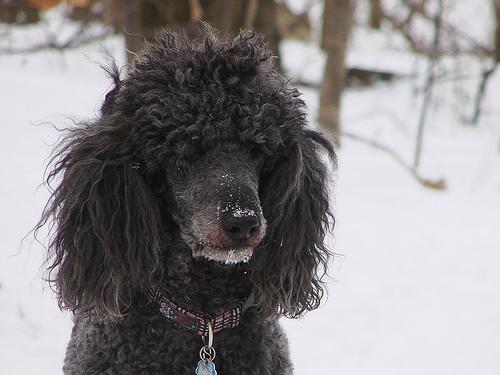
The Miniature Poodle is a member of the Non-Sporting Group, developed from the Standard Poodle as a compact companion and truffle-hunting dog. Weighing between 15 to 17 pounds and standing 11 to 15 inches tall, they share the Standard Poodle's curly, low-shedding coat and exceptional intelligence. Miniature Poodles are among the most trainable dogs in existence, excelling in obedience, agility, and canine sports, while also being affectionate and alert family companions suitable for apartment or house living.
Poodle (Miniature)s are known for being intelligent, alert, active, faithful, trainable, and playful, friendly, adaptable. As a moderately energetic breed, they are highly responsive to training and thrive with regular mental and physical activity. They are better suited to households without young children and sociable with other dogs when properly introduced, making them a popular choice for families and experienced dog owners alike.
Caring for a Poodle (Miniature) means committing to regular grooming (brushing several times a week), regular daily walks, and positive-reinforcement training. They do best in structured environments with experienced dog owners.
At a Glance
Quick Facts
- Breed Group:
- Non-Sporting
- Origin:
- Germany
- Life Span:
- 12 - 15 years
- Weight:
- 15 - 17 lbs
- Height:
- 11 - 15 in
Temperament
Free Poodle (Miniature) Health Guide
Poodle (Miniature)s can be prone to Patellar Luxation and other conditions. Get our owner's health checklist and monthly vet tips — free.
- ✓Poodle (Miniature)-specific health warning signs
- ✓Vet visit checklist & cost tracker
- ✓Monthly breed health newsletter
Finding similar breeds...
How We Find Similar Breeds
We analyze breed characteristics including temperament, size, appearance, and care needs to identify the most similar dog breeds. This helps you discover alternatives that might be a good match for your lifestyle and preferences.
Explore Related Breeds & Guides
Adopt a Poodle (Miniature)
Filter to show only purebred Poodle (Miniature)s (excludes mixed breeds and crosses)
Find Dogs Near You
Enter your location to discover adoptable pets nearby
How to Adopt a Poodle (Miniature)
Follow these steps to ensure a smooth and responsible adoption process. Remember that adopting a dog is a lifelong commitment.
Research the Breed
Learn everything you can about Poodle (Miniature)s, including their temperament, exercise needs, grooming requirements, and potential health issues.
Find Reputable Sources
Look for adoptable dogs through shelters, rescue organizations, or responsible breeders. Avoid puppy mills and online scams.
Apply for Adoption
Complete an adoption application with your chosen organization. Be prepared to provide references and possibly go through a home visit.
Meet Your Potential Pet
Schedule a meeting with the dog to assess compatibility with you, your family, and any existing pets.
Prepare Your Home
Gather necessary supplies and dog-proof your home before bringing your new pet home.
1Essential Supplies
Food and water bowls, high-quality dog food, collar with ID tag, leash, bed, crate, toys, treats, grooming supplies, and cleaning products for accidents.
2Create a Safe Space
Designate an area where your dog can retreat when feeling overwhelmed. This could be a crate with comfortable bedding or a quiet corner with their bed.
3Remove Hazards
Secure or remove toxic plants, chemicals, small objects that could be swallowed, and foods that are harmful to dogs. Use baby gates if needed to restrict access to certain areas.
4Find a Veterinarian
Research and choose a veterinarian before bringing your dog home, and schedule an initial check-up shortly after adoption.
What is the dog's background and history?
Understanding a dog's past can help you anticipate potential behavior issues and provide appropriate support.
Has the dog been spayed/neutered and vaccinated?
This information is important for planning future veterinary care and understanding any immediate medical needs.
What is the dog's energy level and exercise needs?
Poodle (Miniature)s typically need regular exercise to stay healthy and happy. Ask about specific exercise requirements.
Has the dog been socialized with other animals and people?
This helps you understand how the dog might interact with your family, friends, and other pets.
Are there any known behavioral or health issues?
Knowing about existing issues helps you prepare for any special care or training needs.
Special Considerations for Poodle (Miniature)s
- Poodle (Miniature)s may have specific health concerns that require regular monitoring.
- Consider how the typical Poodle (Miniature) temperament aligns with your lifestyle.
- Research the grooming needs of Poodle (Miniature)s to ensure you can commit to the required maintenance.
- Understand the exercise requirements of Poodle (Miniature)s to keep them healthy and prevent behavior problems.
- Learn about proper training methods that work well with Poodle (Miniature)s.
Product Recommendations for Poodle (Miniature)s
See all →Vet-reviewed picks for food, insurance, crates, brushes, treats, and toys — matched to this breed.
Compare Poodle (Miniature) with Similar Breeds
See how the Poodle (Miniature) stacks up against other breeds side by side.