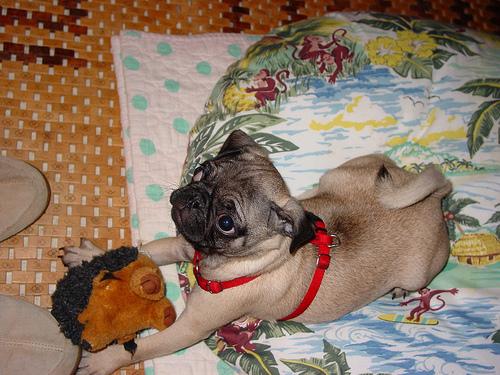
Pug
Temperament
About the Pug
The Pug is one of the oldest intentionally bred companion dogs in the world, with origins tracing back at least 2,000 years to ancient China, and possibly as far back as the Shang dynasty around 1600 BCE. Chinese emperors kept Pugs as prized possessions, housed in luxury and guarded by soldiers. Tibetan monks also kept them, and the breed shares a common ancestor with the Pekingese, though Pugs developed without the long, flowing coat. The two breeds diverged in type through centuries of selective breeding within different imperial and monastic circles, which is why the Pug's flat face and muscular, compact body reads distinctly different from the Peke's more delicate, heavily coated frame.
Pugs arrived in Europe in the sixteenth century through Dutch trading vessels operating along Chinese trade routes. Their influence accelerated dramatically when William III of the House of Orange brought a Pug with him to England in 1688 during the Glorious Revolution, cementing the breed's association with Dutch and later British royalty. The breed became so tied to the House of Orange that it was adopted as the official dog of that dynasty. In nineteenth-century Britain, Queen Victoria became an ardent Pug enthusiast — she kept multiple Pugs throughout her reign and her passion spread directly through the royal family, elevating the breed's status across the British aristocracy and well into the general public.
The American Kennel Club recognized the Pug in 1885, just one year after the AKC's own founding, placing it among the earliest recognized breeds in American dog sport history. Today the Pug is registered under the AKC's Toy Group and ranked 38th out of 205 recognized breeds in popularity as of recent AKC statistics — a position it has held consistently for years, reflecting genuine public affection rather than a passing trend. The Pug Dog Club of America, founded in 1931, serves as the AKC parent club for the breed and maintains the official breed standard.
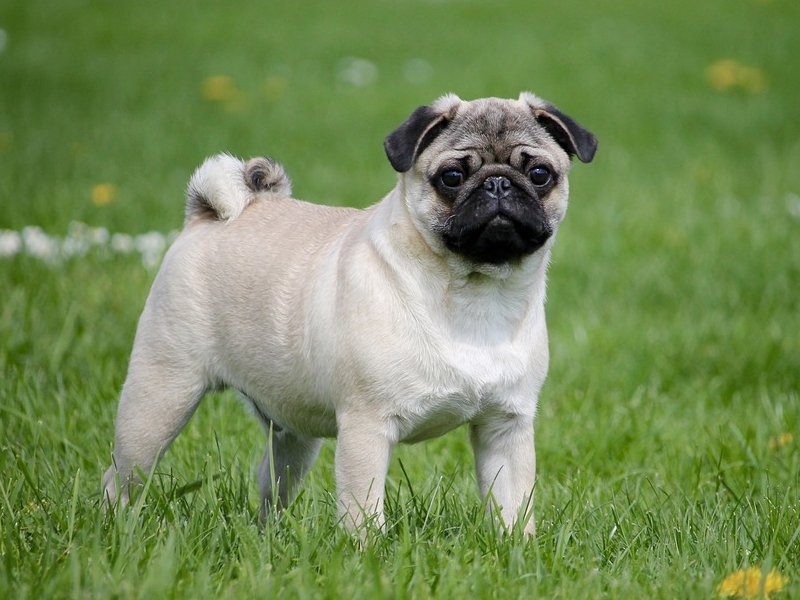
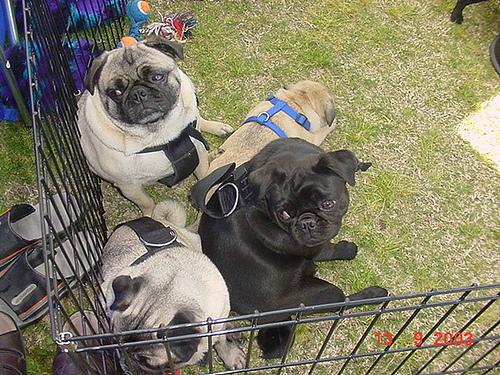
What makes the Pug genuinely distinct from other brachycephalic toy breeds is its physical motto: the Latin phrase multum in parvo, meaning "a lot in a little." This isn't marketing language — it describes a structural and behavioral reality. The Pug has a notably more muscular, square, and dense body than a Shih Tzu or a Cavalier King Charles Spaniel, with a double-curled tail (a double curl is considered ideal in the show ring) and a defined cobby build. The breed comes primarily in fawn and black, with the black mask and trace line on fawn dogs being breed-specific hallmarks outlined in the AKC standard.
At a Glance
Quick Facts
- Breed Group:
- Toy
- Bred For:
- Lapdog
- Origin:
- China
- Life Span:
- 12 - 14 years
- Weight:
- 14 - 18 lbs
- Height:
- 10 - 12 in
💰 Pug Cost Guide
Food · Vet · Grooming · Insurance · Full breakdown
Frequently Asked Questions
What is the temperament of a Pug?
Pugs are known to be docile, clever, charming, stubborn, sociable, playful, quiet, attentive, affectionate, friendly, loyal, gentle, curious. This combination of traits makes them excellent companions for families with children. Their temperament is influenced by both genetics and proper socialization from an early age.
How much exercise does a Pug need?
Pugs have low energy levels and require minimal daily exercise, typically 15-30 minutes of gentle activity.
How often should I groom my Pug?
Pugs require minimal grooming with weekly brushing and occasional baths.
How do I train a Pug?
Pugs are highly trainable and typically respond well to positive reinforcement methods.
Are Pugs good with children?
Pugs are excellent with children. Their natural patience, gentle nature, and resilience make them outstanding family dogs. They typically form strong bonds with children and tend to be forgiving of the occasional accidental rough handling that can occur with younger kids. Remember that proper socialization and teaching children appropriate interaction with dogs are always important, regardless of breed.
What makes the Pug unique compared to other dog breeds?
The Pug stands out from other breeds due to its rich heritage from China, specialized abilities for lapdog. This unique combination of characteristics makes them special among dog breeds and appeals to owners who appreciate these distinct qualities. Understanding these traits helps provide appropriate care tailored to their specific needs.
What should I know before getting a Pug?
Before bringing a Pug into your home, potential owners should consider: They have relatively low exercise needs (2/5), making them suitable for less active households. Their coat is relatively low-maintenance (2/5). They typically excel in family environments with children (5/5 child-friendliness). They're typically highly trainable (4/5) and eager to learn. They may be prone to breed-specific health issues including Brachycephalic Obstructive Airway Syndrome, Pug Dog Encephalitis (NME), Patellar Luxation, Hip Dysplasia, Eye Conditions (Corneal Ulcers), Hemivertebrae, Skin Fold Dermatitis. Additionally, researching reputable breeders or rescue organizations is essential for finding a healthy, well-socialized Pug. Understanding these factors will help ensure a good match between the breed and your lifestyle, leading to a happy relationship for both you and your dog.
What were Pugs originally bred for?
Pugs were originally bred for lapdog. This companion-focused breeding has resulted in their affectionate, people-oriented temperament that makes them excellent pets. As part of the Toy group, they share characteristics with other breeds developed for similar purposes. Understanding your Pug's breeding heritage helps explain many of their natural behaviors and instincts, which can be channeled appropriately through training and enrichment activities. Even though modern Pugs are primarily companions, these inherent traits remain part of their genetic makeup.
How long do Pugs typically live?
The average lifespan of a Pug is 12 - 14 years. With proper care including quality nutrition, regular veterinary check-ups, appropriate exercise, and preventative healthcare, some Pugs may live beyond this range. Genetics, environment, and healthcare all play important roles in determining longevity.
Do Pugs have breathing problems their whole life?
Most Pugs experience some degree of Brachycephalic Obstructive Airway Syndrome (BOAS) throughout their lives because it is a structural condition, not an illness that resolves. The severity varies significantly between individual dogs. Pugs with stenotic nares (pinched nostrils) and an elongated soft palate can undergo corrective surgery, typically most effective when performed before age two, which substantially improves airflow and quality of life. However, many Pugs also have a hypoplastic trachea — a proportionally narrow windpipe — which cannot be surgically corrected and sets a permanent limit on their breathing capacity. Even well-managed Pugs should avoid heat, humidity, and strenuous exercise, as their ability to thermoregulate through panting is compromised compared to longer-muzzled breeds.
Are Pugs good apartment dogs?
Pugs are genuinely well-suited to apartment living in a way that many breeds described as 'apartment friendly' are not. Their exercise needs are low to moderate — two short daily walks of 15 to 20 minutes satisfy most adult Pugs, and their airway limitations make extended or high-intensity exercise inappropriate anyway. They are not a particularly vocal breed, which matters in shared buildings, and their primary need is human companionship rather than physical space. The caveat is that apartments without climate control pose real risks in summer — Pugs cannot tolerate heat, and an apartment that reaches 80°F or above while the owner is at work is genuinely dangerous for this breed. Air conditioning is not optional for Pug ownership.
How long do Pugs live and what do they usually die from?
Pugs have a typical lifespan of 12 to 14 years, though 13 to 15 years is achievable in well-managed dogs. The most common causes of death in the breed are neurological disease — particularly Pug Dog Encephalitis (NME), which predominantly strikes dogs between two and seven years old — and complications from chronic respiratory compromise, including heart strain from years of labored breathing. Cancer, as in most breeds, becomes a more common cause of death in older Pugs. Dogs that undergo early BOAS surgery and are kept at a healthy weight consistently outperform lifespan averages for the breed, suggesting that management of the structural conditions meaningfully affects longevity.
Do Pugs shed a lot?
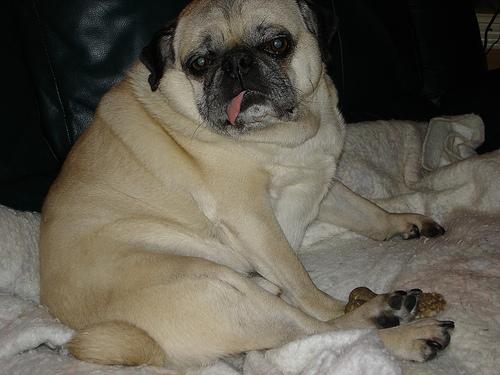
Pugs shed significantly more than their short coat would suggest. The double coat — a soft undercoat beneath the smooth outer coat — sheds year-round with heavier shedding periods in spring and fall. Fawn Pugs are notably heavier shedders than black Pugs, which have a single coat. Weekly brushing with a rubber grooming mitt or a soft-bristle brush reduces loose hair accumulation, but Pug owners routinely report that the fine, short hairs embed into upholstery and clothing in ways that are harder to remove than the larger shedding from long-haired breeds. A lint roller is a standard household item for most Pug owners. Regular brushing also stimulates skin circulation and gives owners the opportunity to inspect the facial wrinkles for early signs of skin fold dermatitis.
Additional Characteristics
Care Requirements
They have a low to moderate energy level and need regular but not extensive exercise.
They need regular but basic grooming such as weekly brushing.
Highly trainable — quick to learn and eager to please
They are excellent with children and often form strong bonds with them.
Pug
Complete Breed Guide
About the Pug
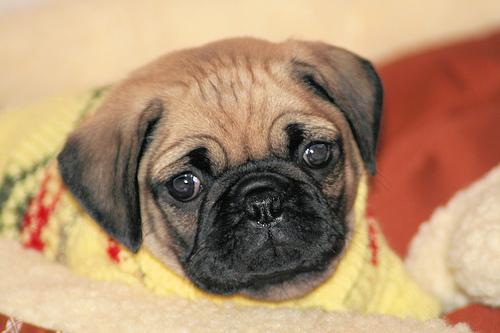
The Pug is a small breed that originated in China, where they were favored by royalty and served as companions. Typically weighing between 14 to 18 pounds and standing 10 to 12 inches tall, Pugs are characterized by their wrinkled faces, curled tails, and compact bodies. Known for their docile and sociable temperament, they are affectionate and playful companions, making them well-suited for family life and as lap dogs. Their cleverness and curiosity can sometimes lead to stubborn behavior, but they are generally gentle and loyal pets. Pugs have a life span of 12 to 14 years.
Pugs are known for being docile, clever, charming, stubborn, sociable, and playful, quiet, attentive. As a low-key and calm breed, they are highly responsive to training and thrive with regular mental and physical activity. They are excellent with children of all ages and friendly with other dogs, making them a popular choice for families and experienced dog owners alike.
Caring for a Pug means committing to minimal grooming — a quick brush once a week is usually enough, regular daily walks, and positive-reinforcement training. Their gentle, social nature makes them a wonderful addition to active families.
At a Glance
Quick Facts
- Breed Group:
- Toy
- Bred For:
- Lapdog
- Origin:
- China
- Life Span:
- 12 - 14 years
- Weight:
- 14 - 18 lbs
- Height:
- 10 - 12 in
Temperament
Free Pug Health Guide
Pugs can be prone to Brachycephalic Obstructive Airway Syndrome and other conditions. Get our owner's health checklist and monthly vet tips — free.
- ✓Pug-specific health warning signs
- ✓Vet visit checklist & cost tracker
- ✓Monthly breed health newsletter
Finding similar breeds...
How We Find Similar Breeds
We analyze breed characteristics including temperament, size, appearance, and care needs to identify the most similar dog breeds. This helps you discover alternatives that might be a good match for your lifestyle and preferences.
Adopt a Pug
Filter to show only purebred Pugs (excludes mixed breeds and crosses)
Find Dogs Near You
Enter your location to discover adoptable pets nearby
How to Adopt a Pug
Follow these steps to ensure a smooth and responsible adoption process. Remember that adopting a dog is a lifelong commitment.
Research the Breed
Learn everything you can about Pugs, including their temperament, exercise needs, grooming requirements, and potential health issues.
Find Reputable Sources
Look for adoptable dogs through shelters, rescue organizations, or responsible breeders. Avoid puppy mills and online scams.
Apply for Adoption
Complete an adoption application with your chosen organization. Be prepared to provide references and possibly go through a home visit.
Meet Your Potential Pet
Schedule a meeting with the dog to assess compatibility with you, your family, and any existing pets.
Prepare Your Home
Gather necessary supplies and dog-proof your home before bringing your new pet home.
1Essential Supplies
Food and water bowls, high-quality dog food, collar with ID tag, leash, bed, crate, toys, treats, grooming supplies, and cleaning products for accidents.
2Create a Safe Space
Designate an area where your dog can retreat when feeling overwhelmed. This could be a crate with comfortable bedding or a quiet corner with their bed.
3Remove Hazards
Secure or remove toxic plants, chemicals, small objects that could be swallowed, and foods that are harmful to dogs. Use baby gates if needed to restrict access to certain areas.
4Find a Veterinarian
Research and choose a veterinarian before bringing your dog home, and schedule an initial check-up shortly after adoption.
What is the dog's background and history?
Understanding a dog's past can help you anticipate potential behavior issues and provide appropriate support.
Has the dog been spayed/neutered and vaccinated?
This information is important for planning future veterinary care and understanding any immediate medical needs.
What is the dog's energy level and exercise needs?
Pugs typically need regular exercise to stay healthy and happy. Ask about specific exercise requirements.
Has the dog been socialized with other animals and people?
This helps you understand how the dog might interact with your family, friends, and other pets.
Are there any known behavioral or health issues?
Knowing about existing issues helps you prepare for any special care or training needs.
Special Considerations for Pugs
- Pugs may have specific health concerns that require regular monitoring.
- Consider how the typical Pug temperament aligns with your lifestyle.
- Research the grooming needs of Pugs to ensure you can commit to the required maintenance.
- Understand the exercise requirements of Pugs to keep them healthy and prevent behavior problems.
- Learn about proper training methods that work well with Pugs.
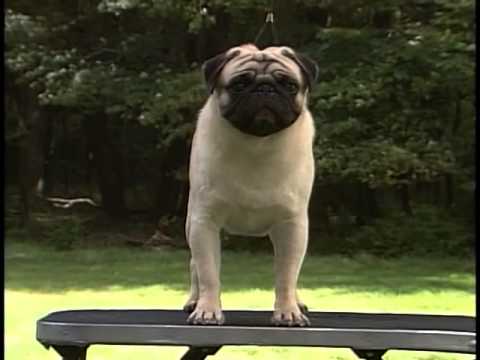 Pug — Official AKC Breed VideoAmerican Kennel Club
Watch the official AKC video covering temperament, history, traits, and care.
Watch on YouTube →Product Recommendations for Pugs
See all →Vet-reviewed picks for food, insurance, crates, brushes, treats, and toys — matched to this breed.
Compare Pug with Similar Breeds
See how the Pug stacks up against other breeds side by side.