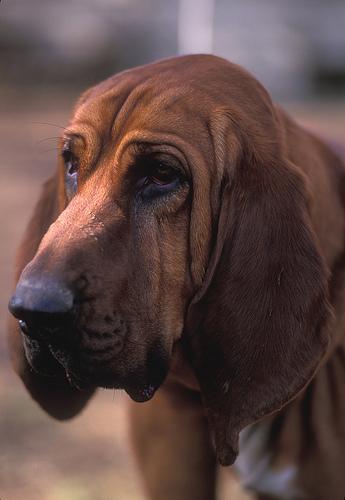
Redbone Coonhound
Temperament
About the Redbone Coonhound
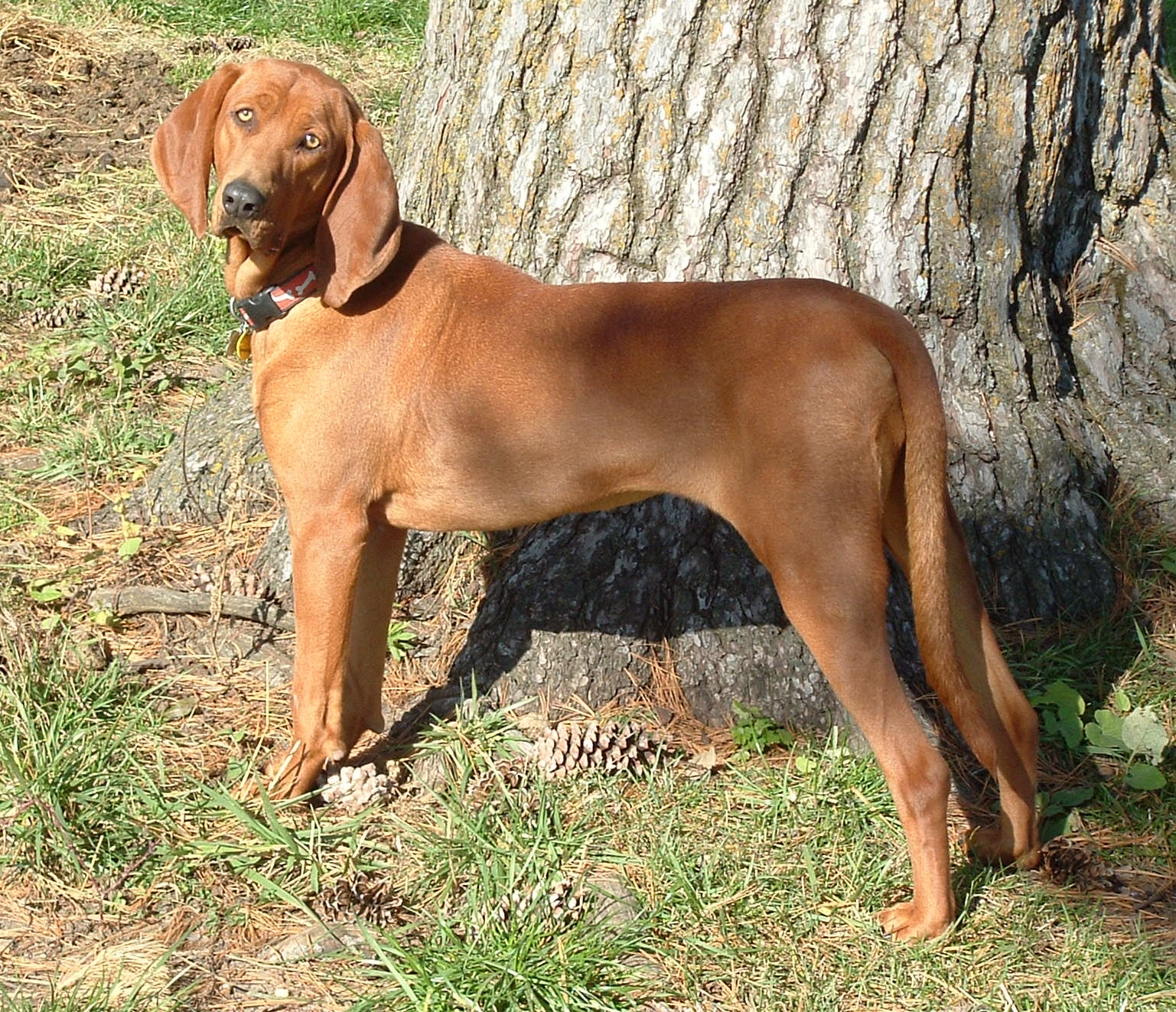
The Redbone Coonhound is one of the oldest and most distinctly American hunting breeds, with roots tracing back to the late 18th century. The foundation stock arrived with Scottish and Irish immigrants who brought red foxhounds to the Southern United States, where hunters quickly recognized the need for a dog that could navigate swamps, mountains, and dense woodland terrain. George F. L. Birdsong, a Georgia hunter, is widely credited with playing a central role in refining the breed beginning around 1840, working with a pack he acquired to develop the specific traits hunters in the South demanded — heat tolerance, sure-footedness on difficult terrain, and an exceptional nose capable of working cold trails that other hounds would abandon.
What made the Redbone stand apart from other coonhound varieties was a deliberate dual emphasis on both hunting function and physical appearance. While breeds like the Black and Tan Coonhound or the Bluetick were developed almost exclusively with performance in mind, Redbone breeders selected for the breed's deep mahogany coat alongside its working ability. That rich red color, ranging from a solid deep red to a dark red with a small amount of white on the chest or feet, became the breed's visual trademark and set it apart in the coonhound world.
The United Kennel Club recognized the Redbone Coonhound in 1902, making it one of the earlier hound breeds to receive formal breed club status in the United States. The UKC has historically been the primary registering body for working coonhound breeds, and Redbone breeders with serious hunting programs still largely operate within UKC trial circuits rather than AKC conformation events. The American Kennel Club did not recognize the Redbone until 2010, placing it in the Hound Group, and AKC recognition has made the breed more visible to the general public without meaningfully shifting the core hunting culture surrounding it.
A signature trait that separates the Redbone from many other coonhounds is what hunters call a "cold nose" — the ability to work a scent trail that has gone cold, sometimes hours or even days old. This makes the Redbone particularly effective on game like bears and cougars in addition to the raccoons and opossums that define the coonhound tradition. The breed's hunting strategy is to tree prey rather than subdue it, baying loudly at the base of the tree until the hunter arrives. That deep, melodious bay is as much a functional tool as it is a breed characteristic, and it plays a significant role in the daily life of any household that owns one. In popular culture, the breed reached its widest audience through Wilson Rawls' 1961 novel Where the Red Fern Grows, which featured two Redbones named Old Dan and Little Ann.
At a Glance
Quick Facts
- Breed Group:
- Hound
- Bred For:
- Hunting raccoon, deer, bear, and cougar.
- Origin:
- United States
- Life Span:
- 10 - 12 years
- Weight:
- 45 - 80 lbs
- Height:
- 21 - 27 in
💰 Redbone Coonhound Cost Guide
Food · Vet · Grooming · Insurance · Full breakdown
Frequently Asked Questions
What is the temperament of a Redbone Coonhound?
Redbone Coonhounds are known to be affectionate, energetic, independent, companionable, familial, unflappable, brave, curious, friendly, gentle, loyal, playful. This combination of traits makes them excellent companions for families with children. Their temperament is influenced by both genetics and proper socialization from an early age.
How much exercise does a Redbone Coonhound need?
Redbone Coonhounds are high-energy dogs requiring 60+ minutes of vigorous daily exercise and mental stimulation.
How often should I groom my Redbone Coonhound?
Redbone Coonhounds require minimal grooming with weekly brushing and occasional baths.
How do I train a Redbone Coonhound?
Redbone Coonhounds are highly trainable and typically respond well to positive reinforcement methods.
Are Redbone Coonhounds good with children?
Redbone Coonhounds are excellent with children. Their natural patience, gentle nature, and resilience make them outstanding family dogs. They typically form strong bonds with children and tend to be forgiving of the occasional accidental rough handling that can occur with younger kids. Remember that proper socialization and teaching children appropriate interaction with dogs are always important, regardless of breed.
What makes the Redbone Coonhound unique compared to other dog breeds?
The Redbone Coonhound stands out from other breeds due to its rich heritage from United States, exceptional hunting abilities. This unique combination of characteristics makes them special among dog breeds and appeals to owners who appreciate these distinct qualities. Understanding these traits helps provide appropriate care tailored to their specific needs.
What should I know before getting a Redbone Coonhound?
Before bringing a Redbone Coonhound into your home, potential owners should consider: They have high exercise requirements (5/5) and need an active owner. Their coat is relatively low-maintenance (2/5). They typically excel in family environments with children (5/5 child-friendliness). They're typically highly trainable (4/5) and eager to learn. Their large size requires adequate living space. They may be prone to breed-specific health issues including Hip Dysplasia, Ear Infections, Hypothyroidism, Bloat (GDV). Additionally, researching reputable breeders or rescue organizations is essential for finding a healthy, well-socialized Redbone Coonhound. Understanding these factors will help ensure a good match between the breed and your lifestyle, leading to a happy relationship for both you and your dog.
What were Redbone Coonhounds originally bred for?
Redbone Coonhounds were originally bred for hunting raccoon, deer, bear, and cougar.. This hunting background explains their natural prey drive, scenting abilities, and often high energy levels. As part of the Hound group, they share characteristics with other breeds developed for similar purposes. Understanding your Redbone Coonhound's breeding heritage helps explain many of their natural behaviors and instincts, which can be channeled appropriately through training and enrichment activities. Even though modern Redbone Coonhounds are primarily companions, these inherent traits remain part of their genetic makeup.
How long do Redbone Coonhounds typically live?
The average lifespan of a Redbone Coonhound is 10 - 12 years. With proper care including quality nutrition, regular veterinary check-ups, appropriate exercise, and preventative healthcare, some Redbone Coonhounds may live beyond this range. Genetics, environment, and healthcare all play important roles in determining longevity.
Are Redbone Coonhounds good family dogs?
Redbone Coonhounds can be excellent family dogs, but the fit depends heavily on the family's lifestyle. They are genuinely affectionate with people they know, tend to be patient and gentle with children, and are not typically aggressive toward strangers. Where they challenge families is in their energy level, their loud bay, and their need for secure containment. A Redbone left under-exercised in a small yard will find ways to make itself heard and felt. Families with active lifestyles, a securely fenced property, and realistic expectations about the breed's independent nature tend to do very well with them.
Do Redbone Coonhounds bark a lot?
Yes, and specifically they bay rather than bark — a deep, melodious, carrying vocalization that was selectively developed to communicate with hunters from a distance in dense woodland. This is not a behavior that can be fully trained out of the breed, and attempts at complete suppression through punishment typically make the problem worse by adding anxiety to the equation. Redbones will bay at interesting scents, sounds, wildlife, and sometimes seemingly nothing at all. They are not suited to apartment living or neighborhoods with close quarters and noise sensitivity unless owners have a very proactive management plan in place.
Can a Redbone Coonhound be off leash?
Off-leash freedom for a Redbone Coonhound in an unfenced area carries real risk for most dogs of this breed, even well-trained ones. The moment a Redbone picks up an interesting scent — which in many outdoor environments happens within seconds — recall competes directly with one of the strongest biological drives the dog possesses. Some individual Redbones with extensive training and a specific handler relationship can work reliably off leash, but this is the exception rather than the rule and takes months to years of consistent work to achieve. For the vast majority of Redbones, hiking and outdoor time should involve a long leash or fully enclosed off-leash areas.
Additional Characteristics
Care Requirements
They are extremely energetic dogs requiring extensive daily exercise, activities, and mental stimulation.
They need regular but basic grooming such as weekly brushing.
Highly trainable — quick to learn and eager to please
They are excellent with children and often form strong bonds with them.
Redbone Coonhound
Complete Breed Guide
About the Redbone Coonhound
The Redbone Coonhound originated in the United States, developed primarily for hunting raccoons and other game due to its strong scenting ability and endurance. This breed typically weighs between 45 to 80 pounds and stands 21 to 27 inches tall, characterized by its short, smooth coat that is usually a rich red color. Known for their affectionate and energetic temperament, Redbone Coonhounds are loyal companions that thrive in active households and require regular exercise to maintain their physical and mental well-being.
Redbone Coonhounds are known for being affectionate, energetic, independent, companionable, familial, and unflappable, brave, curious. As a high-energy breed, they are highly responsive to training and thrive with regular mental and physical activity. They are excellent with children of all ages and friendly with other dogs, making them a popular choice for families and experienced dog owners alike.
Caring for a Redbone Coonhound means committing to minimal grooming — a quick brush once a week is usually enough, intense daily exercise, and firm, consistent training. Their gentle, social nature makes them a wonderful addition to active families.
At a Glance
Quick Facts
- Breed Group:
- Hound
- Bred For:
- Hunting raccoon, deer, bear, and cougar.
- Origin:
- United States
- Life Span:
- 10 - 12 years
- Weight:
- 45 - 80 lbs
- Height:
- 21 - 27 in
Temperament
Free Redbone Coonhound Health Guide
Redbone Coonhounds can be prone to Hip Dysplasia and other conditions. Get our owner's health checklist and monthly vet tips — free.
- ✓Redbone Coonhound-specific health warning signs
- ✓Vet visit checklist & cost tracker
- ✓Monthly breed health newsletter
Finding similar breeds...
How We Find Similar Breeds
We analyze breed characteristics including temperament, size, appearance, and care needs to identify the most similar dog breeds. This helps you discover alternatives that might be a good match for your lifestyle and preferences.
Adopt a Redbone Coonhound
Filter to show only purebred Redbone Coonhounds (excludes mixed breeds and crosses)
Find Dogs Near You
Enter your location to discover adoptable pets nearby
How to Adopt a Redbone Coonhound
Follow these steps to ensure a smooth and responsible adoption process. Remember that adopting a dog is a lifelong commitment.
Research the Breed
Learn everything you can about Redbone Coonhounds, including their temperament, exercise needs, grooming requirements, and potential health issues.
Find Reputable Sources
Look for adoptable dogs through shelters, rescue organizations, or responsible breeders. Avoid puppy mills and online scams.
Apply for Adoption
Complete an adoption application with your chosen organization. Be prepared to provide references and possibly go through a home visit.
Meet Your Potential Pet
Schedule a meeting with the dog to assess compatibility with you, your family, and any existing pets.
Prepare Your Home
Gather necessary supplies and dog-proof your home before bringing your new pet home.
1Essential Supplies
Food and water bowls, high-quality dog food, collar with ID tag, leash, bed, crate, toys, treats, grooming supplies, and cleaning products for accidents.
2Create a Safe Space
Designate an area where your dog can retreat when feeling overwhelmed. This could be a crate with comfortable bedding or a quiet corner with their bed.
3Remove Hazards
Secure or remove toxic plants, chemicals, small objects that could be swallowed, and foods that are harmful to dogs. Use baby gates if needed to restrict access to certain areas.
4Find a Veterinarian
Research and choose a veterinarian before bringing your dog home, and schedule an initial check-up shortly after adoption.
What is the dog's background and history?
Understanding a dog's past can help you anticipate potential behavior issues and provide appropriate support.
Has the dog been spayed/neutered and vaccinated?
This information is important for planning future veterinary care and understanding any immediate medical needs.
What is the dog's energy level and exercise needs?
Redbone Coonhounds typically need regular exercise to stay healthy and happy. Ask about specific exercise requirements.
Has the dog been socialized with other animals and people?
This helps you understand how the dog might interact with your family, friends, and other pets.
Are there any known behavioral or health issues?
Knowing about existing issues helps you prepare for any special care or training needs.
Special Considerations for Redbone Coonhounds
- Redbone Coonhounds may have specific health concerns that require regular monitoring.
- Consider how the typical Redbone Coonhound temperament aligns with your lifestyle.
- Research the grooming needs of Redbone Coonhounds to ensure you can commit to the required maintenance.
- Understand the exercise requirements of Redbone Coonhounds to keep them healthy and prevent behavior problems.
- Learn about proper training methods that work well with Redbone Coonhounds.
Product Recommendations for Redbone Coonhounds
See all →Vet-reviewed picks for food, insurance, crates, brushes, treats, and toys — matched to this breed.
Compare Redbone Coonhound with Similar Breeds
See how the Redbone Coonhound stacks up against other breeds side by side.