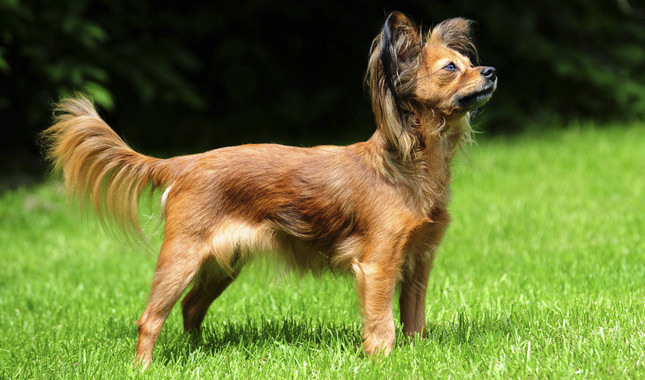
Russian Toy
Friendly, Adaptable, Active, Loyal, Curious, Cheerful
Russian Toy Behavior & Training Guide
Understanding your Russian Toy's behavior patterns and addressing common issues
Russian Toy Temperament & Behavior Traits
Russian Toys are known for their friendly, adaptable, active, loyal, curious, cheerful. Understanding these behavioral characteristics is essential for successful training and building a strong bond with your dog.
High Energy
Your Russian Toy needs plenty of physical exercise and mental stimulation to prevent destructive behaviors.
Common Russian Toy Behavioral Issues
While every dog is unique, Russian Toys may be prone to certain behavioral challenges. Early identification and proper training can help address these issues effectively.
Separation Anxiety
Russian Toys can develop strong bonds with their families, sometimes leading to anxiety when left alone.
Learn how to address Separation Anxiety →Resource Guarding
Some Russian Toys may guard food, toys, or other valuable items from people or other pets.
Learn how to address Resource Guarding →Leash Pulling
Without proper training, Russian Toys may pull on the leash during walks, especially if they're energetic.
Learn how to address Leash Pulling →Jumping On People
Friendly Russian Toys may jump on visitors or family members as a greeting behavior.
Learn how to address Jumping On People →Digging
Russian Toys may dig in yards due to boredom, hunting instincts, or seeking cool ground.
Learn how to address Digging →Training Tips for Russian Toys
Successful training requires understanding your Russian Toy's unique personality and motivation. Here are proven strategies that work well for this breed:
- Positive Reinforcement:
Reward good behavior immediately with treats, praise, or play to reinforce desired actions.
- Consistency:
All family members should use the same commands and rules to avoid confusing your Russian Toy.
- Mental Stimulation:
Regular mental exercise is just as important as physical exercise for preventing boredom and related behaviors.
- Professional Help:
Don't hesitate to seek assistance from a professional dog trainer or behaviorist for persistent issues.
Other Russian Toy Resources
Training Guides
How to Train a Puppy
House training, crate training, socialization & first commands
Basic Obedience Training
Sit, stay, come, leash manners — step-by-step for any age
Crate Training Guide
Make the crate a safe space your Russian Toy loves
Puppy Biting Solutions
Stop nipping and mouthing with positive techniques
Common Behavioral Issues in Russian Toys
Separation Anxiety
Tips for managing Separation Anxiety in your Russian Toy
Resource Guarding
Tips for managing Resource Guarding in your Russian Toy
Leash Pulling
Tips for managing Leash Pulling in your Russian Toy
Jumping On People
Tips for managing Jumping On People in your Russian Toy
Digging
Tips for managing Digging in your Russian Toy