


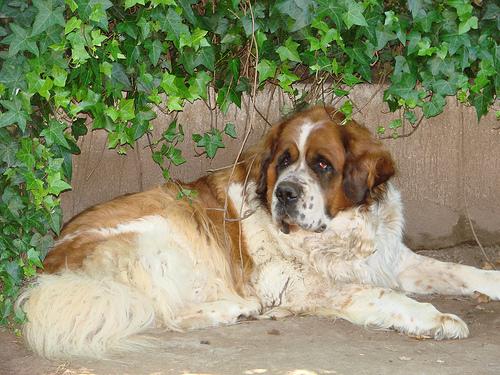

Saint Bernard
Temperament
About the Saint Bernard
The Saint Bernard's origins trace back to the late 1600s in the Swiss Alps, where Augustinian monks at the Great St. Bernard Hospice — a mountain refuge situated at 8,100 feet on the pass connecting Switzerland and Italy — began developing working dogs capable of navigating the treacherous alpine terrain. The hospice itself was founded in 1049 by Saint Bernard of Menthon, though the dogs bearing his name weren't documented at the monastery until around 1695, when early records show large working dogs living alongside the monks. Over the following centuries, these dogs became indispensable to the monks' rescue operations, using their extraordinary sense of smell to locate travelers buried under avalanche snow and their body heat to revive the hypothermic. The most celebrated Saint Bernard in history was Barry, who reportedly saved between 40 and 100 lives between 1800 and 1812 — a record that cemented the breed's legendary status across Europe.
The breed nearly collapsed in the early 19th century after a series of harsh winters and disease decimated the hospice's population. To rebuild numbers, monks crossed the surviving stock with Newfoundlands, which introduced the longhaired coat variety. Ironically, the longhaired trait proved impractical in alpine rescue work — ice would form in the coat and weigh the dogs down — so longhaired dogs were typically given away as gifts rather than used on the mountain. The Swiss Saint Bernard Club was founded in Basel in 1884, the same year Heinrich Schumacher drafted the first breed standard, which was later ratified internationally. The American Kennel Club formally recognized the breed in 1885, placing it in the Working Group, where it remains today. The Saint Bernard Club of America, founded in 1888, is the AKC parent club for the breed and remains active in maintaining breed standards, health programs, and rescue networks.
What distinguishes the Saint Bernard from visually similar breeds like the Bernese Mountain Dog or Greater Swiss Mountain Dog is both scale and purpose. Saints are considerably heavier and more massive through the chest and head than their Swiss counterparts, and their specific development was oriented around avalanche recovery rather than drafting or herding. The hallmark broad, wrinkled skull, the deep-set dark eyes with their characteristic haw showing, and the powerful, slightly rolling gait are all breed-specific traits shaped by centuries of alpine work. Today the breed ranks 62nd in AKC registration popularity — a respectable position for a giant breed that demands serious commitment from its owners.
At a Glance
Quick Facts
- Breed Group:
- Working
- Bred For:
- Draft, search, rescue
- Origin:
- Switzerland
- Life Span:
- 7 - 10 years
- Weight:
- 130 - 180 lbs
- Height:
- 25.5 - 27.5 in
💰 Saint Bernard Cost Guide
Food · Vet · Grooming · Insurance · Full breakdown
Frequently Asked Questions
What is the temperament of a Saint Bernard?
Saint Bernards are known to be friendly, lively, gentle, watchful, calm, affectionate, sweet, brave, playful, curious, independent, loyal. This combination of traits makes them excellent companions for families with children. Their temperament is influenced by both genetics and proper socialization from an early age.
How much exercise does a Saint Bernard need?
Saint Bernards are high-energy dogs requiring 60+ minutes of vigorous daily exercise and mental stimulation.
How often should I groom my Saint Bernard?
Saint Bernards require intensive grooming with daily brushing and regular professional grooming sessions.
How do I train a Saint Bernard?
Saint Bernards are highly trainable and typically respond well to positive reinforcement methods.
Are Saint Bernards good with children?
Saint Bernards are excellent with children. Their natural patience, gentle nature, and resilience make them outstanding family dogs. They typically form strong bonds with children and tend to be forgiving of the occasional accidental rough handling that can occur with younger kids. Remember that proper socialization and teaching children appropriate interaction with dogs are always important, regardless of breed.
What makes the Saint Bernard unique compared to other dog breeds?
The Saint Bernard stands out from other breeds due to its rich heritage from Switzerland, specialized abilities for draft, search, rescue. This unique combination of characteristics makes them special among dog breeds and appeals to owners who appreciate these distinct qualities. Understanding these traits helps provide appropriate care tailored to their specific needs.
What should I know before getting a Saint Bernard?
Before bringing a Saint Bernard into your home, potential owners should consider: They have high exercise requirements (4/5) and need an active owner. Their coat requires significant maintenance (4/5) with regular grooming sessions. They typically excel in family environments with children (5/5 child-friendliness). They're typically highly trainable (5/5) and eager to learn. Their large size requires adequate living space. They may be prone to breed-specific health issues including Hip Dysplasia, Elbow Dysplasia, Bloat (GDV), Osteosarcoma, Heart Disease, Entropion, Ectropion. Additionally, researching reputable breeders or rescue organizations is essential for finding a healthy, well-socialized Saint Bernard. Understanding these factors will help ensure a good match between the breed and your lifestyle, leading to a happy relationship for both you and your dog.
What were Saint Bernards originally bred for?
Saint Bernards were originally bred for draft, search, rescue. As part of the Working group, they share characteristics with other breeds developed for similar purposes. Understanding your Saint Bernard's breeding heritage helps explain many of their natural behaviors and instincts, which can be channeled appropriately through training and enrichment activities. Even though modern Saint Bernards are primarily companions, these inherent traits remain part of their genetic makeup.
How long do Saint Bernards typically live?
The average lifespan of a Saint Bernard is 7 - 10 years. With proper care including quality nutrition, regular veterinary check-ups, appropriate exercise, and preventative healthcare, some Saint Bernards may live beyond this range. Genetics, environment, and healthcare all play important roles in determining longevity.
Do Saint Bernards drool a lot?
Yes — Saint Bernards are among the heaviest droolers of any breed, and this is not something that varies much between individual dogs. The drool is a direct consequence of their loose, heavy jowls and large lips, which were shaped by centuries of selective breeding for alpine work rather than cosmetic tidiness. Most Saint Bernard owners keep hand towels in every room of the house and accept that furniture, clothing, and walls within head-height will get periodic splatter. Drooling increases significantly after eating, drinking, exercising, or when the dog is warm. There is no training solution and no dietary change that meaningfully reduces it. If drool is a dealbreaker, this is genuinely not the right breed.
Are Saint Bernards good with kids?
Saint Bernards have a well-earned reputation for patience and gentleness with children, and this temperament trait is consistent enough across the breed to be considered characteristic rather than individual. The monks at the Great St. Bernard Hospice specifically valued the breed's calm, watchful nature, and those traits have been preserved through careful breeding. That said, the combination of a very young child and a 150-pound dog that moves with casual force requires supervision — not because Saints are dangerous, but because an excited Saint Bernard can knock a toddler down simply by turning around. The breed is best suited to families with children old enough to interact with a large dog safely, and socialization during puppyhood remains important to ensure the dog develops appropriate manners around children's erratic movements and noise.
How long do Saint Bernards live?
The Saint Bernard's typical lifespan is 7 to 10 years, which is consistent with most giant breeds — larger body size in dogs correlates with shorter life expectancy across the canine species. Some Saints reach 11 or 12 years, particularly females and dogs from health-tested lines that avoided major orthopedic or cardiac disease. The conditions most likely to shorten a Saint Bernard's life are osteosarcoma, which can occur in middle-aged dogs with little warning, GDV, which is an acute emergency, and progressive hip or cardiac disease in older dogs. Owners who invest in pet insurance, maintain the dog at a lean healthy weight — which reduces joint stress and may reduce cancer risk — and pursue regular veterinary monitoring give their Saint Bernard the best chance at reaching the upper end of that range.
Additional Characteristics
Care Requirements
They are high-energy dogs that need significant daily exercise and mental stimulation.
They have high grooming needs requiring frequent brushing and regular professional grooming.
Highly trainable — quick to learn and eager to please
They are excellent with children and often form strong bonds with them.
Saint Bernard
Complete Breed Guide
About the Saint Bernard
The Saint Bernard is a large working dog breed that originated in the Swiss Alps, specifically bred by monks at the Great St. Bernard Pass for rescue missions. They typically weigh between 130 to 180 pounds and stand 25.5 to 27.5 inches tall, featuring a strong, muscular build and a thick coat that can be either short or long. Known for their friendly and gentle temperament, Saint Bernards are affectionate and loyal companions, making them excellent family pets while also retaining their historical role as rescue dogs.
Saint Bernards are known for being friendly, lively, gentle, watchful, calm, and affectionate, sweet, brave. As a high-energy breed, they are highly responsive to training and thrive with regular mental and physical activity. They are excellent with children of all ages and friendly with other dogs, making them a popular choice for families and experienced dog owners alike.
Caring for a Saint Bernard means committing to regular grooming (brushing several times a week), vigorous daily exercise, and consistent training from an early age. Their gentle, social nature makes them a wonderful addition to active families.
At a Glance
Quick Facts
- Breed Group:
- Working
- Bred For:
- Draft, search, rescue
- Origin:
- Switzerland
- Life Span:
- 7 - 10 years
- Weight:
- 130 - 180 lbs
- Height:
- 25.5 - 27.5 in
Temperament
Free Saint Bernard Health Guide
Saint Bernards can be prone to Hip Dysplasia and other conditions. Get our owner's health checklist and monthly vet tips — free.
- ✓Saint Bernard-specific health warning signs
- ✓Vet visit checklist & cost tracker
- ✓Monthly breed health newsletter
Finding similar breeds...
How We Find Similar Breeds
We analyze breed characteristics including temperament, size, appearance, and care needs to identify the most similar dog breeds. This helps you discover alternatives that might be a good match for your lifestyle and preferences.
Explore Related Breeds & Guides
Adopt a Saint Bernard
Filter to show only purebred Saint Bernards (excludes mixed breeds and crosses)
Find Dogs Near You
Enter your location to discover adoptable pets nearby
How to Adopt a Saint Bernard
Follow these steps to ensure a smooth and responsible adoption process. Remember that adopting a dog is a lifelong commitment.
Research the Breed
Learn everything you can about Saint Bernards, including their temperament, exercise needs, grooming requirements, and potential health issues.
Find Reputable Sources
Look for adoptable dogs through shelters, rescue organizations, or responsible breeders. Avoid puppy mills and online scams.
Apply for Adoption
Complete an adoption application with your chosen organization. Be prepared to provide references and possibly go through a home visit.
Meet Your Potential Pet
Schedule a meeting with the dog to assess compatibility with you, your family, and any existing pets.
Prepare Your Home
Gather necessary supplies and dog-proof your home before bringing your new pet home.
1Essential Supplies
Food and water bowls, high-quality dog food, collar with ID tag, leash, bed, crate, toys, treats, grooming supplies, and cleaning products for accidents.
2Create a Safe Space
Designate an area where your dog can retreat when feeling overwhelmed. This could be a crate with comfortable bedding or a quiet corner with their bed.
3Remove Hazards
Secure or remove toxic plants, chemicals, small objects that could be swallowed, and foods that are harmful to dogs. Use baby gates if needed to restrict access to certain areas.
4Find a Veterinarian
Research and choose a veterinarian before bringing your dog home, and schedule an initial check-up shortly after adoption.
What is the dog's background and history?
Understanding a dog's past can help you anticipate potential behavior issues and provide appropriate support.
Has the dog been spayed/neutered and vaccinated?
This information is important for planning future veterinary care and understanding any immediate medical needs.
What is the dog's energy level and exercise needs?
Saint Bernards typically need regular exercise to stay healthy and happy. Ask about specific exercise requirements.
Has the dog been socialized with other animals and people?
This helps you understand how the dog might interact with your family, friends, and other pets.
Are there any known behavioral or health issues?
Knowing about existing issues helps you prepare for any special care or training needs.
Special Considerations for Saint Bernards
- Saint Bernards may have specific health concerns that require regular monitoring.
- Consider how the typical Saint Bernard temperament aligns with your lifestyle.
- Research the grooming needs of Saint Bernards to ensure you can commit to the required maintenance.
- Understand the exercise requirements of Saint Bernards to keep them healthy and prevent behavior problems.
- Learn about proper training methods that work well with Saint Bernards.
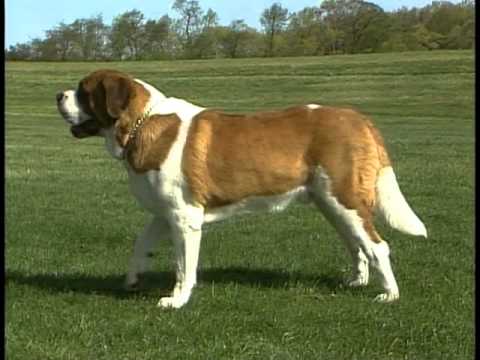 Saint Bernard — Official AKC Breed VideoAmerican Kennel Club
Watch the official AKC video covering temperament, history, traits, and care.
Watch on YouTube →Product Recommendations for Saint Bernards
See all →Vet-reviewed picks for food, insurance, crates, brushes, treats, and toys — matched to this breed.
Compare Saint Bernard with Similar Breeds
See how the Saint Bernard stacks up against other breeds side by side.