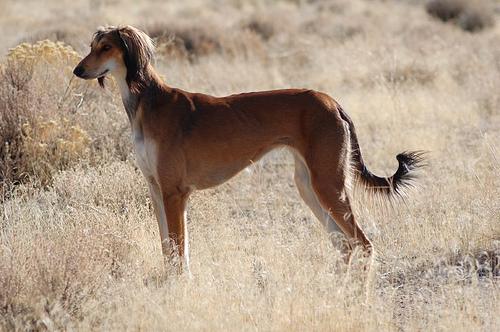
Saluki
Temperament
About the Saluki
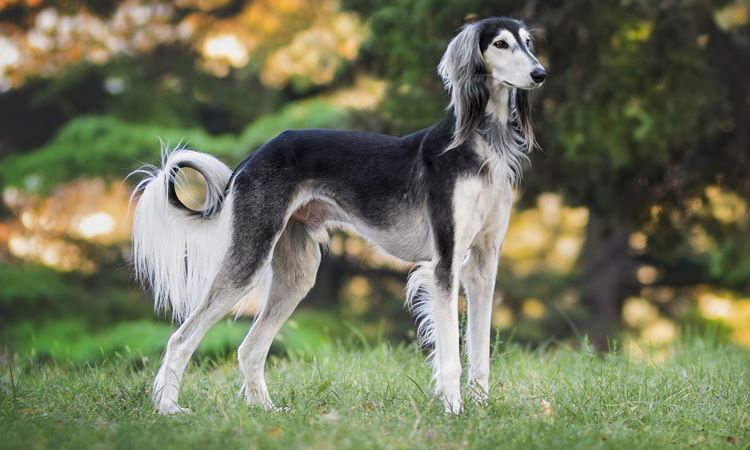
The Saluki is among the oldest identifiable dog breeds on earth, with depictions of long-legged, feathered sighthounds appearing in ancient Egyptian artifacts dating back to around 2100 BCE and on Sumerian carvings that predate the pyramids. Egyptian pharaohs valued the Saluki so highly that deceased dogs were mummified alongside their royal owners, a distinction shared with almost no other animal in the ancient world. The breed takes its name from the ancient city of Saluk in Yemen, though similar dogs were known across the Fertile Crescent under different regional names — the Tazi in Central Asia, the Persian Greyhound in Iran, and the Arabian Hound across the broader Middle East. Nomadic Bedouin tribes were the breed's primary caretakers for millennia, using Salukis to run down gazelle, hare, and fox across desert terrain where a dog's ability to sustain high speed over long distances was a matter of survival — for both the dog and the tribe that depended on the kill for food.
The Saluki was first introduced to the Western dog fancy in meaningful numbers in the early 20th century. Florence Amherst, a British aristocrat, imported the first Salukis to England from the Middle East in 1895 and began a dedicated breeding program that laid the foundation for the Western strain. The breed received formal recognition from The Kennel Club in the United Kingdom in 1923, and the Saluki Club of America — founded in 1927 — championed recognition from the American Kennel Club, which came that same year. The breed is classified in the AKC's Hound Group and currently ranks 141st out of 205 recognized breeds in AKC registration popularity, a reflection of its deliberate, niche ownership base rather than any lack of merit.
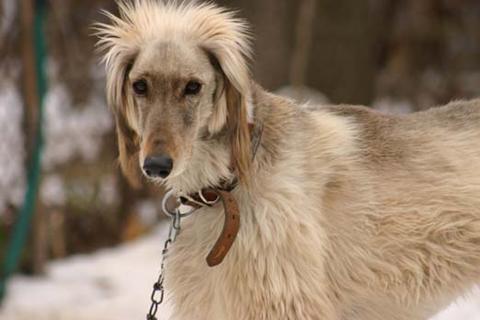
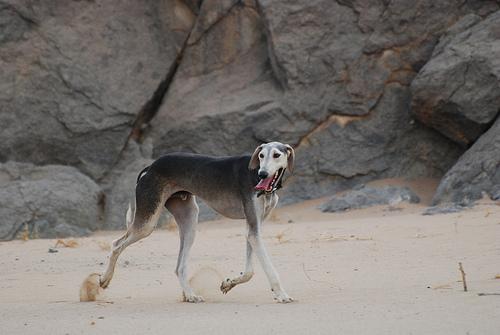
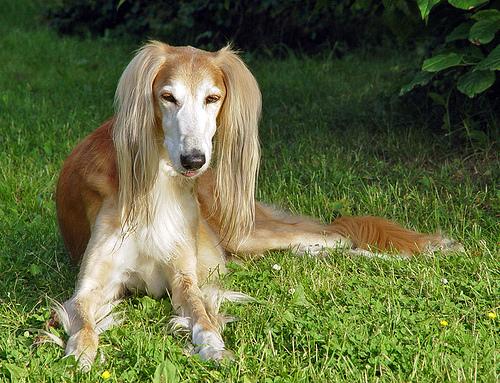
What distinguishes the Saluki from related sighthound breeds is a combination of structure, endurance, and antiquity. The Greyhound is faster in a short sprint, clocking speeds above 40 mph compared to the Saluki's approximately 35 mph, but the Saluki is built for sustained pursuit across rough, uneven terrain — the deep chest houses exceptional cardiovascular capacity, and the flexible spine allows a double-suspension gallop that covers ground efficiently over miles, not just furlongs. Unlike the Afghan Hound, its closest genetic relative according to modern breed clustering studies, the Saluki comes in both smooth and feathered coat varieties and was never developed primarily for cold mountain climates. The Sloughi, a North African cousin, is often confused with the Saluki but is a separate standardized breed with its own distinct gene pool and registration history under the FCI.
At a Glance
Quick Facts
- Breed Group:
- Hound
- Bred For:
- Coursing gazelle and hare
- Origin:
- Arabian Peninsula
- Life Span:
- 12 - 14 years
- Weight:
- 35 - 65 lbs
- Height:
- 23 - 28 in
💰 Saluki Cost Guide
Food · Vet · Grooming · Insurance · Full breakdown
Frequently Asked Questions
What is the temperament of a Saluki?
Salukis are known to be aloof, reserved, intelligent, quiet, affectionate, brave, friendly, loyal, playful, dignified, gentle. This combination of traits makes them excellent companions for families with children. Their temperament is influenced by both genetics and proper socialization from an early age.
How much exercise does a Saluki need?
Salukis have low energy levels and require minimal daily exercise, typically 15-30 minutes of gentle activity.
How often should I groom my Saluki?
Salukis require intensive grooming with daily brushing and regular professional grooming sessions.
How do I train a Saluki?
Salukis have moderate trainability and benefit from consistent, positive training approaches.
Are Salukis good with children?
Salukis are excellent with children. Their natural patience, gentle nature, and resilience make them outstanding family dogs. They typically form strong bonds with children and tend to be forgiving of the occasional accidental rough handling that can occur with younger kids. Remember that proper socialization and teaching children appropriate interaction with dogs are always important, regardless of breed.
What makes the Saluki unique compared to other dog breeds?
The Saluki stands out from other breeds due to its impressive stature and presence, dignified appearance and bearing, rich heritage from Arabian Peninsula, specialized abilities for coursing gazelle and hare. This unique combination of characteristics makes them special among dog breeds and appeals to owners who appreciate these distinct qualities. Understanding these traits helps provide appropriate care tailored to their specific needs.
What should I know before getting a Saluki?
Before bringing a Saluki into your home, potential owners should consider: They have relatively low exercise needs (2/5), making them suitable for less active households. Their coat requires significant maintenance (4/5) with regular grooming sessions. They typically excel in family environments with children (5/5 child-friendliness). They may be prone to breed-specific health issues including Hypothyroidism, Cardiomyopathy, Hemangiosarcoma, Progressive Retinal Atrophy, Bloat (GDV). Additionally, researching reputable breeders or rescue organizations is essential for finding a healthy, well-socialized Saluki. Understanding these factors will help ensure a good match between the breed and your lifestyle, leading to a happy relationship for both you and your dog.
What were Salukis originally bred for?
Salukis were originally bred for coursing gazelle and hare. As part of the Hound group, they share characteristics with other breeds developed for similar purposes. Understanding your Saluki's breeding heritage helps explain many of their natural behaviors and instincts, which can be channeled appropriately through training and enrichment activities. Even though modern Salukis are primarily companions, these inherent traits remain part of their genetic makeup.
How long do Salukis typically live?
The average lifespan of a Saluki is 12 - 14 years. With proper care including quality nutrition, regular veterinary check-ups, appropriate exercise, and preventative healthcare, some Salukis may live beyond this range. Genetics, environment, and healthcare all play important roles in determining longevity.
Are Salukis good family dogs for first-time dog owners?
Salukis can be wonderful family dogs, but they are generally not recommended as a first breed for inexperienced owners. Their independence, sensitivity to correction, and strong prey drive require an owner who understands sighthound behavior and can provide consistent, positive-reinforcement-based training without expecting the eager compliance you would see from a retriever or herding breed. Families with calm, older children who understand how to approach a reserved dog tend to do well. Salukis are gentle and rarely aggressive, but they do not enjoy rough handling, and they bond selectively — they may be openly affectionate with their immediate family and deeply aloof with strangers, which surprises owners expecting a sociable, outgoing dog.
How much exercise does a Saluki need every day?
Salukis need more exercise than their calm, couch-loving indoor behavior suggests. Despite spending much of the day draped elegantly across a sofa, this breed requires at least one sustained high-speed run per day in a fully enclosed, fenced space. A large yard is helpful but not sufficient on its own — structured exercise that allows the dog to open up into a full gallop is what the Saluki's cardiovascular system and mental state actually require. Lure coursing events organized through the American Sighthound Field Association provide ideal outlets. Long leash walks supplement but do not replace the need for free running. A Saluki that does not get adequate physical exercise will develop restlessness and may become destructive indoors.
Can Salukis live with cats or small animals?
This is highly individual and must be assessed dog by dog rather than assumed as a breed-wide trait. The Saluki's prey drive is real and was specifically developed to pursue small, fast-moving animals — which describes most cats and small dogs precisely. Some Salukis raised alongside cats from puppyhood learn to coexist peacefully, while others never fully suppress the chase instinct regardless of how long they have lived with a small animal. Rescues and reputable breeders will typically evaluate an individual dog's prey response before placing it in a home with small animals. Never assume a Saluki is cat-safe without a direct, supervised assessment. The risk is not aggression in the traditional sense — it is a hard-wired coursing response that can seriously injure or kill a small animal within seconds.
How long do Salukis live and what do they usually die from?
Salukis have a typical lifespan of 12 to 14 years, though some individuals live into their mid-teens. The AKC lists a broader range of 10 to 17 years, with the upper end representing exceptional individuals. The most common serious health threats in the breed are hemangiosarcoma — a malignant vascular cancer that frequently affects the spleen or heart and can cause sudden, fatal internal bleeding — and dilated cardiomyopathy. Bloat, or GDV, is a life-threatening emergency that can occur at any age in a deep-chested dog and is a leading cause of sudden death in otherwise healthy adult Salukis if not treated immediately. Owners who are vigilant about annual veterinary exams, understand the signs of GDV, and maintain the breed's naturally lean body condition are most likely to support a long, healthy life.
Additional Characteristics
Care Requirements
They have a low to moderate energy level and need regular but not extensive exercise.
They have high grooming needs requiring frequent brushing and regular professional grooming.
Moderately trainable with consistent methods
They are excellent with children and often form strong bonds with them.
Saluki
Complete Breed Guide
About the Saluki
The Saluki is an ancient breed originating from the Arabian Peninsula, known for its exceptional speed and endurance as a hunting dog. Typically weighing between 35 to 65 pounds and standing 23 to 28 inches tall, Salukis possess a slender, athletic build with a long neck and narrow head. Their temperament is often described as aloof yet affectionate, displaying intelligence and loyalty, making them both dignified companions and skilled athletes in activities such as lure coursing.
Salukis are known for being aloof, reserved, intelligent, quiet, affectionate, and brave, friendly, loyal. As a low-key and calm breed, they are moderately trainable and thrive with regular mental and physical activity. They are excellent with children of all ages and friendly with other dogs, making them a popular choice for families and experienced dog owners alike.
Caring for a Saluki means committing to regular grooming (brushing several times a week), regular daily walks, and positive-reinforcement training. Their gentle, social nature makes them a wonderful addition to active families.
At a Glance
Quick Facts
- Breed Group:
- Hound
- Bred For:
- Coursing gazelle and hare
- Origin:
- Arabian Peninsula
- Life Span:
- 12 - 14 years
- Weight:
- 35 - 65 lbs
- Height:
- 23 - 28 in
Temperament
Free Saluki Health Guide
Salukis can be prone to Hypothyroidism and other conditions. Get our owner's health checklist and monthly vet tips — free.
- ✓Saluki-specific health warning signs
- ✓Vet visit checklist & cost tracker
- ✓Monthly breed health newsletter
Finding similar breeds...
How We Find Similar Breeds
We analyze breed characteristics including temperament, size, appearance, and care needs to identify the most similar dog breeds. This helps you discover alternatives that might be a good match for your lifestyle and preferences.
Adopt a Saluki
Filter to show only purebred Salukis (excludes mixed breeds and crosses)
Find Dogs Near You
Enter your location to discover adoptable pets nearby
How to Adopt a Saluki
Follow these steps to ensure a smooth and responsible adoption process. Remember that adopting a dog is a lifelong commitment.
Research the Breed
Learn everything you can about Salukis, including their temperament, exercise needs, grooming requirements, and potential health issues.
Find Reputable Sources
Look for adoptable dogs through shelters, rescue organizations, or responsible breeders. Avoid puppy mills and online scams.
Apply for Adoption
Complete an adoption application with your chosen organization. Be prepared to provide references and possibly go through a home visit.
Meet Your Potential Pet
Schedule a meeting with the dog to assess compatibility with you, your family, and any existing pets.
Prepare Your Home
Gather necessary supplies and dog-proof your home before bringing your new pet home.
1Essential Supplies
Food and water bowls, high-quality dog food, collar with ID tag, leash, bed, crate, toys, treats, grooming supplies, and cleaning products for accidents.
2Create a Safe Space
Designate an area where your dog can retreat when feeling overwhelmed. This could be a crate with comfortable bedding or a quiet corner with their bed.
3Remove Hazards
Secure or remove toxic plants, chemicals, small objects that could be swallowed, and foods that are harmful to dogs. Use baby gates if needed to restrict access to certain areas.
4Find a Veterinarian
Research and choose a veterinarian before bringing your dog home, and schedule an initial check-up shortly after adoption.
What is the dog's background and history?
Understanding a dog's past can help you anticipate potential behavior issues and provide appropriate support.
Has the dog been spayed/neutered and vaccinated?
This information is important for planning future veterinary care and understanding any immediate medical needs.
What is the dog's energy level and exercise needs?
Salukis typically need regular exercise to stay healthy and happy. Ask about specific exercise requirements.
Has the dog been socialized with other animals and people?
This helps you understand how the dog might interact with your family, friends, and other pets.
Are there any known behavioral or health issues?
Knowing about existing issues helps you prepare for any special care or training needs.
Special Considerations for Salukis
- Salukis may have specific health concerns that require regular monitoring.
- Consider how the typical Saluki temperament aligns with your lifestyle.
- Research the grooming needs of Salukis to ensure you can commit to the required maintenance.
- Understand the exercise requirements of Salukis to keep them healthy and prevent behavior problems.
- Learn about proper training methods that work well with Salukis.
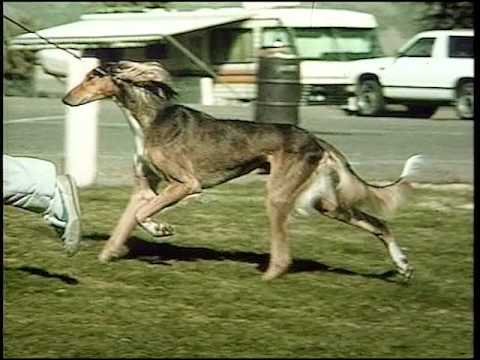 Saluki — Official AKC Breed VideoAmerican Kennel Club
Watch the official AKC video covering temperament, history, traits, and care.
Watch on YouTube →Product Recommendations for Salukis
See all →Vet-reviewed picks for food, insurance, crates, brushes, treats, and toys — matched to this breed.
Compare Saluki with Similar Breeds
See how the Saluki stacks up against other breeds side by side.