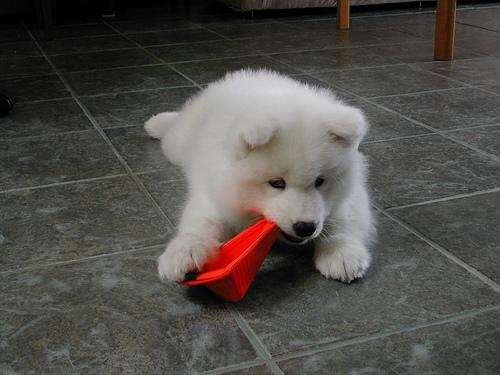
Samoyed
Temperament
About the Samoyed
The Samoyed takes its name from the Samoyedic peoples of northwestern Siberia — semi-nomadic tribes, particularly the Nenets, who developed these dogs over thousands of years beginning around 1000 B.C. These weren't decorative companions; they were working partners in one of the harshest environments on earth. Samoyeds hunted game, pulled sleds across frozen tundra, herded reindeer, and slept pressed against their human families at night to share body heat. That last role is not incidental — it fundamentally shaped the breed's personality. Unlike many working breeds developed at arm's length from humans, the Samoyed was bred into the family structure itself, which explains the breed's unusually deep social drive and discomfort with isolation.
The breed reached Western Europe in the late 19th century, largely through the efforts of English explorer and fur trader Ernest Kilburn-Scott, who brought a brown Samoyed puppy named Moustan back to England from the Ob River region in 1889. Kilburn-Scott and his wife, Clara, became the breed's earliest Western advocates and were instrumental in establishing the first breed standard. The Samoyed Club of England was formed in 1909, and the American Kennel Club granted official recognition to the breed in 1906, placing it in the Working Group — a classification that remains accurate given the breed's physical capabilities and temperamental profile. Today the breed ranks 53rd in AKC popularity out of 205 recognized breeds, a position it has held relatively steadily, reflecting consistent but not overwhelming mainstream demand.
The Samoyed Club of America (SCA), founded in 1923, serves as the AKC parent club and is the primary authority on breed standards, health initiatives, and responsible breeding practices in the United States. The SCA maintains an active breeder referral program and participates in the AKC's Canine Health Information Center (CHIC) program, requiring specific health clearances before a dog earns a CHIC number.
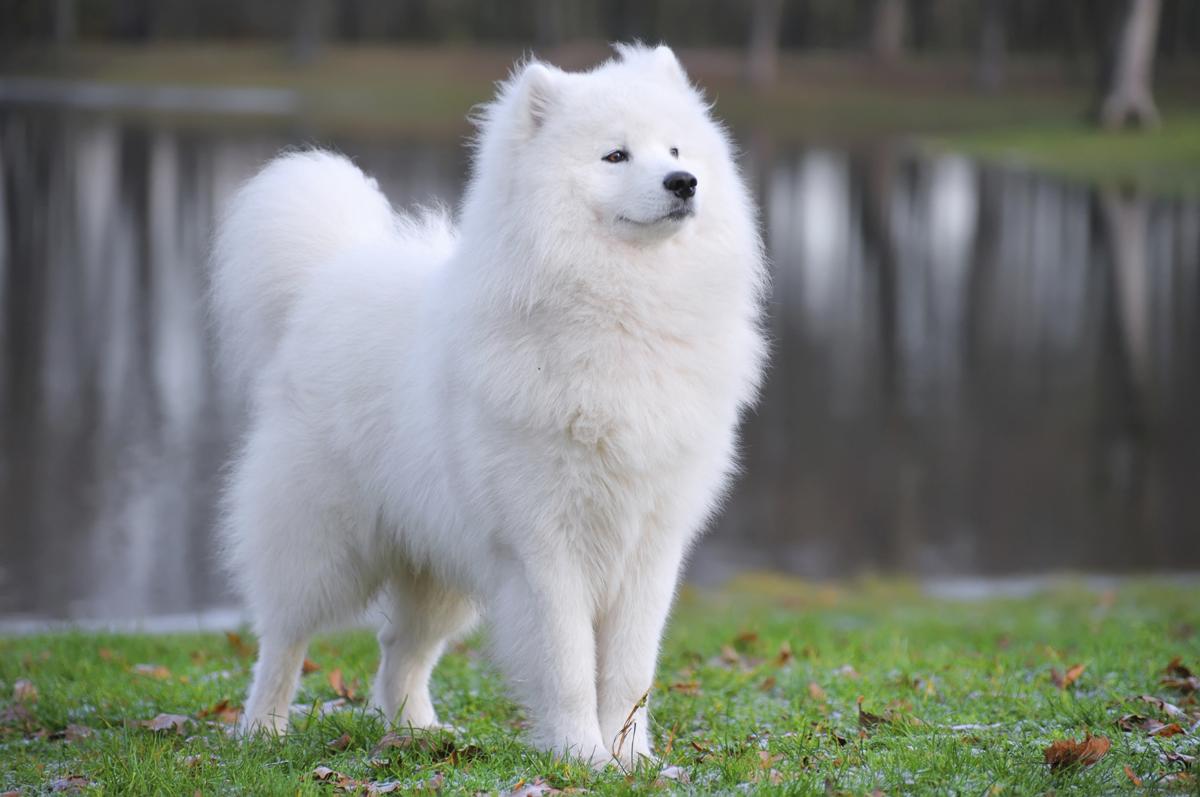
What separates the Samoyed from other northern spitz-type breeds is a combination of structural elegance and functional hardiness. The Alaskan Malamute and Siberian Husky were developed specifically for heavy pulling work and sled racing, respectively. The Samoyed's role was more varied — herding, hunting, and hauling — and that versatility is reflected in a slightly lighter, more agile frame. The breed's most recognizable physical trait, the upturned corners of the mouth often called the 'Sammy smile,' is not merely aesthetic. It serves a functional purpose: preventing drool from forming and freezing on the face in sub-zero temperatures. That combination of beauty with genuine utility defines the Samoyed from the inside out.
At a Glance
Quick Facts
- Breed Group:
- Working
- Bred For:
- Herding reindeer, guardian, draft
- Origin:
- Russia
- Life Span:
- 12 - 14 years
- Weight:
- 50 - 60 lbs
- Height:
- 19 - 23.5 in
💰 Samoyed Cost Guide
Food · Vet · Grooming · Insurance · Full breakdown
Frequently Asked Questions
What is the temperament of a Samoyed?
Samoyeds are known to be stubborn, friendly, sociable, lively, alert, playful, curious, affectionate, protective, loyal, gentle, brave. This combination of traits makes them excellent companions for families with children. Their temperament is influenced by both genetics and proper socialization from an early age.
How much exercise does a Samoyed need?
Samoyeds have moderate energy levels and need 30-60 minutes of daily exercise including walks and playtime.
How often should I groom my Samoyed?
Samoyeds need moderate grooming including brushing 2-3 times weekly and regular maintenance.
How do I train a Samoyed?
Samoyeds are highly trainable and typically respond well to positive reinforcement methods.
Are Samoyeds good with children?
Samoyeds are excellent with children. Their natural patience, gentle nature, and resilience make them outstanding family dogs. They typically form strong bonds with children and tend to be forgiving of the occasional accidental rough handling that can occur with younger kids. Remember that proper socialization and teaching children appropriate interaction with dogs are always important, regardless of breed.
What makes the Samoyed unique compared to other dog breeds?
The Samoyed stands out from other breeds due to its rich heritage from Russia, natural protective instincts. This unique combination of characteristics makes them special among dog breeds and appeals to owners who appreciate these distinct qualities. Understanding these traits helps provide appropriate care tailored to their specific needs.
What should I know before getting a Samoyed?
Before bringing a Samoyed into your home, potential owners should consider: They typically excel in family environments with children (5/5 child-friendliness). They're typically highly trainable (5/5) and eager to learn. They may be prone to breed-specific health issues including Hip Dysplasia, Progressive Retinal Atrophy, Samoyed Hereditary Glomerulopathy (SHG), Hypothyroidism, Pulmonic Stenosis. Additionally, researching reputable breeders or rescue organizations is essential for finding a healthy, well-socialized Samoyed. Understanding these factors will help ensure a good match between the breed and your lifestyle, leading to a happy relationship for both you and your dog.
What were Samoyeds originally bred for?
Samoyeds were originally bred for herding reindeer, guardian, draft. This herding heritage explains their intelligence, focus, and sometimes tendency to herd family members, particularly children. As part of the Working group, they share characteristics with other breeds developed for similar purposes. Understanding your Samoyed's breeding heritage helps explain many of their natural behaviors and instincts, which can be channeled appropriately through training and enrichment activities. Even though modern Samoyeds are primarily companions, these inherent traits remain part of their genetic makeup.
How long do Samoyeds typically live?
The average lifespan of a Samoyed is 12 - 14 years. With proper care including quality nutrition, regular veterinary check-ups, appropriate exercise, and preventative healthcare, some Samoyeds may live beyond this range. Genetics, environment, and healthcare all play important roles in determining longevity.
Do Samoyeds shed a lot and how do you manage it?
Yes — Samoyeds are among the heaviest shedding breeds in existence. They shed moderately year-round and then 'blow' their entire undercoat twice annually, typically in spring and fall. During these periods, the volume of fur is genuinely staggering. Daily brushing with a slicker brush and undercoat rake is the only way to stay ahead of it. Many owners invest in a high-velocity dog dryer to loosen the dead coat during blowout periods. Regular professional grooming every six to eight weeks is strongly recommended, and skipping brush sessions leads to severe matting deep in the undercoat that can require shaving — a last resort that temporarily strips the coat of its insulating and UV-protective properties. The Samoyed coat is not a low-maintenance feature of an otherwise manageable dog; it is a significant, ongoing commitment.
Are Samoyeds good with kids and other pets?
Samoyeds are genuinely good with children, and this is one of the breed's most consistent traits. Their patient, gentle temperament and high tolerance for physical contact make them well-suited to family life with younger kids. They were literally bred to sleep on top of children to keep them warm, and that cooperative closeness with humans carries through to the domestic environment. With other dogs, Samoyeds are typically friendly and social, though individual temperament varies. With cats and small animals, early socialization matters — the breed has a moderate prey drive inherited from its hunting background, and a Samoyed raised around cats generally accepts them, while one introduced to cats as an adult requires careful managed introduction. Supervision around very small animals like rabbits or guinea pigs is always advisable.
How much exercise does a Samoyed need every day?
Samoyeds are high-energy working dogs that require a minimum of one to two hours of physical activity per day. A short walk around the block is not sufficient. They thrive with vigorous exercise — hiking, jogging, off-leash play in a securely fenced yard, or organized activities like agility, herding trials, or recreational skijoring and sledding, for which the breed is naturally suited. Mental stimulation is equally important; a Samoyed left physically and mentally understimulated will redirect that energy into destructive behavior — digging, chewing, and persistent barking being the most common outlets. Exercise needs are highest in youth and remain substantial through middle age. Samoyeds do not slow down meaningfully until around age eight or nine, and even then they remain active compared to many breeds.
What is Samoyed Hereditary Glomerulopathy and should I be worried about it?
Samoyed Hereditary Glomerulopathy, or SHG, is a serious genetic kidney disease unique to the Samoyed breed. It is caused by a mutation in the COL4A5 gene, which encodes a component of type IV collagen essential to the kidney's filtering membrane. The disease is X-linked, which means it behaves differently depending on sex: affected males typically develop progressive kidney failure and die before two years of age, while female carriers may experience only mild kidney dysfunction that develops later in life. A DNA test for the SHG mutation exists, and any responsible breeder should be able to provide documentation that both parents tested clear. Buyers should request and independently verify these results through OFA's database at ofa.org. Purchasing a Samoyed from a breeder who cannot provide SHG clearances is a significant risk, both for the dog's welfare and for the owner's financial and emotional investment.
Additional Characteristics
Care Requirements
They have a moderate energy level and benefit from daily walks and play sessions.
They need moderate grooming, including regular brushing and occasional professional care.
Highly trainable — quick to learn and eager to please
They are excellent with children and often form strong bonds with them.
Samoyed
Complete Breed Guide
About the Samoyed
The Samoyed is a working dog breed with origins linked to the Samoyedic people of Siberia, who bred them for herding reindeer and pulling sleds. They are characterized by their thick, white double coat, erect ears, and a distinctive "smiling" expression. Weighing between 50 to 60 pounds and standing 19 to 23.5 inches tall, Samoyeds are known for their friendly and sociable temperament, making them excellent companions and family pets, while also being alert and protective. Their intelligence and playful nature require regular exercise and mental stimulation.
Samoyeds are known for being stubborn, friendly, sociable, lively, alert, and playful, curious, affectionate. As a moderately energetic breed, they are highly responsive to training and thrive with regular mental and physical activity. They are excellent with children of all ages and friendly with other dogs, making them a popular choice for families and experienced dog owners alike.
Caring for a Samoyed means committing to moderate grooming every week or two, regular daily walks, and positive-reinforcement training. Their gentle, social nature makes them a wonderful addition to active families.
At a Glance
Quick Facts
- Breed Group:
- Working
- Bred For:
- Herding reindeer, guardian, draft
- Origin:
- Russia
- Life Span:
- 12 - 14 years
- Weight:
- 50 - 60 lbs
- Height:
- 19 - 23.5 in
Temperament
Free Samoyed Health Guide
Samoyeds can be prone to Hip Dysplasia and other conditions. Get our owner's health checklist and monthly vet tips — free.
- ✓Samoyed-specific health warning signs
- ✓Vet visit checklist & cost tracker
- ✓Monthly breed health newsletter
Finding similar breeds...
How We Find Similar Breeds
We analyze breed characteristics including temperament, size, appearance, and care needs to identify the most similar dog breeds. This helps you discover alternatives that might be a good match for your lifestyle and preferences.
Explore Related Breeds & Guides
Adopt a Samoyed
Filter to show only purebred Samoyeds (excludes mixed breeds and crosses)
Find Dogs Near You
Enter your location to discover adoptable pets nearby
How to Adopt a Samoyed
Follow these steps to ensure a smooth and responsible adoption process. Remember that adopting a dog is a lifelong commitment.
Research the Breed
Learn everything you can about Samoyeds, including their temperament, exercise needs, grooming requirements, and potential health issues.
Find Reputable Sources
Look for adoptable dogs through shelters, rescue organizations, or responsible breeders. Avoid puppy mills and online scams.
Apply for Adoption
Complete an adoption application with your chosen organization. Be prepared to provide references and possibly go through a home visit.
Meet Your Potential Pet
Schedule a meeting with the dog to assess compatibility with you, your family, and any existing pets.
Prepare Your Home
Gather necessary supplies and dog-proof your home before bringing your new pet home.
1Essential Supplies
Food and water bowls, high-quality dog food, collar with ID tag, leash, bed, crate, toys, treats, grooming supplies, and cleaning products for accidents.
2Create a Safe Space
Designate an area where your dog can retreat when feeling overwhelmed. This could be a crate with comfortable bedding or a quiet corner with their bed.
3Remove Hazards
Secure or remove toxic plants, chemicals, small objects that could be swallowed, and foods that are harmful to dogs. Use baby gates if needed to restrict access to certain areas.
4Find a Veterinarian
Research and choose a veterinarian before bringing your dog home, and schedule an initial check-up shortly after adoption.
What is the dog's background and history?
Understanding a dog's past can help you anticipate potential behavior issues and provide appropriate support.
Has the dog been spayed/neutered and vaccinated?
This information is important for planning future veterinary care and understanding any immediate medical needs.
What is the dog's energy level and exercise needs?
Samoyeds typically need regular exercise to stay healthy and happy. Ask about specific exercise requirements.
Has the dog been socialized with other animals and people?
This helps you understand how the dog might interact with your family, friends, and other pets.
Are there any known behavioral or health issues?
Knowing about existing issues helps you prepare for any special care or training needs.
Special Considerations for Samoyeds
- Samoyeds may have specific health concerns that require regular monitoring.
- Consider how the typical Samoyed temperament aligns with your lifestyle.
- Research the grooming needs of Samoyeds to ensure you can commit to the required maintenance.
- Understand the exercise requirements of Samoyeds to keep them healthy and prevent behavior problems.
- Learn about proper training methods that work well with Samoyeds.
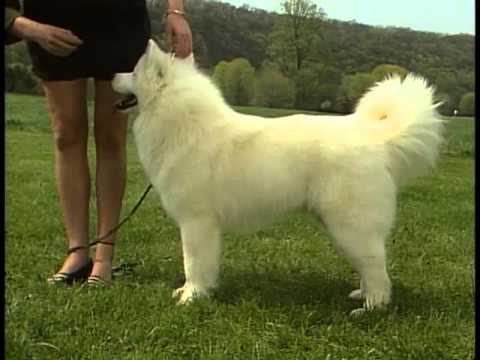 Samoyed — Official AKC Breed VideoAmerican Kennel Club
Watch the official AKC video covering temperament, history, traits, and care.
Watch on YouTube →Product Recommendations for Samoyeds
See all →Vet-reviewed picks for food, insurance, crates, brushes, treats, and toys — matched to this breed.
Compare Samoyed with Similar Breeds
See how the Samoyed stacks up against other breeds side by side.