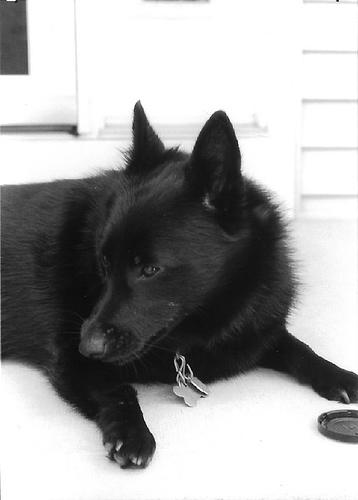
Schipperke
Temperament
About the Schipperke
The Schipperke's roots stretch back to 17th-century Flanders, in what is now Belgium, where it served a dual purpose as a barge watchdog and an aggressive hunter of rats and vermin along the canals of the Low Countries. The breed's name derives from Flemish and translates roughly to 'little captain,' a nod to its long association with the waterway trade that defined commerce in the region. Belgian show judges and breed historians have long held that the Schipperke shares a common ancestor with the Belgian Shepherd — specifically the Leuvenaar, an extinct Belgian herding breed whose name references the city of Louvain. DNA analysis has since confirmed that the Schipperke sits firmly within the Spitz family of dogs, which explains its fox-like facial structure, erect triangular ears, and thick double coat despite its historical classification as a small shepherd.
The first organized breed show for Schipperkes on record took place in Brussels in 1690, where workers in the Saint-Géry quarter reportedly held competitions for the dogs, judging them in part on the quality of their hammered brass collars. The breed gained significant international visibility in 1885 when Queen Marie Henriette of Belgium acquired a Schipperke and began championing the breed publicly, which accelerated interest across Europe. The Schipperke Club of America notes that the breed arrived in the United States in 1888, and the American Kennel Club officially recognized it in 1904, placing it in what is today the Non-Sporting Group. The national breed club, the Schipperke Club of America, remains the AKC parent club and serves as the primary registry of reputable breeders, sponsors national specialty shows, and maintains health data on the breed.
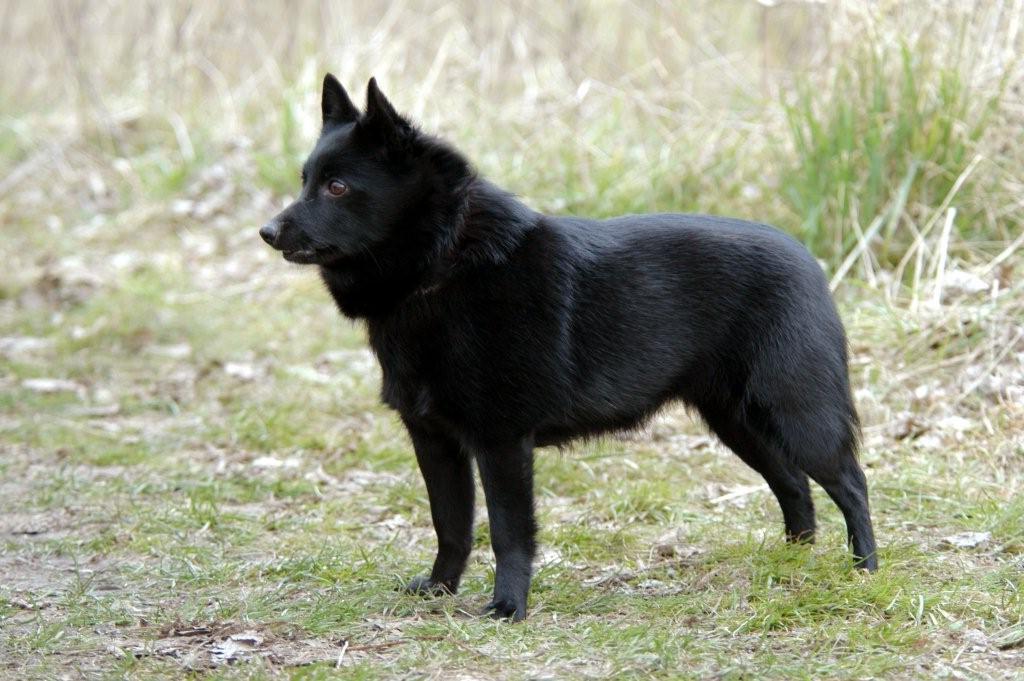
What distinguishes the Schipperke from the Belgian Shepherd breeds it shares ancestry with is not merely size but structural specificity. The Schipperke has a characteristically truncated, cobby body with a distinctive silhouette created by the ruff around the neck, the cape over the shoulders, and the jabot on the chest — three separate regions of longer fur that create an almost wolf-like, layered appearance. The tail has historically been docked close to the body in countries where the practice is permitted, though natural bobtails occur in the breed. In regions where docking is banned, the full tail is carried curled over the back in true Spitz fashion.
Fur color was long considered exclusively black in the breed standard, but chocolate and cream variations do exist and have been acknowledged in some registries, though black remains the dominant and most recognized expression of the breed.
At a Glance
Quick Facts
- Breed Group:
- Non-Sporting
- Bred For:
- Barge watchdog
- Origin:
- Belgium
- Life Span:
- 13 - 15 years
- Weight:
- 10 - 16 lbs
- Height:
- 10 - 13 in
💰 Schipperke Cost Guide
Food · Vet · Grooming · Insurance · Full breakdown
Frequently Asked Questions
What is the temperament of a Schipperke?
Schipperkes are known to be fearless, agile, curious, independent, confident, faithful, affectionate, friendly, playful, gentle, brave. This combination of traits makes them excellent companions for families with children. Their temperament is influenced by both genetics and proper socialization from an early age.
How much exercise does a Schipperke need?
Schipperkes are high-energy dogs requiring 60+ minutes of vigorous daily exercise and mental stimulation.
How often should I groom my Schipperke?
Schipperkes require intensive grooming with daily brushing and regular professional grooming sessions.
How do I train a Schipperke?
Schipperkes may require extra patience during training and respond best to positive, consistent methods.
Are Schipperkes good with children?
Schipperkes are excellent with children. Their natural patience, gentle nature, and resilience make them outstanding family dogs. They typically form strong bonds with children and tend to be forgiving of the occasional accidental rough handling that can occur with younger kids. Remember that proper socialization and teaching children appropriate interaction with dogs are always important, regardless of breed.
What makes the Schipperke unique compared to other dog breeds?
The Schipperke stands out from other breeds due to its rich heritage from Belgium, specialized abilities for barge watchdog. This unique combination of characteristics makes them special among dog breeds and appeals to owners who appreciate these distinct qualities. Understanding these traits helps provide appropriate care tailored to their specific needs.
What should I know before getting a Schipperke?
Before bringing a Schipperke into your home, potential owners should consider: They have high exercise requirements (5/5) and need an active owner. Their coat requires significant maintenance (4/5) with regular grooming sessions. They typically excel in family environments with children (5/5 child-friendliness). They can be challenging to train (2/5) and are better suited for experienced dog owners. They may be prone to breed-specific health issues including Mucopolysaccharidosis III B (MPS III B), Progressive Retinal Atrophy, Patellar Luxation, Epilepsy, Hypothyroidism. Additionally, researching reputable breeders or rescue organizations is essential for finding a healthy, well-socialized Schipperke. Understanding these factors will help ensure a good match between the breed and your lifestyle, leading to a happy relationship for both you and your dog.
What were Schipperkes originally bred for?
Schipperkes were originally bred for barge watchdog. As part of the Non-Sporting group, they share characteristics with other breeds developed for similar purposes. Understanding your Schipperke's breeding heritage helps explain many of their natural behaviors and instincts, which can be channeled appropriately through training and enrichment activities. Even though modern Schipperkes are primarily companions, these inherent traits remain part of their genetic makeup.
How long do Schipperkes typically live?
The average lifespan of a Schipperke is 13 - 15 years. With proper care including quality nutrition, regular veterinary check-ups, appropriate exercise, and preventative healthcare, some Schipperkes may live beyond this range. Genetics, environment, and healthcare all play important roles in determining longevity.
Do Schipperkes bark a lot?
Yes, Schipperkes are vocal dogs by nature and inclination. They were bred as barge watchdogs, and alerting to anything unusual — a passing stranger, a sound outside, a change in routine — is deeply wired behavior. Without consistent training that teaches an 'enough' command from puppyhood, a Schipperke will bark at length and with conviction. The good news is that the behavior is manageable with positive reinforcement-based training and adequate mental stimulation. Under-stimulated Schipperkes bark significantly more than those with structured exercise and enrichment built into their daily routine. Apartment living is possible but requires realistic expectations about noise management and committed neighbor relations.
Are Schipperkes good with cats and other small pets?
This is genuinely breed-specific rather than individual-dog specific: Schipperkes were working vermin hunters, and that prey drive is intact. A Schipperke raised with cats from puppyhood can coexist peacefully with those specific cats, having established them as part of its social group. However, unfamiliar cats, rabbits, hamsters, guinea pigs, and other small animals are a different calculation entirely. Introductions to resident pets should be slow, supervised, and never forced. Some individual Schipperkes are manageable around cats; others are simply not suitable for multi-species households with small animals. Honest breeders and rescue coordinators will assess prey drive in adult dogs before placement.
What is MPS III B in Schipperkes and should I be worried?
Mucopolysaccharidosis Type III B is a lysosomal storage disease specific to the Schipperke breed — caused by a deficiency of the enzyme alpha-N-acetylglucosaminidase — that leads to progressive and fatal neurological deterioration. Affected dogs appear normal at birth and through early adulthood but typically begin losing coordination, balance, and cognitive function between ages two and four. There is no treatment. The condition is inherited recessively, meaning a dog needs two copies of the defective gene to be affected — one from each parent. A DNA test exists and any responsible breeder should test both sire and dam, providing documentation that at minimum one parent is clear. If a breeder cannot show you MPS III B test results, do not purchase from that program.
How much exercise does a Schipperke need daily?
More than their size suggests. A Schipperke is not a lapdog that happens to be small — it is a working breed in a compact frame with legitimate energy demands. The minimum effective daily exercise is 30 to 45 minutes of structured activity: leash walks, off-leash play in a securely fenced yard, or structured dog sport training. Schipperkes that receive only brief outdoor bathroom breaks and indoor play often develop stress-related behaviors including excessive barking, destructive chewing, and obsessive patrolling. Mental stimulation matters as much as physical output for this breed — puzzle feeders, nose work, and training sessions satisfy the problem-solving drive that physical exercise alone does not address.
Additional Characteristics
Care Requirements
They are extremely energetic dogs requiring extensive daily exercise, activities, and mental stimulation.
They have high grooming needs requiring frequent brushing and regular professional grooming.
May require extra patience — better suited for experienced owners
They are excellent with children and often form strong bonds with them.
Schipperke
Complete Breed Guide
About the Schipperke
The Schipperke is a small dog breed that originated in Belgium, historically used as a watchdog and boat dog. Standing 10 to 13 inches tall and weighing between 10 to 16 pounds, they are characterized by their compact, sturdy build, distinctive black coat, and fox-like face. Known for their fearless and curious nature, Schipperkes are intelligent and independent, making them excellent companions and alert guardians. They typically live 13 to 15 years and are recognized for their playful and affectionate temperament.
Schipperkes are known for being fearless, agile, curious, independent, confident, and faithful, affectionate, friendly. As a high-energy breed, they are independent-minded and requiring patient, consistent training and thrive with regular mental and physical activity. They are excellent with children of all ages and friendly with other dogs, making them a popular choice for families and experienced dog owners alike.
Caring for a Schipperke means committing to regular grooming (brushing several times a week), intense daily exercise, and firm, consistent training. Their gentle, social nature makes them a wonderful addition to active families.
At a Glance
Quick Facts
- Breed Group:
- Non-Sporting
- Bred For:
- Barge watchdog
- Origin:
- Belgium
- Life Span:
- 13 - 15 years
- Weight:
- 10 - 16 lbs
- Height:
- 10 - 13 in
Temperament
Free Schipperke Health Guide
Schipperkes can be prone to Mucopolysaccharidosis III B (MPS III B) and other conditions. Get our owner's health checklist and monthly vet tips — free.
- ✓Schipperke-specific health warning signs
- ✓Vet visit checklist & cost tracker
- ✓Monthly breed health newsletter
Finding similar breeds...
How We Find Similar Breeds
We analyze breed characteristics including temperament, size, appearance, and care needs to identify the most similar dog breeds. This helps you discover alternatives that might be a good match for your lifestyle and preferences.
Explore Related Breeds & Guides
Adopt a Schipperke
Filter to show only purebred Schipperkes (excludes mixed breeds and crosses)
Find Dogs Near You
Enter your location to discover adoptable pets nearby
How to Adopt a Schipperke
Follow these steps to ensure a smooth and responsible adoption process. Remember that adopting a dog is a lifelong commitment.
Research the Breed
Learn everything you can about Schipperkes, including their temperament, exercise needs, grooming requirements, and potential health issues.
Find Reputable Sources
Look for adoptable dogs through shelters, rescue organizations, or responsible breeders. Avoid puppy mills and online scams.
Apply for Adoption
Complete an adoption application with your chosen organization. Be prepared to provide references and possibly go through a home visit.
Meet Your Potential Pet
Schedule a meeting with the dog to assess compatibility with you, your family, and any existing pets.
Prepare Your Home
Gather necessary supplies and dog-proof your home before bringing your new pet home.
1Essential Supplies
Food and water bowls, high-quality dog food, collar with ID tag, leash, bed, crate, toys, treats, grooming supplies, and cleaning products for accidents.
2Create a Safe Space
Designate an area where your dog can retreat when feeling overwhelmed. This could be a crate with comfortable bedding or a quiet corner with their bed.
3Remove Hazards
Secure or remove toxic plants, chemicals, small objects that could be swallowed, and foods that are harmful to dogs. Use baby gates if needed to restrict access to certain areas.
4Find a Veterinarian
Research and choose a veterinarian before bringing your dog home, and schedule an initial check-up shortly after adoption.
What is the dog's background and history?
Understanding a dog's past can help you anticipate potential behavior issues and provide appropriate support.
Has the dog been spayed/neutered and vaccinated?
This information is important for planning future veterinary care and understanding any immediate medical needs.
What is the dog's energy level and exercise needs?
Schipperkes typically need regular exercise to stay healthy and happy. Ask about specific exercise requirements.
Has the dog been socialized with other animals and people?
This helps you understand how the dog might interact with your family, friends, and other pets.
Are there any known behavioral or health issues?
Knowing about existing issues helps you prepare for any special care or training needs.
Special Considerations for Schipperkes
- Schipperkes may have specific health concerns that require regular monitoring.
- Consider how the typical Schipperke temperament aligns with your lifestyle.
- Research the grooming needs of Schipperkes to ensure you can commit to the required maintenance.
- Understand the exercise requirements of Schipperkes to keep them healthy and prevent behavior problems.
- Learn about proper training methods that work well with Schipperkes.
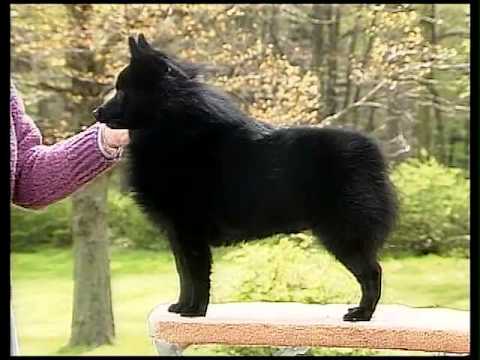 Schipperke — Official AKC Breed VideoAmerican Kennel Club
Watch the official AKC video covering temperament, history, traits, and care.
Watch on YouTube →Product Recommendations for Schipperkes
See all →Vet-reviewed picks for food, insurance, crates, brushes, treats, and toys — matched to this breed.
Compare Schipperke with Similar Breeds
See how the Schipperke stacks up against other breeds side by side.