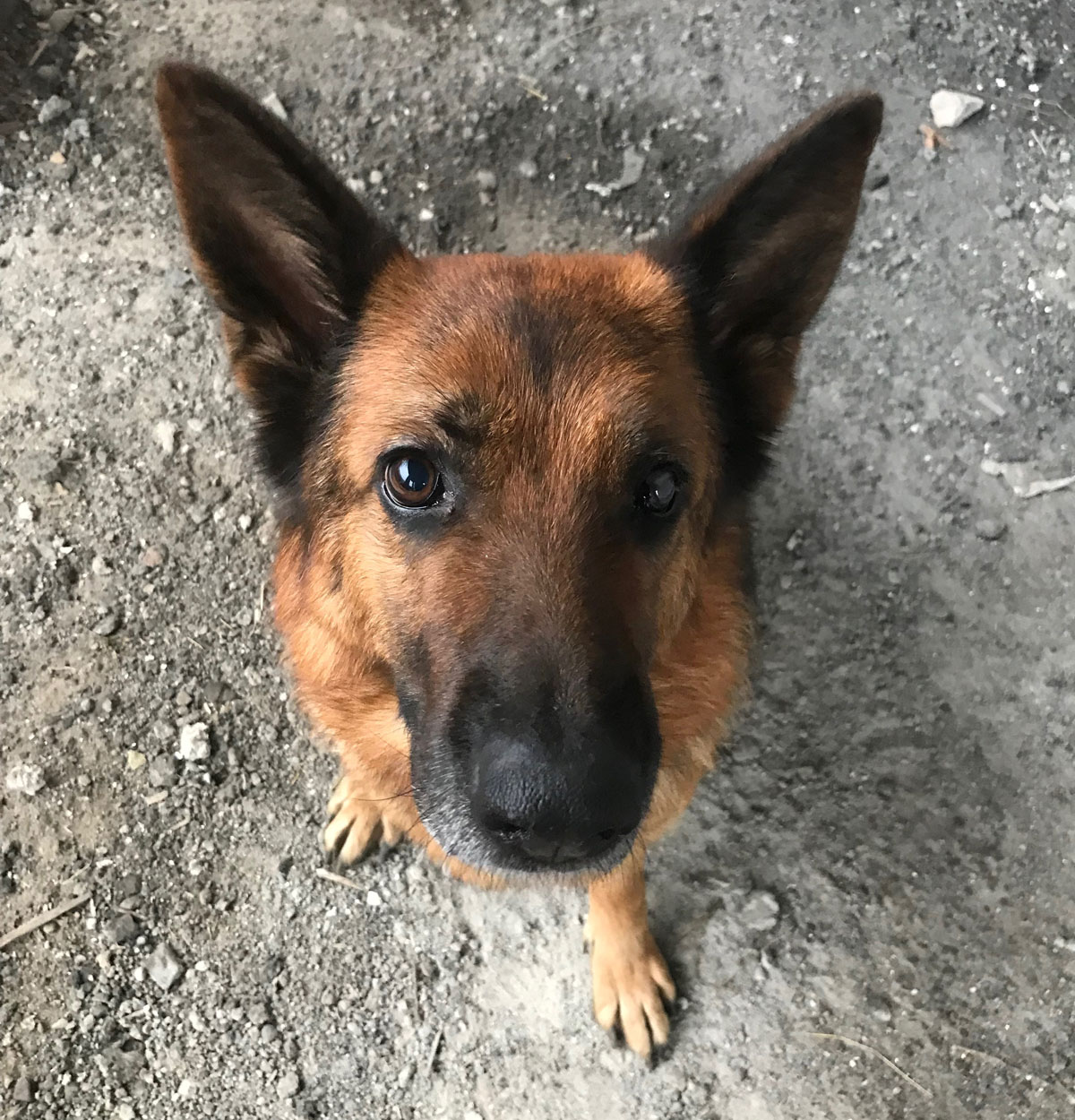
Shiloh Shepherd
Temperament
About the Shiloh Shepherd
The Shiloh Shepherd is not a naturally occurring breed but rather a deliberate, decades-long breeding project launched by Tina Barber of New York in the 1970s. Barber, a German Shepherd enthusiast, grew increasingly frustrated with what she saw as the deterioration of the working German Shepherd — shrinking rear angulation, worsening hip scores, and a temperament shift toward sharpness and anxiety that made the breed less suitable as a family companion. Her goal was to recreate the look and working ability of the classic German Shepherd from the early 20th century, but larger, with a calmer disposition and structurally sounder hips. To achieve this, she selectively introduced Alaskan Malamute genetics into her German Shepherd lines, along with other breeds at various points in the program, adding size, coat volume, and that characteristic laid-back confidence that distinguishes the Shiloh from its GSD ancestors.
The breed's formal registry history has been complicated. Barber established the International Shiloh Shepherd Registry (ISSR) as the original governing body, but disagreements over breeding standards and direction led to fractures within the community. This resulted in at least two additional registries emerging: the American Shiloh Shepherd Registry (ASSR) and the Shiloh Shepherd Registry (SSR, also called TSSR). Each maintains somewhat distinct standards and breeding databases, which means when prospective owners encounter a "Shiloh Shepherd," it matters which registry the breeder is affiliated with. The breed is not recognized by the American Kennel Club (AKC) and has no current pathway toward full AKC recognition, in part because the breed community has not unified under a single registry — a prerequisite for AKC's Foundation Stock Service entry as a consolidated effort.
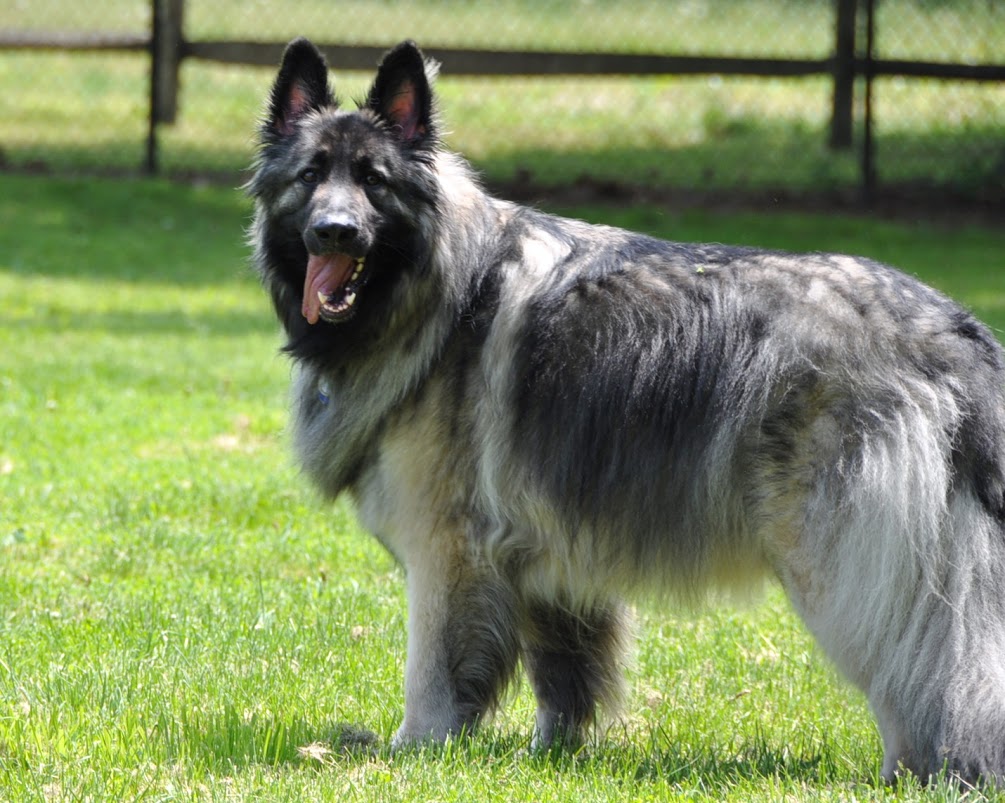
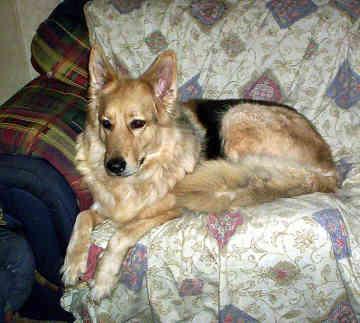
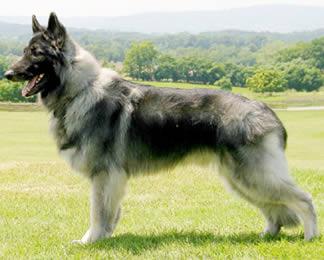
Physically, the Shiloh is immediately distinguishable from a German Shepherd by size alone. Males routinely reach 28 to 30 inches at the shoulder and 120 to 140 pounds, making them one of the largest shepherd-type dogs in existence. The coat comes in two varieties — smooth and plush — with the plush coat being the more commonly seen, featuring a dense mane around the neck and chest. The topline is notably more level than the modern show-line German Shepherd's sloped rear, a structural difference that Barber specifically engineered. Temperamentally, the Shiloh carries none of the reactive edge that characterizes many working-line German Shepherds; instead, these dogs are noted for a gentleness and social ease that makes them genuinely approachable with strangers, children, and other animals.
At a Glance
Quick Facts
- Breed Group:
- Herding
- Bred For:
- Swimming, Carrying backpacks, Pulling carts or sleds
- Origin:
- United States
- Life Span:
- 9 - 14 years
- Weight:
- 120 - 140 lbs
- Height:
- 26 - 30 in
💰 Shiloh Shepherd Cost Guide
Food · Vet · Grooming · Insurance · Full breakdown
Frequently Asked Questions
What is the temperament of a Shiloh Shepherd?
Shiloh Shepherds are known to be outgoing, loyal, companionable, gentle, loving. This combination of traits makes them wonderful companions for most households. Their temperament is influenced by both genetics and proper socialization from an early age.
How much exercise does a Shiloh Shepherd need?
Shiloh Shepherds have moderate energy levels and need 30-60 minutes of daily exercise including walks and playtime.
How often should I groom my Shiloh Shepherd?
Shiloh Shepherds require intensive grooming with daily brushing and regular professional grooming sessions.
How do I train a Shiloh Shepherd?
Shiloh Shepherds are highly trainable and typically respond well to positive reinforcement methods.
Are Shiloh Shepherds good with children?
Shiloh Shepherds are moderately good with children. They can adapt well to family life when properly socialized with children. Teaching children to respect the dog's boundaries and supervising interactions will help ensure a positive relationship. Remember that proper socialization and teaching children appropriate interaction with dogs are always important, regardless of breed.
What makes the Shiloh Shepherd unique compared to other dog breeds?
The Shiloh Shepherd stands out from other breeds due to its impressive stature and presence, rich heritage from United States, specialized abilities for swimming, carrying backpacks, pulling carts or sleds. This unique combination of characteristics makes them special among dog breeds and appeals to owners who appreciate these distinct qualities. Understanding these traits helps provide appropriate care tailored to their specific needs.
What should I know before getting a Shiloh Shepherd?
Before bringing a Shiloh Shepherd into your home, potential owners should consider: Their coat requires significant maintenance (5/5) with regular grooming sessions. They're typically highly trainable (5/5) and eager to learn. Their large size requires adequate living space. They may be prone to breed-specific health issues including Hip Dysplasia, Bloat (GDV), Degenerative Myelopathy, Panosteitis, Exocrine Pancreatic Insufficiency. Additionally, researching reputable breeders or rescue organizations is essential for finding a healthy, well-socialized Shiloh Shepherd. Understanding these factors will help ensure a good match between the breed and your lifestyle, leading to a happy relationship for both you and your dog.
What were Shiloh Shepherds originally bred for?
Shiloh Shepherds were originally bred for swimming, carrying backpacks, pulling carts or sleds. As part of the Herding group, they share characteristics with other breeds developed for similar purposes. Understanding your Shiloh Shepherd's breeding heritage helps explain many of their natural behaviors and instincts, which can be channeled appropriately through training and enrichment activities. Even though modern Shiloh Shepherds are primarily companions, these inherent traits remain part of their genetic makeup.
How long do Shiloh Shepherds typically live?
The average lifespan of a Shiloh Shepherd is 9 - 14 years. With proper care including quality nutrition, regular veterinary check-ups, appropriate exercise, and preventative healthcare, some Shiloh Shepherds may live beyond this range. Genetics, environment, and healthcare all play important roles in determining longevity.
Is a Shiloh Shepherd the same as a German Shepherd?
No. The Shiloh Shepherd is a distinct breed developed separately from the German Shepherd, though German Shepherd Dogs are foundational to its genetics. Breeder Tina Barber began the Shiloh program in New York in the 1970s with the specific goal of creating a larger, calmer, more structurally sound dog than the contemporary GSD. Alaskan Malamute genetics were introduced to add size, coat volume, and a more relaxed temperament. The result is a dog that is noticeably larger — typically 120 to 140 pounds versus the GSD's 65 to 90 — with a more level topline, a denser plush or smooth coat, and a fundamentally gentler, less reactive disposition. The Shiloh is not AKC-recognized and has its own separate registries, including the ISSR, ASSR, and TSSR.
Do Shiloh Shepherds have better hips than German Shepherds?
Selectively, yes — but it depends heavily on the specific breeder and bloodline. One of the primary motivations behind creating the Shiloh Shepherd was to breed away from the hip dysplasia that became widespread in German Shepherd lines. Responsible Shiloh breeders within established registries are required to OFA-certify hips on all breeding dogs, and many registries enforce this as a condition of registration. Over time, conscientious breeding has produced lines with meaningfully better hip scores than poorly-managed GSD lines. However, hip dysplasia has not been eliminated from the breed, and a Shiloh from an untested breeder carries just as much or more risk as a GSD from a reputable program. Always request OFA hip certifications for both parents before purchasing a puppy.
How much exercise does a Shiloh Shepherd need daily?
Shiloh Shepherds are a large working-type breed that requires consistent daily exercise, but they are not the relentlessly high-drive dogs that working-line German Shepherds or Malinois are. Most adult Shilohs do well with 60 to 90 minutes of meaningful activity per day — this can include long walks, off-leash time in a securely fenced area, hiking, or structured play. They enjoy having a job or purpose and respond well to activities like tracking, nosework, or therapy work, but they are not dogs that will become destructive or anxious if they miss a single day. Puppies should have exercise carefully managed to protect developing joints — avoid forced running, repetitive jumping, or prolonged distance walks until growth plates close, typically around 18 months.
Are Shiloh Shepherds good with children and families?
Shiloh Shepherds are among the better large-breed options for family life specifically because of their engineered temperament. Unlike working-line German Shepherds, which can carry prey drive, handler-selectivity, or reactive tendencies that require careful management around children, the Shiloh was deliberately bred for gentleness, social ease, and patience. Well-socialized Shilohs are typically affectionate with children, tolerant of the noise and unpredictability that comes with family households, and non-aggressive with other animals. That said, their size is a practical consideration — a 130-pound dog can knock over a toddler without any aggressive intent whatsoever. Supervision is always appropriate, and basic obedience training is essential to ensure the dog's size doesn't become a safety issue regardless of its friendly intentions.
Additional Characteristics
Care Requirements
They have a moderate energy level and benefit from daily walks and play sessions.
They have very high maintenance coats requiring daily brushing and regular professional grooming.
Highly trainable — quick to learn and eager to please
They are moderately good with children, especially when properly socialized.
Shiloh Shepherd
Complete Breed Guide
About the Shiloh Shepherd
The Shiloh Shepherd is a breed developed in the United States in the late 20th century, primarily for companionship and herding purposes. They are large dogs, typically weighing between 120 to 140 pounds and standing 26 to 30 inches tall, with a sturdy build and a thick double coat that can be various shades of tan and black. Known for their outgoing and loyal temperament, Shiloh Shepherds are gentle and loving, making them excellent family companions as well as effective working dogs. Their lifespan ranges from 9 to 14 years.
Shiloh Shepherds are known for being outgoing, loyal, companionable, gentle, loving. As a moderately energetic breed, they are highly responsive to training and thrive with regular mental and physical activity. They are generally good with children and selective around other dogs, making them a popular choice for families and experienced dog owners alike.
Caring for a Shiloh Shepherd means committing to regular grooming (brushing several times a week), regular daily walks, and positive-reinforcement training. With the right environment and socialization, they make loyal and loving companions.
At a Glance
Quick Facts
- Breed Group:
- Herding
- Bred For:
- Swimming, Carrying backpacks, Pulling carts or sleds
- Origin:
- United States
- Life Span:
- 9 - 14 years
- Weight:
- 120 - 140 lbs
- Height:
- 26 - 30 in
Temperament
Free Shiloh Shepherd Health Guide
Shiloh Shepherds can be prone to Hip Dysplasia and other conditions. Get our owner's health checklist and monthly vet tips — free.
- ✓Shiloh Shepherd-specific health warning signs
- ✓Vet visit checklist & cost tracker
- ✓Monthly breed health newsletter
Finding similar breeds...
How We Find Similar Breeds
We analyze breed characteristics including temperament, size, appearance, and care needs to identify the most similar dog breeds. This helps you discover alternatives that might be a good match for your lifestyle and preferences.
Explore Related Breeds & Guides
Adopt a Shiloh Shepherd
Filter to show only purebred Shiloh Shepherds (excludes mixed breeds and crosses)
Find Dogs Near You
Enter your location to discover adoptable pets nearby
How to Adopt a Shiloh Shepherd
Follow these steps to ensure a smooth and responsible adoption process. Remember that adopting a dog is a lifelong commitment.
Research the Breed
Learn everything you can about Shiloh Shepherds, including their temperament, exercise needs, grooming requirements, and potential health issues.
Find Reputable Sources
Look for adoptable dogs through shelters, rescue organizations, or responsible breeders. Avoid puppy mills and online scams.
Apply for Adoption
Complete an adoption application with your chosen organization. Be prepared to provide references and possibly go through a home visit.
Meet Your Potential Pet
Schedule a meeting with the dog to assess compatibility with you, your family, and any existing pets.
Prepare Your Home
Gather necessary supplies and dog-proof your home before bringing your new pet home.
1Essential Supplies
Food and water bowls, high-quality dog food, collar with ID tag, leash, bed, crate, toys, treats, grooming supplies, and cleaning products for accidents.
2Create a Safe Space
Designate an area where your dog can retreat when feeling overwhelmed. This could be a crate with comfortable bedding or a quiet corner with their bed.
3Remove Hazards
Secure or remove toxic plants, chemicals, small objects that could be swallowed, and foods that are harmful to dogs. Use baby gates if needed to restrict access to certain areas.
4Find a Veterinarian
Research and choose a veterinarian before bringing your dog home, and schedule an initial check-up shortly after adoption.
What is the dog's background and history?
Understanding a dog's past can help you anticipate potential behavior issues and provide appropriate support.
Has the dog been spayed/neutered and vaccinated?
This information is important for planning future veterinary care and understanding any immediate medical needs.
What is the dog's energy level and exercise needs?
Shiloh Shepherds typically need regular exercise to stay healthy and happy. Ask about specific exercise requirements.
Has the dog been socialized with other animals and people?
This helps you understand how the dog might interact with your family, friends, and other pets.
Are there any known behavioral or health issues?
Knowing about existing issues helps you prepare for any special care or training needs.
Special Considerations for Shiloh Shepherds
- Shiloh Shepherds may have specific health concerns that require regular monitoring.
- Consider how the typical Shiloh Shepherd temperament aligns with your lifestyle.
- Research the grooming needs of Shiloh Shepherds to ensure you can commit to the required maintenance.
- Understand the exercise requirements of Shiloh Shepherds to keep them healthy and prevent behavior problems.
- Learn about proper training methods that work well with Shiloh Shepherds.
Product Recommendations for Shiloh Shepherds
See all →Vet-reviewed picks for food, insurance, crates, brushes, treats, and toys — matched to this breed.
Compare Shiloh Shepherd with Similar Breeds
See how the Shiloh Shepherd stacks up against other breeds side by side.