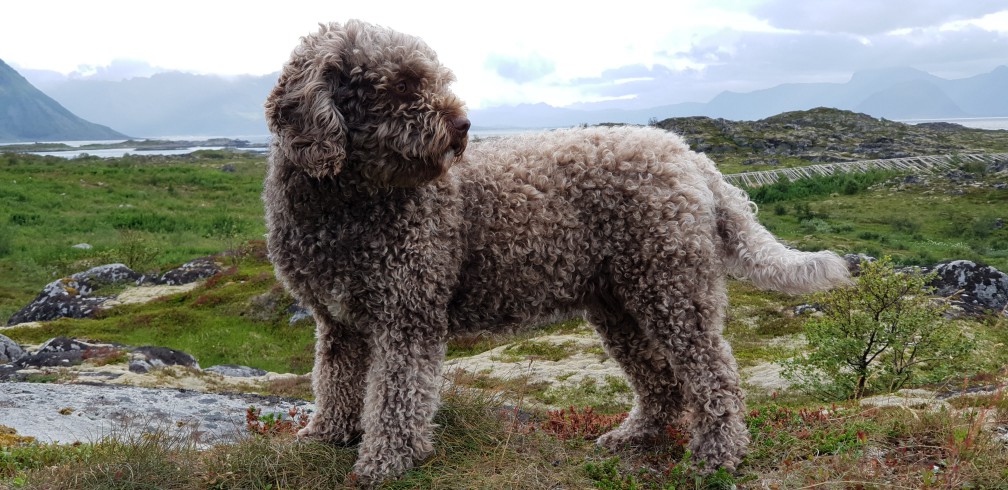
Spanish Water Dog
Temperament
About the Spanish Water Dog
The Spanish Water Dog — known in its homeland as the Perro de Agua Español — is one of the most genuinely versatile working breeds in existence, a dog that spent centuries earning its keep across radically different jobs without ever being refined into a single-purpose specialist. Its history in Spain stretches back at least 800 years, with some historians and breed enthusiasts pushing that figure past a millennium. The breed's exact origins remain contested: one school of thought traces its ancestry to dogs brought from Turkey by nomadic shepherds crossing into the Iberian Peninsula, which explains one of its older regional nicknames, Turco Andaluz. Others argue for a North African origin, pointing to Moorish influence on Andalusian culture during the medieval period. What is less disputed is that by the time any formal record existed, the breed was already deeply embedded in Spanish rural life.
Three distinct regional sub-populations were documented in the late twentieth century. The Marismeño developed in the marshlands of the Guadalquivir river delta, working closely with fishermen and waterfowl hunters in the wetlands of southwestern Spain. The Serrano type emerged from the mountain rangelands of southern Andalucía, where it functioned primarily as a herding dog for sheep and goats. The Norteño variety worked the northern coastline of Cantabria and Asturias, assisting inshore fishing operations. That northern population was formally separated and recognized under Spanish law in 2012 as the Cantabrian Water Dog, an acknowledgment of how genetically and functionally distinct it had become.
The breed's formal modern development accelerated in Spain during the 1970s and 1980s, largely through the efforts of Antonio García Pérez and Santiago Montesinos, two breeders who worked to collect and standardize the remaining population before it fragmented further. The Real Sociedad Canina de España, the Spanish national kennel club, formally recognized the breed, and the Fédération Cynologique Internationale followed with full recognition. In the United States, the Spanish Water Dog Club of America serves as the AKC parent club, and the AKC granted full recognition to the breed in 2015, placing it in the Herding Group — a classification that reflects the breed's deepest functional roots even though its water-retrieving history is equally significant.
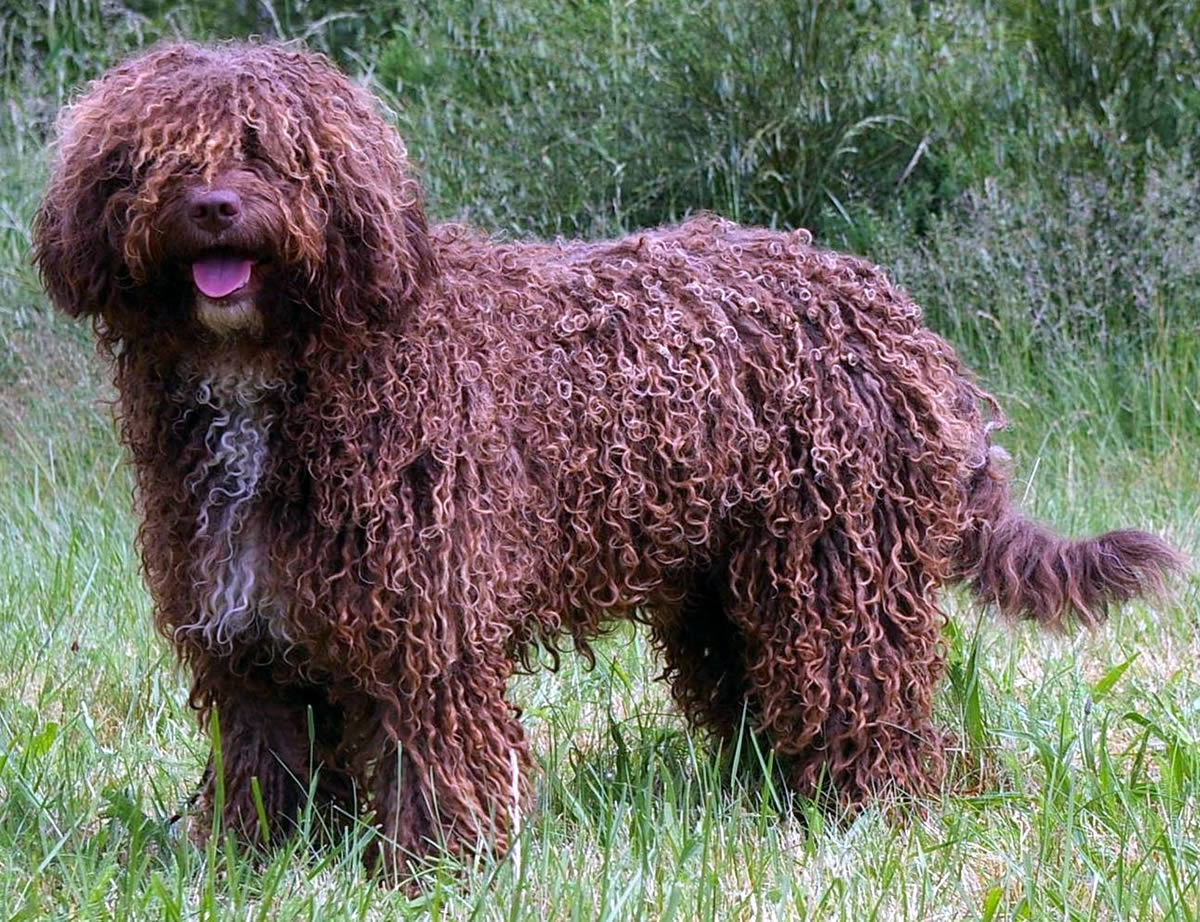
What separates the Spanish Water Dog from its better-known cousin the Portuguese Water Dog is not merely geography. The Perro de Agua is a lighter-boned, more angular dog with a coat that naturally cords rather than simply curls, and it carries a more pronounced herding instinct. It ranks 147th in AKC breed popularity as of current records, meaning it remains genuinely rare in North America.
At a Glance
Quick Facts
- Breed Group:
- Sporting
- Bred For:
- Herding flocks of sheep and goats from one pasture to another
- Origin:
- Spain
- Life Span:
- 12 - 15 years
- Weight:
- 30 - 50 lbs
- Height:
- 16 - 20 in
💰 Spanish Water Dog Cost Guide
Food · Vet · Grooming · Insurance · Full breakdown
Frequently Asked Questions
What is the temperament of a Spanish Water Dog?
Spanish Water Dogs are known to be diligent, affectionate, loyal, intelligent, playful. This combination of traits makes them wonderful companions for most households. Their temperament is influenced by both genetics and proper socialization from an early age.
How much exercise does a Spanish Water Dog need?
Spanish Water Dogs are high-energy dogs requiring 60+ minutes of vigorous daily exercise and mental stimulation.
How often should I groom my Spanish Water Dog?
Spanish Water Dogs need moderate grooming including brushing 2-3 times weekly and regular maintenance.
How do I train a Spanish Water Dog?
Spanish Water Dogs are highly trainable and typically respond well to positive reinforcement methods.
Are Spanish Water Dogs good with children?
Spanish Water Dogs are moderately good with children. They can adapt well to family life when properly socialized with children. Teaching children to respect the dog's boundaries and supervising interactions will help ensure a positive relationship. Remember that proper socialization and teaching children appropriate interaction with dogs are always important, regardless of breed.
What makes the Spanish Water Dog unique compared to other dog breeds?
The Spanish Water Dog stands out from other breeds due to its rich heritage from Spain, specialized abilities for herding flocks of sheep and goats from one pasture to another. This unique combination of characteristics makes them special among dog breeds and appeals to owners who appreciate these distinct qualities. Understanding these traits helps provide appropriate care tailored to their specific needs.
What should I know before getting a Spanish Water Dog?
Before bringing a Spanish Water Dog into your home, potential owners should consider: They have high exercise requirements (5/5) and need an active owner. They're typically highly trainable (4/5) and eager to learn. They may be prone to breed-specific health issues including Hip Dysplasia, Progressive Retinal Atrophy, Glaucoma. Additionally, researching reputable breeders or rescue organizations is essential for finding a healthy, well-socialized Spanish Water Dog. Understanding these factors will help ensure a good match between the breed and your lifestyle, leading to a happy relationship for both you and your dog.
What were Spanish Water Dogs originally bred for?
Spanish Water Dogs were originally bred for herding flocks of sheep and goats from one pasture to another. This herding heritage explains their intelligence, focus, and sometimes tendency to herd family members, particularly children. As part of the Sporting group, they share characteristics with other breeds developed for similar purposes. Understanding your Spanish Water Dog's breeding heritage helps explain many of their natural behaviors and instincts, which can be channeled appropriately through training and enrichment activities. Even though modern Spanish Water Dogs are primarily companions, these inherent traits remain part of their genetic makeup.
How long do Spanish Water Dogs typically live?
The average lifespan of a Spanish Water Dog is 12 - 15 years. With proper care including quality nutrition, regular veterinary check-ups, appropriate exercise, and preventative healthcare, some Spanish Water Dogs may live beyond this range. Genetics, environment, and healthcare all play important roles in determining longevity.
Do Spanish Water Dogs need to be groomed differently than other curly-coated breeds?
Yes, significantly so. The Spanish Water Dog's coat is designed to form natural cords, and brushing it — which is standard care for most dogs — actually damages the coat and causes improper matting. Instead, owners need to separate the forming cords by hand periodically, allow the coat to air dry completely after bathing or swimming to prevent mildew, and trim the coat with scissors when it becomes unmanageable rather than attempting to brush it out. Many North American owners opt to keep their dogs in a shorter working clip, which requires professional grooming every six to eight weeks but avoids the full maintenance demands of a corded coat.
Are Spanish Water Dogs good with kids and other pets?
Spanish Water Dogs can be excellent with children and other animals when properly socialized from puppyhood, but their herding instinct is genuine and active — not a theoretical background trait. They will attempt to herd small children, and some individuals do this by nipping at heels in a way that is alarming even when not aggressive. Supervision with young children is important until the dog has learned what behaviors are acceptable in the household. With other dogs, they are generally social and playful, though their high energy and intensity can overwhelm smaller or lower-energy dogs. Early and broad socialization is the most important factor in determining how well an individual dog integrates with a family.
How much exercise does a Spanish Water Dog need daily?
Spanish Water Dogs require substantial daily exercise — more than most medium-sized companion breeds. A minimum of 60 to 90 minutes of active exercise per day is a reasonable baseline for an adult dog, but physical exercise alone is insufficient. This breed was developed for cognitively demanding work, and without mental engagement — through training, herding activities, nose work, or structured play — they become restless and often destructive. Dogs that receive only physical exercise without mental challenge will find their own stimulation, which rarely aligns with owner preferences. Off-leash exercise in a securely fenced area is ideal, as they have a strong chase drive and should not be trusted off-leash in unfenced environments.
What is the difference between a Spanish Water Dog and a Portuguese Water Dog?
While both breeds share some probable common ancestry and similar coat textures, they are meaningfully different dogs. The Spanish Water Dog is more angular and lighter-boned, with a coat that naturally cords rather than the looser waves or curls seen in most Portuguese Water Dogs. The Spanish Water Dog also has a much stronger herding instinct — it was bred to work livestock as much as water — while the Portuguese Water Dog was developed almost exclusively for maritime work. Temperamentally, Spanish Water Dogs tend to be more independent and watchful, with a stronger territorial awareness. Portuguese Water Dogs are generally considered more uniformly people-oriented and easier for first-time dog owners to manage. The Spanish Water Dog is also significantly rarer in the United States.
Additional Characteristics
Care Requirements
They are extremely energetic dogs requiring extensive daily exercise, activities, and mental stimulation.
They need moderate grooming, including regular brushing and occasional professional care.
Highly trainable — quick to learn and eager to please
They are moderately good with children, especially when properly socialized.
Spanish Water Dog
Complete Breed Guide
About the Spanish Water Dog
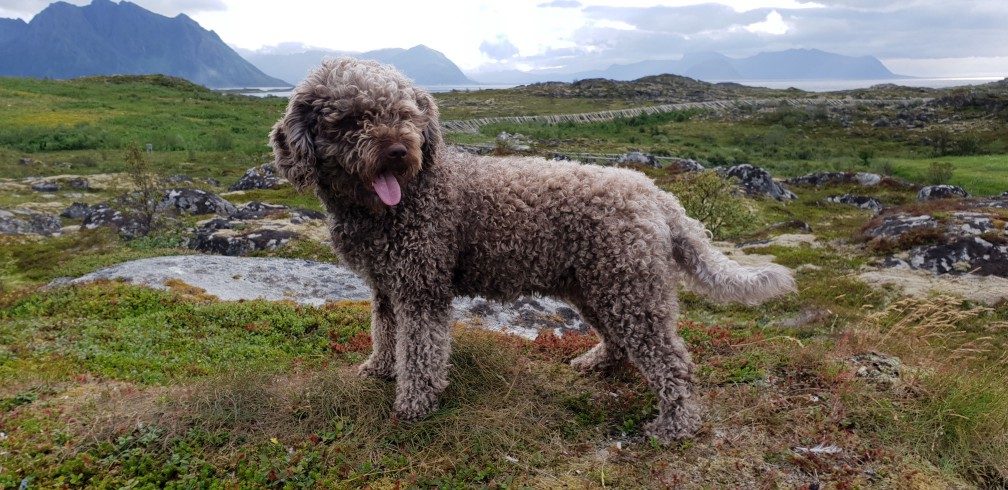
The Spanish Water Dog originated in Spain, where it was traditionally used for herding livestock and assisting fishermen. This medium-sized breed typically weighs between 30 to 50 pounds and stands 16 to 20 inches tall, featuring a dense, curly coat that is water-resistant. Known for their intelligence and athleticism, Spanish Water Dogs are diligent and loyal companions, thriving in active environments and excelling in various canine sports and activities.
Spanish Water Dogs are known for being diligent, affectionate, loyal, intelligent, playful. As a high-energy breed, they are highly responsive to training and thrive with regular mental and physical activity. They are generally good with children and friendly with other dogs, making them a popular choice for families and experienced dog owners alike.
Caring for a Spanish Water Dog means committing to moderate grooming every week or two, intense daily exercise, and firm, consistent training. With the right environment and socialization, they make loyal and loving companions.
At a Glance
Quick Facts
- Breed Group:
- Sporting
- Bred For:
- Herding flocks of sheep and goats from one pasture to another
- Origin:
- Spain
- Life Span:
- 12 - 15 years
- Weight:
- 30 - 50 lbs
- Height:
- 16 - 20 in
Temperament
Free Spanish Water Dog Health Guide
Spanish Water Dogs can be prone to Hip Dysplasia and other conditions. Get our owner's health checklist and monthly vet tips — free.
- ✓Spanish Water Dog-specific health warning signs
- ✓Vet visit checklist & cost tracker
- ✓Monthly breed health newsletter
Finding similar breeds...
How We Find Similar Breeds
We analyze breed characteristics including temperament, size, appearance, and care needs to identify the most similar dog breeds. This helps you discover alternatives that might be a good match for your lifestyle and preferences.
Explore Related Breeds & Guides
Adopt a Spanish Water Dog
Filter to show only purebred Spanish Water Dogs (excludes mixed breeds and crosses)
Find Dogs Near You
Enter your location to discover adoptable pets nearby
How to Adopt a Spanish Water Dog
Follow these steps to ensure a smooth and responsible adoption process. Remember that adopting a dog is a lifelong commitment.
Research the Breed
Learn everything you can about Spanish Water Dogs, including their temperament, exercise needs, grooming requirements, and potential health issues.
Find Reputable Sources
Look for adoptable dogs through shelters, rescue organizations, or responsible breeders. Avoid puppy mills and online scams.
Apply for Adoption
Complete an adoption application with your chosen organization. Be prepared to provide references and possibly go through a home visit.
Meet Your Potential Pet
Schedule a meeting with the dog to assess compatibility with you, your family, and any existing pets.
Prepare Your Home
Gather necessary supplies and dog-proof your home before bringing your new pet home.
1Essential Supplies
Food and water bowls, high-quality dog food, collar with ID tag, leash, bed, crate, toys, treats, grooming supplies, and cleaning products for accidents.
2Create a Safe Space
Designate an area where your dog can retreat when feeling overwhelmed. This could be a crate with comfortable bedding or a quiet corner with their bed.
3Remove Hazards
Secure or remove toxic plants, chemicals, small objects that could be swallowed, and foods that are harmful to dogs. Use baby gates if needed to restrict access to certain areas.
4Find a Veterinarian
Research and choose a veterinarian before bringing your dog home, and schedule an initial check-up shortly after adoption.
What is the dog's background and history?
Understanding a dog's past can help you anticipate potential behavior issues and provide appropriate support.
Has the dog been spayed/neutered and vaccinated?
This information is important for planning future veterinary care and understanding any immediate medical needs.
What is the dog's energy level and exercise needs?
Spanish Water Dogs typically need regular exercise to stay healthy and happy. Ask about specific exercise requirements.
Has the dog been socialized with other animals and people?
This helps you understand how the dog might interact with your family, friends, and other pets.
Are there any known behavioral or health issues?
Knowing about existing issues helps you prepare for any special care or training needs.
Special Considerations for Spanish Water Dogs
- Spanish Water Dogs may have specific health concerns that require regular monitoring.
- Consider how the typical Spanish Water Dog temperament aligns with your lifestyle.
- Research the grooming needs of Spanish Water Dogs to ensure you can commit to the required maintenance.
- Understand the exercise requirements of Spanish Water Dogs to keep them healthy and prevent behavior problems.
- Learn about proper training methods that work well with Spanish Water Dogs.
Product Recommendations for Spanish Water Dogs
See all →Vet-reviewed picks for food, insurance, crates, brushes, treats, and toys — matched to this breed.
Compare Spanish Water Dog with Similar Breeds
See how the Spanish Water Dog stacks up against other breeds side by side.