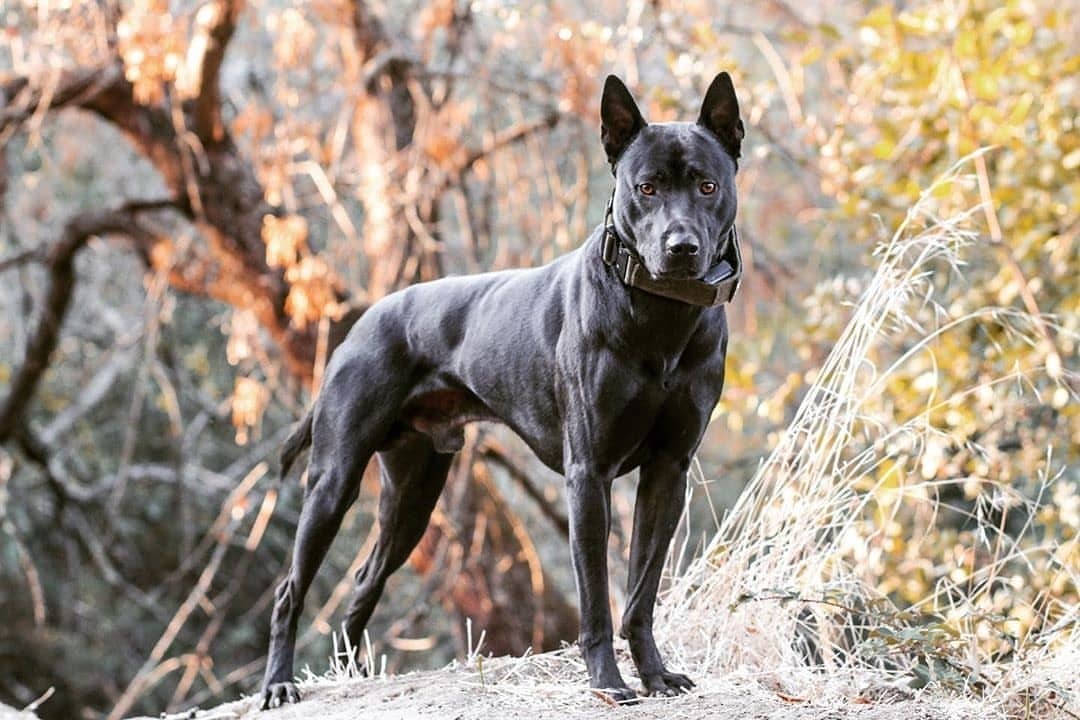




Thai Ridgeback
Temperament
About the Thai Ridgeback
The Thai Ridgeback is one of the oldest and most primitive dog breeds in existence, with documented origins tracing back at least 350 years in eastern Thailand, particularly in the island province of Koh Samui and the surrounding coastal regions. Ancient cave paintings and manuscripts suggest the breed may have existed for far longer, possibly thousands of years, developing largely in geographic isolation that allowed its primitive instincts and physical characteristics to remain intact without significant human-directed selective breeding. This isolation is a key reason the Thai Ridgeback has retained a hardwired independence and raw survival intelligence that distinguishes it sharply from breeds developed through centuries of intentional working partnerships with humans.
Historically, Thai villagers used this dog as an all-purpose working animal — hunting cobras and other vermin, pulling small carts, and serving as a watchdog over family compounds. The breed was not developed by any single kennel or breeder but rather emerged organically from the local landrace dog population of the region, shaped by climate, terrain, and the practical needs of rural Thai life. Its short, tight coat in colors of red, black, blue, and Isabella fawn — sometimes with a black mask on red dogs — reflects adaptation to the hot, humid Thai climate.
What makes the Thai Ridgeback visually and genetically distinct is the dorsal ridge of hair running in the opposite direction from the rest of its coat. This feature is shared by only two other breeds in the world: the Rhodesian Ridgeback of southern Africa and the Phu Quoc Ridgeback of Vietnam. Despite superficial similarities, the Thai Ridgeback is not related to the Rhodesian Ridgeback — the ridge trait arose through entirely separate genetic lineages. Thai Ridgebacks can display up to eight distinct ridge patterns, including needle, feather, arrow, lute, violin, leaf, saddleback, and bowling pin formations.
The breed was largely unknown outside of Thailand until the late 20th century. The Thai Ridgeback was first imported to the United States in the early 1990s, and the Thai Ridgeback Club of America was established to promote and protect the breed. The AKC accepted the Thai Ridgeback into its Foundation Stock Service in 1997, which is the first step toward full recognition but does not grant the breed eligibility to compete in AKC conformation shows. As of 2025, the breed remains in FSS status, reflecting its still-limited population in the United States. The Fédération Cynologique Internationale, known as the FCI, granted the Thai Ridgeback full international recognition under Group 5, making it eligible for international competition.
At a Glance
Quick Facts
- Breed Group:
- Hound
- Origin:
- Thailand
- Life Span:
- 10 - 12 years
- Weight:
- 35 - 55 lbs
- Height:
- 20 - 24 in
💰 Thai Ridgeback Cost Guide
Food · Vet · Grooming · Insurance · Full breakdown
Frequently Asked Questions
What is the temperament of a Thai Ridgeback?
Thai Ridgebacks are known to be protective, loyal, independent, intelligent, loving, familial, curious, friendly, gentle, quiet, playful. This combination of traits makes them excellent companions for families with children. Their temperament is influenced by both genetics and proper socialization from an early age.
How much exercise does a Thai Ridgeback need?
Thai Ridgebacks have moderate energy levels and need 30-60 minutes of daily exercise including walks and playtime.
How often should I groom my Thai Ridgeback?
Thai Ridgebacks require minimal grooming with weekly brushing and occasional baths.
How do I train a Thai Ridgeback?
Thai Ridgebacks have moderate trainability and benefit from consistent, positive training approaches.
Are Thai Ridgebacks good with children?
Thai Ridgebacks are excellent with children. Their natural patience, gentle nature, and resilience make them outstanding family dogs. They typically form strong bonds with children and tend to be forgiving of the occasional accidental rough handling that can occur with younger kids. Remember that proper socialization and teaching children appropriate interaction with dogs are always important, regardless of breed.
What makes the Thai Ridgeback unique compared to other dog breeds?
The Thai Ridgeback stands out from other breeds due to its rich heritage from Thailand. This unique combination of characteristics makes them special among dog breeds and appeals to owners who appreciate these distinct qualities. Understanding these traits helps provide appropriate care tailored to their specific needs.
What should I know before getting a Thai Ridgeback?
Before bringing a Thai Ridgeback into your home, potential owners should consider: Their coat is relatively low-maintenance (2/5). They typically excel in family environments with children (5/5 child-friendliness). They may be prone to breed-specific health issues including Hip Dysplasia, Dermoid Sinus, Progressive Retinal Atrophy. Additionally, researching reputable breeders or rescue organizations is essential for finding a healthy, well-socialized Thai Ridgeback. Understanding these factors will help ensure a good match between the breed and your lifestyle, leading to a happy relationship for both you and your dog.
What were Thai Ridgebacks originally bred for?
As part of the Hound group, they share characteristics with other breeds developed for similar purposes. Understanding your Thai Ridgeback's breeding heritage helps explain many of their natural behaviors and instincts, which can be channeled appropriately through training and enrichment activities. Even though modern Thai Ridgebacks are primarily companions, these inherent traits remain part of their genetic makeup.
How long do Thai Ridgebacks typically live?
The average lifespan of a Thai Ridgeback is 10 - 12 years. With proper care including quality nutrition, regular veterinary check-ups, appropriate exercise, and preventative healthcare, some Thai Ridgebacks may live beyond this range. Genetics, environment, and healthcare all play important roles in determining longevity.
Are Thai Ridgebacks good family dogs?
Thai Ridgebacks can be excellent family dogs in the right household, but they are not universally easy companions. They form deep, loyal bonds with their immediate family — often favoring one person most strongly — and are known to be gentle and affectionate with family members they trust. However, they tend to be reserved or wary around strangers, and their strong prey drive and dog-selective tendencies require careful management in homes with young children who have unpredictable movements or with other small pets. Families with prior experience owning independent or primitive breeds will generally have the most success. They are not recommended as a first dog for inexperienced owners.
What is dermoid sinus in Thai Ridgebacks?
Dermoid sinus is a congenital condition in which a tube-like tract of skin tissue forms along the dog's dorsal midline — the top of the spine — sometimes extending deep enough to reach the spinal cord or its surrounding tissue. It is present at birth and is linked to the same genetic region responsible for the breed's characteristic ridge. Mild cases may cause localized infection, while severe cases can result in serious neurological complications. The only effective treatment is surgical removal. Reputable Thai Ridgeback breeders have every puppy in a litter examined by a veterinarian before placement to identify affected individuals. Buyers should ask for written confirmation of this check.
How rare is the Thai Ridgeback in the United States?
The Thai Ridgeback is genuinely rare in the United States. The breed ranks 205th out of over 200 recognized and recorded breeds by the American Kennel Club, which reflects both its FSS status and its limited population in the country. The total number of Thai Ridgebacks registered or recorded in the U.S. is estimated in the low hundreds, making it one of the rarest breeds you can own in America. Finding a reputable breeder may require a waitlist of several months to over a year. The breed's rarity also means that buyers should be especially cautious about any seller offering immediate availability, as responsible Thai Ridgeback breeders typically have limited litters and high demand among knowledgeable buyers.
Additional Characteristics
Care Requirements
They have a moderate energy level and benefit from daily walks and play sessions.
They need regular but basic grooming such as weekly brushing.
Moderately trainable with consistent methods
They are excellent with children and often form strong bonds with them.
Thai Ridgeback
Complete Breed Guide
About the Thai Ridgeback
The Thai Ridgeback is a medium-sized dog breed that originated in Muang Thai, where it was historically used for hunting and guarding. This breed is characterized by its distinctive ridge of hair along the back, a muscular build, and a height ranging from 20 to 24 inches, weighing between 35 to 55 pounds. Known for their protective and loyal nature, Thai Ridgebacks are intelligent and independent, making them both affectionate family companions and capable guardians. Their lifespan typically ranges from 10 to 12 years.
Thai Ridgebacks are known for being protective, loyal, independent, intelligent, loving, and familial, curious, friendly. As a moderately energetic breed, they are moderately trainable and thrive with regular mental and physical activity. They are excellent with children of all ages and friendly with other dogs, making them a popular choice for families and experienced dog owners alike.
Caring for a Thai Ridgeback means committing to minimal grooming — a quick brush once a week is usually enough, regular daily walks, and positive-reinforcement training. Their gentle, social nature makes them a wonderful addition to active families.
At a Glance
Quick Facts
- Breed Group:
- Hound
- Origin:
- Thailand
- Life Span:
- 10 - 12 years
- Weight:
- 35 - 55 lbs
- Height:
- 20 - 24 in
Temperament
Free Thai Ridgeback Health Guide
Thai Ridgebacks can be prone to Hip Dysplasia and other conditions. Get our owner's health checklist and monthly vet tips — free.
- ✓Thai Ridgeback-specific health warning signs
- ✓Vet visit checklist & cost tracker
- ✓Monthly breed health newsletter
Finding similar breeds...
How We Find Similar Breeds
We analyze breed characteristics including temperament, size, appearance, and care needs to identify the most similar dog breeds. This helps you discover alternatives that might be a good match for your lifestyle and preferences.
Explore Related Breeds & Guides
Adopt a Thai Ridgeback
Filter to show only purebred Thai Ridgebacks (excludes mixed breeds and crosses)
Find Dogs Near You
Enter your location to discover adoptable pets nearby
How to Adopt a Thai Ridgeback
Follow these steps to ensure a smooth and responsible adoption process. Remember that adopting a dog is a lifelong commitment.
Research the Breed
Learn everything you can about Thai Ridgebacks, including their temperament, exercise needs, grooming requirements, and potential health issues.
Find Reputable Sources
Look for adoptable dogs through shelters, rescue organizations, or responsible breeders. Avoid puppy mills and online scams.
Apply for Adoption
Complete an adoption application with your chosen organization. Be prepared to provide references and possibly go through a home visit.
Meet Your Potential Pet
Schedule a meeting with the dog to assess compatibility with you, your family, and any existing pets.
Prepare Your Home
Gather necessary supplies and dog-proof your home before bringing your new pet home.
1Essential Supplies
Food and water bowls, high-quality dog food, collar with ID tag, leash, bed, crate, toys, treats, grooming supplies, and cleaning products for accidents.
2Create a Safe Space
Designate an area where your dog can retreat when feeling overwhelmed. This could be a crate with comfortable bedding or a quiet corner with their bed.
3Remove Hazards
Secure or remove toxic plants, chemicals, small objects that could be swallowed, and foods that are harmful to dogs. Use baby gates if needed to restrict access to certain areas.
4Find a Veterinarian
Research and choose a veterinarian before bringing your dog home, and schedule an initial check-up shortly after adoption.
What is the dog's background and history?
Understanding a dog's past can help you anticipate potential behavior issues and provide appropriate support.
Has the dog been spayed/neutered and vaccinated?
This information is important for planning future veterinary care and understanding any immediate medical needs.
What is the dog's energy level and exercise needs?
Thai Ridgebacks typically need regular exercise to stay healthy and happy. Ask about specific exercise requirements.
Has the dog been socialized with other animals and people?
This helps you understand how the dog might interact with your family, friends, and other pets.
Are there any known behavioral or health issues?
Knowing about existing issues helps you prepare for any special care or training needs.
Special Considerations for Thai Ridgebacks
- Thai Ridgebacks may have specific health concerns that require regular monitoring.
- Consider how the typical Thai Ridgeback temperament aligns with your lifestyle.
- Research the grooming needs of Thai Ridgebacks to ensure you can commit to the required maintenance.
- Understand the exercise requirements of Thai Ridgebacks to keep them healthy and prevent behavior problems.
- Learn about proper training methods that work well with Thai Ridgebacks.
Product Recommendations for Thai Ridgebacks
See all →Vet-reviewed picks for food, insurance, crates, brushes, treats, and toys — matched to this breed.
Compare Thai Ridgeback with Similar Breeds
See how the Thai Ridgeback stacks up against other breeds side by side.