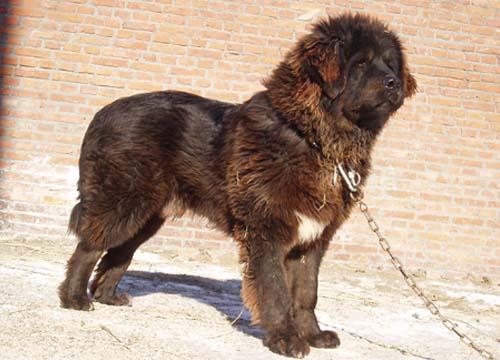
Tibetan Mastiff
Temperament
About the Tibetan Mastiff
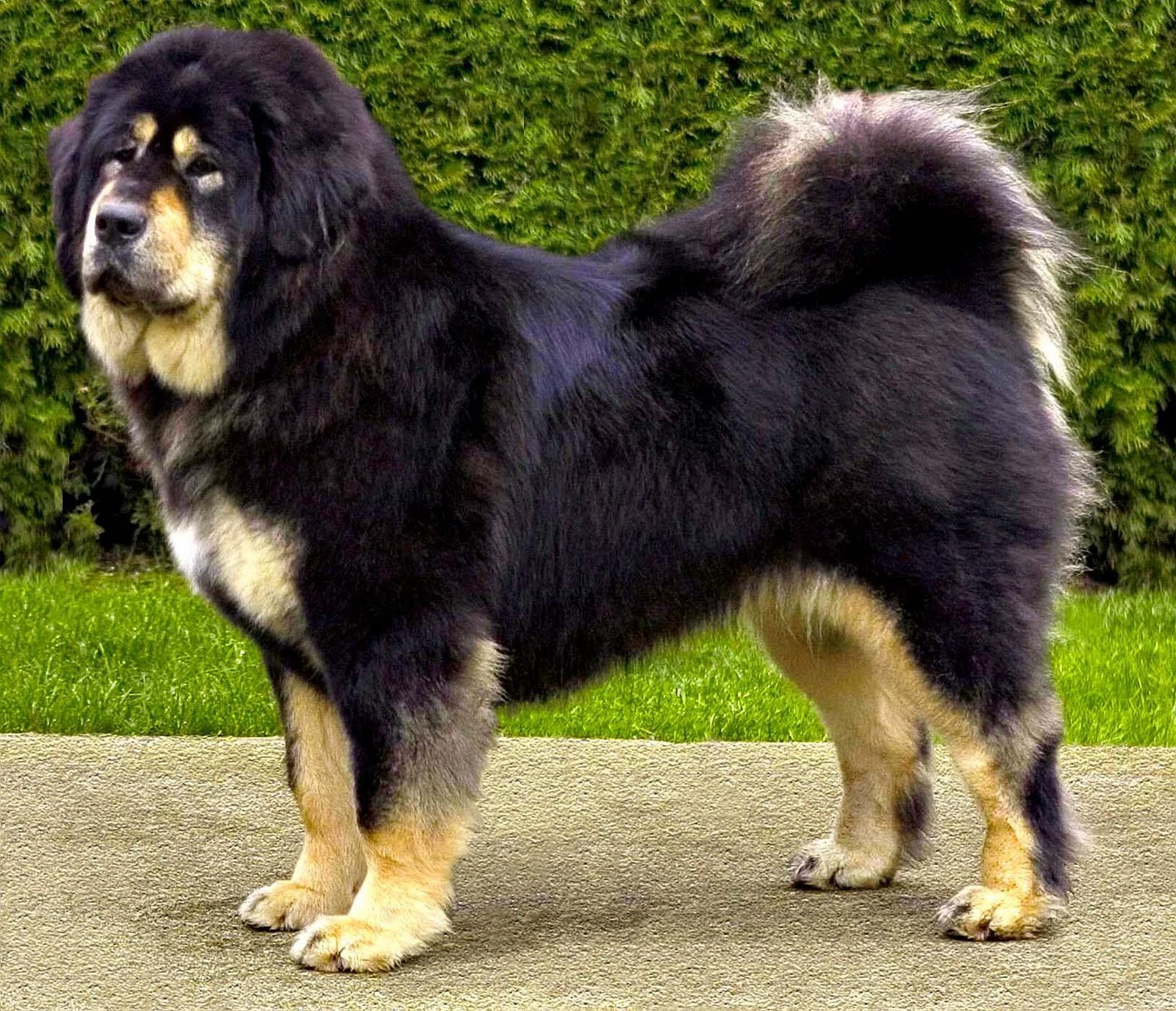
The Tibetan Mastiff is one of the most ancient working breeds in existence, with written records placing large Tibetan dogs in Chinese literature as far back as 1100 BCE. Cave drawings in the Himalayan region suggest an even longer presence, though the exact origins of the breed as we know it today remain partially obscured by the isolation of the Tibetan plateau. Historically, these dogs served two distinct roles: as nocturnal guardians of Tibetan villages and monasteries, and as protectors of nomadic herders and their livestock against wolves, leopards, and bears at altitude. The breed's traditional Tibetan name is Do-Khyi, meaning "tied dog" or "home guard," reflecting the practice of chaining them by day and releasing them at night to patrol.
The breed first entered Western awareness in the 19th century. Edward VII, then Prince of Wales, received two Tibetan Mastiffs from the Viceroy of India in 1874, introducing them to England. King George V later kept them in the royal kennels. However, the breed's development outside Tibet was slow and inconsistent due to the extreme difficulty of obtaining quality breeding stock from a nearly inaccessible region. American imports began in earnest in the 1970s, when dogs were brought to the United States and foundation breeding programs were established. The American Tibetan Mastiff Association (ATMA) was founded in 1974 and remains the AKC Parent Club for the breed in the United States.
The AKC formally recognized the Tibetan Mastiff in 2006, placing it in the Working Group. As of current rankings, it sits at approximately 148th out of 205 recognized breeds in popularity — a number that reflects the breed's demanding ownership requirements rather than any lack of admirers. The breed has seen speculative price inflation in China, where it was briefly treated as a luxury status symbol in the 2000s and early 2010s, with some dogs reportedly selling for astronomical sums. That market has since collapsed, but it left an impression on global perception of the breed.
What distinguishes the Tibetan Mastiff from other flock guardian breeds — the Kangal, the Anatolian Shepherd, the Great Pyrenees — is a combination of its dense double coat, its lion-like mane concentrated around the neck and shoulders, and a particular quality of self-directed, nighttime-oriented vigilance that sets it apart behaviorally. Unlike breeds selectively refined through European herding and shepherding cultures, the Tibetan Mastiff developed in near-complete geographic isolation, which has produced a dog that is genetically and temperamentally distinct in ways modern genomic research is still working to fully characterize.
At a Glance
Quick Facts
- Breed Group:
- Working
- Origin:
- China
- Life Span:
- 10 - 14 years
- Weight:
- 85 - 140 lbs
- Height:
- 24 - 26 in
💰 Tibetan Mastiff Cost Guide
Food · Vet · Grooming · Insurance · Full breakdown
Frequently Asked Questions
What is the temperament of a Tibetan Mastiff?
Tibetan Mastiffs are known to be strong willed, tenacious, aloof, stubborn, intelligent, protective, brave, curious, dignified, independent, loyal, affectionate. This combination of traits makes them excellent companions for families with children. Their temperament is influenced by both genetics and proper socialization from an early age.
How much exercise does a Tibetan Mastiff need?
Tibetan Mastiffs have low energy levels and require minimal daily exercise, typically 15-30 minutes of gentle activity.
How often should I groom my Tibetan Mastiff?
Tibetan Mastiffs require intensive grooming with daily brushing and regular professional grooming sessions.
How do I train a Tibetan Mastiff?
Tibetan Mastiffs are highly trainable and typically respond well to positive reinforcement methods.
Are Tibetan Mastiffs good with children?
Tibetan Mastiffs are excellent with children. Their natural patience, gentle nature, and resilience make them outstanding family dogs. They typically form strong bonds with children and tend to be forgiving of the occasional accidental rough handling that can occur with younger kids. Remember that proper socialization and teaching children appropriate interaction with dogs are always important, regardless of breed.
What makes the Tibetan Mastiff unique compared to other dog breeds?
The Tibetan Mastiff stands out from other breeds due to its dignified appearance and bearing, rich heritage from China. This unique combination of characteristics makes them special among dog breeds and appeals to owners who appreciate these distinct qualities. Understanding these traits helps provide appropriate care tailored to their specific needs.
What should I know before getting a Tibetan Mastiff?
Before bringing a Tibetan Mastiff into your home, potential owners should consider: They have relatively low exercise needs (2/5), making them suitable for less active households. Their coat requires significant maintenance (4/5) with regular grooming sessions. They typically excel in family environments with children (5/5 child-friendliness). They're typically highly trainable (5/5) and eager to learn. Their large size requires adequate living space. They may be prone to breed-specific health issues including Hip Dysplasia, Elbow Dysplasia, Hypothyroidism, Inherited Hypertrophic Neuropathy, Eye Conditions. Additionally, researching reputable breeders or rescue organizations is essential for finding a healthy, well-socialized Tibetan Mastiff. Understanding these factors will help ensure a good match between the breed and your lifestyle, leading to a happy relationship for both you and your dog.
What were Tibetan Mastiffs originally bred for?
As part of the Working group, they share characteristics with other breeds developed for similar purposes. Understanding your Tibetan Mastiff's breeding heritage helps explain many of their natural behaviors and instincts, which can be channeled appropriately through training and enrichment activities. Even though modern Tibetan Mastiffs are primarily companions, these inherent traits remain part of their genetic makeup.
How long do Tibetan Mastiffs typically live?
The average lifespan of a Tibetan Mastiff is 10 - 14 years. With proper care including quality nutrition, regular veterinary check-ups, appropriate exercise, and preventative healthcare, some Tibetan Mastiffs may live beyond this range. Genetics, environment, and healthcare all play important roles in determining longevity.
Are Tibetan Mastiffs good family dogs?
Tibetan Mastiffs can be devoted and affectionate with their immediate family, including children they are raised with, but they are not a universally family-friendly breed in the way that a Golden Retriever or Labrador is. Their guardian instincts mean they are naturally aloof and potentially territorial with unfamiliar people, including children visiting the home. They tend to do better with older children who understand how to interact respectfully with a large, independent dog. Families with young children who frequently have playdates, sports teams, or a revolving door of visitors need to carefully consider whether a Tibetan Mastiff's territorial nature is compatible with that lifestyle without significant ongoing management.
Do Tibetan Mastiffs bark a lot?
Yes — nighttime barking in particular is a defining behavioral trait of the breed and one that catches many new owners off guard. The Do-Khyi was historically chained outside at night and used as an alarm and deterrent, and that nocturnal vigilance is deeply ingrained. Tibetan Mastiffs kept outdoors or with access to a yard will often bark at sounds, movement, and perceived intrusions throughout the night. This makes them poor neighbors in densely populated areas or communities with noise ordinances. Keeping the dog indoors at night reduces but does not eliminate barking. Owners should be realistic about this trait before acquiring the breed.
Why is the Tibetan Mastiff so expensive?
Legitimate price ranges from responsible breeders in the United States fall between $1,500 and $5,000, which is higher than many breeds but reflects the costs of proper health testing, careful breeding, and the breed's lower population density in North America. The breed gained international notoriety in the late 2000s and early 2010s when Chinese buyers drove speculative prices into the tens or even hundreds of thousands of dollars for show-quality or unusually colored dogs, treating them as luxury status symbols. That market bubble collapsed around 2014 to 2015, and prices normalized. Today, extremely high prices from domestic breeders — above $5,000 to $8,000 — are not necessarily indicators of superior quality and should prompt careful scrutiny of what health testing and breeding practices are actually behind that pricing.
Additional Characteristics
Care Requirements
They have a low to moderate energy level and need regular but not extensive exercise.
They have high grooming needs requiring frequent brushing and regular professional grooming.
Highly trainable — quick to learn and eager to please
They are excellent with children and often form strong bonds with them.
Tibetan Mastiff
Complete Breed Guide
About the Tibetan Mastiff
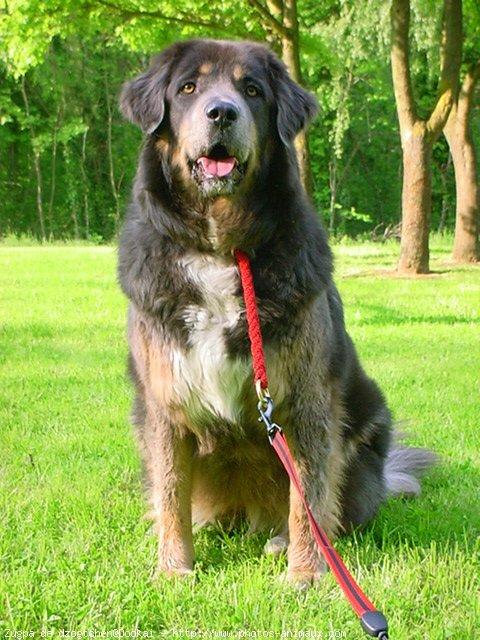
The Tibetan Mastiff is a large and powerful breed originating from China, historically used by nomadic cultures to protect livestock from predators. Weighing between 85 to 140 pounds and standing 24 to 26 inches tall, they possess a thick double coat that provides insulation against harsh climates. Known for their strong-willed and independent temperament, they are protective and loyal companions, often exhibiting aloofness towards strangers while being affectionate with their families.
Tibetan Mastiffs are known for being strong willed, tenacious, aloof, stubborn, intelligent, and protective, brave, curious. As a low-key and calm breed, they are highly responsive to training and thrive with regular mental and physical activity. They are excellent with children of all ages and friendly with other dogs, making them a popular choice for families and experienced dog owners alike.
Caring for a Tibetan Mastiff means committing to regular grooming (brushing several times a week), regular daily walks, and positive-reinforcement training. Their gentle, social nature makes them a wonderful addition to active families.
At a Glance
Quick Facts
- Breed Group:
- Working
- Origin:
- China
- Life Span:
- 10 - 14 years
- Weight:
- 85 - 140 lbs
- Height:
- 24 - 26 in
Temperament
Free Tibetan Mastiff Health Guide
Tibetan Mastiffs can be prone to Hip Dysplasia and other conditions. Get our owner's health checklist and monthly vet tips — free.
- ✓Tibetan Mastiff-specific health warning signs
- ✓Vet visit checklist & cost tracker
- ✓Monthly breed health newsletter
Finding similar breeds...
How We Find Similar Breeds
We analyze breed characteristics including temperament, size, appearance, and care needs to identify the most similar dog breeds. This helps you discover alternatives that might be a good match for your lifestyle and preferences.
Adopt a Tibetan Mastiff
Filter to show only purebred Tibetan Mastiffs (excludes mixed breeds and crosses)
Find Dogs Near You
Enter your location to discover adoptable pets nearby
How to Adopt a Tibetan Mastiff
Follow these steps to ensure a smooth and responsible adoption process. Remember that adopting a dog is a lifelong commitment.
Research the Breed
Learn everything you can about Tibetan Mastiffs, including their temperament, exercise needs, grooming requirements, and potential health issues.
Find Reputable Sources
Look for adoptable dogs through shelters, rescue organizations, or responsible breeders. Avoid puppy mills and online scams.
Apply for Adoption
Complete an adoption application with your chosen organization. Be prepared to provide references and possibly go through a home visit.
Meet Your Potential Pet
Schedule a meeting with the dog to assess compatibility with you, your family, and any existing pets.
Prepare Your Home
Gather necessary supplies and dog-proof your home before bringing your new pet home.
1Essential Supplies
Food and water bowls, high-quality dog food, collar with ID tag, leash, bed, crate, toys, treats, grooming supplies, and cleaning products for accidents.
2Create a Safe Space
Designate an area where your dog can retreat when feeling overwhelmed. This could be a crate with comfortable bedding or a quiet corner with their bed.
3Remove Hazards
Secure or remove toxic plants, chemicals, small objects that could be swallowed, and foods that are harmful to dogs. Use baby gates if needed to restrict access to certain areas.
4Find a Veterinarian
Research and choose a veterinarian before bringing your dog home, and schedule an initial check-up shortly after adoption.
What is the dog's background and history?
Understanding a dog's past can help you anticipate potential behavior issues and provide appropriate support.
Has the dog been spayed/neutered and vaccinated?
This information is important for planning future veterinary care and understanding any immediate medical needs.
What is the dog's energy level and exercise needs?
Tibetan Mastiffs typically need regular exercise to stay healthy and happy. Ask about specific exercise requirements.
Has the dog been socialized with other animals and people?
This helps you understand how the dog might interact with your family, friends, and other pets.
Are there any known behavioral or health issues?
Knowing about existing issues helps you prepare for any special care or training needs.
Special Considerations for Tibetan Mastiffs
- Tibetan Mastiffs may have specific health concerns that require regular monitoring.
- Consider how the typical Tibetan Mastiff temperament aligns with your lifestyle.
- Research the grooming needs of Tibetan Mastiffs to ensure you can commit to the required maintenance.
- Understand the exercise requirements of Tibetan Mastiffs to keep them healthy and prevent behavior problems.
- Learn about proper training methods that work well with Tibetan Mastiffs.
Product Recommendations for Tibetan Mastiffs
See all →Vet-reviewed picks for food, insurance, crates, brushes, treats, and toys — matched to this breed.
Compare Tibetan Mastiff with Similar Breeds
See how the Tibetan Mastiff stacks up against other breeds side by side.