

Tibetan Terrier
Temperament
About the Tibetan Terrier
The Tibetan Terrier is one of the oldest companion breeds in existence, with origins stretching back more than 2,000 years in the remote Tsang province of Tibet. Despite the English name that stuck after European travelers noted its terrier-like proportions, this breed is no terrier at all — it shares no working earth-dog heritage with the terrier group and is classified by the American Kennel Club in the Non-Sporting Group. In Tibet, the breed was known as the Tsang Apso, meaning roughly 'shaggy or bearded dog from Tsang,' and was also called Dokhi Apso, referencing its role as a hardy outdoor companion. Tibetan monks and nomadic herders alike valued the breed, and the dogs were never sold — only gifted — a tradition that reflected their sacred status in Tibetan culture.
The modern breed's Western history begins definitively in 1922, when Dr. Agnes Greig, a British surgeon working in India, received a Tibetan Terrier as a gift from a grateful Tibetan patient. So taken was she with the breed that she established a kennel in India, breeding Tibetan Terriers under careful standards and eventually bringing them to England. The breed was recognized by the Kennel Club of India in 1930, and the UK Kennel Club followed. The American Kennel Club granted the Tibetan Terrier full recognition in 1973, and the breed currently ranks 117th out of 205 recognized breeds in AKC popularity — respectable for a breed that remains relatively specialized in its ownership base.
The Tibetan Terrier Health and Welfare Council and the Tibetan Terrier Club of America (TTCA), founded in 1957, serve as the primary breed guardians in the United States. The TTCA maintains breed standards, supports health research, and operates the parent club registry. The club has been instrumental in funding genetic research into the breed's hereditary conditions, particularly neuronal ceroid lipofuscinosis.
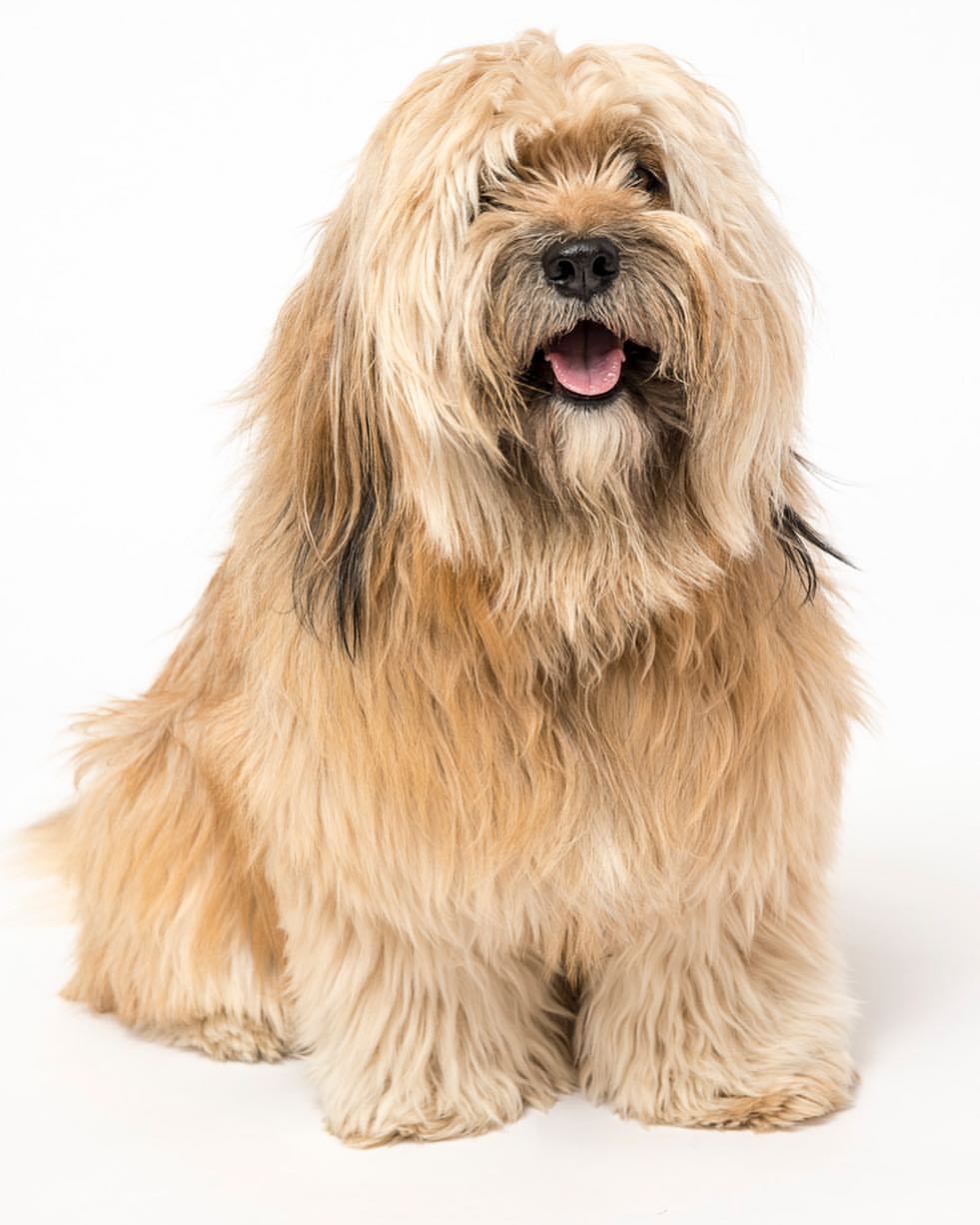
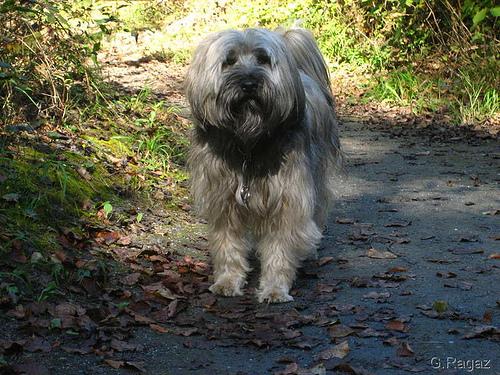
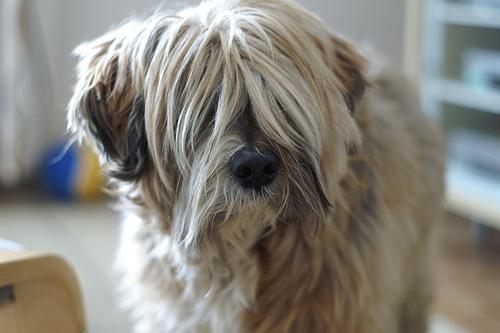
What separates the Tibetan Terrier from the visually similar Lhasa Apso — with which it is frequently confused — is primarily scale and function. The TT is noticeably larger, standing 14 to 17 inches at the shoulder and weighing between 18 and 30 pounds, while the Lhasa Apso is a smaller, more interior palace dog. The TT's most structurally unique feature is its large, flat, round 'snowshoe' feet — wide and heavily padded — which evolved specifically to provide traction on snow-covered Himalayan terrain. No other companion breed from the region shares this foot structure so distinctly. The double coat, which can present in virtually any color or combination, was functional before it was decorative, providing insulation against Tibet's brutal winters and high-altitude conditions.
At a Glance
Quick Facts
- Breed Group:
- Non-Sporting
- Bred For:
- Good luck charms, mascots, watchdogs, herding dogs, and companions
- Origin:
- Tibet
- Life Span:
- 12 - 15 years
- Weight:
- 20 - 24 lbs
- Height:
- 14 - 17 in
💰 Tibetan Terrier Cost Guide
Food · Vet · Grooming · Insurance · Full breakdown
Frequently Asked Questions
What is the temperament of a Tibetan Terrier?
Tibetan Terriers are known to be affectionate, energetic, amiable, reserved, gentle, friendly, loyal, independent, curious, quiet. This combination of traits makes them excellent companions for families with children. Their temperament is influenced by both genetics and proper socialization from an early age.
How much exercise does a Tibetan Terrier need?
Tibetan Terriers are high-energy dogs requiring 60+ minutes of vigorous daily exercise and mental stimulation.
How often should I groom my Tibetan Terrier?
Tibetan Terriers require intensive grooming with daily brushing and regular professional grooming sessions.
How do I train a Tibetan Terrier?
Tibetan Terriers are highly trainable and typically respond well to positive reinforcement methods.
Are Tibetan Terriers good with children?
Tibetan Terriers are excellent with children. Their natural patience, gentle nature, and resilience make them outstanding family dogs. They typically form strong bonds with children and tend to be forgiving of the occasional accidental rough handling that can occur with younger kids. Remember that proper socialization and teaching children appropriate interaction with dogs are always important, regardless of breed.
What makes the Tibetan Terrier unique compared to other dog breeds?
The Tibetan Terrier stands out from other breeds due to its rich heritage from Tibet, specialized companion qualities. This unique combination of characteristics makes them special among dog breeds and appeals to owners who appreciate these distinct qualities. Understanding these traits helps provide appropriate care tailored to their specific needs.
What should I know before getting a Tibetan Terrier?
Before bringing a Tibetan Terrier into your home, potential owners should consider: They have high exercise requirements (4/5) and need an active owner. Their coat requires significant maintenance (5/5) with regular grooming sessions. They typically excel in family environments with children (5/5 child-friendliness). They're typically highly trainable (4/5) and eager to learn. They may be prone to breed-specific health issues including Progressive Retinal Atrophy, Neuronal Ceroid Lipofuscinosis, Hip Dysplasia, Lens Luxation, Hypothyroidism. Additionally, researching reputable breeders or rescue organizations is essential for finding a healthy, well-socialized Tibetan Terrier. Understanding these factors will help ensure a good match between the breed and your lifestyle, leading to a happy relationship for both you and your dog.
What were Tibetan Terriers originally bred for?
Tibetan Terriers were originally bred for good luck charms, mascots, watchdogs, herding dogs, and companions. This herding heritage explains their intelligence, focus, and sometimes tendency to herd family members, particularly children. As part of the Non-Sporting group, they share characteristics with other breeds developed for similar purposes. Understanding your Tibetan Terrier's breeding heritage helps explain many of their natural behaviors and instincts, which can be channeled appropriately through training and enrichment activities. Even though modern Tibetan Terriers are primarily companions, these inherent traits remain part of their genetic makeup.
How long do Tibetan Terriers typically live?
The average lifespan of a Tibetan Terrier is 12 - 15 years. With proper care including quality nutrition, regular veterinary check-ups, appropriate exercise, and preventative healthcare, some Tibetan Terriers may live beyond this range. Genetics, environment, and healthcare all play important roles in determining longevity.
Are Tibetan Terriers good for first-time dog owners?
Tibetan Terriers can work well for first-time owners who do their homework, but they are not the easiest starting point. The breed is sensitive, moderately independent, and requires consistent positive reinforcement training rather than correction-based methods. New owners who research the breed thoroughly, commit to early socialization, and take puppy training classes typically do well. Those who underestimate the grooming commitment or assume that the TT's affectionate nature means automatic obedience often find the experience more challenging than expected. Going in with realistic expectations — and ideally consulting with the Tibetan Terrier Club of America before acquiring one — significantly improves outcomes.
Do Tibetan Terriers shed a lot?
Tibetan Terriers are often described as low-shedding, but that description requires context. The breed has a double coat — a soft, woolly undercoat beneath a long, fine outer coat — and does not shed in the way that short-coated or heavy-shedding breeds do. However, the coat does shed, and rather than releasing hair freely into the environment, shed hair tends to become trapped within the coat itself. This is what creates matting if brushing is neglected. Owners who brush their TT two to three times per week will find relatively little loose hair on furniture or clothing, but the grooming commitment required to keep the coat from matting is real and significant. The breed is sometimes marketed as hypoallergenic, but no dog breed is truly hypoallergenic — individual reactions to TTs vary.
What is neuronal ceroid lipofuscinosis in Tibetan Terriers?
Neuronal ceroid lipofuscinosis, commonly called NCL, is a hereditary neurological disease caused by the abnormal accumulation of lipopigments in the brain and other tissues. In Tibetan Terriers, it is caused by a breed-specific recessive genetic mutation, meaning a dog must inherit two copies of the defective gene — one from each parent — to develop the disease. Affected dogs typically show progressive neurological symptoms including vision loss, motor deterioration, and behavioral changes, and the disease is fatal. A DNA test specifically designed to detect the TT-form of NCL is available, and any reputable breeder will test all breeding dogs and provide documentation of results. Dogs that are carriers (one copy of the mutation) can still be bred safely to clear dogs to avoid producing affected puppies.
How much exercise does a Tibetan Terrier need daily?
Tibetan Terriers are moderately energetic dogs that need daily physical activity but are not high-drive working dogs that demand intense exercise regimens. A minimum of 30 to 45 minutes of daily exercise — split across walks, play sessions, or off-leash time in a securely fenced yard — is generally sufficient for an adult TT. The breed also benefits from mental stimulation through puzzle feeders, training sessions, or interactive games, as under-stimulated TTs can develop nuisance behaviors like excessive barking. Puppies should not be over-exercised on hard surfaces while their joints are developing, and senior TTs may naturally dial back their activity level. The breed's snowshoe feet make them capable, enthusiastic hikers, and many TT owners find the breed is an excellent trail companion when properly conditioned.
Additional Characteristics
Care Requirements
They are high-energy dogs that need significant daily exercise and mental stimulation.
They have very high maintenance coats requiring daily brushing and regular professional grooming.
Highly trainable — quick to learn and eager to please
They are excellent with children and often form strong bonds with them.
Tibetan Terrier
Complete Breed Guide
About the Tibetan Terrier
The Tibetan Terrier is a medium-sized breed originating from Tibet, where they were historically used as companions and watchdogs by Buddhist monks. Weighing between 20 to 24 pounds and standing 14 to 17 inches tall, they possess a long, flowing double coat that requires regular grooming. Known for their affectionate and loyal temperament, Tibetan Terriers are energetic and intelligent, making them both engaging family pets and capable of independent thought. They typically live between 12 to 15 years.
Tibetan Terriers are known for being affectionate, energetic, amiable, reserved, gentle, and friendly, loyal, independent. As a high-energy breed, they are highly responsive to training and thrive with regular mental and physical activity. They are excellent with children of all ages and friendly with other dogs, making them a popular choice for families and experienced dog owners alike.
Caring for a Tibetan Terrier means committing to regular grooming (brushing several times a week), vigorous daily exercise, and consistent training from an early age. Their gentle, social nature makes them a wonderful addition to active families.
At a Glance
Quick Facts
- Breed Group:
- Non-Sporting
- Bred For:
- Good luck charms, mascots, watchdogs, herding dogs, and companions
- Origin:
- Tibet
- Life Span:
- 12 - 15 years
- Weight:
- 20 - 24 lbs
- Height:
- 14 - 17 in
Temperament
Free Tibetan Terrier Health Guide
Tibetan Terriers can be prone to Progressive Retinal Atrophy and other conditions. Get our owner's health checklist and monthly vet tips — free.
- ✓Tibetan Terrier-specific health warning signs
- ✓Vet visit checklist & cost tracker
- ✓Monthly breed health newsletter
Finding similar breeds...
How We Find Similar Breeds
We analyze breed characteristics including temperament, size, appearance, and care needs to identify the most similar dog breeds. This helps you discover alternatives that might be a good match for your lifestyle and preferences.
Explore Related Breeds & Guides
Adopt a Tibetan Terrier
Filter to show only purebred Tibetan Terriers (excludes mixed breeds and crosses)
Find Dogs Near You
Enter your location to discover adoptable pets nearby
How to Adopt a Tibetan Terrier
Follow these steps to ensure a smooth and responsible adoption process. Remember that adopting a dog is a lifelong commitment.
Research the Breed
Learn everything you can about Tibetan Terriers, including their temperament, exercise needs, grooming requirements, and potential health issues.
Find Reputable Sources
Look for adoptable dogs through shelters, rescue organizations, or responsible breeders. Avoid puppy mills and online scams.
Apply for Adoption
Complete an adoption application with your chosen organization. Be prepared to provide references and possibly go through a home visit.
Meet Your Potential Pet
Schedule a meeting with the dog to assess compatibility with you, your family, and any existing pets.
Prepare Your Home
Gather necessary supplies and dog-proof your home before bringing your new pet home.
1Essential Supplies
Food and water bowls, high-quality dog food, collar with ID tag, leash, bed, crate, toys, treats, grooming supplies, and cleaning products for accidents.
2Create a Safe Space
Designate an area where your dog can retreat when feeling overwhelmed. This could be a crate with comfortable bedding or a quiet corner with their bed.
3Remove Hazards
Secure or remove toxic plants, chemicals, small objects that could be swallowed, and foods that are harmful to dogs. Use baby gates if needed to restrict access to certain areas.
4Find a Veterinarian
Research and choose a veterinarian before bringing your dog home, and schedule an initial check-up shortly after adoption.
What is the dog's background and history?
Understanding a dog's past can help you anticipate potential behavior issues and provide appropriate support.
Has the dog been spayed/neutered and vaccinated?
This information is important for planning future veterinary care and understanding any immediate medical needs.
What is the dog's energy level and exercise needs?
Tibetan Terriers typically need regular exercise to stay healthy and happy. Ask about specific exercise requirements.
Has the dog been socialized with other animals and people?
This helps you understand how the dog might interact with your family, friends, and other pets.
Are there any known behavioral or health issues?
Knowing about existing issues helps you prepare for any special care or training needs.
Special Considerations for Tibetan Terriers
- Tibetan Terriers may have specific health concerns that require regular monitoring.
- Consider how the typical Tibetan Terrier temperament aligns with your lifestyle.
- Research the grooming needs of Tibetan Terriers to ensure you can commit to the required maintenance.
- Understand the exercise requirements of Tibetan Terriers to keep them healthy and prevent behavior problems.
- Learn about proper training methods that work well with Tibetan Terriers.
Product Recommendations for Tibetan Terriers
See all →Vet-reviewed picks for food, insurance, crates, brushes, treats, and toys — matched to this breed.
Compare Tibetan Terrier with Similar Breeds
See how the Tibetan Terrier stacks up against other breeds side by side.