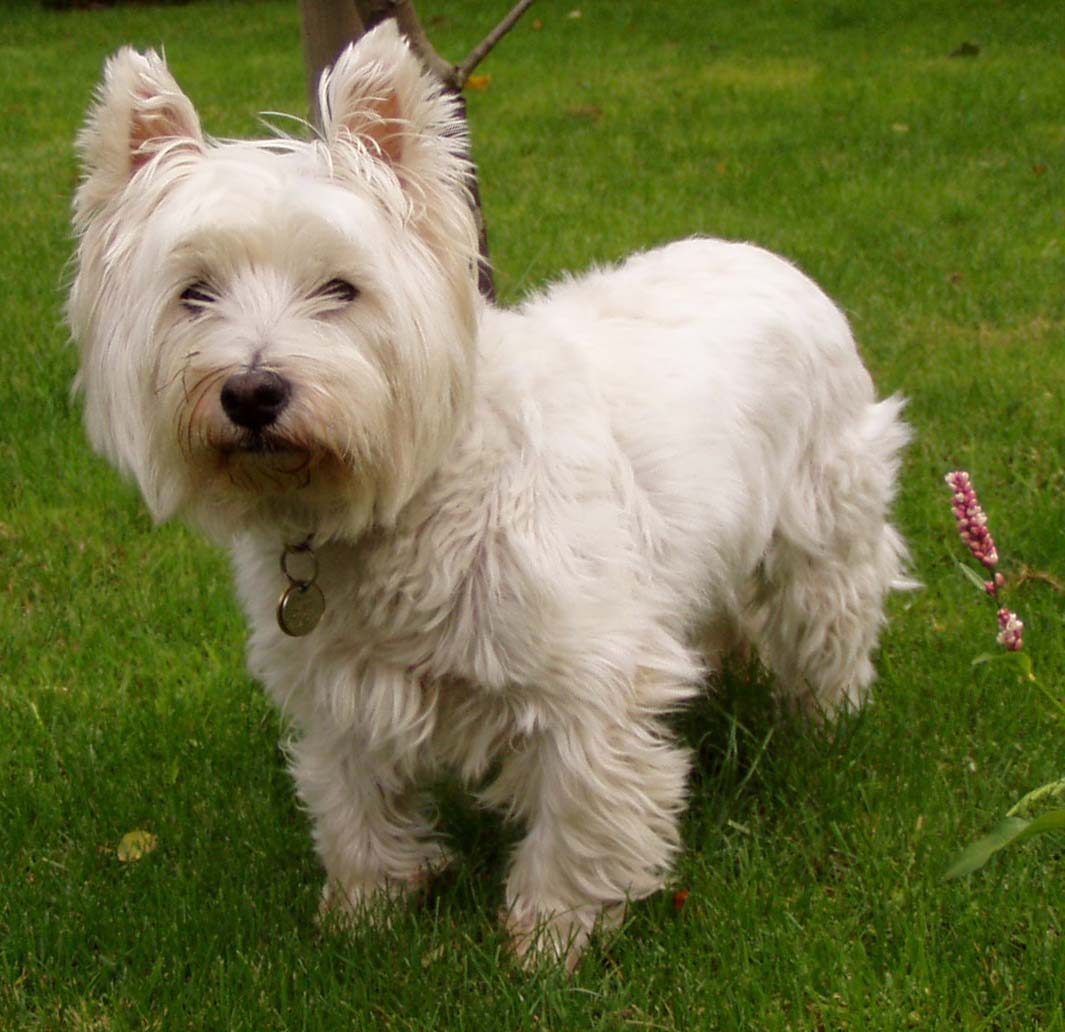

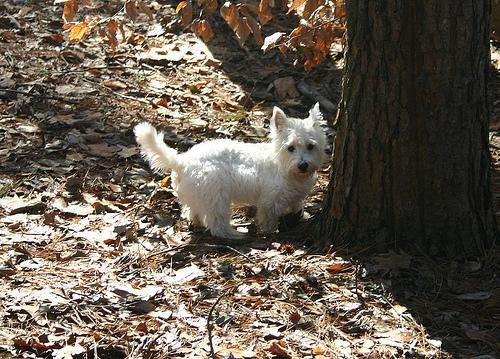
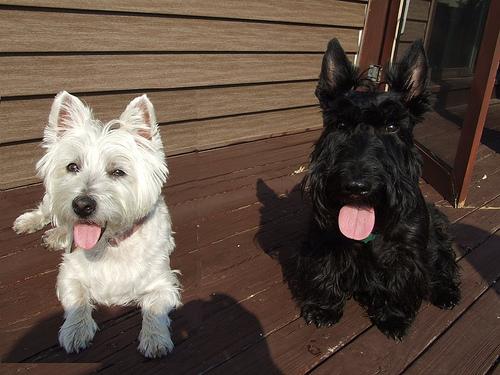
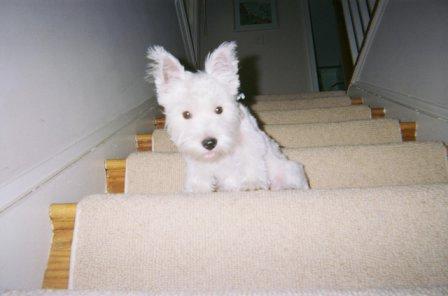
West Highland White Terrier
Temperament
About the West Highland White Terrier
The West Highland White Terrier's story begins in the Scottish Highlands, where for centuries working terriers were valued not for their looks but for their willingness to pursue fox, badger, otter, and rats into underground dens. The modern Westie traces its most direct lineage to Edward Donald Malcolm, the 16th Laird of Poltalloch, who in the late 19th century systematically bred white terriers on his Poltalloch estate in Argyll. The legend most often told — and largely accepted by breed historians — is that Malcolm accidentally shot one of his dark-colored terriers, mistaking it for quarry, and afterward committed exclusively to breeding white dogs that could be clearly distinguished in the field. Whether or not every detail of the story is accurate, Malcolm's Poltalloch Terrier became one of the primary foundations of the breed. He was notably reluctant to be credited as the breed's creator, deflecting recognition throughout his life.
Other Scottish breeding programs contributed to the Westie's development concurrently. George Campbell, the 8th Duke of Argyll, bred what were called Roseneath Terriers, and Americ Edwin Flaxman developed the Pittenweem Terrier. These regional strains were close enough in type that they were eventually consolidated under a single breed designation. The name West Highland White Terrier was formally adopted in 1908, coinciding with recognition by the Kennel Club in the United Kingdom and, shortly after, the American Kennel Club, which now places the breed in its Terrier Group. Today, the breed ranks 41st out of 205 recognized AKC breeds, a position it has held in the top third of American registrations consistently since the 1960s. In the United Kingdom, the Westie has won Best in Show at Crufts multiple times and remains one of the most recognizable terrier breeds on the continent.
The West Highland White Terrier Club of America, founded in 1909, serves as the AKC parent club for the breed and maintains breed standards, health initiatives, and breeder ethics guidelines. In the UK, the West Highland White Terrier Club performs the same function under Kennel Club oversight.
What distinguishes the Westie from its close Scottish cousins — the Cairn Terrier, Scottish Terrier, and Skye Terrier — is more than coat color. The Westie carries longer legs than other Scottish terriers, giving it a more upright, mobile profile suited to working across varied Highland terrain. Its double coat is specifically harsh and straight on the outer layer, not soft, a feature that protected working dogs from rough brush and damp conditions. The rounded head appearance results from careful trimming of the dense facial furnishings, not from skull structure alone — a distinction serious breed fanciers are quick to make.
At a Glance
Quick Facts
- Breed Group:
- Terrier
- Bred For:
- Fox, badger, vermin hunting
- Origin:
- Scotland
- Life Span:
- 15 - 20 years
- Weight:
- 15 - 22 lbs
- Height:
- 10 - 11 in
💰 West Highland White Terrier Cost Guide
Food · Vet · Grooming · Insurance · Full breakdown
Frequently Asked Questions
What is the temperament of a West Highland White Terrier?
West Highland White Terriers are known to be hardy, friendly, alert, independent, gay, active, courageous. This combination of traits makes them wonderful companions for most households. Their temperament is influenced by both genetics and proper socialization from an early age.
How much exercise does a West Highland White Terrier need?
West Highland White Terriers are high-energy dogs requiring 60+ minutes of vigorous daily exercise and mental stimulation.
How often should I groom my West Highland White Terrier?
West Highland White Terriers require intensive grooming with daily brushing and regular professional grooming sessions.
How do I train a West Highland White Terrier?
West Highland White Terriers are highly trainable and typically respond well to positive reinforcement methods.
Are West Highland White Terriers good with children?
West Highland White Terriers are moderately good with children. They can adapt well to family life when properly socialized with children. Teaching children to respect the dog's boundaries and supervising interactions will help ensure a positive relationship. Remember that proper socialization and teaching children appropriate interaction with dogs are always important, regardless of breed.
What makes the West Highland White Terrier unique compared to other dog breeds?
The West Highland White Terrier stands out from other breeds due to its rich heritage from Scotland, exceptional hunting abilities. This unique combination of characteristics makes them special among dog breeds and appeals to owners who appreciate these distinct qualities. Understanding these traits helps provide appropriate care tailored to their specific needs.
What should I know before getting a West Highland White Terrier?
Before bringing a West Highland White Terrier into your home, potential owners should consider: They have high exercise requirements (4/5) and need an active owner. Their coat requires significant maintenance (4/5) with regular grooming sessions. They're typically highly trainable (5/5) and eager to learn. They may be prone to breed-specific health issues including Craniomandibular Osteopathy, Globoid Cell Leukodystrophy, Pulmonary Fibrosis, Skin Allergies (Atopic Dermatitis), Patellar Luxation, Legg-Calve-Perthes Disease. Additionally, researching reputable breeders or rescue organizations is essential for finding a healthy, well-socialized West Highland White Terrier. Understanding these factors will help ensure a good match between the breed and your lifestyle, leading to a happy relationship for both you and your dog.
What were West Highland White Terriers originally bred for?
West Highland White Terriers were originally bred for fox, badger, vermin hunting. This hunting background explains their natural prey drive, scenting abilities, and often high energy levels. As part of the Terrier group, they share characteristics with other breeds developed for similar purposes. Understanding your West Highland White Terrier's breeding heritage helps explain many of their natural behaviors and instincts, which can be channeled appropriately through training and enrichment activities. Even though modern West Highland White Terriers are primarily companions, these inherent traits remain part of their genetic makeup.
How long do West Highland White Terriers typically live?
The average lifespan of a West Highland White Terrier is 15 - 20 years. With proper care including quality nutrition, regular veterinary check-ups, appropriate exercise, and preventative healthcare, some West Highland White Terriers may live beyond this range. Genetics, environment, and healthcare all play important roles in determining longevity.
Do West Highland White Terriers shed a lot?
Westies shed, but significantly less than many other breeds. Their double coat — a harsh, straight outer layer over a softer undercoat — releases dead hair in moderate amounts year-round rather than in heavy seasonal blows. Regular brushing two to three times per week catches most of that loose hair before it reaches furniture and clothing. Dogs that are hand-stripped rather than clipped tend to shed even less, as stripping removes dead coat from the root. Clipped Westies may leave more white hairs on dark fabrics than stripped ones. They are not a hypoallergenic breed, though their lower-shed coat makes them more tolerable for some allergy sufferers than heavy-shedding breeds.
Are Westies good with cats?
Westies were bred specifically to hunt and kill small animals, and that prey drive is still very much present in the modern dog. Some Westies coexist peacefully with cats, particularly when raised alongside them from puppyhood in a household with consistent boundaries and supervision. However, many Westies will chase, harass, or in serious cases injure cats, especially cats that run. The outcome depends heavily on the individual dog's prey drive intensity, the cat's behavior, and how carefully introductions are managed. Adopting an adult Westie into a home with cats is safer when the rescue can confirm the dog has lived successfully with cats previously. Never assume the prey drive won't activate — supervise interactions indefinitely.
How much exercise does a Westie need daily?
Westies need approximately one hour of meaningful physical activity per day, though this does not need to happen in a single block. Two 30-minute walks, or one structured walk combined with active play sessions, satisfies most adults. The key word is meaningful — a slow stroll around the block does not adequately discharge the energy of a dog bred to pursue prey across rough Scottish terrain for hours. Westies also benefit from mental exercise: scent games, training sessions, puzzle feeders, and earthdog activities channel their instincts productively. Without adequate physical and mental stimulation, Westies can become destructive, vocal, and difficult to manage indoors. Despite their small size, they are not well suited to a purely sedentary lifestyle.
What is Westie lung disease and how serious is it?
Westie lung disease is the common name for Idiopathic Pulmonary Fibrosis, a progressive condition in which healthy lung tissue is gradually replaced by fibrous scar tissue, reducing the lungs' ability to transfer oxygen into the bloodstream. It occurs in middle-aged to older Westies, typically presenting as exercise intolerance, labored breathing, a dry cough, and eventual respiratory distress. The cause in Westies is not fully understood, and no genetic test currently exists to identify dogs at risk before symptoms appear. There is no cure. Management focuses on improving quality of life through medications such as bronchodilators, anti-inflammatories, and in some cases antifibrotic drugs used off-label. Progression varies between individuals, but the long-term prognosis is poor. Dogs diagnosed early with mild disease may remain stable for a period, but most experience gradual decline. It is one of the most serious health concerns specific to the breed.
Additional Characteristics
Care Requirements
They are high-energy dogs that need significant daily exercise and mental stimulation.
They have high grooming needs requiring frequent brushing and regular professional grooming.
Highly trainable — quick to learn and eager to please
They are moderately good with children, especially when properly socialized.
West Highland White Terrier
Complete Breed Guide
About the West Highland White Terrier
The West Highland White Terrier, often referred to as the Westie, originated in Scotland and was bred for hunting small game. This compact breed typically weighs between 15 to 22 pounds and stands 10 to 11 inches tall, characterized by its distinctive white, wiry coat and lively expression. Known for their hardy and alert temperament, Westies are friendly and active companions, making them well-suited for family life and various canine activities. Their lifespan ranges from 15 to 20 years, reflecting their robust health and adaptability.
West Highland White Terriers are known for being hardy, friendly, alert, independent, gay, and active, courageous. As a high-energy breed, they are highly responsive to training and thrive with regular mental and physical activity. They are generally good with children and friendly with other dogs, making them a popular choice for families and experienced dog owners alike.
Caring for a West Highland White Terrier means committing to regular grooming (brushing several times a week), vigorous daily exercise, and consistent training from an early age. With the right environment and socialization, they make loyal and loving companions.
At a Glance
Quick Facts
- Breed Group:
- Terrier
- Bred For:
- Fox, badger, vermin hunting
- Origin:
- Scotland
- Life Span:
- 15 - 20 years
- Weight:
- 15 - 22 lbs
- Height:
- 10 - 11 in
Temperament
Free West Highland White Terrier Health Guide
West Highland White Terriers can be prone to Craniomandibular Osteopathy and other conditions. Get our owner's health checklist and monthly vet tips — free.
- ✓West Highland White Terrier-specific health warning signs
- ✓Vet visit checklist & cost tracker
- ✓Monthly breed health newsletter
Finding similar breeds...
How We Find Similar Breeds
We analyze breed characteristics including temperament, size, appearance, and care needs to identify the most similar dog breeds. This helps you discover alternatives that might be a good match for your lifestyle and preferences.
Explore Related Breeds & Guides
Adopt a West Highland White Terrier
Filter to show only purebred West Highland White Terriers (excludes mixed breeds and crosses)
Find Dogs Near You
Enter your location to discover adoptable pets nearby
How to Adopt a West Highland White Terrier
Follow these steps to ensure a smooth and responsible adoption process. Remember that adopting a dog is a lifelong commitment.
Research the Breed
Learn everything you can about West Highland White Terriers, including their temperament, exercise needs, grooming requirements, and potential health issues.
Find Reputable Sources
Look for adoptable dogs through shelters, rescue organizations, or responsible breeders. Avoid puppy mills and online scams.
Apply for Adoption
Complete an adoption application with your chosen organization. Be prepared to provide references and possibly go through a home visit.
Meet Your Potential Pet
Schedule a meeting with the dog to assess compatibility with you, your family, and any existing pets.
Prepare Your Home
Gather necessary supplies and dog-proof your home before bringing your new pet home.
1Essential Supplies
Food and water bowls, high-quality dog food, collar with ID tag, leash, bed, crate, toys, treats, grooming supplies, and cleaning products for accidents.
2Create a Safe Space
Designate an area where your dog can retreat when feeling overwhelmed. This could be a crate with comfortable bedding or a quiet corner with their bed.
3Remove Hazards
Secure or remove toxic plants, chemicals, small objects that could be swallowed, and foods that are harmful to dogs. Use baby gates if needed to restrict access to certain areas.
4Find a Veterinarian
Research and choose a veterinarian before bringing your dog home, and schedule an initial check-up shortly after adoption.
What is the dog's background and history?
Understanding a dog's past can help you anticipate potential behavior issues and provide appropriate support.
Has the dog been spayed/neutered and vaccinated?
This information is important for planning future veterinary care and understanding any immediate medical needs.
What is the dog's energy level and exercise needs?
West Highland White Terriers typically need regular exercise to stay healthy and happy. Ask about specific exercise requirements.
Has the dog been socialized with other animals and people?
This helps you understand how the dog might interact with your family, friends, and other pets.
Are there any known behavioral or health issues?
Knowing about existing issues helps you prepare for any special care or training needs.
Special Considerations for West Highland White Terriers
- West Highland White Terriers may have specific health concerns that require regular monitoring.
- Consider how the typical West Highland White Terrier temperament aligns with your lifestyle.
- Research the grooming needs of West Highland White Terriers to ensure you can commit to the required maintenance.
- Understand the exercise requirements of West Highland White Terriers to keep them healthy and prevent behavior problems.
- Learn about proper training methods that work well with West Highland White Terriers.
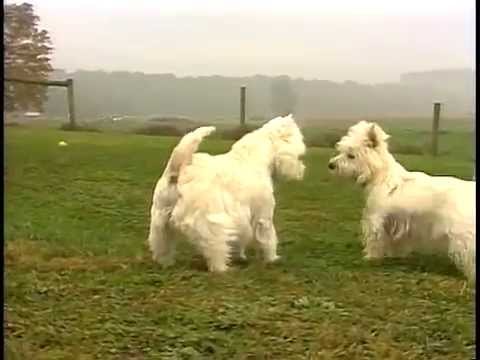 West Highland White Terrier — Official AKC Breed VideoAmerican Kennel Club
Watch the official AKC video covering temperament, history, traits, and care.
Watch on YouTube →Product Recommendations for West Highland White Terriers
See all →Vet-reviewed picks for food, insurance, crates, brushes, treats, and toys — matched to this breed.
Compare West Highland White Terrier with Similar Breeds
See how the West Highland White Terrier stacks up against other breeds side by side.