

Whippet
Temperament
About the Whippet
The Whippet emerged from the industrial north of England during the second half of the nineteenth century, shaped by the working-class communities of counties like Lancashire and Yorkshire. Coal miners and mill workers who couldn't afford to keep Greyhounds bred down a smaller, faster dog capable of chasing rabbits in open fields and competing in informal 'rag racing' — a sport where dogs sprinted toward handlers waving rags or towels. The breed's nickname, 'the poor man's racehorse,' reflects exactly that origin. Crossings between small Greyhounds, Snap dogs (a now-extinct terrier type), and possibly Italian Greyhounds produced the lean, explosive athlete we recognize today. Some historians also point to the influence of the Lancashire Heeler in early development, though documentation is incomplete.
The American Kennel Club officially recognized the Whippet in 1888, just four years after the AKC itself was founded — a reflection of how quickly the breed established itself beyond British shores. Today, the Whippet ranks around 50th out of 205 AKC-recognized breeds in popularity, a consistent middle-tier ranking that reflects a devoted but not trend-driven ownership base. The American Whippet Club, founded in 1930, serves as the AKC parent club and maintains the breed standard, promotes responsible breeding practices, and sanctions performance events specific to the breed.
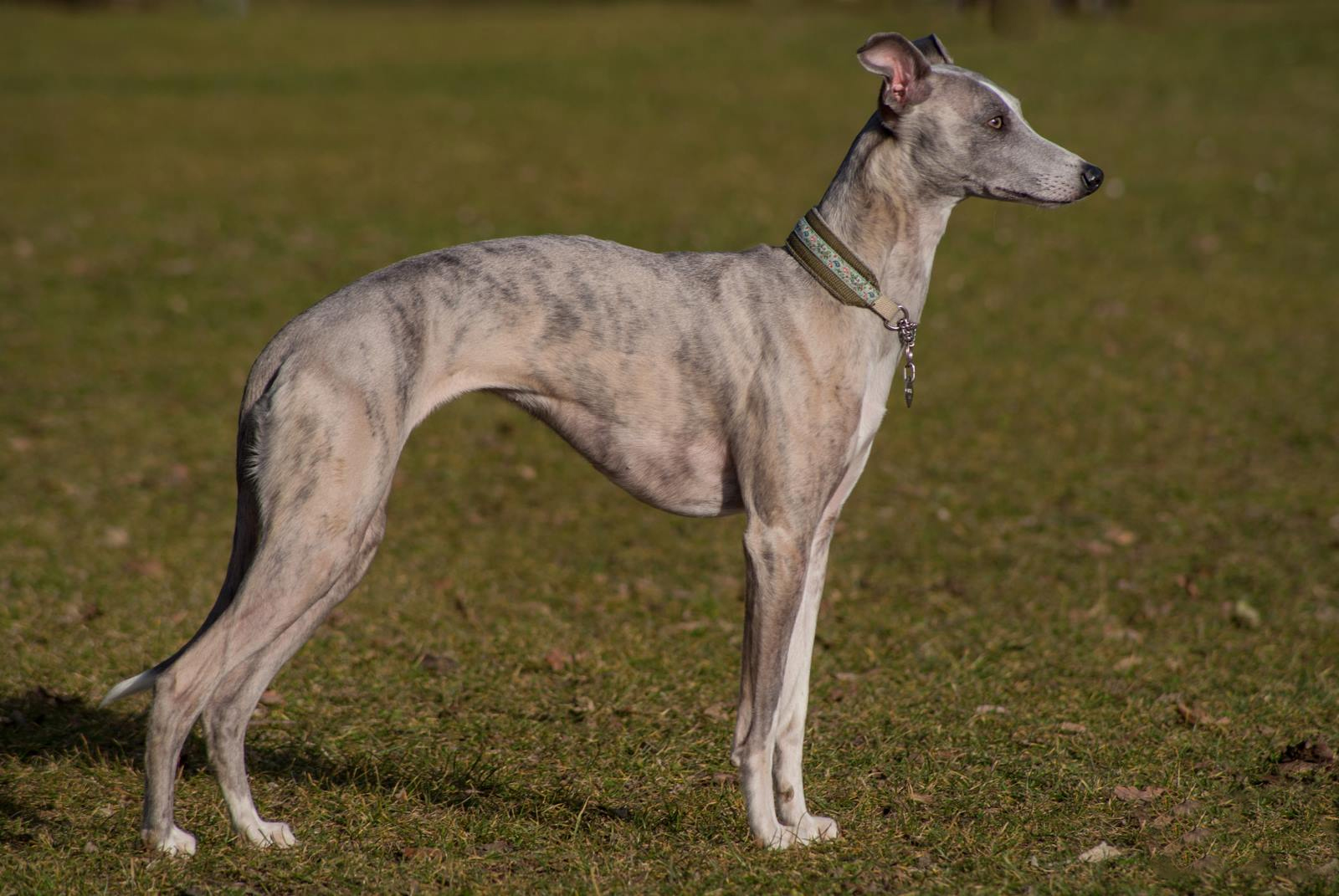
What makes the Whippet genuinely distinct from its two closest relatives is a matter of degree and function. The Greyhound, bred for open coursing of hare and deer, is a significantly larger dog — males typically weighing 65 to 70 pounds — and carries more bone mass. The Italian Greyhound, at 7 to 14 pounds, was historically a companion dog first, with coursing ability secondary. The Whippet sits deliberately between them at 25 to 40 pounds, and it occupies a functional niche neither relative fills as cleanly. It holds the record for the fastest running speed relative to body weight and size of any dog breed, and is widely considered to have the fastest idle-to-full-sprint acceleration of any dog — reaching 35 miles per hour within seconds. That explosive quality is not shared by the Greyhound, which builds to speed over a longer distance.
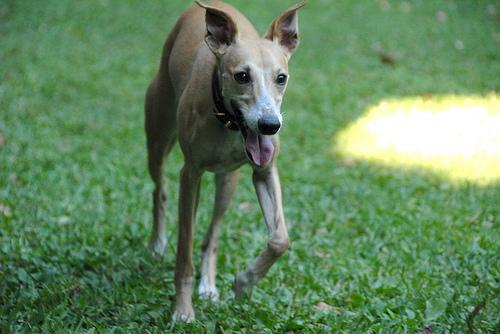
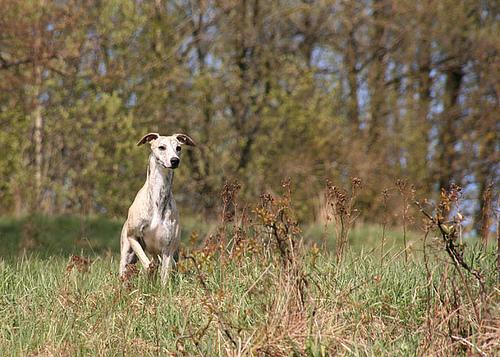
The breed's single-layer, close-lying coat comes in virtually any color or pattern — brindle, fawn, blue, black, white, parti-color, and combinations thereof — with no color preference written into the AKC standard. This coat requires almost no professional grooming but offers almost no insulation, a trade-off that defines the breed's lifestyle requirements as much as any temperament trait.
At a Glance
Quick Facts
- Breed Group:
- Hound
- Bred For:
- Coursing, racing
- Origin:
- England
- Life Span:
- 12 - 15 years
- Weight:
- 25 - 35 lbs
- Height:
- 18 - 22 in
💰 Whippet Cost Guide
Food · Vet · Grooming · Insurance · Full breakdown
Frequently Asked Questions
What is the temperament of a Whippet?
Whippets are known to be friendly, affectionate, lively, gentle, intelligent, quiet, curious, playful, independent, loyal, brave, dignified. This combination of traits makes them excellent companions for families with children. Their temperament is influenced by both genetics and proper socialization from an early age.
How much exercise does a Whippet need?
Whippets have low energy levels and require minimal daily exercise, typically 15-30 minutes of gentle activity.
How often should I groom my Whippet?
Whippets need moderate grooming including brushing 2-3 times weekly and regular maintenance.
How do I train a Whippet?
Whippets may require extra patience during training and respond best to positive, consistent methods.
Are Whippets good with children?
Whippets are excellent with children. Their natural patience, gentle nature, and resilience make them outstanding family dogs. They typically form strong bonds with children and tend to be forgiving of the occasional accidental rough handling that can occur with younger kids. Remember that proper socialization and teaching children appropriate interaction with dogs are always important, regardless of breed.
What makes the Whippet unique compared to other dog breeds?
The Whippet stands out from other breeds due to its dignified appearance and bearing, rich heritage from England, specialized abilities for coursing, racing. This unique combination of characteristics makes them special among dog breeds and appeals to owners who appreciate these distinct qualities. Understanding these traits helps provide appropriate care tailored to their specific needs.
What should I know before getting a Whippet?
Before bringing a Whippet into your home, potential owners should consider: They have relatively low exercise needs (2/5), making them suitable for less active households. They typically excel in family environments with children (5/5 child-friendliness). They can be challenging to train (2/5) and are better suited for experienced dog owners. They may be prone to breed-specific health issues including Heart Disease (Dilated Cardiomyopathy), Eye Conditions, Anesthesia Sensitivity, Hypothyroidism, Progressive Retinal Atrophy. Additionally, researching reputable breeders or rescue organizations is essential for finding a healthy, well-socialized Whippet. Understanding these factors will help ensure a good match between the breed and your lifestyle, leading to a happy relationship for both you and your dog.
What were Whippets originally bred for?
Whippets were originally bred for coursing, racing. As part of the Hound group, they share characteristics with other breeds developed for similar purposes. Understanding your Whippet's breeding heritage helps explain many of their natural behaviors and instincts, which can be channeled appropriately through training and enrichment activities. Even though modern Whippets are primarily companions, these inherent traits remain part of their genetic makeup.
How long do Whippets typically live?
The average lifespan of a Whippet is 12 - 15 years. With proper care including quality nutrition, regular veterinary check-ups, appropriate exercise, and preventative healthcare, some Whippets may live beyond this range. Genetics, environment, and healthcare all play important roles in determining longevity.
Can Whippets be left alone during the day?
Whippets can handle moderate alone time better than many high-energy breeds, but they are deeply social dogs that form strong attachments to their people. Most adult Whippets manage four to six hours alone reasonably well once settled into a household routine. Beyond that, anxiety-related behaviors — pacing, destructive chewing, or vocalization — can develop, particularly in dogs that haven't been gradually conditioned to alone time. Crate training helps many Whippets feel secure when left, though the crate should be introduced slowly and positively rather than used as immediate containment. Households where the dog is alone for eight or more hours daily are not ideal for this breed without supplemental dog walking or daycare.
Are Whippets good with cats?
The honest answer is: it depends on the individual dog and the introduction. Whippets have a genuine sighthound prey drive that activates in response to fast-moving small animals. A cat that runs will almost always trigger a chase response, and a Whippet in full sprint can injure or kill a cat before the owner can intervene. That said, many Whippets live successfully with cats — typically those raised with cats from puppyhood, or adult dogs with low prey drive that have been assessed in rescue settings. The key variable is not breed-wide temperament but individual prey drive intensity and whether the cat holds its ground rather than fleeing. Never assume a Whippet is safe with a cat based on calm indoor behavior alone — always manage initial interactions carefully and never leave them unsupervised until a sustained track record is established.
How much exercise does a Whippet actually need?
Whippets are sprinters, not endurance athletes, and that distinction matters when planning their exercise. A Whippet does not need two hours of daily jogging — it needs the opportunity to run at full speed in a safely enclosed space several times per week, combined with moderate leash walks on the days between. A securely fenced yard where the dog can self-exercise in short explosive bursts, or access to a lure coursing field or dog park with reliable fencing, covers most of their physical needs. Forty-five minutes to an hour of total daily activity — combining a sprint session with leash walks — is typically sufficient for an adult. Puppies should not be pushed into sustained exercise before twelve months due to developing joints. After a good run, Whippets are genuinely content to spend the rest of the day on the couch.
Do Whippets bark a lot?
Whippets are considered a quiet breed by most owners and breed experts, and this reputation is generally accurate. They are not territorial barkers, do not alarm-bark at every passing noise, and are rarely described as nuisance dogs in apartment or urban settings. That said, individual variation exists — some Whippets are more vocal than others, and dogs experiencing separation anxiety may whine or bark when left alone. As a sighthound, the Whippet responds to visual stimuli rather than sound, so the triggers that set off a vocal response in herding or working breeds simply don't register the same way. For owners in apartments or close-quarters housing, the Whippet's quiet nature is one of its most practical traits.
Additional Characteristics
Care Requirements
They have a low to moderate energy level and need regular but not extensive exercise.
They need moderate grooming, including regular brushing and occasional professional care.
May require extra patience — better suited for experienced owners
They are excellent with children and often form strong bonds with them.
Whippet
Complete Breed Guide
About the Whippet
The Whippet is a breed that originated in England, initially developed for hunting small game and later for racing due to their speed and agility. Weighing between 25 to 35 pounds and standing 18 to 22 inches tall, they possess a sleek, muscular build with a short coat. Known for their friendly and affectionate temperament, Whippets are intelligent and playful, making them excellent companions, while their quiet nature allows them to adapt well to various living environments.
Whippets are known for being friendly, affectionate, lively, gentle, intelligent, and quiet, curious, playful. As a low-key and calm breed, they are independent-minded and requiring patient, consistent training and thrive with regular mental and physical activity. They are excellent with children of all ages and friendly with other dogs, making them a popular choice for families and experienced dog owners alike.
Caring for a Whippet means committing to moderate grooming every week or two, regular daily walks, and positive-reinforcement training. Their gentle, social nature makes them a wonderful addition to active families.
At a Glance
Quick Facts
- Breed Group:
- Hound
- Bred For:
- Coursing, racing
- Origin:
- England
- Life Span:
- 12 - 15 years
- Weight:
- 25 - 35 lbs
- Height:
- 18 - 22 in
Temperament
Free Whippet Health Guide
Whippets can be prone to Heart Disease (Dilated Cardiomyopathy) and other conditions. Get our owner's health checklist and monthly vet tips — free.
- ✓Whippet-specific health warning signs
- ✓Vet visit checklist & cost tracker
- ✓Monthly breed health newsletter
Finding similar breeds...
How We Find Similar Breeds
We analyze breed characteristics including temperament, size, appearance, and care needs to identify the most similar dog breeds. This helps you discover alternatives that might be a good match for your lifestyle and preferences.
Adopt a Whippet
Filter to show only purebred Whippets (excludes mixed breeds and crosses)
Find Dogs Near You
Enter your location to discover adoptable pets nearby
How to Adopt a Whippet
Follow these steps to ensure a smooth and responsible adoption process. Remember that adopting a dog is a lifelong commitment.
Research the Breed
Learn everything you can about Whippets, including their temperament, exercise needs, grooming requirements, and potential health issues.
Find Reputable Sources
Look for adoptable dogs through shelters, rescue organizations, or responsible breeders. Avoid puppy mills and online scams.
Apply for Adoption
Complete an adoption application with your chosen organization. Be prepared to provide references and possibly go through a home visit.
Meet Your Potential Pet
Schedule a meeting with the dog to assess compatibility with you, your family, and any existing pets.
Prepare Your Home
Gather necessary supplies and dog-proof your home before bringing your new pet home.
1Essential Supplies
Food and water bowls, high-quality dog food, collar with ID tag, leash, bed, crate, toys, treats, grooming supplies, and cleaning products for accidents.
2Create a Safe Space
Designate an area where your dog can retreat when feeling overwhelmed. This could be a crate with comfortable bedding or a quiet corner with their bed.
3Remove Hazards
Secure or remove toxic plants, chemicals, small objects that could be swallowed, and foods that are harmful to dogs. Use baby gates if needed to restrict access to certain areas.
4Find a Veterinarian
Research and choose a veterinarian before bringing your dog home, and schedule an initial check-up shortly after adoption.
What is the dog's background and history?
Understanding a dog's past can help you anticipate potential behavior issues and provide appropriate support.
Has the dog been spayed/neutered and vaccinated?
This information is important for planning future veterinary care and understanding any immediate medical needs.
What is the dog's energy level and exercise needs?
Whippets typically need regular exercise to stay healthy and happy. Ask about specific exercise requirements.
Has the dog been socialized with other animals and people?
This helps you understand how the dog might interact with your family, friends, and other pets.
Are there any known behavioral or health issues?
Knowing about existing issues helps you prepare for any special care or training needs.
Special Considerations for Whippets
- Whippets may have specific health concerns that require regular monitoring.
- Consider how the typical Whippet temperament aligns with your lifestyle.
- Research the grooming needs of Whippets to ensure you can commit to the required maintenance.
- Understand the exercise requirements of Whippets to keep them healthy and prevent behavior problems.
- Learn about proper training methods that work well with Whippets.
 Whippet — Official AKC Breed VideoAmerican Kennel Club
Watch the official AKC video covering temperament, history, traits, and care.
Watch on YouTube →Product Recommendations for Whippets
See all →Vet-reviewed picks for food, insurance, crates, brushes, treats, and toys — matched to this breed.
Compare Whippet with Similar Breeds
See how the Whippet stacks up against other breeds side by side.