
White Shepherd
Temperament
About the White Shepherd
The White Shepherd's origin story is inseparable from a moment of bureaucratic rejection. White-coated German Shepherds had appeared in the breed's earliest documented history — a white dog named Greif appears in the pedigree records of Horand von Grafrath, the dog widely considered the foundation sire of the German Shepherd breed, as far back as 1882. For decades, white-coated dogs were simply part of the broader German Shepherd population. That changed in 1933, when the Verein für Deutsche Schäferhunde, the German breed club, amended its breed standard to disqualify white-coated dogs from registration, operating under the belief that the white gene diluted pigmentation and weakened the breed overall. That belief has since been disproven — white coat color in this breed is caused by a masking gene, not a dilution gene — but the damage to white German Shepherds in their country of origin was done.
In the United States and Canada, however, white-coated German Shepherds had developed a dedicated following, and breeders there refused to abandon them. A pivotal figure in this preservation effort was Agatha Burch, an American breeder who championed the white-coated variety and helped lay the groundwork for what would become a distinct American breed identity. In 1969, the White German Shepherd Dog Club of America was formally established, representing the first organized effort to recognize these dogs as a separate and intentionally developed variety. By 1995, the United Kennel Club had granted the White Shepherd full breed recognition under its own name, cementing its status as distinct from the German Shepherd Dog.
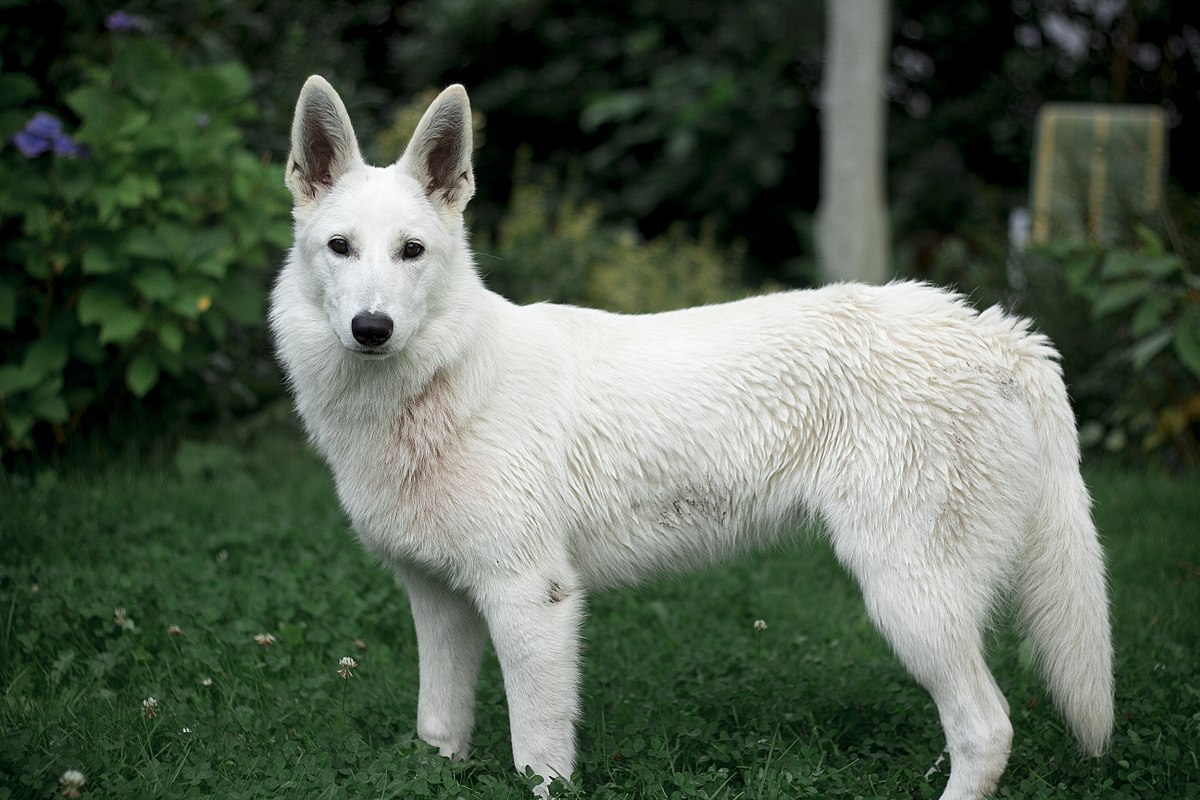
The American Kennel Club has not recognized the White Shepherd as a separate breed, and white-coated dogs registered as German Shepherds with the AKC are still subject to disqualification under the GSD breed standard. This creates an ongoing identity question for white-coated dogs in the United States: a dog that looks nearly identical to a German Shepherd occupies a separate breed category depending entirely on which registry you consult. The UKC breed standard specifies an ideal height of 25 inches for males and 23 inches for females, with weight ranging from 60 to 85 pounds depending on sex, and a straight, dense, weather-resistant double coat that should be pure white, though light cream is acceptable.
What genuinely separates the White Shepherd from the German Shepherd today is not coat color alone, but decades of selective breeding that emphasized a slightly calmer temperament and a stronger family orientation, without sacrificing working capability or intelligence. The breed has also traveled internationally — it played a direct role in the development of the Berger Blanc Suisse, recognized separately in Switzerland and by the FCI, which traces its foundation stock largely to American and Canadian White Shepherds imported to Europe in the 1970s and 1980s.
At a Glance
Quick Facts
- Breed Group:
- Herding
- Origin:
- United States
- Life Span:
- 12 - 14 years
- Weight:
- 60 - 85 lbs
- Height:
- 22 - 25 in
💰 White Shepherd Cost Guide
Food · Vet · Grooming · Insurance · Full breakdown
Frequently Asked Questions
What is the temperament of a White Shepherd?
White Shepherds are known to be aloof, fearless, alert, companionable, eager. This combination of traits makes them excellent watchdogs and devoted family protectors. Their temperament is influenced by both genetics and proper socialization from an early age.
How much exercise does a White Shepherd need?
White Shepherds are high-energy dogs requiring 60+ minutes of vigorous daily exercise and mental stimulation.
How often should I groom my White Shepherd?
White Shepherds require intensive grooming with daily brushing and regular professional grooming sessions.
How do I train a White Shepherd?
White Shepherds are highly trainable and typically respond well to positive reinforcement methods.
Are White Shepherds good with children?
White Shepherds are moderately good with children. They can adapt well to family life when properly socialized with children. Teaching children to respect the dog's boundaries and supervising interactions will help ensure a positive relationship. Remember that proper socialization and teaching children appropriate interaction with dogs are always important, regardless of breed.
What makes the White Shepherd unique compared to other dog breeds?
The White Shepherd stands out from other breeds due to its rich heritage from United States. This unique combination of characteristics makes them special among dog breeds and appeals to owners who appreciate these distinct qualities. Understanding these traits helps provide appropriate care tailored to their specific needs.
What should I know before getting a White Shepherd?
Before bringing a White Shepherd into your home, potential owners should consider: They have high exercise requirements (4/5) and need an active owner. Their coat requires significant maintenance (5/5) with regular grooming sessions. They're typically highly trainable (5/5) and eager to learn. Their large size requires adequate living space. They may be prone to breed-specific health issues including Hip Dysplasia, Degenerative Myelopathy, Elbow Dysplasia, Bloat (GDV), Skin Sensitivities. Additionally, researching reputable breeders or rescue organizations is essential for finding a healthy, well-socialized White Shepherd. Understanding these factors will help ensure a good match between the breed and your lifestyle, leading to a happy relationship for both you and your dog.
What were White Shepherds originally bred for?
As part of the Herding group, they share characteristics with other breeds developed for similar purposes. Understanding your White Shepherd's breeding heritage helps explain many of their natural behaviors and instincts, which can be channeled appropriately through training and enrichment activities. Even though modern White Shepherds are primarily companions, these inherent traits remain part of their genetic makeup.
How long do White Shepherds typically live?
The average lifespan of a White Shepherd is 12 - 14 years. With proper care including quality nutrition, regular veterinary check-ups, appropriate exercise, and preventative healthcare, some White Shepherds may live beyond this range. Genetics, environment, and healthcare all play important roles in determining longevity.
Is a White Shepherd the same as a white German Shepherd?
They share common ancestry and are visually nearly identical, but they are not the same breed under most registries. The White Shepherd is recognized as a distinct breed by the United Kennel Club, developed through intentional breeding programs in the United States and Canada after Germany banned white-coated dogs from German Shepherd registration in 1933. A white German Shepherd registered with the AKC is still classified as a German Shepherd — and is actually disqualified from AKC conformation showing — while a dog registered with the UKC as a White Shepherd is a separate breed entirely. Decades of selective breeding have also produced subtle temperament differences, with the White Shepherd generally regarded as somewhat more sensitive and family-oriented than the standard German Shepherd.
Do White Shepherds have more health problems than German Shepherds?
White Shepherds share most of the same genetic health vulnerabilities as German Shepherds, including hip dysplasia, elbow dysplasia, and degenerative myelopathy, because they come from the same original gene pool. One area where White Shepherds do appear to have a higher incidence than their darker-coated relatives is skin sensitivities and allergies, which may be related to the genetic mechanisms behind the white coat. The white coat also makes it easier to miss skin issues developing under the fur if owners aren't doing regular skin checks. Overall, the health profile is similar, not worse — but the breed's smaller population means the gene pool is narrower, which makes health testing by breeders even more critical to long-term breed health.
Are White Shepherds good family dogs?
White Shepherds can be excellent family dogs in the right household, but they are not a low-maintenance choice. They form strong bonds with their immediate family, are generally good with children they've been raised alongside, and have a companionable, loyal nature. The caveat is that they are naturally aloof with strangers and require extensive early socialization to prevent that aloofness from hardening into reactivity or fearfulness. They also need significant daily exercise and mental stimulation — a bored White Shepherd in a family home will become a destructive or anxious one. Families that are active, consistent with training, and willing to invest time in socialization will find this breed deeply rewarding. Families looking for a low-key, adaptable companion may find the breed's needs more demanding than expected.
How much exercise does a White Shepherd need daily?
A healthy adult White Shepherd needs a minimum of 60 to 90 minutes of vigorous exercise per day, and that baseline assumes the dog is also receiving adequate mental stimulation through training, puzzle work, or structured play. This is a working breed with a herding heritage, and its energy levels reflect that background. Off-leash running in a securely fenced area, long hikes, structured play sessions, and participation in dog sports like agility, herding trials, or nosework all serve this breed well. Exercise needs are highest between one and four years of age, when the dog is at peak energy and has not yet matured into the calmer adult temperament. Senior White Shepherds, particularly those managing hip or elbow issues, will need adjusted activity levels and benefit from low-impact options like swimming.
Additional Characteristics
Care Requirements
They are high-energy dogs that need significant daily exercise and mental stimulation.
They have very high maintenance coats requiring daily brushing and regular professional grooming.
Highly trainable — quick to learn and eager to please
They are moderately good with children, especially when properly socialized.
White Shepherd
Complete Breed Guide
About the White Shepherd
The White Shepherd is a breed that originated from the German Shepherd, developed in North America in the late 20th century to emphasize a white coat and a more gentle temperament. These dogs typically weigh between 60 to 85 pounds and stand 22 to 25 inches tall, characterized by their striking white fur and well-proportioned build. Known for their self-confidence and alertness, White Shepherds are often used as family companions and working dogs, excelling in roles that require intelligence and loyalty. Their lifespan ranges from 12 to 14 years.
White Shepherds are known for being aloof, fearless, alert, companionable, eager. As a high-energy breed, they are highly responsive to training and thrive with regular mental and physical activity. They are generally good with children and selective around other dogs, making them a popular choice for families and experienced dog owners alike.
Caring for a White Shepherd means committing to regular grooming (brushing several times a week), vigorous daily exercise, and consistent training from an early age. With the right environment and socialization, they make loyal and loving companions.
At a Glance
Quick Facts
- Breed Group:
- Herding
- Origin:
- United States
- Life Span:
- 12 - 14 years
- Weight:
- 60 - 85 lbs
- Height:
- 22 - 25 in
Temperament
Free White Shepherd Health Guide
White Shepherds can be prone to Hip Dysplasia and other conditions. Get our owner's health checklist and monthly vet tips — free.
- ✓White Shepherd-specific health warning signs
- ✓Vet visit checklist & cost tracker
- ✓Monthly breed health newsletter
Finding similar breeds...
How We Find Similar Breeds
We analyze breed characteristics including temperament, size, appearance, and care needs to identify the most similar dog breeds. This helps you discover alternatives that might be a good match for your lifestyle and preferences.
Explore Related Breeds & Guides
Adopt a White Shepherd
Filter to show only purebred White Shepherds (excludes mixed breeds and crosses)
Find Dogs Near You
Enter your location to discover adoptable pets nearby
How to Adopt a White Shepherd
Follow these steps to ensure a smooth and responsible adoption process. Remember that adopting a dog is a lifelong commitment.
Research the Breed
Learn everything you can about White Shepherds, including their temperament, exercise needs, grooming requirements, and potential health issues.
Find Reputable Sources
Look for adoptable dogs through shelters, rescue organizations, or responsible breeders. Avoid puppy mills and online scams.
Apply for Adoption
Complete an adoption application with your chosen organization. Be prepared to provide references and possibly go through a home visit.
Meet Your Potential Pet
Schedule a meeting with the dog to assess compatibility with you, your family, and any existing pets.
Prepare Your Home
Gather necessary supplies and dog-proof your home before bringing your new pet home.
1Essential Supplies
Food and water bowls, high-quality dog food, collar with ID tag, leash, bed, crate, toys, treats, grooming supplies, and cleaning products for accidents.
2Create a Safe Space
Designate an area where your dog can retreat when feeling overwhelmed. This could be a crate with comfortable bedding or a quiet corner with their bed.
3Remove Hazards
Secure or remove toxic plants, chemicals, small objects that could be swallowed, and foods that are harmful to dogs. Use baby gates if needed to restrict access to certain areas.
4Find a Veterinarian
Research and choose a veterinarian before bringing your dog home, and schedule an initial check-up shortly after adoption.
What is the dog's background and history?
Understanding a dog's past can help you anticipate potential behavior issues and provide appropriate support.
Has the dog been spayed/neutered and vaccinated?
This information is important for planning future veterinary care and understanding any immediate medical needs.
What is the dog's energy level and exercise needs?
White Shepherds typically need regular exercise to stay healthy and happy. Ask about specific exercise requirements.
Has the dog been socialized with other animals and people?
This helps you understand how the dog might interact with your family, friends, and other pets.
Are there any known behavioral or health issues?
Knowing about existing issues helps you prepare for any special care or training needs.
Special Considerations for White Shepherds
- White Shepherds may have specific health concerns that require regular monitoring.
- Consider how the typical White Shepherd temperament aligns with your lifestyle.
- Research the grooming needs of White Shepherds to ensure you can commit to the required maintenance.
- Understand the exercise requirements of White Shepherds to keep them healthy and prevent behavior problems.
- Learn about proper training methods that work well with White Shepherds.
Product Recommendations for White Shepherds
See all →Vet-reviewed picks for food, insurance, crates, brushes, treats, and toys — matched to this breed.
Compare White Shepherd with Similar Breeds
See how the White Shepherd stacks up against other breeds side by side.