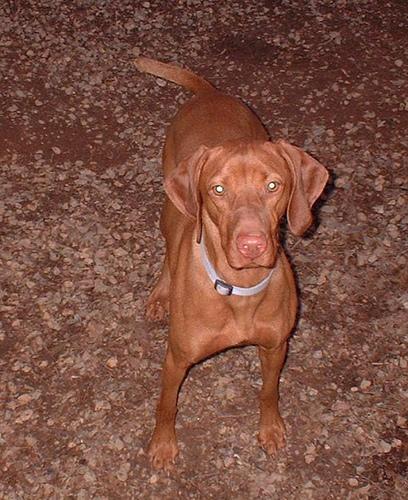
Wirehaired Vizsla
Temperament
About the Wirehaired Vizsla
The Wirehaired Vizsla is a relatively young breed with a deliberate origin story. In the 1930s, Hungarian hunters and falconers set out to create a dog that could do everything the beloved smooth-coated Vizsla could do — but with more physical resilience for cold water, dense cover, and harsh winter conditions. To achieve this, they crossed the smooth Vizsla with the German Wirehaired Pointer, and through careful selective breeding, produced a dog that retained the Vizsla's characteristic golden-rust coloring and close human bond while gaining a dense, wiry double coat that offered genuine protection in the field. Vasas Jozsef and Gresznarik Laszlo are credited as the primary architects of the breed, working in Hungary during a period when the smooth Vizsla itself was struggling to survive post-World War I population losses.
The breed was recognized in Hungary and by the Fédération Cynologique Internationale (FCI) well before it gained traction in North America. The Wirehaired Vizsla Club of America (WVCA) was founded in 1986 and worked for decades to promote the breed and establish it within the American Kennel Club's framework. The AKC granted the Wirehaired Vizsla full recognition in 2014, placing it in the Sporting Group — making it one of the more recently recognized breeds in the registry. As of current AKC rankings, the breed sits around 159th in popularity out of 205 recognized breeds, reflecting its still-niche status in the United States.
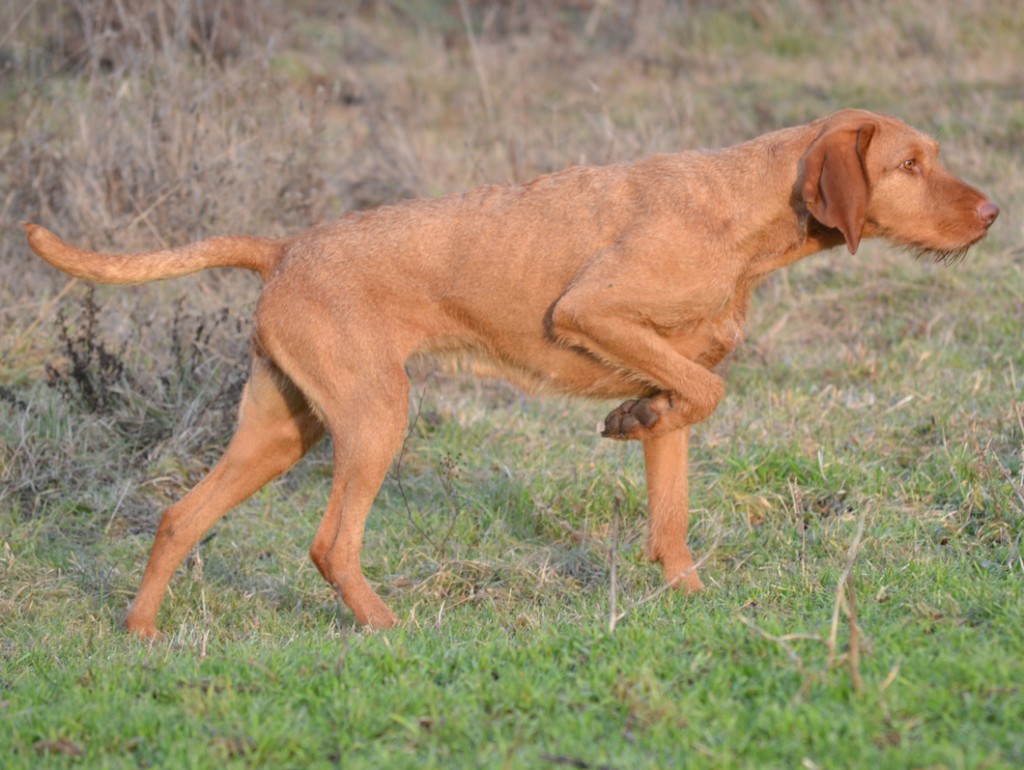
What separates the Wirehaired Vizsla from its smooth cousin isn't purely cosmetic. The wiry, close-lying coat — described in the breed standard as dense and harsh to the touch — comes with a thick undercoat that provides genuine insulation in cold water and wet weather. The smooth Vizsla, by contrast, has virtually no undercoat and can struggle in prolonged cold exposure. Beyond coat, the Wirehaired Vizsla tends to be slightly heavier in bone and build, males typically running 55–65 pounds and females 45–55 pounds, compared to the somewhat lighter smooth. The breed also carries prominent facial furnishings — a beard and eyebrows that are functional remnants of its German Wirehaired Pointer ancestry.
Despite sharing the same golden-rust coloring and the hallmark Vizsla trait of being nearly inseparable from their people, these are two distinct breeds with separate registries, breed standards, and gene pools. A Wirehaired Vizsla should never be bred to a smooth Vizsla in a recognized breeding program. Hunters and pointing breed enthusiasts who work the dog in varied terrain and weather have long appreciated that the wire coat earns its keep in ways that go beyond appearance.
At a Glance
Quick Facts
- Breed Group:
- Sporting
- Origin:
- Hungary
- Life Span:
- 12 - 14 years
- Weight:
- 45 - 65 lbs
- Height:
- 21.5 - 25 in
💰 Wirehaired Vizsla Cost Guide
Food · Vet · Grooming · Insurance · Full breakdown
Frequently Asked Questions
What is the temperament of a Wirehaired Vizsla?
Wirehaired Vizslas are known to be friendly, adaptable, gentle, energetic, loyal, lively. This combination of traits makes them wonderful companions for most households. Their temperament is influenced by both genetics and proper socialization from an early age.
How much exercise does a Wirehaired Vizsla need?
Wirehaired Vizslas are high-energy dogs requiring 60+ minutes of vigorous daily exercise and mental stimulation.
How often should I groom my Wirehaired Vizsla?
Wirehaired Vizslas need moderate grooming including brushing 2-3 times weekly and regular maintenance.
How do I train a Wirehaired Vizsla?
Wirehaired Vizslas are highly trainable and typically respond well to positive reinforcement methods.
Are Wirehaired Vizslas good with children?
Wirehaired Vizslas are moderately good with children. They can adapt well to family life when properly socialized with children. Teaching children to respect the dog's boundaries and supervising interactions will help ensure a positive relationship. Remember that proper socialization and teaching children appropriate interaction with dogs are always important, regardless of breed.
What makes the Wirehaired Vizsla unique compared to other dog breeds?
The Wirehaired Vizsla stands out from other breeds due to its rich heritage from Hungary. This unique combination of characteristics makes them special among dog breeds and appeals to owners who appreciate these distinct qualities. Understanding these traits helps provide appropriate care tailored to their specific needs.
What should I know before getting a Wirehaired Vizsla?
Before bringing a Wirehaired Vizsla into your home, potential owners should consider: They have high exercise requirements (5/5) and need an active owner. They're typically highly trainable (4/5) and eager to learn. They may be prone to breed-specific health issues including Hip Dysplasia, Epilepsy, Hypothyroidism, Progressive Retinal Atrophy, Sebaceous Adenitis. Additionally, researching reputable breeders or rescue organizations is essential for finding a healthy, well-socialized Wirehaired Vizsla. Understanding these factors will help ensure a good match between the breed and your lifestyle, leading to a happy relationship for both you and your dog.
What were Wirehaired Vizslas originally bred for?
As part of the Sporting group, they share characteristics with other breeds developed for similar purposes. Understanding your Wirehaired Vizsla's breeding heritage helps explain many of their natural behaviors and instincts, which can be channeled appropriately through training and enrichment activities. Even though modern Wirehaired Vizslas are primarily companions, these inherent traits remain part of their genetic makeup.
How long do Wirehaired Vizslas typically live?
The average lifespan of a Wirehaired Vizsla is 12 - 14 years. With proper care including quality nutrition, regular veterinary check-ups, appropriate exercise, and preventative healthcare, some Wirehaired Vizslas may live beyond this range. Genetics, environment, and healthcare all play important roles in determining longevity.
What is the difference between a Wirehaired Vizsla and a regular Vizsla?
The Wirehaired Vizsla and the smooth Vizsla are two distinct breeds, not simply coat variations of the same dog. The Wirehaired Vizsla was developed in Hungary in the 1930s by crossing smooth Vizslas with German Wirehaired Pointers to produce a more weather-resistant hunting dog. Beyond the obvious dense, wiry coat and facial furnishings like a beard and eyebrows, the Wirehaired Vizsla tends to be slightly heavier in build and has a thicker undercoat that provides real insulation in cold water and winter field conditions — something the smooth Vizsla, which has virtually no undercoat, cannot offer. They share the same golden-rust coloring and the breed's signature trait of intense human bonding, but they have separate breed standards, separate registries, and should not be interbred in recognized programs.
Are Wirehaired Vizslas good family dogs?
Wirehaired Vizslas can be excellent family dogs, but they are not a low-maintenance choice. They are deeply people-oriented and thrive when included in daily family life, but their high energy level and need for consistent exercise means they are best suited to active households. With children, they are generally gentle and affectionate, though their exuberance as young dogs — particularly before two years of age — can overwhelm small children. Early socialization helps them coexist well with other dogs and household pets. The breed does not do well when left alone for long stretches, and families with full-time away-from-home schedules without dog care arrangements will likely find an unhappy, destructive dog waiting for them. They are most successful in homes where someone is physically active and the dog can be part of that activity.
How much exercise does a Wirehaired Vizsla need every day?
The Wirehaired Vizsla needs significantly more exercise than most people anticipate. At minimum, a healthy adult Wirehaired Vizsla requires one to two hours of vigorous physical activity daily — not a leisurely walk around the block, but running, swimming, fetch, or off-leash time in a safely enclosed area. As a hunt, point, retrieve breed built for full days in the field, this dog has genuine working stamina. Dogs that don't receive adequate exercise will redirect that energy into unwanted behaviors: destructive chewing, excessive vocalization, and anxiety. Many owners find that activities like hunting, agility, dock diving, or tracking provide the combination of physical and mental exercise that truly satisfies this breed. Exercise needs are highest between six months and three years of age, after which most dogs settle somewhat, though they remain an active breed throughout their lives.
Do Wirehaired Vizslas have a lot of health problems?
The Wirehaired Vizsla is not an exceptionally unhealthy breed, but it does carry several heritable conditions that owners should understand before committing. Epilepsy appears in the breed with enough frequency to warrant careful pedigree research — ask any breeder directly about seizure history across multiple generations. Hip dysplasia is a structural concern common across sporting breeds, and OFA certification of both parents is non-negotiable when choosing a breeder. Sebaceous adenitis, a skin disease that destroys oil-producing glands and leads to hair loss and scaling, is relatively breed-specific and can be tricky to diagnose. Progressive retinal atrophy and hypothyroidism round out the primary genetic concerns. Dogs from breeders who participate in the CHIC program and perform all recommended health screenings are meaningfully less likely to develop these conditions than dogs from untested stock.
Additional Characteristics
Care Requirements
They are extremely energetic dogs requiring extensive daily exercise, activities, and mental stimulation.
They need moderate grooming, including regular brushing and occasional professional care.
Highly trainable — quick to learn and eager to please
They are moderately good with children, especially when properly socialized.
Wirehaired Vizsla
Complete Breed Guide
About the Wirehaired Vizsla
The Wirehaired Vizsla is a versatile hunting dog that originated in Hungary, developed from the Vizsla to enhance its ability to work in diverse terrains. This breed typically weighs between 45 to 65 pounds and stands 21.5 to 25 inches tall, featuring a distinctive wiry coat that provides protection against harsh weather. Known for their friendly and adaptable temperament, Wirehaired Vizslas excel in various roles, including as family companions and skilled hunting partners, with a lifespan of 12 to 14 years.
Wirehaired Vizslas are known for being friendly, adaptable, gentle, energetic, loyal, and lively. As a high-energy breed, they are highly responsive to training and thrive with regular mental and physical activity. They are generally good with children and friendly with other dogs, making them a popular choice for families and experienced dog owners alike.
Caring for a Wirehaired Vizsla means committing to moderate grooming every week or two, intense daily exercise, and firm, consistent training. With the right environment and socialization, they make loyal and loving companions.
At a Glance
Quick Facts
- Breed Group:
- Sporting
- Origin:
- Hungary
- Life Span:
- 12 - 14 years
- Weight:
- 45 - 65 lbs
- Height:
- 21.5 - 25 in
Temperament
Free Wirehaired Vizsla Health Guide
Wirehaired Vizslas can be prone to Hip Dysplasia and other conditions. Get our owner's health checklist and monthly vet tips — free.
- ✓Wirehaired Vizsla-specific health warning signs
- ✓Vet visit checklist & cost tracker
- ✓Monthly breed health newsletter
Finding similar breeds...
How We Find Similar Breeds
We analyze breed characteristics including temperament, size, appearance, and care needs to identify the most similar dog breeds. This helps you discover alternatives that might be a good match for your lifestyle and preferences.
Explore Related Breeds & Guides
Adopt a Wirehaired Vizsla
Filter to show only purebred Wirehaired Vizslas (excludes mixed breeds and crosses)
Find Dogs Near You
Enter your location to discover adoptable pets nearby
How to Adopt a Wirehaired Vizsla
Follow these steps to ensure a smooth and responsible adoption process. Remember that adopting a dog is a lifelong commitment.
Research the Breed
Learn everything you can about Wirehaired Vizslas, including their temperament, exercise needs, grooming requirements, and potential health issues.
Find Reputable Sources
Look for adoptable dogs through shelters, rescue organizations, or responsible breeders. Avoid puppy mills and online scams.
Apply for Adoption
Complete an adoption application with your chosen organization. Be prepared to provide references and possibly go through a home visit.
Meet Your Potential Pet
Schedule a meeting with the dog to assess compatibility with you, your family, and any existing pets.
Prepare Your Home
Gather necessary supplies and dog-proof your home before bringing your new pet home.
1Essential Supplies
Food and water bowls, high-quality dog food, collar with ID tag, leash, bed, crate, toys, treats, grooming supplies, and cleaning products for accidents.
2Create a Safe Space
Designate an area where your dog can retreat when feeling overwhelmed. This could be a crate with comfortable bedding or a quiet corner with their bed.
3Remove Hazards
Secure or remove toxic plants, chemicals, small objects that could be swallowed, and foods that are harmful to dogs. Use baby gates if needed to restrict access to certain areas.
4Find a Veterinarian
Research and choose a veterinarian before bringing your dog home, and schedule an initial check-up shortly after adoption.
What is the dog's background and history?
Understanding a dog's past can help you anticipate potential behavior issues and provide appropriate support.
Has the dog been spayed/neutered and vaccinated?
This information is important for planning future veterinary care and understanding any immediate medical needs.
What is the dog's energy level and exercise needs?
Wirehaired Vizslas typically need regular exercise to stay healthy and happy. Ask about specific exercise requirements.
Has the dog been socialized with other animals and people?
This helps you understand how the dog might interact with your family, friends, and other pets.
Are there any known behavioral or health issues?
Knowing about existing issues helps you prepare for any special care or training needs.
Special Considerations for Wirehaired Vizslas
- Wirehaired Vizslas may have specific health concerns that require regular monitoring.
- Consider how the typical Wirehaired Vizsla temperament aligns with your lifestyle.
- Research the grooming needs of Wirehaired Vizslas to ensure you can commit to the required maintenance.
- Understand the exercise requirements of Wirehaired Vizslas to keep them healthy and prevent behavior problems.
- Learn about proper training methods that work well with Wirehaired Vizslas.
Product Recommendations for Wirehaired Vizslas
See all →Vet-reviewed picks for food, insurance, crates, brushes, treats, and toys — matched to this breed.
Compare Wirehaired Vizsla with Similar Breeds
See how the Wirehaired Vizsla stacks up against other breeds side by side.