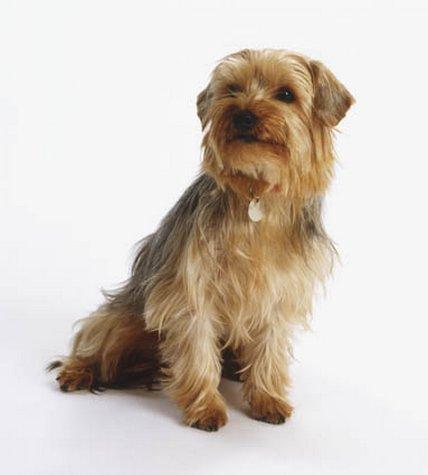
Yorkshire Terrier
Temperament
About the Yorkshire Terrier
The Yorkshire Terrier's origin story begins not in aristocratic drawing rooms but in the textile mills and coal mines of northern England. In the mid-1800s, Scottish weavers displaced by the Industrial Revolution migrated south into Yorkshire, bringing with them small, rough-coated working terriers bred to hunt rats in the tight spaces of mills and mine shafts. These dogs — likely including the now-extinct Clydesdale Terrier, the Paisley Terrier, and possibly the Skye Terrier and Maltese — were crossed over several generations to produce a finer, silkier coat and a more compact frame. By the 1860s, a recognizable type had emerged, and the breed was formally named the Yorkshire Terrier in 1874, a nod to the region where its development was completed rather than where it began.
The man most credited with refining and popularizing the breed is Huddersfield Ben, a dog born in 1865 and owned by Mary Ann Foster of Bradford. Ben was a prolific show winner and stud dog whose influence over the early breed standard was so profound that he is widely regarded as the father of the modern Yorkshire Terrier. He died in 1871 after being struck by a carriage, but not before cementing the traits — compact size, bold temperament, and the distinctive steel-blue and tan coat — that define the breed today.
The American Kennel Club recognized the Yorkshire Terrier in 1885, making it one of the earlier toy breeds to receive formal recognition in the United States. The Yorkshire Terrier Club of America, founded in 1951, remains the AKC parent club and maintains the breed standard, which specifies a maximum weight of seven pounds and accepts only the blue and tan coat coloration. The Kennel Club in the United Kingdom and the Fédération Cynologique Internationale hold the same position on coat color — so-called "parti" or "chocolate" Yorkies, while occasionally marketed as rare, fall outside the breed standard entirely.
What distinguishes the Yorkshire Terrier from closely related breeds is the combination of its working terrier heritage packed into a toy-sized frame. The Australian Silky Terrier, which was developed in part from Yorkies imported to Australia in the late 19th century, is slightly larger and has a coat that sits closer to the body. The Biewer Terrier — bred from a piebald Yorkie litter in Germany in 1984 by Werner and Gertrud Biewer — was recognized by the AKC as a separate breed in 2021. The Yorkshire Terrier consistently ranks among the top fifteen most popular breeds in the United States, sitting at number eleven in recent AKC registration data, a position it has maintained for decades.
At a Glance
Quick Facts
- Breed Group:
- Toy
- Bred For:
- Small vermin hunting
- Origin:
- England
- Life Span:
- 12 - 16 years
- Weight:
- 4 - 7 lbs
- Height:
- 8 - 9 in
💰 Yorkshire Terrier Cost Guide
Food · Vet · Grooming · Insurance · Full breakdown
Frequently Asked Questions
What is the temperament of a Yorkshire Terrier?
Yorkshire Terriers are known to be bold, independent, confident, intelligent, courageous, affectionate, curious, friendly, playful, protective, gentle. This combination of traits makes them excellent companions for families with children. Their temperament is influenced by both genetics and proper socialization from an early age.
How much exercise does a Yorkshire Terrier need?
Yorkshire Terriers are high-energy dogs requiring 60+ minutes of vigorous daily exercise and mental stimulation.
How often should I groom my Yorkshire Terrier?
Yorkshire Terriers require intensive grooming with daily brushing and regular professional grooming sessions.
How do I train a Yorkshire Terrier?
Yorkshire Terriers are highly trainable and typically respond well to positive reinforcement methods.
Are Yorkshire Terriers good with children?
Yorkshire Terriers are excellent with children. Their natural patience, gentle nature, and resilience make them outstanding family dogs. They typically form strong bonds with children and tend to be forgiving of the occasional accidental rough handling that can occur with younger kids. Remember that proper socialization and teaching children appropriate interaction with dogs are always important, regardless of breed.
What makes the Yorkshire Terrier unique compared to other dog breeds?
The Yorkshire Terrier stands out from other breeds due to its tiny, compact size, rich heritage from England, exceptional hunting abilities. This unique combination of characteristics makes them special among dog breeds and appeals to owners who appreciate these distinct qualities. Understanding these traits helps provide appropriate care tailored to their specific needs.
What should I know before getting a Yorkshire Terrier?
Before bringing a Yorkshire Terrier into your home, potential owners should consider: They have high exercise requirements (5/5) and need an active owner. Their coat requires significant maintenance (4/5) with regular grooming sessions. They typically excel in family environments with children (5/5 child-friendliness). They're typically highly trainable (4/5) and eager to learn. They may be prone to breed-specific health issues including Patellar Luxation, Portosystemic Shunts, Tracheal Collapse, Progressive Retinal Atrophy, Legg-Calve-Perthes Disease, Dental Disease. Additionally, researching reputable breeders or rescue organizations is essential for finding a healthy, well-socialized Yorkshire Terrier. Understanding these factors will help ensure a good match between the breed and your lifestyle, leading to a happy relationship for both you and your dog.
What were Yorkshire Terriers originally bred for?
Yorkshire Terriers were originally bred for small vermin hunting. This hunting background explains their natural prey drive, scenting abilities, and often high energy levels. As part of the Toy group, they share characteristics with other breeds developed for similar purposes. Understanding your Yorkshire Terrier's breeding heritage helps explain many of their natural behaviors and instincts, which can be channeled appropriately through training and enrichment activities. Even though modern Yorkshire Terriers are primarily companions, these inherent traits remain part of their genetic makeup.
How long do Yorkshire Terriers typically live?
The average lifespan of a Yorkshire Terrier is 12 - 16 years. With proper care including quality nutrition, regular veterinary check-ups, appropriate exercise, and preventative healthcare, some Yorkshire Terriers may live beyond this range. Genetics, environment, and healthcare all play important roles in determining longevity.
Do Yorkshire Terriers shed a lot?
Yorkshire Terriers shed very little compared to most dog breeds. Their coat is composed of fine, human-like hair rather than the double-layered fur found on breeds like German Shepherds or Golden Retrievers, which means loose hair tends to stay tangled in the coat rather than falling on furniture and floors. This makes them a popular choice for people sensitive to pet dander, though no dog breed is truly hypoallergenic. The trade-off is that the coat grows continuously and mats quickly without regular brushing and professional grooming every six to eight weeks. Owners who don't maintain a consistent grooming schedule will find that what starts as silky hair becomes a dense, matted coat requiring a full shave-down — a stressful and uncomfortable experience for the dog.
Are Yorkshire Terriers good with kids?
Yorkshire Terriers can coexist well with children, but the pairing requires careful management, particularly with younger kids. At four to seven pounds, a Yorkie can be seriously injured by a toddler who falls on them, picks them up incorrectly, or handles them too roughly — and a Yorkie that feels threatened will bite without much warning. Most breed-specific rescues are cautious about placing Yorkies in homes with children under six years old for this reason. Older children who have been taught how to interact with small dogs respectfully — no chasing, no grabbing, always sitting down to hold the dog — can develop strong bonds with a Yorkie. The breed's playful, energetic temperament makes them genuinely fun companions for kids who understand appropriate handling.
Why does my Yorkshire Terrier shake and tremble so much?
Trembling in Yorkshire Terriers has several possible causes, and distinguishing between them matters. Because Yorkies have very little body fat and a high surface-area-to-mass ratio, they lose body heat quickly and shiver when cold — this is the most common and benign explanation, and it's why many Yorkie owners use sweaters in cool weather. However, trembling can also indicate hypoglycemia, a drop in blood sugar that is particularly dangerous in puppies and very small adults. A Yorkie that trembles and also seems weak, disoriented, or unresponsive needs emergency veterinary attention immediately, as hypoglycemic episodes can escalate to seizures. Trembling associated with pain — from patellar luxation or Legg-Calvé-Perthes disease — or with anxiety are also possibilities worth discussing with a veterinarian if the behavior is persistent or accompanied by other symptoms.
How long do Yorkshire Terriers live?
Yorkshire Terriers have a life expectancy of approximately 12 to 16 years, placing them among the longer-lived dog breeds. Like most toy breeds, Yorkies tend to outlive their larger counterparts, and it is not unusual for well-cared-for individuals to reach 14 or 15 years. The factors most likely to shorten a Yorkie's lifespan are the breed's known congenital conditions — particularly portosystemic shunt, which can cause liver failure if undiagnosed, and tracheal collapse, which becomes more severe over time without management. Dental disease is also a significant longevity factor that is frequently underestimated; systemic infection from untreated periodontal disease has real consequences for organ health over a 15-year lifespan. Yorkies who receive regular veterinary care, consistent dental maintenance, appropriate diet, and a harness rather than a collar to protect the trachea are the ones most likely to reach the upper end of that range.
Additional Characteristics
Care Requirements
They are extremely energetic dogs requiring extensive daily exercise, activities, and mental stimulation.
They have high grooming needs requiring frequent brushing and regular professional grooming.
Highly trainable — quick to learn and eager to please
They are excellent with children and often form strong bonds with them.
Yorkshire Terrier
Complete Breed Guide
About the Yorkshire Terrier
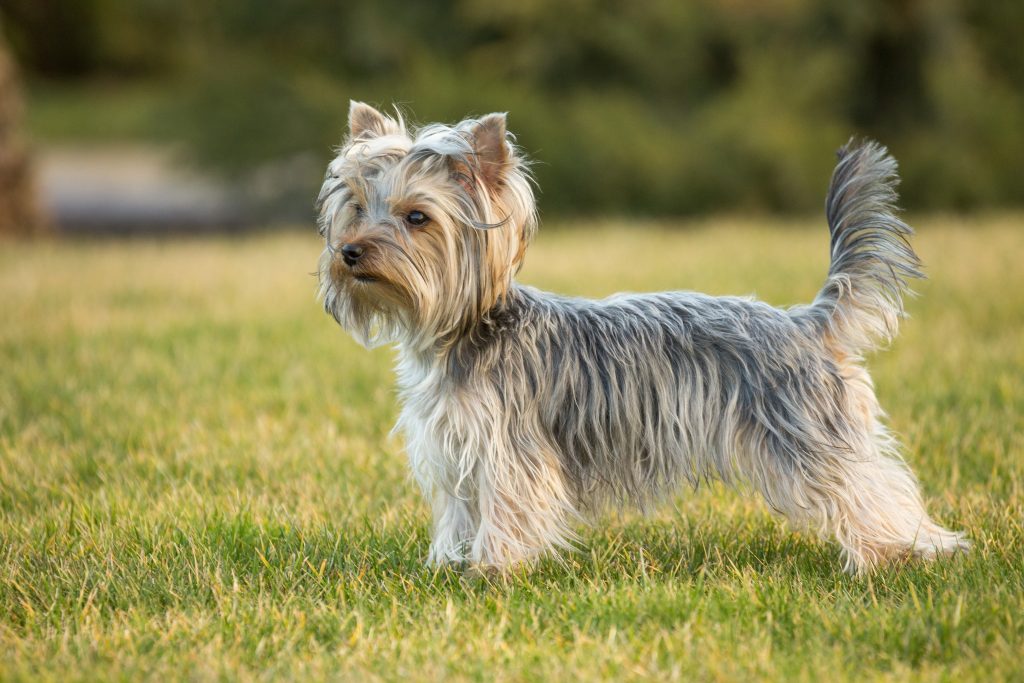
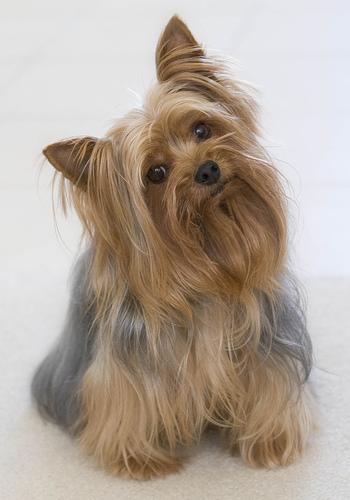
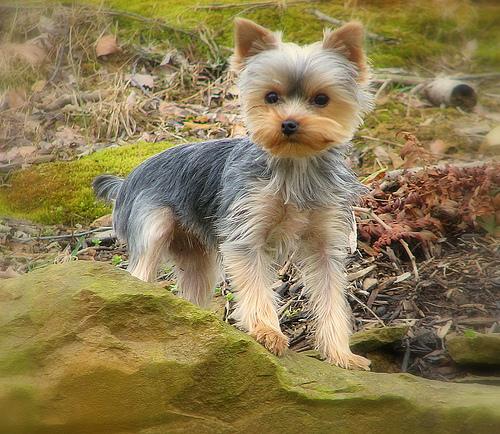
The Yorkshire Terrier, originating from England, was initially bred in the 19th century for catching rats in clothing mills and mines. This toy breed typically weighs between 4 to 7 pounds and stands 8 to 9 inches tall, characterized by its long, silky coat and a distinctive blue and tan coloration. Known for their bold and confident temperament, Yorkshire Terriers are intelligent and affectionate companions, often displaying a playful and protective nature, making them well-suited for both active households and as lap dogs.
Yorkshire Terriers are known for being bold, independent, confident, intelligent, courageous, and affectionate, curious, friendly. As a high-energy breed, they are highly responsive to training and thrive with regular mental and physical activity. They are excellent with children of all ages and friendly with other dogs, making them a popular choice for families and experienced dog owners alike.
Caring for a Yorkshire Terrier means committing to regular grooming (brushing several times a week), intense daily exercise, and firm, consistent training. Their gentle, social nature makes them a wonderful addition to active families.
At a Glance
Quick Facts
- Breed Group:
- Toy
- Bred For:
- Small vermin hunting
- Origin:
- England
- Life Span:
- 12 - 16 years
- Weight:
- 4 - 7 lbs
- Height:
- 8 - 9 in
Temperament
Free Yorkshire Terrier Health Guide
Yorkshire Terriers can be prone to Patellar Luxation and other conditions. Get our owner's health checklist and monthly vet tips — free.
- ✓Yorkshire Terrier-specific health warning signs
- ✓Vet visit checklist & cost tracker
- ✓Monthly breed health newsletter
Finding similar breeds...
How We Find Similar Breeds
We analyze breed characteristics including temperament, size, appearance, and care needs to identify the most similar dog breeds. This helps you discover alternatives that might be a good match for your lifestyle and preferences.
Explore Related Breeds & Guides
Adopt a Yorkshire Terrier
Filter to show only purebred Yorkshire Terriers (excludes mixed breeds and crosses)
Find Dogs Near You
Enter your location to discover adoptable pets nearby
How to Adopt a Yorkshire Terrier
Follow these steps to ensure a smooth and responsible adoption process. Remember that adopting a dog is a lifelong commitment.
Research the Breed
Learn everything you can about Yorkshire Terriers, including their temperament, exercise needs, grooming requirements, and potential health issues.
Find Reputable Sources
Look for adoptable dogs through shelters, rescue organizations, or responsible breeders. Avoid puppy mills and online scams.
Apply for Adoption
Complete an adoption application with your chosen organization. Be prepared to provide references and possibly go through a home visit.
Meet Your Potential Pet
Schedule a meeting with the dog to assess compatibility with you, your family, and any existing pets.
Prepare Your Home
Gather necessary supplies and dog-proof your home before bringing your new pet home.
1Essential Supplies
Food and water bowls, high-quality dog food, collar with ID tag, leash, bed, crate, toys, treats, grooming supplies, and cleaning products for accidents.
2Create a Safe Space
Designate an area where your dog can retreat when feeling overwhelmed. This could be a crate with comfortable bedding or a quiet corner with their bed.
3Remove Hazards
Secure or remove toxic plants, chemicals, small objects that could be swallowed, and foods that are harmful to dogs. Use baby gates if needed to restrict access to certain areas.
4Find a Veterinarian
Research and choose a veterinarian before bringing your dog home, and schedule an initial check-up shortly after adoption.
What is the dog's background and history?
Understanding a dog's past can help you anticipate potential behavior issues and provide appropriate support.
Has the dog been spayed/neutered and vaccinated?
This information is important for planning future veterinary care and understanding any immediate medical needs.
What is the dog's energy level and exercise needs?
Yorkshire Terriers typically need regular exercise to stay healthy and happy. Ask about specific exercise requirements.
Has the dog been socialized with other animals and people?
This helps you understand how the dog might interact with your family, friends, and other pets.
Are there any known behavioral or health issues?
Knowing about existing issues helps you prepare for any special care or training needs.
Special Considerations for Yorkshire Terriers
- Yorkshire Terriers may have specific health concerns that require regular monitoring.
- Consider how the typical Yorkshire Terrier temperament aligns with your lifestyle.
- Research the grooming needs of Yorkshire Terriers to ensure you can commit to the required maintenance.
- Understand the exercise requirements of Yorkshire Terriers to keep them healthy and prevent behavior problems.
- Learn about proper training methods that work well with Yorkshire Terriers.
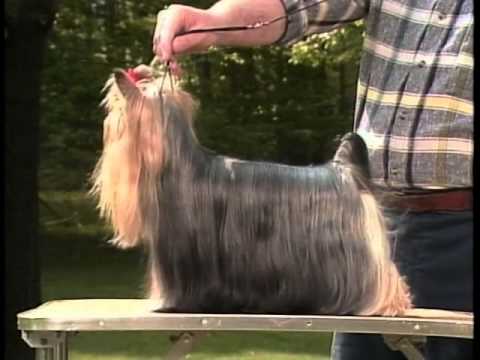 Yorkshire Terrier — Official AKC Breed VideoAmerican Kennel Club
Watch the official AKC video covering temperament, history, traits, and care.
Watch on YouTube →Product Recommendations for Yorkshire Terriers
See all →Vet-reviewed picks for food, insurance, crates, brushes, treats, and toys — matched to this breed.
Compare Yorkshire Terrier with Similar Breeds
See how the Yorkshire Terrier stacks up against other breeds side by side.