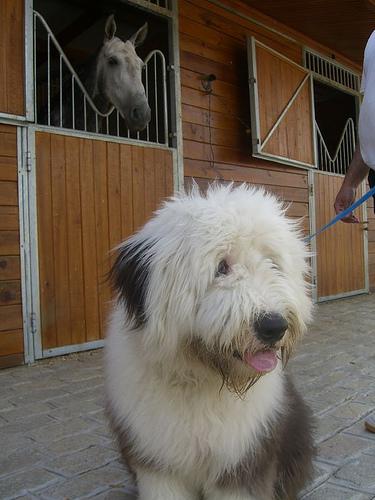
Bearded Collie
Temperament
About the Bearded Collie
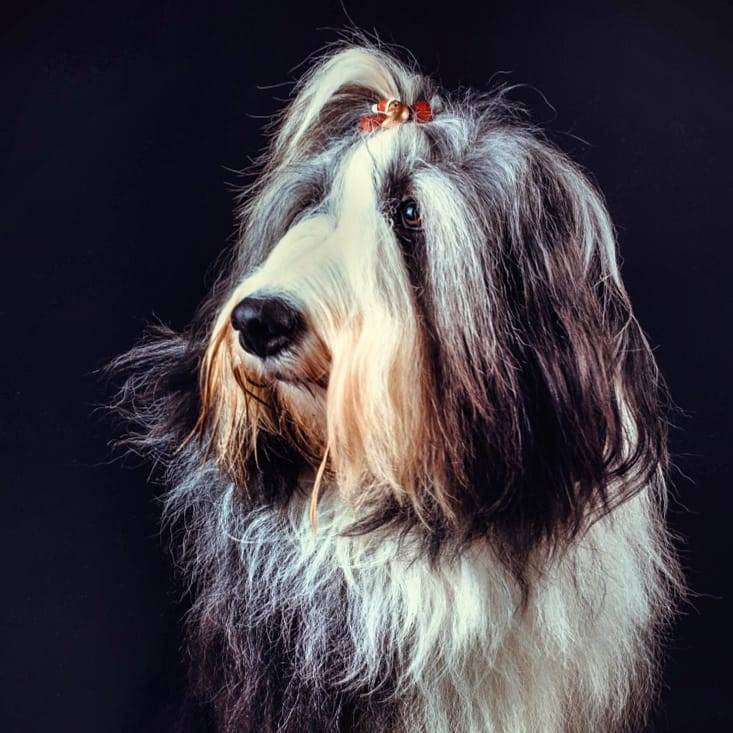
The Bearded Collie is one of Britain's oldest herding breeds, with roots tracing back to the Scottish Highlands where working shepherds needed a dog capable of droving sheep and cattle across rugged, unpredictable terrain in all weather conditions. The breed's exact origins are debated, but one widely cited account suggests that in 1514, a Polish merchant named Kazimierz Grabski traded Polish Lowland Sheepdogs to a Scottish shepherd in exchange for grain and sheep. Those Polish dogs are believed to have interbred with local Scottish herding stock, contributing to what would eventually become the Bearded Collie. The breed was also historically known as the Highland Collie, the Hairy Mountain Dog, and the Mountain Collie — names that reflect its working origins in the Scottish uplands.
For much of its history, the Bearded Collie was bred strictly for function. Good herding dogs were crossed with whatever stock produced capable workers, and formal pedigree records were not a priority. The modern revival of the breed as a recognized type is largely credited to Mrs. G.O. Willison of England, who began breeding Beardies under her Bothkennar kennel prefix in the late 1940s after acquiring a puppy she initially believed to be a different breed. Willison founded the Bearded Collie Club in the United Kingdom in 1955, and her efforts to standardize the breed and promote it through the show ring were instrumental in saving it from obscurity. The Kennel Club in the UK granted the breed championship status in 1959.
The Bearded Collie Club of America (BCCA) was established in 1969, and the American Kennel Club granted the breed full recognition in the Herding Group in 1977. The breed currently ranks around 140th out of 205 recognized breeds in AKC registration statistics — not a common dog, but not rare either. The BCCA remains the primary breed authority in the United States, maintaining the breed standard and supporting health research.
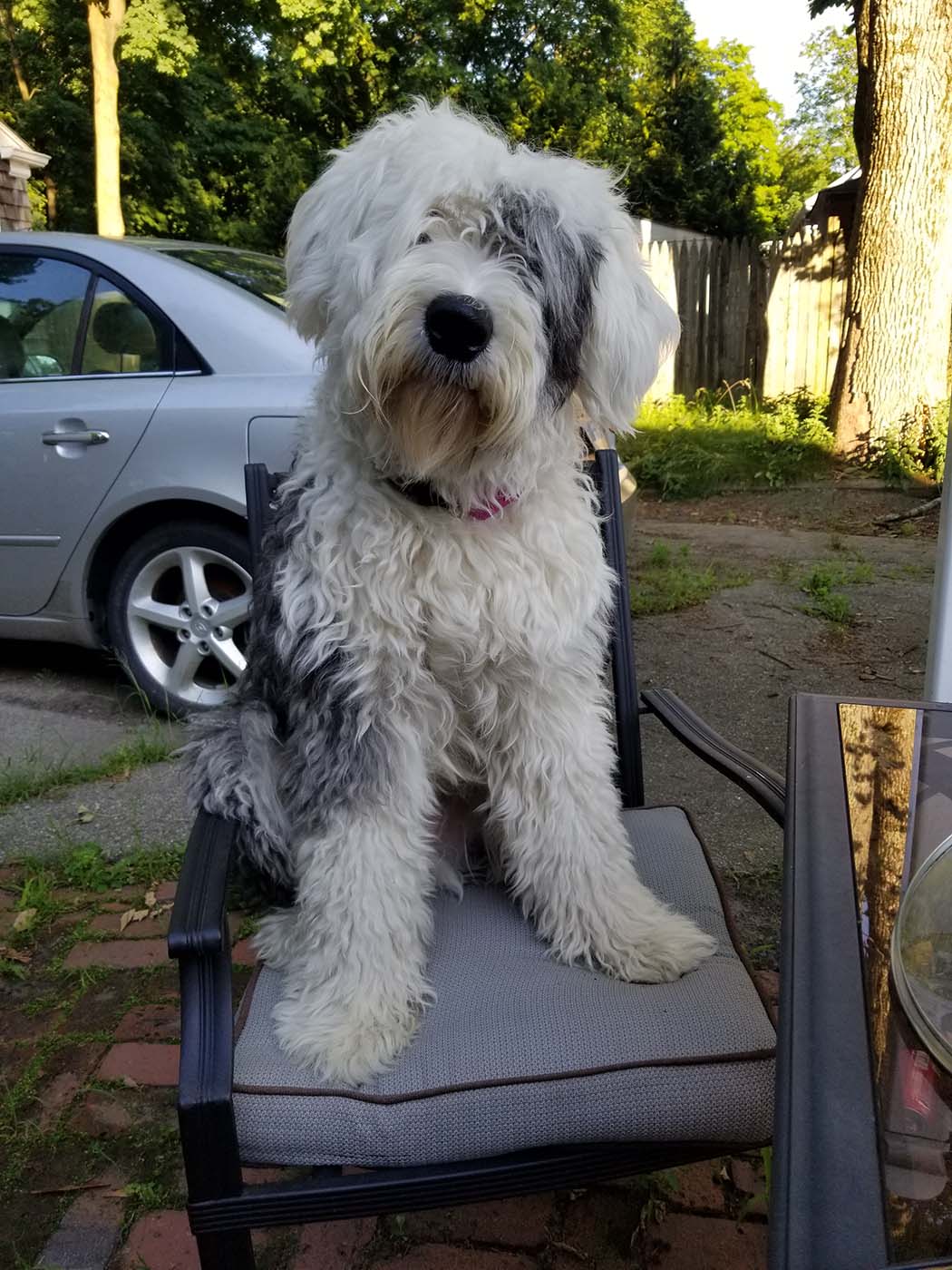
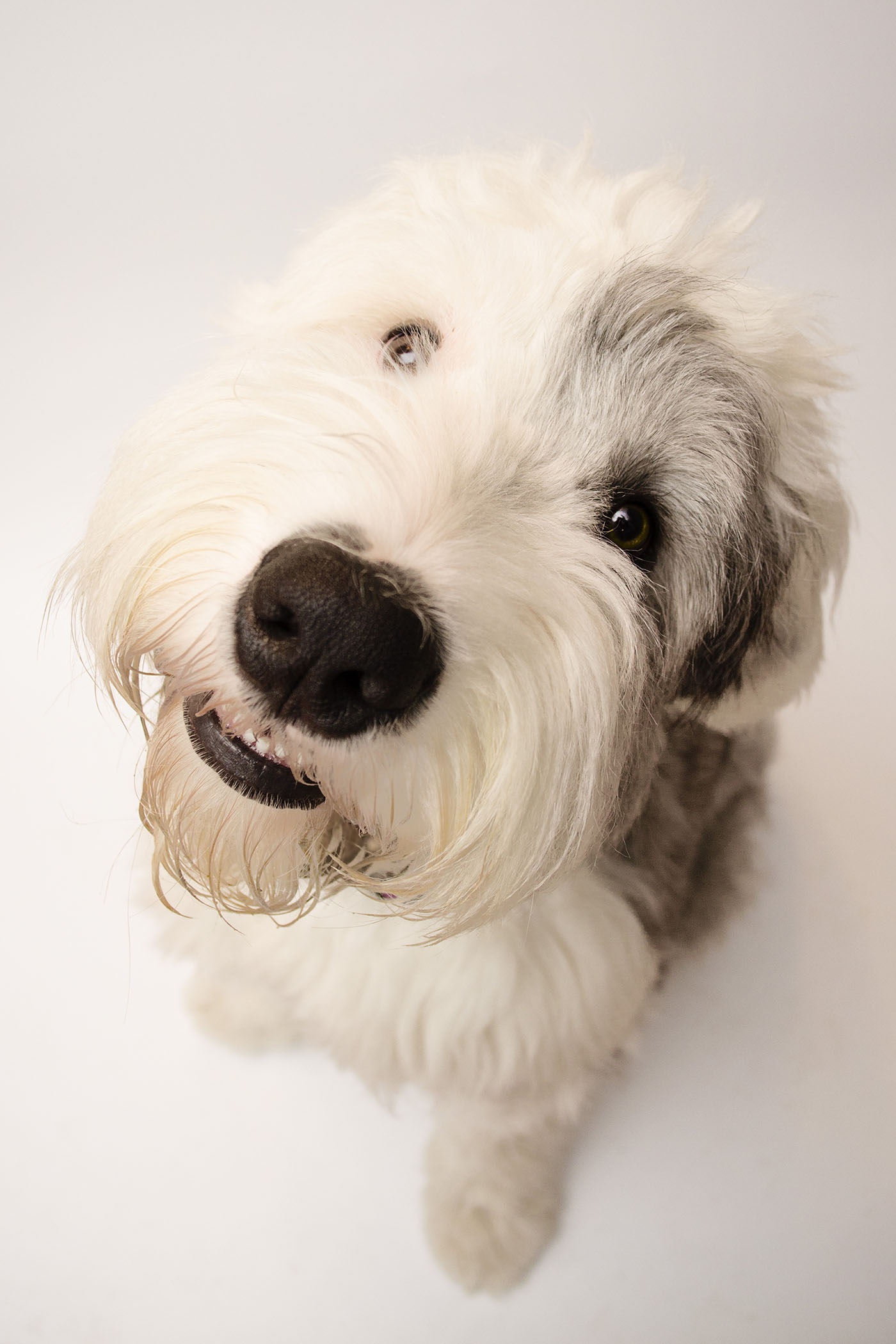
What sets the Beardie apart from other collie-type breeds is its combination of structural hardiness and a distinctly animated personality. Unlike the Border Collie, which was refined almost entirely for intense eye-stalking herding work, the Bearded Collie was developed to work independently over long distances, making decisions without constant handler input. It is larger and more robustly built than the Shetland Sheepdog, and its double coat — a soft, dense undercoat beneath a flat, harsh outer coat — was designed to shed Scottish weather rather than trap it. The hallmark "beard" of longer hair under the chin gives the breed its name and its instantly recognizable silhouette.
At a Glance
Quick Facts
- Breed Group:
- Herding
- Bred For:
- Sheep herding
- Origin:
- Scotland
- Life Span:
- 12 - 14 years
- Weight:
- 45 - 55 lbs
- Height:
- 20 - 22 in
💰 Bearded Collie Cost Guide
Food · Vet · Grooming · Insurance · Full breakdown
Frequently Asked Questions
What is the temperament of a Bearded Collie?
Bearded Collies are known to be hardy, lively, alert, intelligent, active, affectionate, curious, dignified, playful, loyal, gentle, friendly. This combination of traits makes them excellent companions for families with children. Their temperament is influenced by both genetics and proper socialization from an early age.
How much exercise does a Bearded Collie need?
Bearded Collies are high-energy dogs requiring 60+ minutes of vigorous daily exercise and mental stimulation.
How often should I groom my Bearded Collie?
Bearded Collies require intensive grooming with daily brushing and regular professional grooming sessions.
How do I train a Bearded Collie?
Bearded Collies have moderate trainability and benefit from consistent, positive training approaches.
Are Bearded Collies good with children?
Bearded Collies are excellent with children. Their natural patience, gentle nature, and resilience make them outstanding family dogs. They typically form strong bonds with children and tend to be forgiving of the occasional accidental rough handling that can occur with younger kids. Remember that proper socialization and teaching children appropriate interaction with dogs are always important, regardless of breed.
What makes the Bearded Collie unique compared to other dog breeds?
The Bearded Collie stands out from other breeds due to its dignified appearance and bearing, rich heritage from Scotland, specialized abilities for sheep herding. This unique combination of characteristics makes them special among dog breeds and appeals to owners who appreciate these distinct qualities. Understanding these traits helps provide appropriate care tailored to their specific needs.
What should I know before getting a Bearded Collie?
Before bringing a Bearded Collie into your home, potential owners should consider: They have high exercise requirements (4/5) and need an active owner. Their coat requires significant maintenance (4/5) with regular grooming sessions. They typically excel in family environments with children (5/5 child-friendliness). They may be prone to breed-specific health issues including Hip Dysplasia, Autoimmune Conditions, Hypothyroidism, Addison's Disease, Collie Eye Anomaly. Additionally, researching reputable breeders or rescue organizations is essential for finding a healthy, well-socialized Bearded Collie. Understanding these factors will help ensure a good match between the breed and your lifestyle, leading to a happy relationship for both you and your dog.
What were Bearded Collies originally bred for?
Bearded Collies were originally bred for sheep herding. This herding heritage explains their intelligence, focus, and sometimes tendency to herd family members, particularly children. As part of the Herding group, they share characteristics with other breeds developed for similar purposes. Understanding your Bearded Collie's breeding heritage helps explain many of their natural behaviors and instincts, which can be channeled appropriately through training and enrichment activities. Even though modern Bearded Collies are primarily companions, these inherent traits remain part of their genetic makeup.
How long do Bearded Collies typically live?
The average lifespan of a Bearded Collie is 12 - 14 years. With proper care including quality nutrition, regular veterinary check-ups, appropriate exercise, and preventative healthcare, some Bearded Collies may live beyond this range. Genetics, environment, and healthcare all play important roles in determining longevity.
Do Bearded Collies shed a lot?
Yes, Bearded Collies shed, but their coat type means loose hair tends to get caught in the outer coat rather than falling freely around the house the way a short-coated breed sheds. The tradeoff is that without regular brushing several times per week, that trapped hair mats quickly and becomes a serious grooming problem. Beardies also go through a heavy coat blow once or twice a year during seasonal transitions, and during those periods shedding becomes much more noticeable. Regular line brushing down to the skin — not just surface brushing — is the only way to manage the coat effectively and prevent painful tangles from forming.
Are Bearded Collies good with kids?
Bearded Collies generally do very well with children and are known for being playful, gentle, and affectionate with family members of all ages. That said, their herding instinct can surface around small, fast-moving children — some Beardies will attempt to circle or bump kids, which can knock over toddlers even without any aggressive intent. Socialization from puppyhood and teaching the dog that chasing and bumping children is not acceptable is important. Older children who can participate in training and exercise make ideal companions for this energetic breed.
How much exercise does a Bearded Collie need every day?
Bearded Collies need at least 60 to 90 minutes of genuine physical exercise daily, and mental stimulation is equally important. A walk around the block does not satisfy a Beardie — these are dogs built for sustained, vigorous movement across difficult terrain. Off-leash running in a securely fenced area, agility training, fetch on a large property, or participation in herding activities are the kinds of outlets this breed needs. Without adequate exercise and mental engagement, Beardies can become destructive, vocal, or anxious. This is not a breed suited to apartment living unless the owner is exceptionally committed to providing structured daily activity.
Are Bearded Collies prone to Addison's disease?
Yes, Bearded Collies have a well-documented elevated risk for Addison's Disease compared to most dog breeds. Addison's occurs when the adrenal glands fail to produce sufficient cortisol and aldosterone, and it can present as recurring vomiting, lethargy, weakness, and weight loss — symptoms that are easy to attribute to other causes. The condition is sometimes called 'the great pretender' because of how nonspecific the signs are. With proper diagnosis through an ACTH stimulation test and ongoing hormone replacement therapy, affected Beardies can live full lives. Prospective Beardie owners should ask breeders about Addison's in the dogs' family history, and all Beardie owners should make sure their veterinarian is familiar with the breed's predisposition.
Additional Characteristics
Care Requirements
They are high-energy dogs that need significant daily exercise and mental stimulation.
They have high grooming needs requiring frequent brushing and regular professional grooming.
Moderately trainable with consistent methods
They are excellent with children and often form strong bonds with them.
Bearded Collie
Complete Breed Guide
About the Bearded Collie
The Bearded Collie, originating from Scotland, was historically bred as a herding dog, known for its ability to manage livestock. This medium-sized breed typically weighs between 45 to 55 pounds and stands 20 to 22 inches tall, featuring a distinctive long, shaggy coat and a beard-like facial fringe. Bearded Collies are characterized by their self-confidence, intelligence, and playful nature, making them excellent family companions and active participants in various dog sports. Their friendly and affectionate temperament, combined with a strong work ethic, allows them to thrive in both herding and family environments.
Bearded Collies are known for being hardy, lively, alert, intelligent, active, and affectionate, curious, dignified. As a high-energy breed, they are moderately trainable and thrive with regular mental and physical activity. They are excellent with children of all ages and friendly with other dogs, making them a popular choice for families and experienced dog owners alike.
Caring for a Bearded Collie means committing to regular grooming (brushing several times a week), vigorous daily exercise, and consistent training from an early age. Their gentle, social nature makes them a wonderful addition to active families.
At a Glance
Quick Facts
- Breed Group:
- Herding
- Bred For:
- Sheep herding
- Origin:
- Scotland
- Life Span:
- 12 - 14 years
- Weight:
- 45 - 55 lbs
- Height:
- 20 - 22 in
Temperament
Free Bearded Collie Health Guide
Bearded Collies can be prone to Hip Dysplasia and other conditions. Get our owner's health checklist and monthly vet tips — free.
- ✓Bearded Collie-specific health warning signs
- ✓Vet visit checklist & cost tracker
- ✓Monthly breed health newsletter
Finding similar breeds...
How We Find Similar Breeds
We analyze breed characteristics including temperament, size, appearance, and care needs to identify the most similar dog breeds. This helps you discover alternatives that might be a good match for your lifestyle and preferences.
Explore Related Breeds & Guides
Adopt a Bearded Collie
Filter to show only purebred Bearded Collies (excludes mixed breeds and crosses)
Find Dogs Near You
Enter your location to discover adoptable pets nearby
How to Adopt a Bearded Collie
Follow these steps to ensure a smooth and responsible adoption process. Remember that adopting a dog is a lifelong commitment.
Research the Breed
Learn everything you can about Bearded Collies, including their temperament, exercise needs, grooming requirements, and potential health issues.
Find Reputable Sources
Look for adoptable dogs through shelters, rescue organizations, or responsible breeders. Avoid puppy mills and online scams.
Apply for Adoption
Complete an adoption application with your chosen organization. Be prepared to provide references and possibly go through a home visit.
Meet Your Potential Pet
Schedule a meeting with the dog to assess compatibility with you, your family, and any existing pets.
Prepare Your Home
Gather necessary supplies and dog-proof your home before bringing your new pet home.
1Essential Supplies
Food and water bowls, high-quality dog food, collar with ID tag, leash, bed, crate, toys, treats, grooming supplies, and cleaning products for accidents.
2Create a Safe Space
Designate an area where your dog can retreat when feeling overwhelmed. This could be a crate with comfortable bedding or a quiet corner with their bed.
3Remove Hazards
Secure or remove toxic plants, chemicals, small objects that could be swallowed, and foods that are harmful to dogs. Use baby gates if needed to restrict access to certain areas.
4Find a Veterinarian
Research and choose a veterinarian before bringing your dog home, and schedule an initial check-up shortly after adoption.
What is the dog's background and history?
Understanding a dog's past can help you anticipate potential behavior issues and provide appropriate support.
Has the dog been spayed/neutered and vaccinated?
This information is important for planning future veterinary care and understanding any immediate medical needs.
What is the dog's energy level and exercise needs?
Bearded Collies typically need regular exercise to stay healthy and happy. Ask about specific exercise requirements.
Has the dog been socialized with other animals and people?
This helps you understand how the dog might interact with your family, friends, and other pets.
Are there any known behavioral or health issues?
Knowing about existing issues helps you prepare for any special care or training needs.
Special Considerations for Bearded Collies
- Bearded Collies may have specific health concerns that require regular monitoring.
- Consider how the typical Bearded Collie temperament aligns with your lifestyle.
- Research the grooming needs of Bearded Collies to ensure you can commit to the required maintenance.
- Understand the exercise requirements of Bearded Collies to keep them healthy and prevent behavior problems.
- Learn about proper training methods that work well with Bearded Collies.
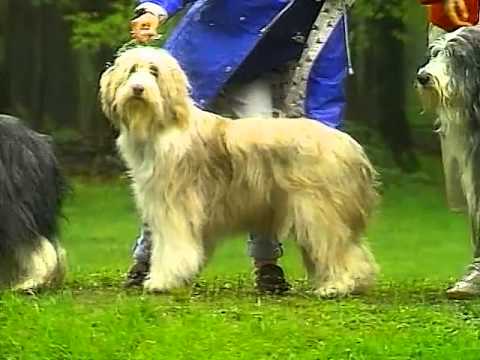 Bearded Collie — Official AKC Breed VideoAmerican Kennel Club
Watch the official AKC video covering temperament, history, traits, and care.
Watch on YouTube →Product Recommendations for Bearded Collies
See all →Vet-reviewed picks for food, insurance, crates, brushes, treats, and toys — matched to this breed.
Compare Bearded Collie with Similar Breeds
See how the Bearded Collie stacks up against other breeds side by side.