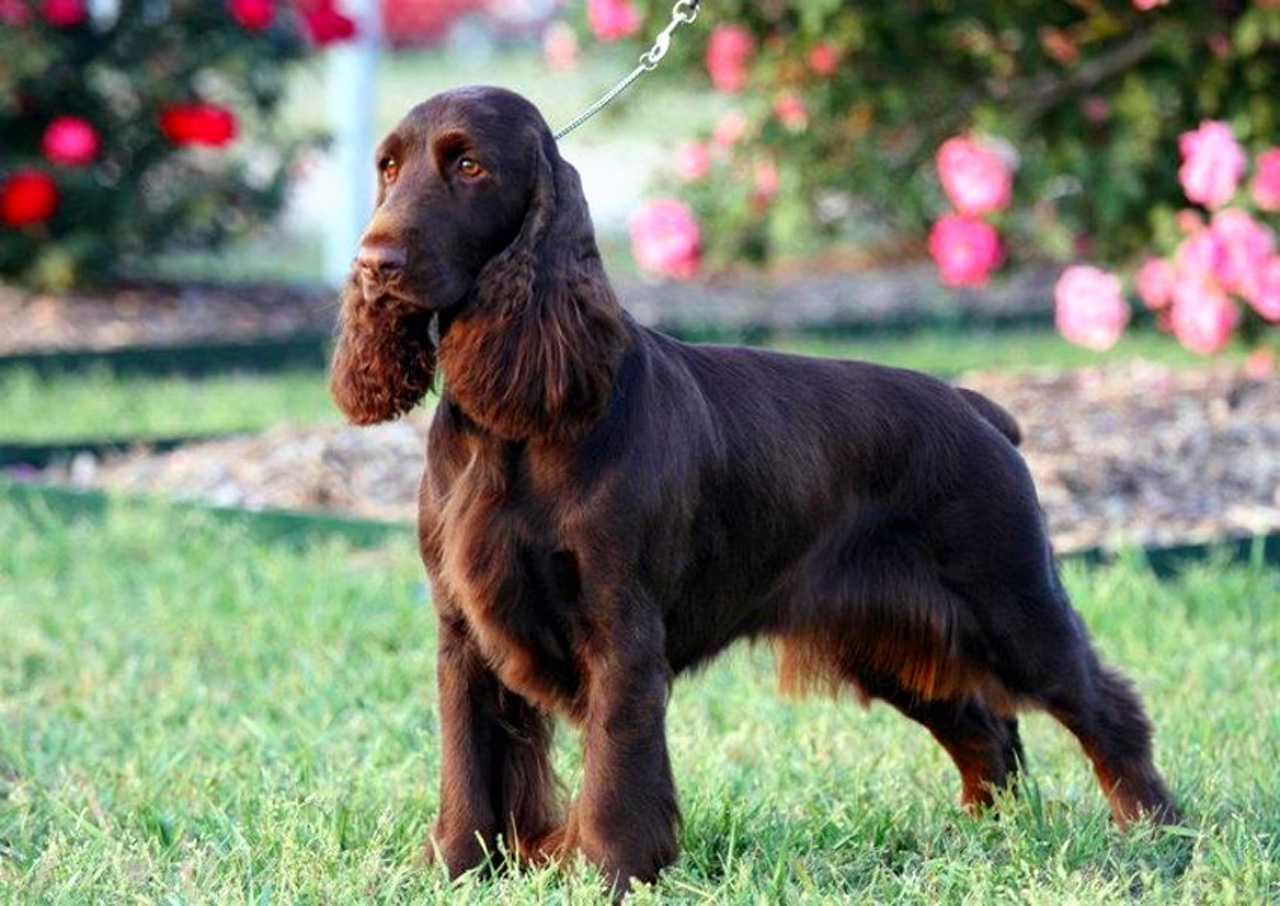
Field Spaniel
Docile
Care At A Glance
- Grooming Needs:3/5
- Exercise Needs:4/5
- Trainability:3/5
- Life Span:11 - 15 years
Complete Field Spaniel Care Guide
Everything you need to know about grooming, exercise, feeding, and caring for a Field Spaniel
Understanding Field Spaniel Care Requirements
Field Spaniels, like all breeds, have specific care requirements to keep them healthy, happy, and thriving. This comprehensive guide covers all aspects of Field Spaniel care, from daily maintenance to long-term health considerations.
Grooming Summary
They need moderate grooming, including regular brushing and occasional professional care.
Exercise Summary
They are high-energy dogs that need significant daily exercise and mental stimulation.
Detailed Care Information
Click on any category below to access detailed guides and information specific to Field Spaniel care requirements.
Grooming
Grooming routines, tools, and techniques
Exercise
Exercise requirements, activities, and routines
Training
Training approaches, techniques, and best practices
Feeding
Nutrition information, feeding schedules, and dietary tips
Health
Preventative care, wellness tips, and health maintenance
New Field Spaniel Owner Tips
- Establish Routines:
Dogs thrive on routine. Establish consistent schedules for feeding, exercise, and potty breaks.
- Find a Trusted Veterinarian:
Establish a relationship with a veterinarian before any health issues arise.
- Invest in Quality Supplies:
Quality food, appropriate tools, and durable toys are worth the investment for your Field Spaniel's health and happiness.
- Patience and Consistency:
Building a relationship with your Field Spaniel takes time. Be patient and consistent in your care and training.
- Continuous Learning:
Every dog is unique. Observe and learn from your Field Spaniel to provide the best care for their individual needs.
Seasonal Care Considerations
Summer Care
- • Monitor for signs of heatstroke
- • Provide constant access to fresh water and shade
- • Exercise during cooler hours of the day
- • Consider cooling mats or vests if needed
- • Never leave your dog in a hot car
Winter Care
- • Protect paws from salt and ice
- • Consider a coat for short-haired breeds
- • Maintain exercise despite colder weather
- • Provide a warm, draft-free sleeping area
- • Be vigilant about frostbite in extreme cold
Spring Care
- • Update parasite prevention
- • Be aware of seasonal allergies
- • Watch for toxic spring plants
- • Regular coat care during shedding season
- • Monitor for mud and wet conditions
Fall Care
- • Continue parasite prevention
- • Be cautious of rodent poisons and antifreeze
- • Prepare for shorter daylight exercise hours
- • Ensure ID tags and microchips are updated
- • Prepare for holiday hazards (decorations, foods)
Best Products for Field Spaniels
Curated picks matched to this breed's coat type, size, and grooming needs.