Golden Retriever Dogs in Cleveland, Ohio
Find information about Golden Retrievers in your area, including local breeders, adoption options, and care resources.
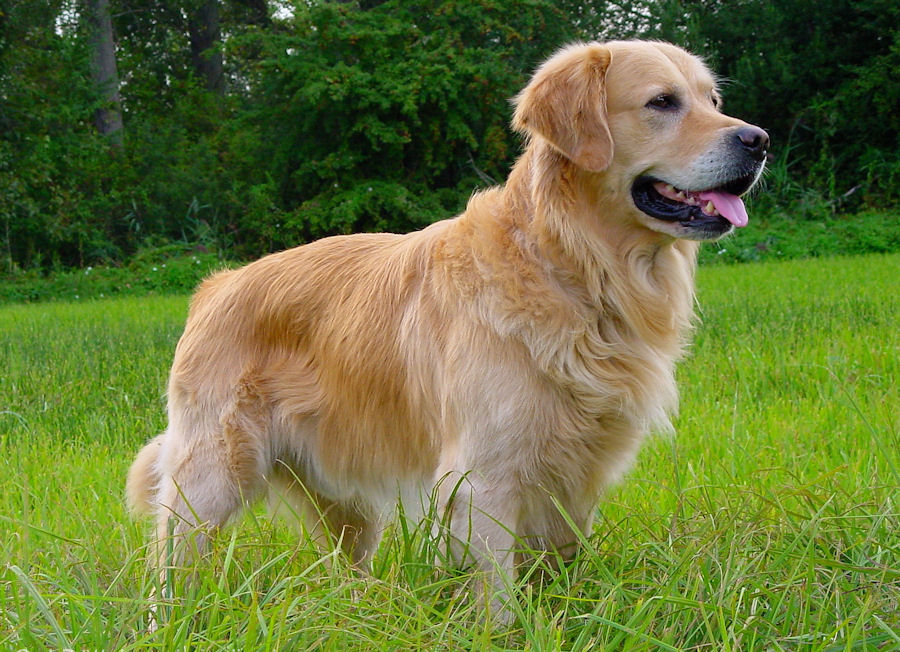

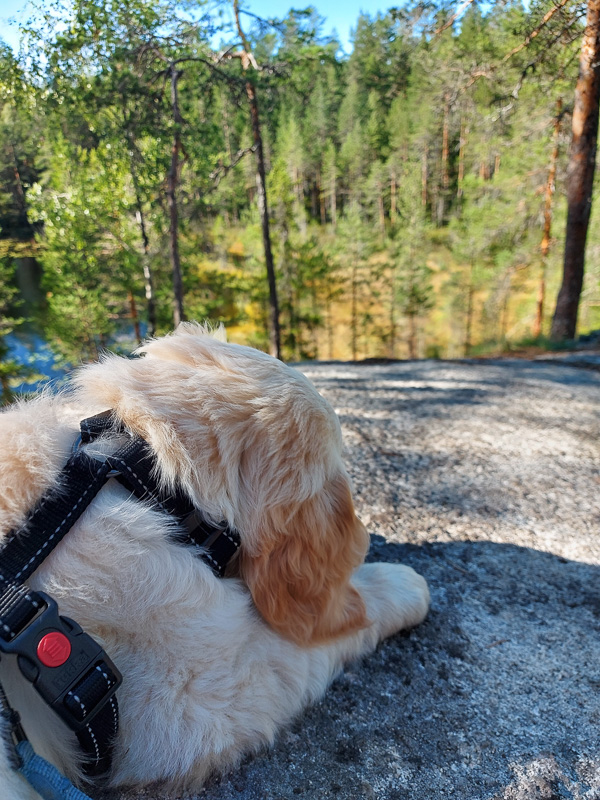
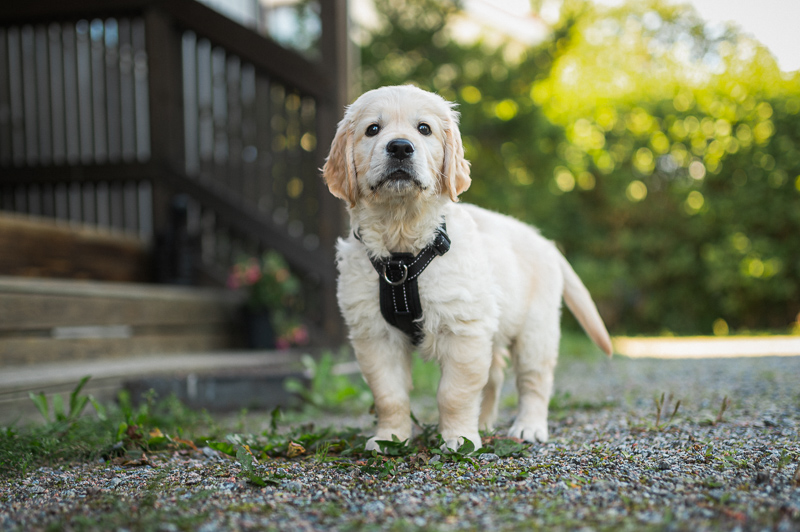
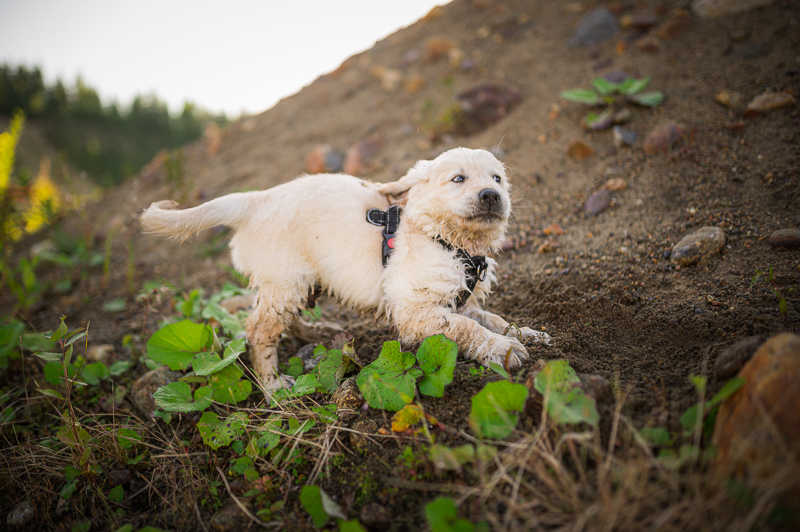
Golden Retriever
Temperament
At a Glance
Quick Facts
- Breed Group:
- Sporting
- Bred For:
- Retrieving
- Origin:
- Scotland
- Life Span:
- 10 - 12 years
- Weight:
- 55 - 75 lbs
- Height:
- 21.5 - 24 in
💰 Golden Retriever Cost Guide
Food · Vet · Grooming · Insurance · Full breakdown
Additional Characteristics
Care Requirements
They are high-energy dogs that need significant daily exercise and mental stimulation.
They have very high maintenance coats requiring daily brushing and regular professional grooming.
Highly trainable — quick to learn and eager to please
They are excellent with children and often form strong bonds with them.
Golden Retriever
Complete Breed Guide
About the Golden Retriever
The Golden Retriever originated in Scotland in the late 19th century, developed for retrieving game during hunting. This breed is characterized by its dense, water-repellent golden coat, a strong build, and an average height of 21.5 to 24 inches, with a weight ranging from 55 to 75 pounds. Known for their intelligence and friendly disposition, Golden Retrievers excel as family pets, therapy dogs, and in various canine sports, making them reliable companions and versatile working dogs. Their lifespan typically ranges from 10 to 12 years.
Golden Retrievers are known for being intelligent, kind, reliable, friendly, trustworthy, and confident, affectionate, curious. As a high-energy breed, they are highly responsive to training and thrive with regular mental and physical activity. They are excellent with children of all ages and friendly with other dogs, making them a popular choice for families and experienced dog owners alike.
Caring for a Golden Retriever means committing to regular grooming (brushing several times a week), vigorous daily exercise, and consistent training from an early age. Their gentle, social nature makes them a wonderful addition to active families.
At a Glance
Quick Facts
- Breed Group:
- Sporting
- Bred For:
- Retrieving
- Origin:
- Scotland
- Life Span:
- 10 - 12 years
- Weight:
- 55 - 75 lbs
- Height:
- 21.5 - 24 in
Temperament
Free Golden Retriever Health Guide
Golden Retrievers can be prone to Hip Dysplasia and other conditions. Get our owner's health checklist and monthly vet tips — free.
- ✓Golden Retriever-specific health warning signs
- ✓Vet visit checklist & cost tracker
- ✓Monthly breed health newsletter
Finding similar breeds...
How We Find Similar Breeds
We analyze breed characteristics including temperament, size, appearance, and care needs to identify the most similar dog breeds. This helps you discover alternatives that might be a good match for your lifestyle and preferences.
Explore Related Breeds & Guides
Adopt a Golden Retriever
Filter to show only purebred Golden Retrievers (excludes mixed breeds and crosses)
Find Dogs Near You
Enter your location to discover adoptable pets nearby
How to Adopt a Golden Retriever
Follow these steps to ensure a smooth and responsible adoption process. Remember that adopting a dog is a lifelong commitment.
Research Golden Retriever Rescue Groups
Start by looking into Golden Retriever-specific rescue organizations, as well as local shelters and rescue groups that may have Goldens available for adoption.
Submit Applications
Complete applications with several rescue groups to increase your chances. Golden Retrievers are popular, so be prepared for a waiting period.
Home Visit and Interview
Most Golden Retriever rescues require a home visit to ensure your living situation is suitable for an active, medium to large-sized dog.
Meet Available Dogs
Once approved, arrange to meet Golden Retrievers that match your lifestyle and family situation.
Prepare for Your Golden
Golden Retrievers shed a lot and need regular exercise. Prepare your home with appropriate supplies including a sturdy brush, toys, and secure fencing if you have a yard.
1Exercise Equipment
Tennis balls, a chuck-it thrower, and durable toys are essential for an active Golden Retriever. They love to retrieve (hence the name) and swim when possible.
2Grooming Supplies
A good slicker brush, undercoat rake, and nail trimmers are essential for Golden Retrievers. Plan to brush at least twice a week to manage shedding.
3Joint Supplements
Golden Retrievers can be prone to hip and elbow dysplasia. Consider joint supplements, especially for adult or senior Goldens.
4Training Tools
Goldens are intelligent and eager to please, making them highly trainable. Have treats, a clicker, and a 6-foot leash ready for positive reinforcement training.
How much exercise does the specific Golden need?
While all Golden Retrievers need regular exercise, individual needs can vary. Some may be more laid-back, while others are extremely energetic.
Does the dog have any history of food allergies?
Goldens can be prone to food sensitivities. Knowing any history will help you choose the right diet.
Has the dog been trained around water?
Many Goldens love water, but not all have been introduced to swimming. Ask about water experience if you have a pool or live near water.
Does the dog have any resource guarding issues?
While not typical for the breed, some individual dogs may guard food or toys, which is important to know before bringing them home.
How does the dog interact with children and other pets?
Goldens are generally good with kids and other animals, but always ask about the specific dog's history and temperament.
Special Considerations for Golden Retrievers
- Golden Retrievers are prone to certain cancers, so regular veterinary check-ups are essential.
- They typically shed heavily twice a year, with moderate shedding year-round.
- Goldens remain puppy-like well into adulthood and need mental stimulation to prevent boredom.
- They love being part of family activities and don't do well when left alone for long periods.
- Swimming is an excellent exercise for Goldens, especially those with joint issues, as it's low-impact.
Golden Retriever in Cleveland, Ohio
Finding the perfect Golden Retriever in Cleveland, Ohio requires understanding their specific needs and characteristics.
Golden Retrievers in Cleveland, Ohio may need special consideration for the local climate and living conditions.
The typical Golden Retriever temperament of being intelligent, kind, reliable, friendly, trustworthy, confident, affectionate, curious, gentle, playful, quiet, loyal makes them
well-suited to the Ohio lifestyle and community environment.
With their high energy levels, Golden Retrievers in Cleveland, Ohio will benefit from access to the many outdoor
recreational areas and dog parks available locally.
Families with children in Cleveland, Ohio will find the Golden Retriever to be an excellent companion due to their
patient and gentle nature with kids.
Local Golden Retriever owners in Cleveland, Ohio recommend regular socialization opportunities and finding a veterinarian
familiar with the specific health needs of this breed.